
Escape the OTA Trap: The Case for a Direct Booking Strategy Fueled by Local SEO
Ever notice how a hotel can be packed and still feel broke? That’s the OTA problem in a nutshell. The room sells, sure. But then Booking.com, Expedia, or Agoda takes a chunky slice off the top, and that hurts fast.
Major OTAs often charge around 15% to 30% per booking, which can turn a good month into a pretty annoying one. OTA commission rates for hotels keep climbing, and for many independent properties, that means less money for staff, upgrades, and guest perks.
But there’s a better lane. Local SEO for hospitality helps your hotel show up when travelers search things like “hotel near me” or “stay near downtown.” Those searches are full of intent. People aren’t just browsing. They’re trying to book now.
And that’s where direct bookings start to grow.
When your property shows up in Google Maps marketing for hotels, local results, and nearby searches, you can pull in guests without paying a commission on every stay. That’s a big deal for independent hotel marketing, boutique hotels, resorts, hostels, and homestays that want more control over profit.
In this listicle, we’ll walk through 8 local SEO strategies that actually make sense for hotel managers. No fluff. No weird tech talk. Just practical steps you can use yourself, or hand off to a seo agency for hotels or a hotel marketing agency if you’d rather have help. We’ll cover hotel SEO services, reviews, content, schema, and local pages that can help you get my hotel on Google’s first page and increase direct hotel bookings.
Let’s get into it.
1. Master Your Google Business Profile (GBP) to Dominate the Local Pack
You know that moment when a traveler types “hotel near me” and books in under two minutes? Yeah, that race starts on your Google Business Profile. If your profile looks half-finished, you’re leaving money on the table. Simple as that.
Think of GBP like your front desk sign, lobby, and first sales pitch all rolled into one. Fill out every field you can. Services. Amenities like pool, free Wi-Fi, and pet-friendly stays. Hours. Address. Phone. Keep it all neat and up to date.
And please, add good photos. Not blurry phone shots from 2018. Guests want to see the room, the bathroom, the entrance, and maybe the breakfast spread if it’s decent. Short videos help too, because people like a quick peek before they trust you.
Here’s a quick checklist for your profile:
| GBP Item | What to Do |
|---|---|
| Services | Add room types, breakfast, parking, airport pickup, and more |
| Amenities | List pool, Wi-Fi, pet-friendly, family rooms, and accessible rooms |
| Photos | Upload fresh room, lobby, exterior, and staff photos |
| Q&A | Answer common guest questions before they ask |
| Hours | Keep check-in, check-out, and front desk hours correct |
| Booking Link | Send people to your own booking engine, not an OTA |
That booking link part matters a lot. If you send someone to an OTA, you just paid to lose your own sale. No thanks.
Also, use Google Posts. Share weekend offers, local festival tie-ins, or a last-minute room deal. It keeps your profile active and gives searchers a reason to click now. I’ve seen hotel teams ignore this for months, then wonder why nothing moves. Weird, right?
Google data shows local searches have real buying power, and the Local Pack gets a lot of clicks for nearby searches (local search stats and Local Pack click data). So if you want to increase direct hotel bookings, this is one of the fastest wins. A seo agency for hotels can help polish the setup, but honestly, many properties can fix the basics in an afternoon.
If you’re using Ease My Hotel, this gets even easier since you can keep bookings, guest info, and updates in one place. Less chaos. More control. And that’s the whole point.
2. Build a Hyper-Local Content & On-Page SEO Strategy
You know that moment when someone lands on your site, skims for five seconds, and leaves? Yeah, that hurts. A lot. But there’s good news: your hotel website can answer the exact questions travelers are already asking.
Start with your main pages. Your homepage, room pages, and location pages should use plain local phrases like “Chicago hotel,” “hotel near O’Hare Airport,” or “accommodation in River North.” Not stuffed everywhere. Just woven in where it sounds natural. That helps search engines connect your property with the places people actually search for.
Then add pages that match real guest intent. For example:
- Best Family-Friendly Activities in [Your City]
- A Weekend Guide to [Your Neighborhood]
- Top Restaurants Near [Your Hotel]
- What to Do After Check-In in [Landmark Area]
These pages do two jobs at once. They bring in search traffic, and they show guests that you know the area. That trust matters. A lot, actually.
Here’s the thing though: blog content is not just fluff for the blog graveyard. It can help increase direct hotel bookings because travelers usually read more than one piece before they book. One hospitality study found content marketing can lift web traffic by up to 40% and conversion rates by 25% to 35% (hospitality content marketing results).
For a seo agency for hotels, this is one of the easiest ways to build long-term value. And if you use Ease My Hotel, you can connect your booking flow with better guest communication, so the whole thing feels less messy and more human. Nice combo.
Also, keep your URLs clean. A page like /hotel-near-ohare-airport makes more sense than a random string of numbers. Simple wins.
Think of it like this. Your site should not just say, “We have rooms.” It should say, “We have rooms, and here’s why staying here makes your trip easier.” That’s the shift.
Try Ease My Hotel for free.
No lock-in contracts. Cancel anytime
3. Acquire High-Quality Local Citations and Backlinks
Ever had Google get your hotel name a little wrong? Or your phone number shows up old on one site and new on another? Small mess, big headache. And for hotel local SEO, that mess can slow things down fast.
This part is less flashy than photos or blog posts, but it works. A lot. Your hotel’s Name, Address, and Phone Number, or NAP, should match everywhere. That means Google Business Profile, Yelp, TripAdvisor, your local chamber of commerce, and any other spot that lists your property. If one site says “Suite 12” and another says “Ste. 12,” or the phone number is off by one digit, Google starts to wonder which one is right.
Weird, right? But that’s how it goes.
Here’s a simple way to think about it:
| Citation Task | What to Check |
|---|---|
| Name | Use the same hotel name on every site |
| Address | Keep street, suite, and city details exact |
| Phone | Use one main number everywhere |
| Category | Pick the same hotel type and stay with it |
| Photos | Add fresh, real images where you can |
Now, the fun part. Local links.
Ask local event organizers, nearby restaurants, and tour companies to mention your hotel on their “Where to Stay” page. If you sponsor a 5K race, a school fundraiser, or the town soccer team, ask for a link back from their site too. These local backlinks can help your Google Maps marketing for hotels because they show you’re part of the area, not just another random listing on the web.
And if you run a boutique property or a small inn, this is a nice win for independent hotel marketing. You don’t need a giant budget. You just need real local ties.
Honestly, this is one of those things a good seo agency for hotels or hotel marketing agency can handle in a neat little plan, but you can also start with a short list of 10 local partners and work from there. Also, a cloud system like Ease My Hotel can help keep your booking details and guest info organized, so your team isn’t bouncing between tabs all day.
The point is simple. Clean citations. Good local links. Fewer mix-ups. Better trust. And yes, better odds to increase direct hotel bookings without paying OTA fees every single time.
Nice, clean, and very worth it.
4. Implement a Proactive Online Review Management System
You know that little pause before a guest clicks “submit” on a review? That tiny moment can shape your next booking. A lot.
Reviews do two jobs at once. They help your hotel rank better in local search, and they help travelers feel safe enough to book. More good reviews can push you higher in the Local Pack, and that means more eyes on your property. One local SEO report says 76% of people who do a “near me” search visit a related business within 24 hours, and the Local Pack gets about a 42% click-through rate for local queries local search stats and Local Pack click data. That’s not small stuff.
So how do you get more of them? Don’t just wait and hope.
Build a simple review routine:
- Send an email after checkout
- Add a tablet at the front desk
- Text guests a review link before they leave
- Ask happy guests in person, right after a good stay
And yes, point them to your Google Business Profile first. That’s the big one for hotel SEO services and Google Maps marketing for hotels. You want the review where people can see it fast.
Here’s the part some teams skip: respond to every review. Good or bad. Thank people for the kind words. For the rough ones, stay calm and professional. Don’t argue. Just show that you listened and you care. That alone can help future guests trust you more.
If you’re working with a seo agency for hotels or a hotel marketing agency, ask how they handle review flow, reply timing, and review volume. And if you use Ease My Hotel, it’s easier to keep guest communication in one place, so review requests don’t get lost in the shuffle. Nice and tidy. Very helpful.
A few small replies can go a long way. Seriously.
5. Leverage Hotel Schema Markup for Rich Snippets
Ever searched for a hotel and saw stars, prices, and check-in times right in Google? That little info block can make a traveler stop scrolling. And yep, schema markup is often the reason.
Schema is a bit of code you add to your site. It helps search engines read your hotel page in a clearer way. For hotels, the Hotel schema can tell Google your name, address, phone number, price range, star rating, room count, check-in time, and even some amenities. So instead of hoping search engines figure it out, you give them the facts straight.
Here’s the deal. That can make your listing look richer in search results, which may lift clicks. And more clicks usually mean more chances to increase direct hotel bookings. Not bad for a few lines of code.
Some of the key Hotel schema fields include:
- Name
- Address
- Telephone
- Price range
- Star rating
- Check-in and check-out times
- Number of rooms
- Pets allowed
- Amenity features
| Schema Field | Why It Helps |
|---|---|
| Price range | Gives guests a quick sense of fit |
| Star rating | Adds trust fast |
| Address | Helps local search match your property |
| Amenities | Shows what makes your stay special |
| Check-in time | Cuts down on guest confusion |
If coding sounds like a headache, there are easier ways. Tools like Rank Math, Schema Pro, WordLift, and Google’s own Structured Data Markup Helper can help you add schema without starting from zero. Then you can test it with Google’s Rich Results Test.
And here’s the thing: a seo agency for hotels or a hotel marketing agency can set this up fast, but many teams can also get it done with the right plugin. If you already use Ease My Hotel, it fits nicely into a bigger setup where bookings, guest communication, and property info stay in one place. Less mess. More control.
Schema won’t fix a weak website on its own. But paired with local SEO for hospitality, it gives your hotel another shot at standing out. And in search, that little edge matters. A lot.
6. Create Targeted Location-Specific Landing Pages
You know that weird moment when a traveler is super close to booking, but they still have one last search left in them? That last search is your chance. And it’s usually very specific.
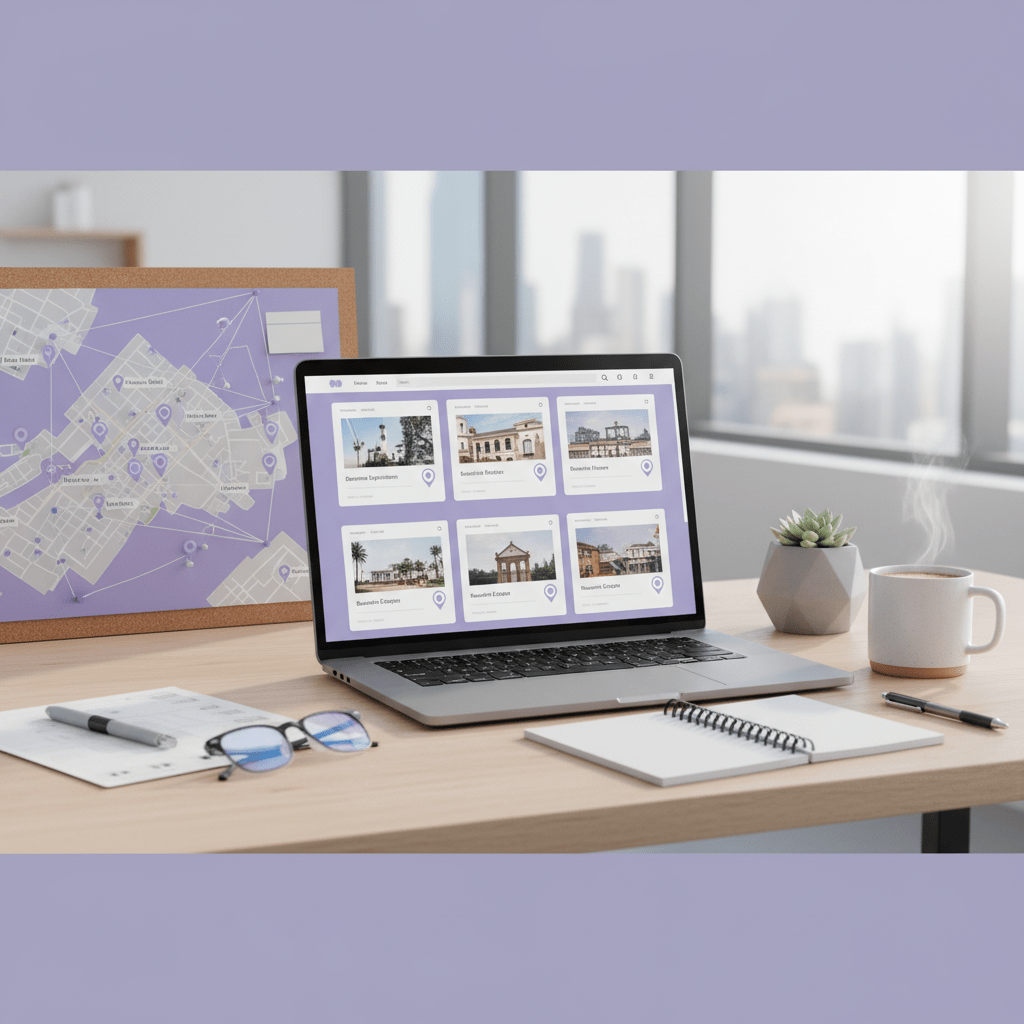
That’s why location pages work so well. If your hotel sits near a convention center, airport, stadium, beach, or a nearby town that gets weekend traffic, give each spot its own page. A page like Hotel Near [City] Convention Center or Best Hotel for Visitors to [Nearby Town] can catch people right when they’re ready to book.
These pages should not feel like copied twins. No lazy swaps. Each one needs its own details about the area, how far you are from the attraction, parking tips, walking routes, and maybe even the best time to arrive if there’s a big event. A clear book-now button should sit right on the page too. No treasure hunt. Just make it easy.
Here’s a simple way to shape them:
| Page Type | What to Include |
|---|---|
| Convention center page | Event travel tips, shuttle info, walking time, and nearby dining |
| Nearby town page | Drive time, local reasons to visit, and room options for short stays |
| Attraction page | Ticket tips, season notes, and how your hotel fits the trip |
| Airport page | Early check-in info, late arrival help, and transport choices |
And here’s the part I like most. These pages are not just for search bots. They help real people feel like your hotel gets their trip. That little bit of trust can matter more than fancy copy ever will.
For hotel SEO services and digital marketing for hotels, this is one of the cleanest ways to get my hotel on Google’s first page for very specific searches. It also pairs nicely with independent hotel marketing, since smaller properties can win on local intent without trying to outspend the big chains.
If you’re using a seo agency for hotels, ask them how they handle location pages, URL structure, and internal links. A hotel marketing agency should be able to map these pages to real search demand, not just throw a few keywords at a blank page and call it done. And if you use Ease My Hotel, you can keep guest details, booking management, and communication in one place while the pages do their job in the background.
Short pages. Clear purpose. Better odds of a direct booking. That’s the move.
Comparing Strategies: Effort vs. Impact
OK, here’s the part that makes all this feel less overwhelming. You do not need to fix every local SEO piece on the same day. Really. Start with the wins that move fast.
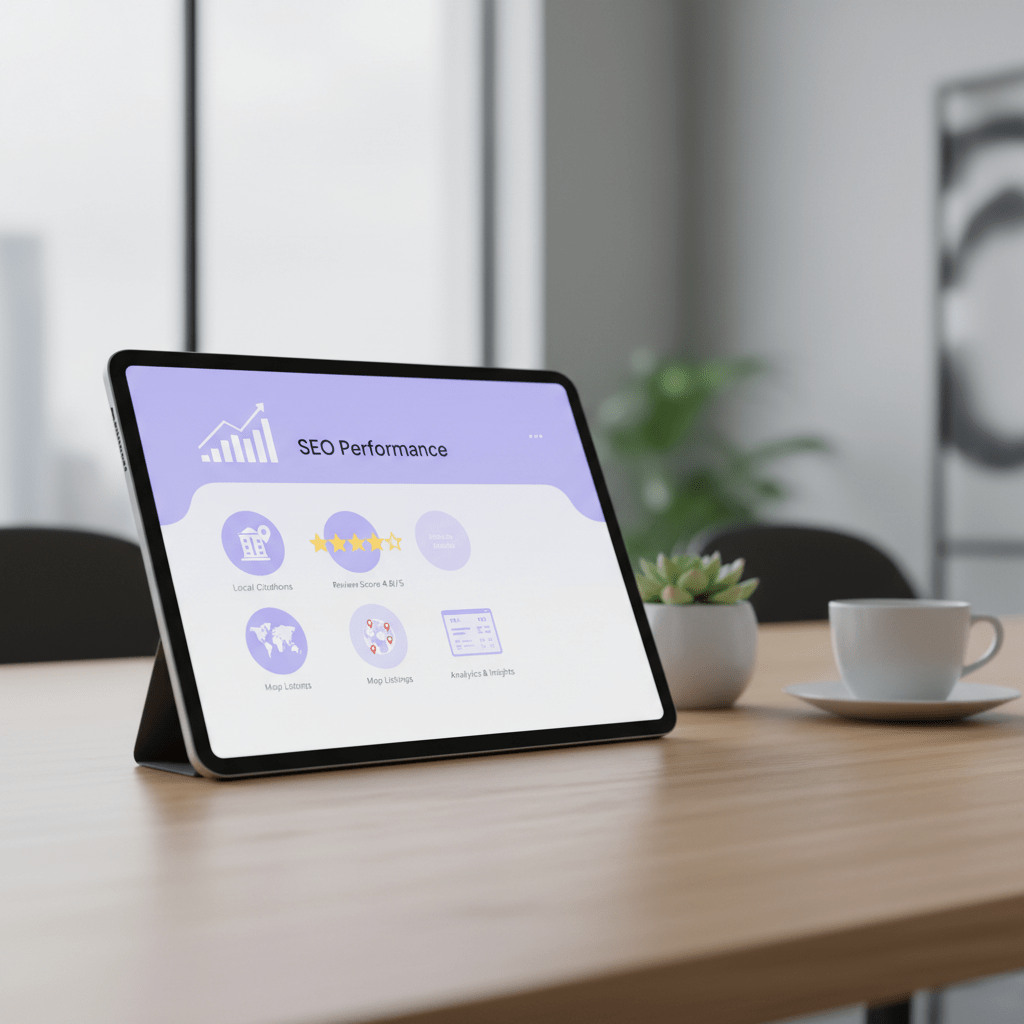
The table below makes it easier to see what’s worth your time first. Quick note: the strongest early wins usually come from Google Business Profile, reviews, and location pages. That lines up with how local search works, since near me searches often lead to a visit within 24 hours, and the Local Pack gets a lot of the clicks local search stats and Local Pack click data.
| Strategy | Implementation Effort | Impact on Bookings |
|---|---|---|
| Google Business Profile | Low | Very High |
| Reviews and reply flow | Low | Very High |
| Location-specific landing pages | Medium | High |
| Local citations and backlinks | Medium | High |
| Schema markup | Medium | Medium |
| Hyper-local content | High | High |
So if you’re short on time, start with GBP, reviews, and clean citations. Those are the fast movers. Then build out location pages and content when you’ve got a little more room to breathe. That’s the long game.
And if your team is juggling bookings, guest messages, and OTA updates all at once, a platform like Ease My Hotel can help keep the chaos in one place. Less tab-hopping. Less mess. More direct bookings.
Your Path to Profitability: Why Partnering with an SEO Agency for Hotels is Your Smartest Move
You can only juggle so many things at once. Front desk calls. Guest messages. Room turns. OTA updates. And now local SEO too? Yeah, that’s a lot.
But here’s the good news. You don’t need to do every piece by hand forever. The strategies we talked about here, from Google Business Profile fixes to reviews, citations, schema, content, and location pages, work best as one plan. Not a random list. A real system.
And that matters because OTAs can take 15% to 30% of each booking, while local search often brings guests who are ready to act fast. In fact, near me searches lead to a visit within 24 hours for 76% of users, and Local Pack results get a 42% click-through rate for local queries local search stats and Local Pack click data. That’s the kind of traffic hotels want.
So if your goal is to increase direct hotel bookings, a skilled seo agency for hotels can help you get there faster. They can set up hotel SEO services the right way, track what’s working, and keep your local SEO for hospitality moving forward while your team stays focused on guests.
That’s the real win. Less OTA dependence. Better control. More time for service.
If you’re ready to get my hotel on Google’s first page, start with a team that understands hotel marketing agency work, Google Maps marketing for hotels, and digital marketing for hotels from the ground up. Or, if your property needs a simpler ops side too, a platform like Ease My Hotel can help centralize bookings, guest communication, and day-to-day management in one place.
Want help making the shift? Talk to a seo agency for hotels that knows independent hotel marketing and can turn all this into direct bookings that actually stick.
Try Ease My Hotel for free.
No lock-in contracts. Cancel anytime