
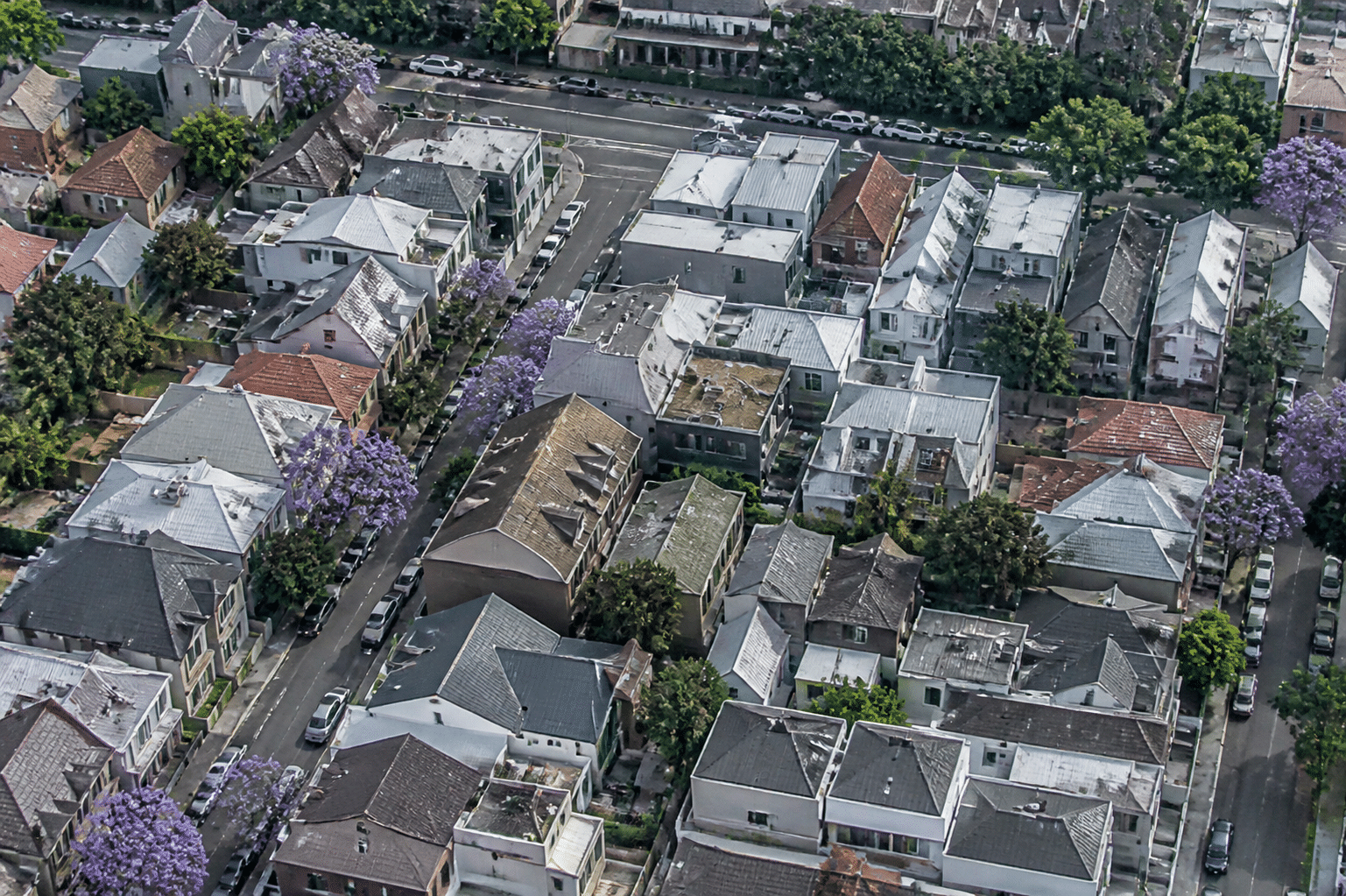
The Challenge of a Crowded Market: Why Being ‘Good Enough’ Is No Longer an Option
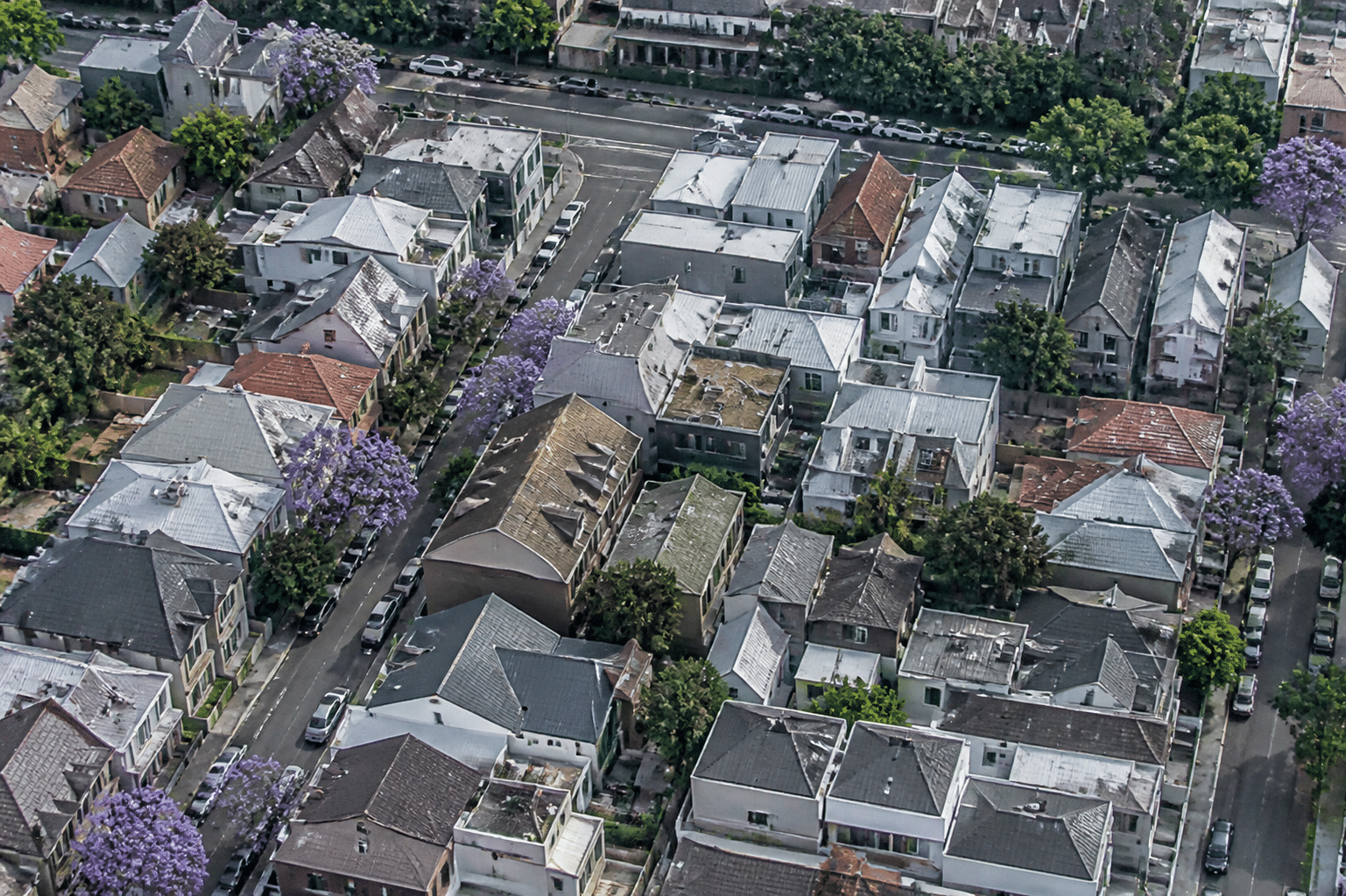
8 million+
active Airbnb listings worldwide. That’s how many other hosts are fighting for the same guest you want.
You open the Airbnb app, search your own city, and scroll. And scroll. Hundreds of places that look a lot like yours. Same white sheets, same gray couch, same “cozy retreat” in the title.
Sound familiar?
The numbers back up that feeling. Airbnb reported more than 8 million active listings in Q3 2024, and some 2026 estimates go past 9 million. (Companies count “active” differently, so treat these as rough.) In the U.S. alone, there were about 1.73 million short-term rental listings in November 2025, up 4.7% from the year before, according to AirROI’s market analysis.
More listings means more choice for guests. And more pressure on you.
Why Lower Prices Aren’t the Answer
Most hosts react the same way. Drop the nightly rate, hope the calendar fills. It works for a week, maybe two. Then everyone else does it too, and you’re all earning less for the same amount of cleaning.
Costs aren’t helping either. In a November 2025 survey of 554 hosts and managers, 45.1% said rising operating costs hurt their business, and nearly half pointed to tougher local competition. A price war is a race nobody really wins.
So this guide takes a different road. It’s about being the listing a guest picks on purpose, not the one they land on because it was cheapest. That’s the heart of how Airbnb hosts can stand out in a crowded market.
The Four Pillars We’ll Build On
Here’s the plan, in plain terms:
- Find your niche. Know exactly who your place is for.
- Polish your listing. Make your photos and words do the selling.
- Design the guest experience. Think about every moment from booking to goodbye.
- Use technology wisely. Let smart tools handle the repeat work, whether that’s pricing, messaging, or vacation rental management software like Ease My Hotel.
None of this needs a huge budget. It needs a clear plan. Let’s start with the first and biggest piece: figuring out who you’re really hosting for.
1. Define Your Niche: The First Step to Standing Out Is Knowing Who You’re For
Here’s a mistake I see all the time. A host wants to appeal to everyone. Families, couples, business travelers, bachelorette parties. The listing ends up speaking to nobody.
Trying to please every guest is how a place gets lost in the scroll. Picking one kind of guest feels risky, but it’s actually the safest move you can make.
Start With a Guest Persona
A guest persona is just a short profile of your ideal guest. Give them a name. Decide why they’re traveling, who’s with them, how long they stay, and what would annoy them. “Maya, 31, remote designer, stays three weeks, hates bad Wi-Fi.” That’s a persona.
Don’t invent it from thin air, though. Look at your own bookings from the last 6 to 12 months. Check party size, length of stay, trip purpose, and what guests keep mentioning in reviews. Then compare that with nearby listings. If your area has lots of family-sized homes but few with a fenced yard or baby gear, that’s a gap. And if you want a head start, Cloudbeds offers guest persona templates that cover goals, preferences, and messaging.
I’d also keep the persona on one page. If it takes longer to read than your house manual, nobody will use it.
Match Your Amenities, Decor, and Messages to Them
Once you know who you’re hosting, every choice gets easier. Should you buy a second desk chair or a high chair? The persona answers that.
Here’s how three common personas could look:
| Guest persona | Must-have amenities | Decor and feel | Communication style |
|---|---|---|---|
| Digital nomad | Fast, tested Wi-Fi, real desk, ergonomic chair, monthly rates | Calm, clutter-free, good lighting | Short and clear, quick replies, self check-in details |
| Family with young children | Crib, high chair, fenced yard or safe play space, extra bedrooms | Durable, easy to clean, safe corners | Friendly and detailed, packing tips, nearby parks and grocery stores |
| Luxury weekender | Hot tub or sauna, quality linens, coffee setup, late checkout | Polished, warm, a little bit dramatic | Warm and personal, restaurant bookings, welcome touches |
Notice what’s not on the list. The nomad doesn’t need a board game shelf. The luxury weekender doesn’t care about a toy bin. Skip what doesn’t serve your guest and spend that money on what does.
Current market coverage points to rural supply growth of 23% in one 2025 industry report, compared with a 4% drop in urban supply. It’s an industry blog, not an Airbnb dataset, so take it as a hint. Still, it suggests experience-led niches like nature stays, pet-friendly homes, and wellness retreats may have more room to grow.
Why a Clear Niche Makes Marketing and Pricing Easier
When you know your guest, your listing practically writes itself. The title, the first photo, and the opening line all speak to one person. That’s a big part of making your Airbnb unique without gimmicks.
Pricing gets easier too. Guests who find exactly what they need worry less about the nightly rate. A family that finally finds a home with a fenced yard and a crib will usually pay more than for a generic three-bedroom. Fewer listings fit them, so you’re not stuck in a price war.
Now, I can’t give you a verified survey number for how many travelers choose unique over cheap. I looked. Nothing solid turned up for 2026. But the pattern is easy to spot in your own data: when the right guest books, reviews get better, and so does Airbnb guest satisfaction.
So pick your guest. Next up, we’ll make your listing say so loudly and clearly.
2. Craft an Irresistible Listing: Mastering Digital Curb Appeal
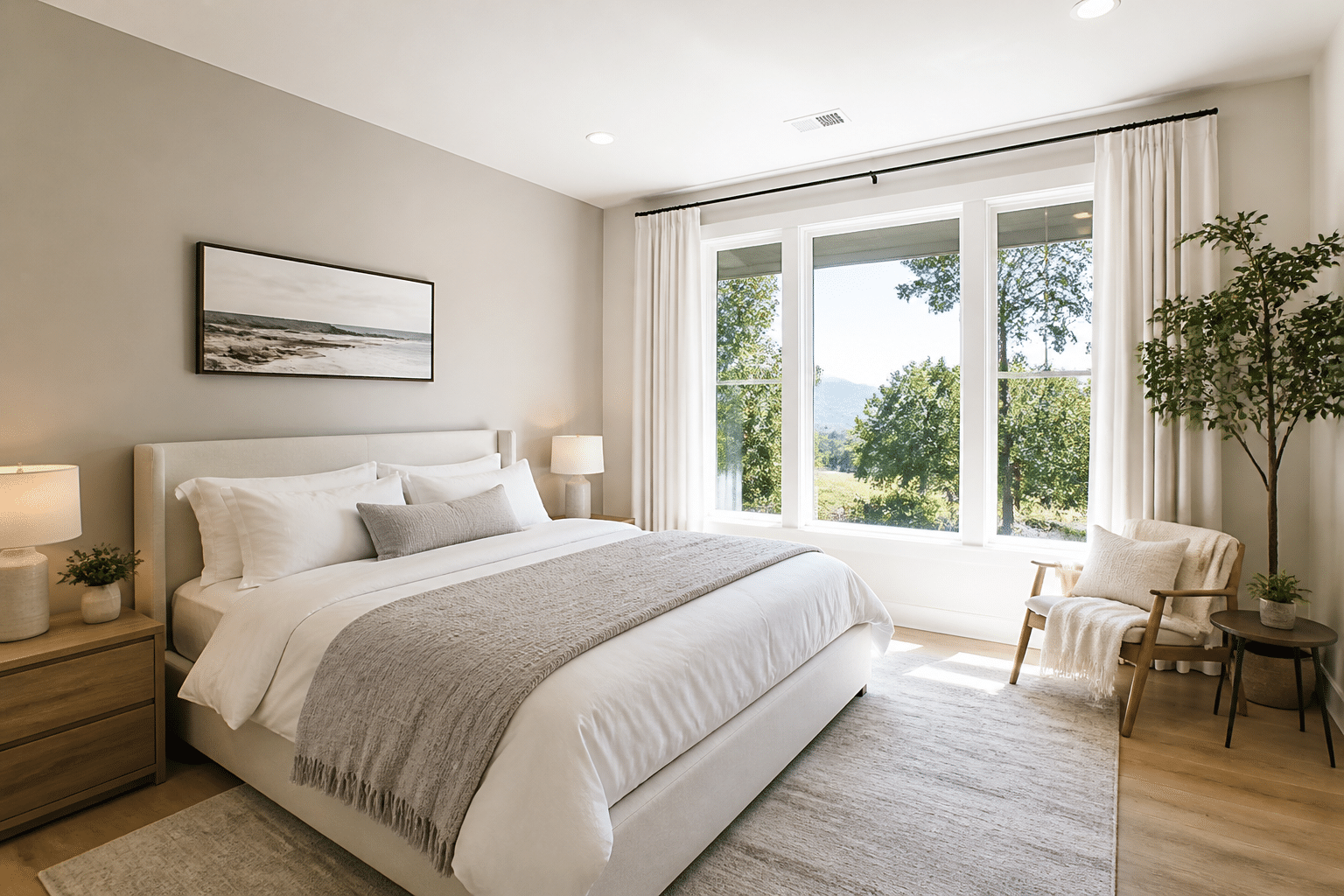
Guests can’t walk up to your front door before they book. Your listing is the front door. And they decide in about three seconds whether to knock.
So let’s make that first look count.
Photos Do the Heavy Lifting
Airbnb’s own research says guests lean on photos, descriptions and reviews when they choose a place, and high-quality images rank near the top. I’d say photos matter more than every other piece of your listing combined. Maybe that’s a bit strong. But not by much.
Start with your hero shot. That’s the first photo, the one that shows up in search. It should show your strongest feature, not just a bed. A pool, a view, a wood-burning fireplace, a bright desk by a window. If Maya (our remote designer from earlier) is scrolling, she should see a calm workspace right away.
A few simple rules:
- Shoot in daylight, with every light on and the curtains open.
- Tell a story. Show a coffee mug on the patio table, not an empty chair.
- Take wide shots of each room, plus close-ups of the details guests will love.
- Be honest. A tiny room shouldn’t look like a ballroom.
Here’s what separates a rushed phone snap from a pro shot:
| Poorly shot room | Professionally shot room | |
|---|---|---|
| Light | Dark, overhead bulb, yellow tint | Natural daylight, soft and even |
| Angle | Tilted, taken from the doorway | Straight lines, shot from a corner to show space |
| Styling | Clutter, cords, bare surfaces | Fresh linens, one or two simple touches |
| Story | You see furniture | You picture yourself there |
Not ready to hire a photographer? A decent phone, a tripod and one bright morning can get you most of the way there.
Write for the Feeling, Not the Feature List
Here’s where many hosts slip. They write “2 beds, Wi-Fi, kitchen, parking.” True, but flat. Guests can already see that in the amenities list.
Airbnb’s guidance says to put the most important information first because guests scan. So try this simple framework:
- Open with your top benefit. One or two standout things, not ten.
- Paint the moment. “Sip coffee on the sunny deck, then walk 8 minutes to the lake.”
- Add the useful facts. Bed types, floor level, parking, noise, and how far to the station.
- Be honest about limits. Stairs, a shared wall, a sofa bed. Surprises cause bad reviews.
Swap vague words for proof. “Beautiful luxury apartment” tells me nothing. “Sunlit one-bedroom with a balcony, a real desk and an 8-minute walk to Central Station” tells me everything. Same goes for your title. This is also where you naturally work in the words guests actually search, like “lakefront cabin,” “pet friendly” or “remote work.”
The Basics of Airbnb SEO
Nobody outside Airbnb knows the exact formula. But the company does say its search ranking looks at quality, popularity, price and location. Quality covers photos, reviews, accuracy and how well you communicate.
What you can control:
- Keywords: Use the terms your guest would type in your title and first lines. Don’t stuff them.
- Response speed: Reply fast and aim for a 90% response rate within 24 hours. I can’t promise a direct ranking boost from that, since Airbnb doesn’t share the weights. But it’s a good habit, and it’s tied to Superhost status.
- Instant Book: Fast replies, fewer declined requests and Instant Book can help visibility, so turn it on if you’re comfortable with it.
- Open calendar: More available dates and flexible minimum nights mean you match more searches.
- Accuracy: Make sure your words, photos and amenities match what guests find.
Want to keep it all straight? Use this quick checklist before you hit publish:
- [ ] Hero photo shows your best feature
- [ ] 20+ bright photos covering every room and the outside
- [ ] Title names your niche and one standout perk
- [ ] Description opens with a benefit, then facts
- [ ] Limits and house quirks are stated clearly
- [ ] Instant Book and calendar settings reviewed
- [ ] Messages answered within 24 hours
A great listing gets the click. But the stay itself is what earns the five stars, and that’s where we’re heading next.
3. Engineer an Unforgettable Guest Experience: From Booking to Post-Stay
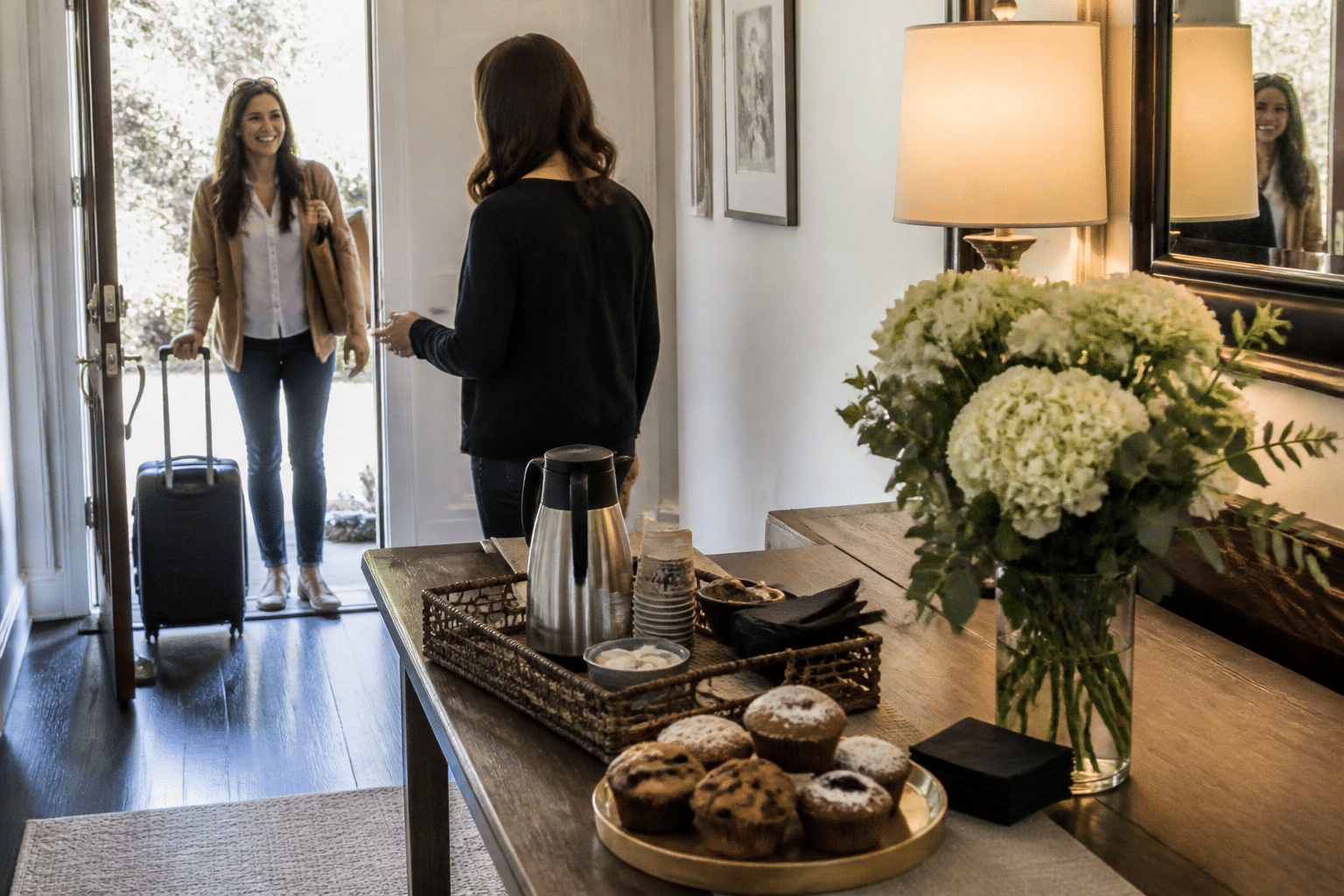
Think about the last stay you loved. Was it the bed? Probably not. It was how easy everything felt. Nobody made you hunt for the Wi-Fi password or wonder where to park.
That’s the gap between a fine stay and one people tell their friends about. And it’s a gap you can close without spending much.
Map the Guest Journey From Booking to Goodbye
A good stay has touchpoints, small moments where you either help the guest or leave them guessing. Here’s one way to lay them out. Call it the 5-star guest journey.
| When | What you do | Why it works |
|---|---|---|
| Right after booking | Thank the guest by name, mention one detail from their booking | They feel seen, not processed |
| 3 to 7 days before | Send a digital welcome book and a short local guide | Questions get answered before they’re asked |
| 1 day before | Share exact directions, smart lock steps, Wi-Fi and parking | Arrival feels easy, even after a long trip |
| A few hours after check-in | Ask if everything is working | Small problems get fixed before they turn into reviews |
| Day before checkout | Remind them of checkout time and the few things to do | No stress, no surprises |
| After departure | Thank them, then ask for a review | They remember the good parts |
The check-in step deserves extra love. A smart lock means no key swaps, no waiting around, no missed flights ruining the first hour. Keep the instructions short, too. Hostfully suggests about 100 to 150 words for pre-arrival messages, and I’d say that’s about right. Nobody reads a wall of text after a six-hour drive.
Some hosts send their “is everything OK?” message around three hours after check-in, which gives guests time to settle in and spot anything off.
Low-Cost Wow Moments That Guests Actually Remember
You don’t need a champagne budget. Honestly, the cheap stuff often lands best. Here are ideas that cost very little:
- A handwritten welcome note with the guest’s name
- Local snacks or coffee from a shop down the street
- A short list of your personal favorite spots (the taco stand, not the tourist trap)
- A phone charger by the bed
- A printed walking route for early morning or sunset
- A small treat for kids or a bowl of water for pets
Tie each one back to your guest persona. Maya, our remote designer, would love a good local coffee and a note about the quietest cafe nearby. A family would rather see a map of the closest playground.
What do guests actually reward? Hostfully’s 2025 survey of 256 vacation rental managers found that cleanliness (34%) and hospitality and service (33%) were the top drivers of five-star ratings. So fix the basics first. Spotless beats fancy every time.
Answer Questions Before They’re Asked
Here’s the real difference between you and an impersonal stay: you speak first. A guest who has to ask where the extra towels are already feels a little let down.
Think about what a guest wonders at each step. How do I get in? Where do I park? Is the heating loud? What time is checkout? Put those answers in your messages and welcome book before anyone types a question.
Automation can handle the timing. Tools like Guesty for Hosts can send scheduled messages, and vacation rental management software such as Ease My Hotel can do the same from one dashboard. But automate the logistics, not the warmth. Add one real detail to each message, like “Hope the late train wasn’t too tired a ride.” That’s what makes it feel human.
A smooth stay is what earns glowing feedback. We’ll get to that in a bit, but first, let’s look at the tech that keeps all this running without eating your evenings.
4. Leverage Technology for Flawless Operations and Superior Service
Picture a Saturday at 4pm. A guest is texting you on Airbnb, another is emailing about parking, your cleaner just asked which unit is next, and your spreadsheet says the cabin is free. (It isn’t.) That’s not hosting. That’s juggling.
Here’s the thing. A great niche and a pretty listing only work if the day-to-day runs smoothly. And that’s where a modern property management system, or PMS, earns its keep.
What a PMS Actually Does for You
A PMS (some people just say vacation rental management software) pulls your bookings, messages, calendars and cleaning plans into one place. Ease My Hotel is one example. It offers a single dashboard, a channel manager and homestay and Airbnb rental tools, so you’re not hopping between five tabs.
One 2026 industry guide describes manual messaging, cleaning coordination and calendar updates as eating up several hours a week. I can’t give you an exact number for your place, because it depends on how many channels and bookings you have. But if you’ve ever updated three calendars by hand, you know the feeling.
Here’s what the switch looks like:
| Before: scattered tools | After: one dashboard | |
|---|---|---|
| Bookings | Spreadsheet plus separate app calendars | One live calendar for every channel |
| Messages | Airbnb inbox, email, texts, missed notes | One unified inbox |
| Cleaning | Texts and memory | Automatic tasks after each checkout |
| Risk | Double bookings, late replies | Fewer errors, steady response times |
| Your evening | Fixing mix-ups | Planning the next upgrade |
Three Tools That Protect Your Reviews
Not every feature matters equally. These three tend to show up in guest feedback.
- Unified inbox. Every guest message lands in one spot, so nothing slips through. Fast answers feed straight into Airbnb guest satisfaction.
- Channel manager. It syncs calendars across platforms. As Lodgify’s PMS guide points out, real-time syncing helps prevent double bookings, and nothing sours a trip faster than a canceled reservation.
- Automated cleaning schedules. When a guest checks out, your cleaner gets the task, the checklist and the deadline. Guesty’s feature rundown lists housekeeping workflows as a must-have for a reason: spotless is what guests reward most.
See the pattern? Each tool removes a small mistake. And small mistakes are what turn five stars into four.
Efficiency Becomes Profit (and Freedom)
Time saved isn’t just comfort. It’s money. When routine work runs itself, you can spend your hours on the things that make your place different: a better welcome book, a local partnership, a niche upgrade that fits Maya and her desk setup.
It also makes growth less scary. Going from one property to three used to mean triple the spreadsheets. With one system holding your calendars, messages and turnovers, adding a unit is mostly adding a row. I couldn’t find a verified case study proving a specific PMS took a host from two properties to five, so I won’t promise that. But the logic holds: tidy operations scale, messy ones break.
With the machine humming, there’s one more lever to pull, and it’s the one that directly touches your income.
Try Ease My Hotel for free.
No lock-in contracts. Cancel anytime
5. Implement a Dynamic Pricing Strategy to Maximize Revenue

Your place is spotless, the photos look great, and the guests are happy. So why does the calendar still have holes in it? Often the answer is one boring number: your nightly rate.
Here’s a quick gut check. Is your price the same in January as it is during the biggest festival in town? If yes, you’re probably leaving money on the table.
Why One Price All Year Costs You
A static rate feels safe. You set it once and forget it. But demand doesn’t stay still, so a flat price is always wrong somewhere. Too high in the slow weeks, so nobody books. Too low on the busy weekends, so you hand away cash you could have earned.
I can’t give you one tidy number for how much more you’ll make. I looked, and no solid 2025 or 2026 study applies to every host. Results change with your market, your property and your settings. The honest way to check is to compare your own revenue, occupancy and average nightly rate against last year.
What Should Move Your Price
Think of these as dials. You don’t need to turn all of them at once.
- Seasonality: Beach towns jump in summer. Ski cabins jump in winter. Know your peaks and your sleepy months.
- Local events: Concerts, festivals, conferences and holidays often need their own date-specific rates.
- Day of the week: Friday and Saturday usually earn more than Tuesday. Business-heavy areas can flip that.
- Competitor rates: Look at homes that truly match yours, with similar reviews, amenities and size. Don’t just copy a cheaper place.
- Booking lead time: Dates 90 days out can hold a higher price. Dates 3 days out may need a small discount to fill.
Here’s what that could look like for one two-bedroom home with a $150 base rate:
| Date type | Example price | Why |
|---|---|---|
| Regular weekday (Tuesday) | $130 | Lower demand, so a small dip helps fill the gap |
| Weekend (Saturday) | $175 | More guests searching for the same few homes |
| Local festival weekend | $260 | Rooms in town sell out early, and guests expect to pay more |
| Off-season date (February) | $105 | Slow demand, so the goal is to stay booked |
Those numbers are only an example. Your market will look different. But the shape is the point: prices rise and fall with demand.
Smart Pricing or a Third-Party Tool?
Airbnb offers its own Smart Pricing, and it’s free and easy. But you get less say in how it behaves. Third-party tools give you more control, and they charge for it.
From 2026 comparisons, three names come up most. PriceLabs, Wheelhouse and Beyond Pricing lead the pack. PriceLabs lists around $19.99 per listing each month and offers lots of rules, like minimum and maximum rates and gap-night discounts. Wheelhouse balances automation and control. Beyond Pricing is the most hands-off, and it usually takes about 1% to 1.25% of booking revenue.
| Airbnb Smart Pricing | Third-party tools | |
|---|---|---|
| Cost | Free | Flat monthly fee or a share of revenue |
| Setup | Very quick | Takes some tuning |
| Control | Limited | Minimums, maximums, event overrides, gap rules |
| Market data | Airbnb only | Often pulls from many sources |
| Best for | New hosts, one simple listing | Hosts who want sharper revenue |
Whichever you pick, set a floor and a ceiling so the tool can’t make strange choices. And don’t chase a full calendar at any cost. A booked night at a rock-bottom rate can earn less than an empty one that fills later at a better price.
Pricing also needs to sit well inside the rest of your system. A property management tool like Ease My Hotel can keep calendars and rates in sync across channels, so a price change doesn’t create a double booking. Once your rates are working, there’s one more piece that decides whether guests click “book”: what past guests say about you.
6. Master Reputation Management: The Art and Science of 5-Star Reviews
You can have the best photos in town. But a guest still scrolls down to the reviews before they hit “book.” Every time.
Reviews are the one piece of marketing you can’t write yourself. That’s what makes them so powerful.
Why Reviews Drive Bookings
A new guest has never met you. Past guests are the only proof they get. Airbnb says review language, length and recency affect how reviews are shown to travelers, so fresh, detailed ones work harder for you.
There’s a debate about count versus freshness. Some third-party analysts argue that 40 recent reviews can beat 200 old ones. Airbnb hasn’t confirmed that, and it doesn’t publish its weights. Still, a steady trickle of new reviews is a smart goal, and it feeds directly into Airbnb guest satisfaction.
Ask Without Being Pushy
Nobody likes a guilt trip. So keep the ask gentle and well timed.
- Deliver the stay first. Happy guests leave better reviews, so earlier steps in the guest journey do most of the work.
- Send one friendly message after checkout. Thank them for something specific, then say a review would really help future guests.
- Be specific. Ask what they enjoyed, like the desk setup or the quiet street, so the review has real detail.
- Don’t beg for five stars or offer perks. It looks bad and can break Airbnb’s rules.
Scheduled messages make this painless. Many vacation rental management tools, including Ease My Hotel, can send the thank-you and review nudge automatically.
How to Respond to Any Airbnb Review
Replying shows future guests how you act when things go well and when they don’t. One tip from STR Assistance: write for the next guest reading, not to win an argument with the reviewer.
Here’s a simple path to follow:
| Step | If the review is… | What to do |
|---|---|---|
| 1 | Positive | Thank them by name. Mention one detail they loved. Invite them back. Keep it to two or three sentences. |
| 2 | Mixed or negative, with a fair point | Thank them. Own the issue without excuses. Say what you fixed. End on a warm note. Hostfully suggests keeping it under five sentences. |
| 3 | Negative and unfair | Stay calm. Add one polite, factual clarification for readers. Don’t blame the guest or share private details. |
| 4 | Breaks Airbnb’s review rules | Skip the public fight. Use Airbnb’s guidance on bad reviews and request removal. |
Here’s a quick example for a fair complaint: “Thanks for the honest feedback, Sam. I’m sorry the shower pressure was weak. It’s been repaired, and we now test it before every arrival. Hope we can host you again.”
Short. Humble. Fixed.
One more thing: never offer refunds or compensation in public replies. Handle that privately.
With your reputation working for you, it’s time to pull everything together into a plan you can actually follow.
From Crowded to Standout: Your Action Plan for Long-Term Airbnb Success
We’ve covered a lot. So let’s boil it down to what matters.
Standing out isn’t about one clever trick. It’s six habits working together: know your guest, polish your listing, shape the stay, let smart tools handle the routine, price with demand, and earn reviews that do the talking. Each piece makes the others stronger.
Your Quick Reference Checklist
Print this out or screenshot it. Come back to it every few months.
| Strategy | Your next action |
|---|---|
| Niche focus | Write a one-page guest persona from your last 6 to 12 months of bookings |
| Listing excellence | Reshoot the hero photo in daylight and rewrite the first line around one benefit |
| Guest experience | Map your guest journey and add one low-cost wow moment |
| Tech adoption | Move calendars, messages and cleaning tasks into one system, like Ease My Hotel |
| Smart pricing | Set a floor, a ceiling and date-specific rates for local events |
| Reputation | Send one friendly review request and answer every review with the next guest in mind |
It’s a Loop, Not a Finish Line
Here’s the honest part. You won’t “finish” this. Markets shift, guests change, and your neighbor will copy your best idea by spring.
So treat guest feedback like free consulting. Read your reviews every month. Notice what people keep mentioning, good or bad. Then adjust. That steady cycle of listening and tweaking is what keeps vacation rental competition from catching up with you, and it’s how you increase Airbnb bookings over the long haul.
Pick One and Start in the Next 30 Days
Don’t try to fix everything this weekend. That’s a fast way to burn out.
Choose one strategy from the list above. Just one. Put a date on it, and finish it within 30 days. Maybe it’s the persona. Maybe it’s the photos. Maybe it’s finally getting your operations into one dashboard, and if that’s you, you can see how Ease My Hotel works for homestays and Airbnb rentals.
Small, steady moves beat big plans that never leave the notes app. Which one are you starting with?
Try Ease My Hotel for free.
No lock-in contracts. Cancel anytime