
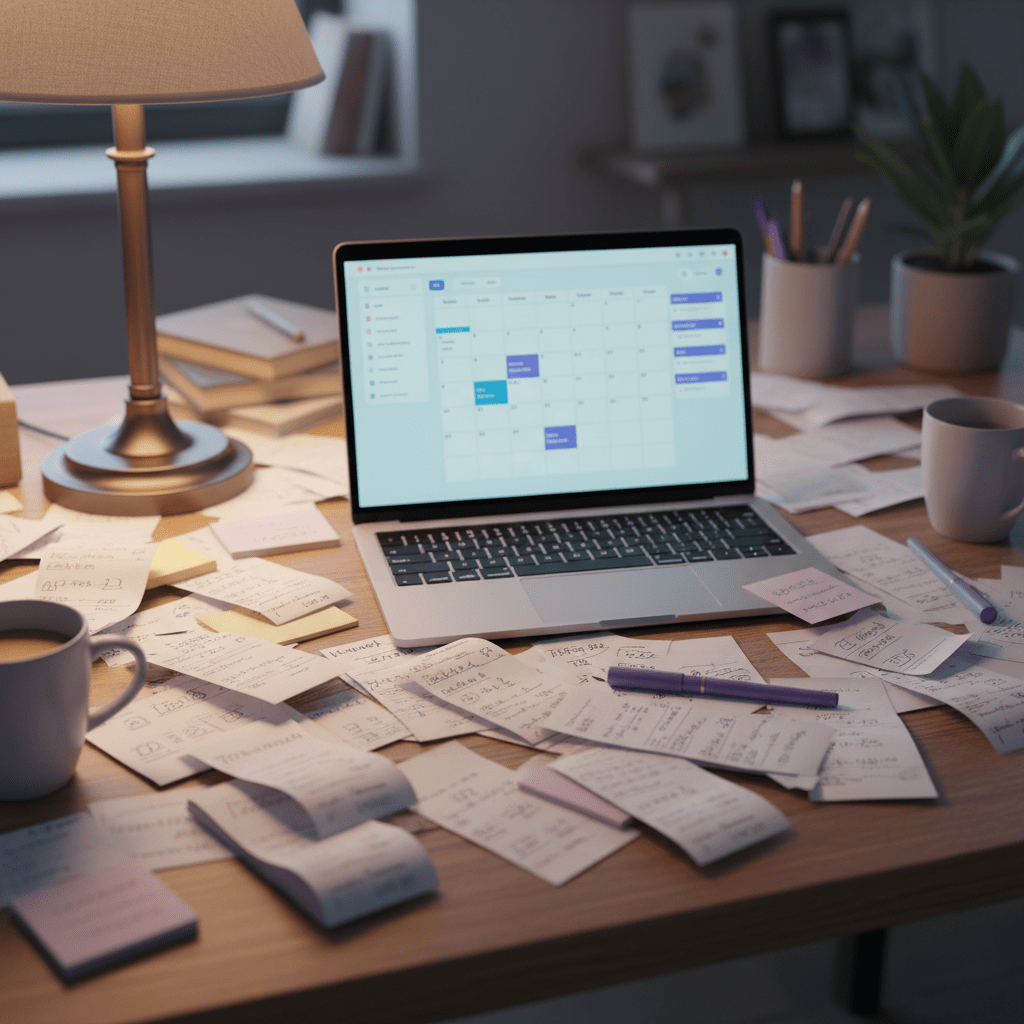
Stop Juggling spreadsheets: Finding the Right Accommodation Booking Software to Boost Your Revenue
You know that sinking feeling when the phone rings late at night? The one where you suddenly realize you might have booked Room 4 twice?
Yeah, we’ve all been there.
Running a small property—whether it’s a cozy B&B, a hostel, or a vacation rental—often feels like a juggling act. You have sticky notes on the monitor, three different spreadsheets open, and you’re constantly refreshing your email to make sure you didn’t miss a reservation. It’s exhausting. And frankly? It’s keeping you from growing.
But it’s not just about the stress. It’s about the cost.
Did you know that for many independent properties, direct bookings only make up about 23% to 41% of total online revenue? The rest? It mostly goes to the big booking sites. In Europe for example, Booking.com grabs a massive 71% of the market share. While we love the visibility, the price tag is heavy. Some estimates suggest hotels are spending huge sums annually just on OTA commissions.
That is money that should be in your pocket.

Here is the good news: you don’t have to work this way anymore. The solution isn’t to “work harder.” It’s switching to the right accommodation booking software.
All-in-one systems, like Ease My Hotel, are designed to clean up this exact mess. They connect your booking engine, your front desk, and your channel manager into one simple dashboard. No more data silos. No more manual entry errors. Just a smooth operation that helps you capture more direct bookings automatically.
So, how do you pick the right one without getting a headache?
In this guide, we’re going to figure that out together. We will cover:
- The key features that actually save you time (not just the shiny ones).
- A no-nonsense comparison of top solutions for 2024.
- A simple framework to choose the best fit for your specific property type.
Ready to ditch the spreadsheets? Let’s dive in.
The Core Components: Must-Have Features in a Modern Booking System
Let’s be honest. Tech jargon is annoying.
You hear terms like “API integration” or “cloud-native infrastructure” and probably want to hide under your front desk. I get it. You just want to book rooms and get paid, not get a degree in computer science.
But here is the thing (and it’s actually pretty simple). Most modern software is built on just three main pillars. If you understand these, you can pretty much ignore the rest of the noise.
Think of it like a house. You need a door for people to enter, a security system to keep things safe, and a living room where everything happens.
1. The Booking Engine (Your Front Door)
This is the most critical tool for your wallet. A hotel booking engine is basically a shopping cart for your website. It allows guests to check your availability and pay you directly.
Remember those commission fees we talked about earlier? This is how you beat them.
When a guest books here, you don’t pay that 15% or 20% cut to a third party. It’s strictly between you and the guest. Plus, you get to own the guest relationship from day one—meaning you can send them a welcome email or an upgrade offer without a middleman blocking you.
2. The Channel Manager (Your Security System)
If you are listing your rooms on Airbnb, Booking.com, and Expedia, you are playing a dangerous game without this tool.
A channel manager software instantly updates your calendar everywhere, all at once.
Let’s say a couple books Room 2 on Expedia for next Tuesday. In the old days, you’d have to sprint to your computer and manually block that date on Booking.com before someone else snatched it. Stressful, right?
A channel manager does that for you in seconds. It syncs your rates and availability automatically, so you never have to worry about that awkward “I’m so sorry, we’re actually full” phone call again.
3. The Property Management System (The Brain)
This is the property management system for accommodations (or PMS for short). It’s where you will spend 90% of your day.
Your PMS handles the nitty-gritty front desk operations:
- The Calendar: A visual drag-and-drop view of who is staying where.
- Guest Communication: Sending automatic confirmations or check-in instructions.
- Billing: Generating invoices and processing payments.
Speaking of payments, the best systems integrate with gateways like Stripe or PayPal. This is huge because it allows for automated billing. According to some industry guides, automated payments and guest messaging are becoming standard to reduce friction during check-out and improve guest satisfaction.
Why You Need Them All Together
Here is where many owners get stuck. They buy a booking engine from Company A, a channel manager from Company B, and try to make them talk to each other.
It usually doesn’t end well.
This is why online reservation systems for small hotels—like Ease My Hotel—are moving toward an “all-in-one” approach. They bundle the engine, the channel manager, and the front desk PMS into one dashboard.
You log in once. You see everything. You drink your coffee in peace.
Now that we know what we need, let’s look at who is actually making the best tools for the job right now.
2024 Accommodation Booking Software Showdown
Okay, so who is actually good at this?
We looked at a ton of platforms. And I’ll be honest, a lot of them are clunky. Or way too expensive. But we narrowed it down to four heavy hitters that are specifically built for small-to-medium properties.
We picked these based on what real users are saying, the features that actually work, and how widely used they are in the industry.
Here are the contenders:
- Cloudbeds: A massive player serving properties in over 150 countries. It’s often seen as the complete package.
- Little Hotelier: Built specifically for small B&Bs and guesthouses (usually under 30 rooms).
- Lodgify: The go-to for vacation rental owners who want a killer direct booking website.
- Eviivo: Known for deep automation and its “one-click” connection to major sites.

Each one has a different “personality.” The right choice depends on whether you run a surf hostel, a luxury villa, or a city boutique.
Let’s break them down.
Ease My Hotel: The Simple, All-in-One Platform Built for Growing Properties
If your goal is to run your hotel smoothly today while staying ready to grow tomorrow, Ease My Hotel is designed with you in mind.
It is a modern, cloud-based hotel management system built for hotels, resorts, homestays, hostels, and small to mid-size chains. Instead of overwhelming you with complexity, Ease My Hotel focuses on clarity, speed, and control—everything you need in one clean dashboard.
Why do hoteliers choose it?
Because it removes daily operational chaos. Reservations, front desk, housekeeping, OTA inventory, and reports all live in one place. No switching between tools. No manual updates. No confusion at shift changes.
Ease My Hotel is especially strong for properties that want enterprise-level functionality without enterprise-level complexity.
The Standout Feature: The Unified Operations Dashboard
This is the heart of Ease My Hotel.
Think of it as a real-time control room for your property. From a single screen, you can:
- See today’s check-ins and check-outs
- Track room availability and housekeeping status
- Manage bookings from your website and OTAs
- Monitor cancellations, modifications, and no-shows
Everything updates instantly across the system. When a room is booked on an OTA, availability adjusts everywhere automatically. When housekeeping marks a room clean, the front desk sees it immediately.
The result is fewer errors, faster operations, and a calmer team.
Built-In Channel Manager (No Extra Tools Required)
Ease My Hotel includes native OTA integration, so you can manage rates and inventory across multiple booking channels from one place. This reduces overbookings, saves time, and keeps your pricing consistent without relying on third-party add-ons.
Designed for Real Hotel Teams
Unlike bloated systems that try to do everything, Ease My Hotel is built around how hotel staff actually work:
- Front desk teams get fast, intuitive workflows
- Housekeeping gets clear room status updates
- Managers get actionable reports without digging through spreadsheets
It scales with you, whether you manage one property or multiple locations, while staying easy to train and easy to use.
Try Ease My Hotel for free.
No lock-in contracts. Cancel anytime
2. Little Hotelier: Tailor-Made for B&Bs and Guesthouses
If Cloudbeds feels like commanding a spaceship, Little Hotelier is more like riding a really reliable electric bike. It gets you exactly where you need to go without all the confusing buttons.
This platform is designed specifically for the little guys—the bed and breakfasts, small guesthouses, and motels that are often run by just one or two people. You know, the kind of owners who cook the breakfast, clean the rooms, and handle the check-ins.
If that sounds like your life, this guesthouse management software might be your best bet.
The Standout Feature: The Mobile App
When you are running a small property, you are rarely sitting behind a desk all day. You are fixing a leaky faucet in Room 4 or running to the grocery store for more milk.
Little Hotelier gets that. Their mobile app is genuinely useful. It lets you manage your entire property from your pocket. You can check guests in, process payments, and close out rooms on Booking.com while you are standing in line at the post office.
Plus, they focus heavily on increasing your revenue. They claim their system can help properties boost direct bookings by up to 43%, which is a massive deal when you are trying to cut down on commission fees.
Who is it for?
This is a classic B&B reservation system. It shines for properties with fewer than 30 rooms. If you have a small inventory and just want things to run smoothly without a steep learning curve, you will fit right in.
The Price Tag
Unlike the complex tiered pricing of larger enterprise systems, Little Hotelier keeps it pretty straightforward. It works on a monthly subscription model, often based on your number of rooms.
Because it’s built for smaller businesses, the pricing is usually manageable for a tighter budget. And honestly? The time you save not fighting with spreadsheets pays for the subscription pretty fast.
The Verdict
It is the king of simplicity. But it does have a ceiling.
If you plan to expand into a hotel chain or need deep, complex reporting tools, you might outgrow it eventually. But for a cozy 10-room inn? It’s a perfect fit.
3. Lodgify: The Vacation Rental Specialist
But what if you don’t actually run a hotel?
Maybe you manage three beach villas, a couple of city apartments, or a cozy cabin in the woods. You don’t have a front desk. You don’t have room service. And you definitely don’t have a receptionist waiting to greet guests at 2 PM.
Using standard hotel software for a vacation rental can feel like wearing a tuxedo to a pool party. It’s just too much, and it fits weird.
Enter Lodgify.
While the other platforms on this list fight over hotels, Lodgify is laser-focused on being the best vacation rental booking software. It understands that your business model is different. You aren’t just selling rooms; you’re selling entire homes.
The Standout Feature: The DIY Website Builder
Most rental hosts are stuck in what I call the “Airbnb Trap.” They rely 100% on listing sites to find guests. That is risky. If the algorithm changes, your business disappears.
Lodgify’s superpower is its website builder.
It allows you to build a professional, direct booking software site in about an afternoon. You don’t need to know how to code. It works a lot like Squarespace or Wix, but it has a booking engine built right in. This is a huge deal because it means you can finally start building your own brand.
And it works. Data suggests that direct websites are now capturing a significant chunk of reservations, sitting right alongside the major platforms. That means more money in your pocket and less paid in commissions.
Automation for the “Ghost” Host
Since you probably aren’t at the property to hand over keys, automation is your best friend.
Lodgify is great at this. It can automatically send check-in instructions, door codes, and welcome guides to guests without you lifting a finger. It also has a “Unified Inbox,” which is a lifesaver. It pulls all your messages from Airbnb, Vrbo, and your own website into one chat stream. No more logging into three different apps just to answer a question about the WiFi password.
Who is it for?
This is the go-to choice for property managers.
If you manage homes for other people, you will love the “Owner Management” tools. It handles the messy math of calculating how much to pay the property owner at the end of the month, which can save you hours of headache.
The Price Tag
Lodgify runs on a subscription model, which is pretty standard.
But here is a tip: watch out for the booking fees. On their lower-tier plans, they might charge a small percentage on bookings you receive. If you are doing high volume, it is usually worth paying for the “Professional” plan to remove those fees. Do the math before you sign up.
The Verdict
If you want to look professional and break free from relying solely on Airbnb, this is your tool. It’s not a full-blown hotel system, but for vacation rentals, it’s exactly what you need.### 4. Eviivo: The Award-Winning Automation Suite
But what if your property defies the usual categories?
Maybe you run a historic castle, a glamping site with yurts, or a pub with a few rooms upstairs. You aren’t exactly a hotel, but you aren’t just a simple mix of rentals either.
For the folks with unique setups (“quirky,” as we like to say), Eviivo is often the answer.
It is best known as a heavy-hitter in the channel manager software space. While other systems make you manually map every single room type to Expedia or Booking.com—which creates a huge risk for errors—Eviivo has a “one-click” connection.
It handles deep, two-way synchronization of not just rates, but photos, policies, and amenities. It basically tells the big booking sites exactly what you are, so you don’t have to constantly update your listings by hand.
The Standout Feature: Eviivo Suite
This is their all-in-one dashboard. It is designed to automate the stuff you hate doing.
We are talking about automating guest emails, processing payments, and even handling taxes. The goal here is to let you run a business, not an admin office.
Who is it for?
It is perfect for multi-unit properties that are a bit complex. If you have different room types, seasons, or rules, Eviivo handles that complexity better than most basic online reservation systems for small hotels.
The Price Tag
Here is where you need to pay attention.
Eviivo typically operates on an all-inclusive subscription model, which is nice because you aren’t getting nickeled and dimed for every booking.
But… (and it’s a big but).
It often requires a contract—usually 12 months. Unlike some of the other tools where you can cancel next month if business slows down, Eviivo wants a commitment.
The Verdict
It is powerful. Maybe a little too powerful for some.
Because it does so much, the interface can be a lot to take in. Some users report a steeper learning curve compared to simpler tools. But if you are willing to learn it, it’s a workhorse.
So, Where Does That Leave You?
We’ve looked at the heavyweight (Cloudbeds), the simple B&B tool (Little Hotelier), the rental specialist (Lodgify), and the automation beast (Eviivo).
But here is the reality: sometimes you don’t fit perfectly into any of those boxes. Maybe you want the all-in-one power of Cloudbeds but find the price scary. Or you want the simplicity of Little Hotelier but manage more than just a B&B.
This is exactly where newer, agile players like Ease My Hotel are carving out their space. They focus on bringing that “enterprise” level connectivity (HRM, restaurant management, and booking engine) down to earth for independent owners who just want a single dashboard that works, without the 12-month handcuffs or the steep learning curve.
At the end of the day, the “best” software isn’t the one with the most awards. It’s the one that actually fits your workflow.
At a Glance: Feature Comparison Table
If your head is spinning a bit after reading all that, don’t worry. It happens.
Comparing software is kind of like comparing apples to… well, spaceships. They all do something different. So, let’s make this simple.
Here is a cheat sheet to help you see how these online reservation systems for small hotels stack up side-by-side.
| Software | Who It’s Best For | Pricing Model | The “Killer” Feature |
|---|---|---|---|
| Ease My Hotel | Small to Mid-size Hotels, Resorts & Homestays | Monthly / Annual Subscription | Unified All-in-One Operations Dashboard |
| Little Hotelier | Small B&Bs (<30 rooms) | Monthly Subscription | Mobile App |
| Lodgify | Vacation Rentals | Subscription (+ fees sometimes) | DIY Website Builder |
| Eviivo | Unique / Multi-unit properties | Annual Contract | “One-Click” Automation |
What we compared (and why it matters)
We focused on three things that usually cause the most headaches:
- Target Audience: Because a surf hostel needs different tools than a luxury villa.
- Pricing: Some tools charge a flat monthly fee. Others want a percentage of your bookings or lock you into a long contract. You need to know that upfront.
- The “Killer” Feature: This is the one thing that makes the software worth the money.
Getting this choice right is a big deal for your bottom line. Actually, implementing the right property management system for accommodations can boost your total revenue by 5% to 15%. That is money you definitely don’t want to leave on the table.
How to Choose the Right Software: A 3-Step Decision Framework
Feeling a bit overwhelmed?
That is totally normal. We just threw a lot of names and features at you. Choosing software feels a lot like picking a movie on Netflix—there are so many options that you end up just staring at the screen for 20 minutes.
But we can fix that analysis paralysis.
You don’t need to look at every single online reservation system for small hotels on the market. You just need to look at your business.
Here is a simple, three-step plan to make the right call without losing your mind.

Step 1: Audit Your Actual Needs (Be Ruthless)
Before you look at one more sales page, grab a pen and a piece of paper.
Most owners make the mistake of buying software based on what they might do in five years. They buy the fancy enterprise system because they dream of owning a hotel chain, but right now, they just have a 5-room guesthouse.
That is how you end up paying for a Ferrari when you only need a station wagon.
Make a checklist of your daily headaches:
- The Inventory: How many units do you actually have? (Is it 5 rooms or 50?)
- The Extras: Do you have a restaurant or a coffee shop on-site? If yes, you need a system that talks to your kitchen, like the restaurant management tools found in Ease My Hotel.
- The Staff: Is it just you? Or do you have cleaners and receptionists who need their own logins?
Be honest about your “must-haves” versus your “nice-to-haves.”
If you spend 2 hours a day manually typing guest names into invoices, then an automated billing feature isn’t a luxury—it’s a requirement.
Step 2: Evaluate the Real Cost (Watch for hidden fees)
Let’s talk money.
Pricing pages are often designed to be confusing. You see “$49/month” and think, “Great, I can afford that.” But then the bill comes, and it’s double that amount.
When budgeting for a property management system for accommodations, you have to look at the Total Cost of Ownership.
Here is what to watch out for:
- Commissions: Some software looks cheap upfront but takes 1% or 2% of every direct booking. If you are doing high volume, that gets expensive fast.
- Onboarding Fees: According to migration experts, some providers charge setup or onboarding fees just to get your account running.
- Contracts: Remember Eviivo? Some require a 12-month commitment. If you are a seasonal business that closes for winter, paying for a full year might hurt.
However, don’t just look at the expense. Look at the return.
Implementing a modern system isn’t just a cost; it actually makes you money. Research suggests that the right setup can increase your total revenue by 5% to 15%.
How? mainly by stopping overbookings and freeing you up to focus on marketing.
Step 3: The Test Drive (Don’t Skip This)
You wouldn’t buy a car without driving it around the block, right?
Never buy software based on screenshots alone. Most reputable companies—whether it’s big players like Cloudbeds or agile all-in-one solutions like Ease My Hotel—will offer a free demo or a trial period.
Use it.
But don’t just click around aimlessly. When you get on a call with a sales rep (or a “product specialist” as they like to be called), ask the tough questions that actually matter to your day-to-day life:
- “Walk me through a reservation modification.” (If it takes 15 clicks to change a guest’s dates, run away.)
- “What happens if my internet goes down?”
- “How do I migrate my old data?” (Moving data is tricky; you want to know if they help with the audit and mapping process.)
- “Can you show me the mobile view on your actual phone right now?”
The goal is to find a system that feels natural to you.
If the software feels confusing during the demo, it’s going to be a nightmare at 10 PM on a Friday when a guest is waiting to check in.
Your Next Step: From Research to Reservation
Look, we just covered a lot of ground.
From giant enterprise systems to simple apps for cozy B&Bs, the options for accommodation booking software can feel endless. It’s easy to feel like you need to pick the “perfect” one immediately.
But here is the truth.
The best software isn’t necessarily the most expensive one. It is the one that solves your specific headache. Whether that is stopping double bookings or finally getting your restaurant and front desk talking to each other.
Why does this matter right now?
Because the industry is shifting fast. Experts predict that seeing direct bookings hit 50% market share by 2025 is a real possibility. That is a massive opportunity to capture commission-free revenue. Plus, simply getting organized with the right system can boost your total revenue by 5% to 15%.
That is money you are currently leaving on the table.
So, don’t let analysis paralysis win. Pick two options from this list. Maybe you check out a specialist like Lodgify, or you test drive a flexible all-in-one solution like Ease My Hotel that unifies your operations without the complexity.
Go book the demo. Ask the tough questions. Make them show you how it works on a mobile phone.
Your future self—the one not drowning in spreadsheets at midnight—will thank you.
Try Ease My Hotel for free.
No lock-in contracts. Cancel anytime