

Introduction: Beyond OTAs – The Untapped Potential of Local Alliances
Ever look at a near-empty lobby on a Tuesday and think, “Where did everybody go?” Yeah, hotels feel that pain all the time. The race to increase hotel bookings can get messy fast, especially when so much business flows through OTAs that take a chunky cut. Hotels often pay around 15% to 30% in OTA fees, and the real cost can climb even higher once you add promos and lost upsells. That adds up in a hurry, especially for smaller properties trying to boost hotel occupancy without bleeding cash.
But here’s the good part. You don’t have to depend only on big booking sites to get more hotel reservations. Local business collaboration for hotels can open a smarter path. Think restaurants, tour guides, wineries, gyms, event spaces, and even the ice cream shop down the street. These hotel marketing ideas do more than fill rooms. They can also improve the guest stay, bring in fresh faces, and help drive direct bookings for hotels.
And travelers want that. They like local, real-feeling trips. So a stay that comes with a chef dinner, a museum pass, or a kayak ride can feel way more memorable than a plain room rate. That’s a big deal for improving hotel revenue, because guests often choose experiences over just a bed.
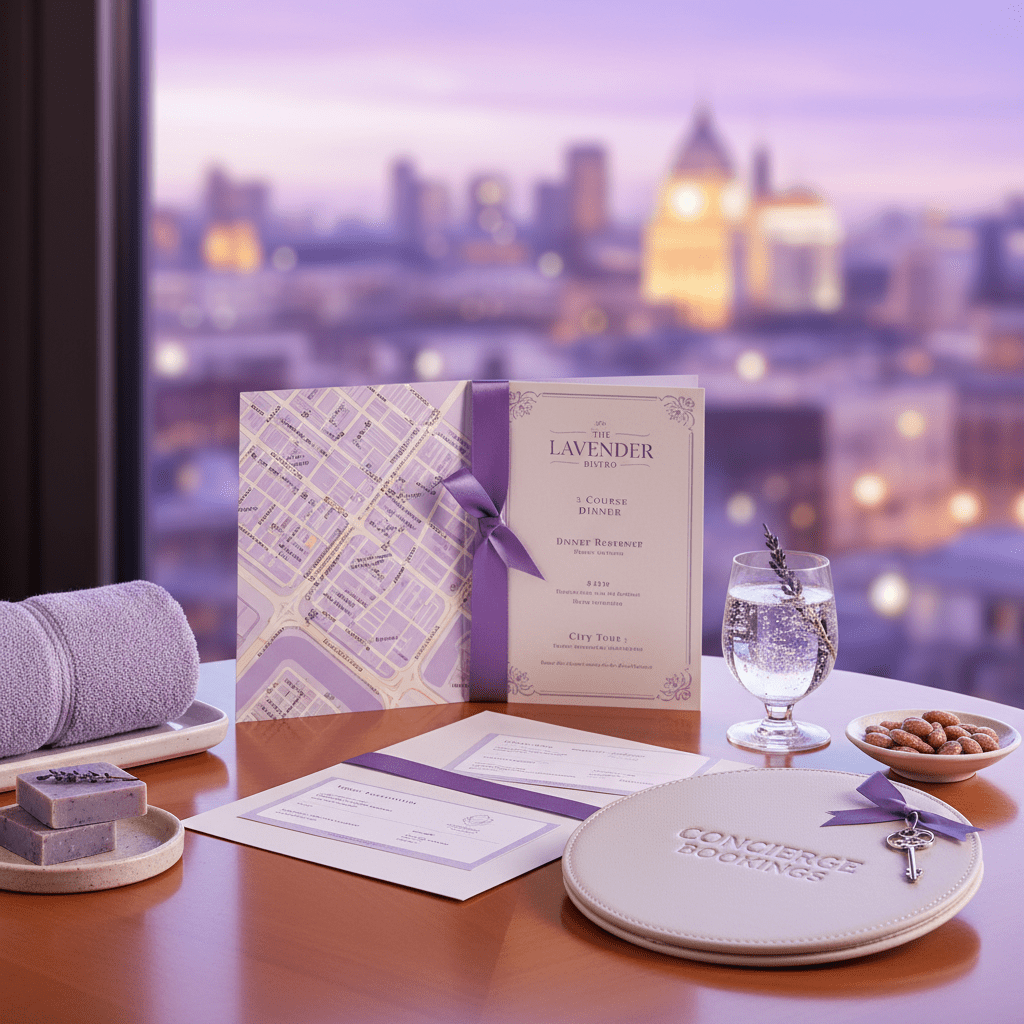
Here’s a visual of the idea in action: a hotel stay paired with a memorable local experience.
In this guide, we’ll walk through how to increase hotel bookings with local partnerships that actually work. You’ll see how to find the right partners, pitch a deal that helps both sides, and market the package so it gets noticed. Plus, we’ll talk about simple ways to track what’s working, so you can keep the good ones and drop the weak ones. No fluff. Just real strategies for filling hotel rooms and attracting more guests.
If your team uses Ease My Hotel, this gets even easier. A clean booking system, guest messaging, and channel tools can help you keep the whole thing organized without extra chaos. And trust me, when the front desk isn’t juggling five sticky notes and a phone call from a partner, everybody breathes a little easier.
Why Local Partnerships are a Goldmine for Increasing Hotel Bookings
Picture two hotels on the same street. One runs the usual room-only offer. The other bundles a sunset boat ride, a dinner at the corner bistro, and a late checkout. Which one feels worth more? Pretty easy call.
That’s the real power of local business collaboration for hotels. It gives you more ways to attract more guests without leaning so hard on OTAs and their fees. Hotels often hand over 15% to 30% of each OTA booking, and the real cost can go higher once you count discounts, placement fees, and missed upsells. By building direct partnerships, you can drive direct bookings for hotels and keep more of each sale in-house.
And the money side is only half of it.
Local deals can also create fresh revenue streams. Think dining credits, spa add-ons, bike rentals, tour passes, or artisan gifts sold through your front desk. That kind of package helps boost hotel occupancy and improves hotel revenue because guests spend more across the stay, not just on the room. It also gives you a more cost-friendly marketing channel. A partner shoutout on Instagram or a co-branded flyer in a popular cafe can cost way less than another paid ad campaign.
Here’s the guest side, which matters just as much. People want trips that feel local and real. They want the kind of stay they can’t grab from a plain OTA listing. A chef-led tasting, a surf lesson, or a walking tour of the old town turns a room into a memory. And memory sells. Guests are often happy to pay a little more for that kind of experience, which helps justify higher rates and keeps your offer from feeling generic.
That’s also where independent hotels can punch above their weight. Big chains have size. You can have charm, speed, and local ties. A strong partnership plan becomes your edge. It tells travelers, “This place gets the neighborhood.” That’s a pretty strong message in a crowded market.
If you want the short version: the best hotel marketing ideas don’t just fill beds. They give guests a better story to tell, and they give your team a smarter way to increase hotel bookings without giving away so much margin.
How to Identify the Perfect Local Partners for Your Hotel
You know that feeling when a great idea is sitting right there… and you just need the right people to make it work? That’s local partnerships in a nutshell.
The trick is not chasing every business nearby. That gets messy fast. Instead, think in buckets so you can spot the best fits for your hotel and your guests.
| Partner group | Good examples | What they can add |
|---|---|---|
| Food & Drink | restaurants, breweries, cafes | dining credits, tasting menus, drink vouchers |
| Activities & Fun | tour guides, museums, theaters, surf schools | tickets, guided trips, local experiences |
| Corporate | nearby offices, tech firms, hospitals | weekday stays, meeting demand, repeat bookings |
| Events | wedding planners, venues, conference hosts | room blocks, guest lists, package sales |
That simple split helps you find where to increase hotel bookings without guessing. A breakfast spot down the street may be perfect for a stay-and-dine package. A museum might work better for weekend guests. And a wedding planner can send you room blocks that fill dates you might otherwise struggle with.
Here’s the deal. Pick partners who match your hotel’s vibe. A boutique stay with local art probably fits better with a gallery or wine bar than a fast-food chain. Also check if your guest lists overlap. If your hotel serves business travelers, a local coworking space or fitness studio might be a smarter match than a tour boat.
Before you reach out, do a quick check:
- Do their reviews look solid?
- Does their brand feel like yours?
- Would your guests actually use the offer?
- Are they open to sharing the load?
- Can they promote too, not just take?
And don’t skip the little stuff. A business can look great on Instagram and still be a bad fit in real life. Weird, right? But it happens.
For first contact, keep it easy. Buy lunch there. Chat with the owner. Follow them on social media and comment like a real human, not a sales bot. You can also show up at chamber of commerce meetings or local tourism events, where people are already open to local business collaboration for hotels.
I’d start small. A coffee chat. A test offer. Maybe one social post together. That low-pressure step can lead to stronger local partnerships, better ways to attract more guests, and a cleaner path to drive direct bookings for hotels.
If you’re using Ease My Hotel, it’s even simpler to keep the offer organized, since your booking management, guest messages, and channel tools live in one place. Less tab-hopping. More actual progress.
Crafting Mutually Beneficial Partnership Proposals
Ever tried asking for a favor before showing the other side what they get out of it? Yeah… that usually goes nowhere.
That’s the big thing with local business collaboration for hotels. If you want to how to increase hotel bookings with partner deals, the proposal can’t just be, “Help us fill rooms.” It has to answer one simple question first: what’s in it for them?
For a restaurant, that might mean new diners on slow nights. For a tour guide, it could mean more ticket sales. For a spa, maybe a steady stream of guests who want a massage after check-in. And for your hotel, it means better ways to attract more guests, boost hotel occupancy, and drive direct bookings for hotels without leaning so hard on OTAs.
What a good proposal should include
Keep it clear. Keep it short. No fancy fluff.
| Part of the proposal | What to say |
|---|---|
| Shared goal | Fill rooms, bring in local traffic, or raise package sales |
| Offer details | What the guest gets, like dinner credit, tickets, or a perk |
| Marketing plan | How both sides will promote it |
| Success measure | Bookings, clicks, redemptions, or extra sales |
That table might look simple, but it saves a ton of back-and-forth. And honestly, nobody wants to read a six-page pitch deck just to try a breakfast package.
Here’s a smarter move. Start small. Really small.
A cross-post on Instagram. Brochures at the front desk. A flyer in the cafe next door. Maybe a weekend test package with one local partner before you build a full bundle. That low-risk pilot helps both sides feel things out before anyone commits to a bigger deal.
Plus, small tests make trust easier. If the offer works, you’ve got proof. If it flops, you haven’t burned the bridge. That matters more than people think.
One thing I’ve noticed: the best proposals sound human. Not pushy. Not stiff. They say things like, “We think our guests would love your tasting menu, and we’d be happy to send traffic your way too.” That’s a lot better than a cold email asking for free stuff.
And if you already use Ease My Hotel, you can keep the whole thing cleaner on your side. Booking management, guest messages, and your channel tools all sit in one place, so it’s easier to track the package without losing your mind in spreadsheets. Because nothing says “fun partnership” like hunting for details in five tabs from 1997.
If you want the proposal to land, remember this: make it easy to say yes. Show the win for them. Show the win for you. Then start with one tiny step and build from there.
5 Proven Partnership Models to Boost Hotel Occupancy
1. The Stay & Dine Package
This one is a classic for a reason. People love food. Shocking, I know.
Pair your rooms with a nearby restaurant and give guests a dinner credit or a fixed-price menu. It feels easy, local, and a little more special than a plain room rate. A guest books your hotel, eats at the bistro down the street, and both of you win. That’s a nice little loop.
This model works well for weekend travelers, couples, and short city breaks. It also helps you attract more guests without leaning so hard on OTAs. And because food is part of the trip, you can often charge a bit more for the package than for the room alone. That helps with improving hotel revenue in a way that feels natural, not pushy.
A simple setup might look like this:
- One-night stay
- $50 dining credit or prix-fixe dinner
- Late checkout
- A co-branded booking page
Pretty simple. Pretty sellable.
2. The Adventure & Experience Bundle
You know that feeling when a trip turns into a story? That’s what this package is for.
Work with tour guides, cooking schools, surf coaches, boat operators, or bike rental shops. Build a bundle around what guests actually want to do in your area. A coastal hotel might pair a room with kayaking. A city hotel could team up with a food tour or a museum pass. A mountain stay might include a hike and breakfast-to-go. You get the idea.
This is one of the better strategies for filling hotel rooms because it gives guests a reason to book now instead of later. It also helps justify a higher price. People will pay more for something that feels local and memorable. According to American Express travel trend data, 83% of travelers prioritize unique, authentic experiences over popular tourist spots, so this kind of offer lines up with what many guests already want.
If you’re testing this, start with one partner and one clear activity. Don’t pile on five extras right away. That gets messy fast.
3. The Corporate Traveler Program
Midweek business can save a lot of stress.
Local offices, hospitals, tech firms, law firms, and project teams often need repeat stays for employees, clients, and visiting partners. If you build a preferred rate program with a few nearby businesses, you can drive direct bookings for hotels during slower days. That’s the sweet spot.
This model usually works best when you make booking easy. Fast quotes. Simple billing. A known point of contact. Maybe breakfast included, maybe parking too. Nothing fancy. Just fewer steps.
It also helps to offer small perks that business travelers actually use:
- Early breakfast
- Quiet rooms
- Laundry service
- Flexible checkout
- One invoice for the whole company
And if your property uses Ease My Hotel, this gets easier to keep tidy. You can manage booking details, guest messages, and channel tools from one place, which is a relief when you’ve got repeat corporate stays rolling in.
4. The Local Events & Festivals Alliance
This is where room blocks can do real work.
Weddings, music festivals, conferences, school reunions, sports weekends… all of these can bring a pile of bookings at once. The trick is to get in early and work with the organizer, venue, or planner before people start hunting for rooms on their own.
A solid event partnership can help boost hotel occupancy fast. It can also keep guests from booking somewhere random across town. Better for them. Better for you.
Try offers like these:
| Event type | Best hotel offer |
|---|---|
| Weddings | room block, shuttle service, bridal suite perk |
| Festivals | flexible cancellation, group rates, late checkout |
| Conferences | weekday corporate rate, meeting space, breakfast package |
| Sports events | early breakfast, gear storage, group booking support |
The nice part is that these deals often create a burst of demand that’s easier to predict than regular leisure traffic. You still need to market them well, but the group itself can do a lot of the heavy lifting.
5. The In-Hotel Showcase
OK, this one is actually pretty fun.
Bring the local scene inside your property. Partner with artisans, breweries, wineries, bakeries, candle makers, or bath product brands. You can host tastings in the lobby, put local snacks in minibars, or sell handmade goods at the front desk. Some hotels even set up tiny pop-up shops. Cute idea, right? But it also makes money.
This model gives you extra guest spend without needing a full new package every time. It also creates a stay that feels tied to the neighborhood, which people remember later. And memory matters when guests decide where to book next.
A few easy in-hotel ideas:
- Local beer or wine tasting night
- Mini artisan market in the lobby
- Room minibar with local snacks
- Handmade soap or candle add-ons
- Live music from a nearby jazz trio
If you want the partner angle to feel smooth, keep it simple for the business too. Let them bring the goods, the story, or the talent. You handle the guest flow.
These five models are a strong starting point if you’re figuring out how to increase hotel bookings without always paying more to OTAs. The best one for you depends on your guest mix, your location, and what your team can actually support day to day. Start with one. Test it. Then build from there.
And if you’re using Ease My Hotel, you can keep those partnerships from turning into sticky-note chaos. The system helps centralize booking management, guest communication, and channel control, so your local offers stay organized while you focus on filling rooms.
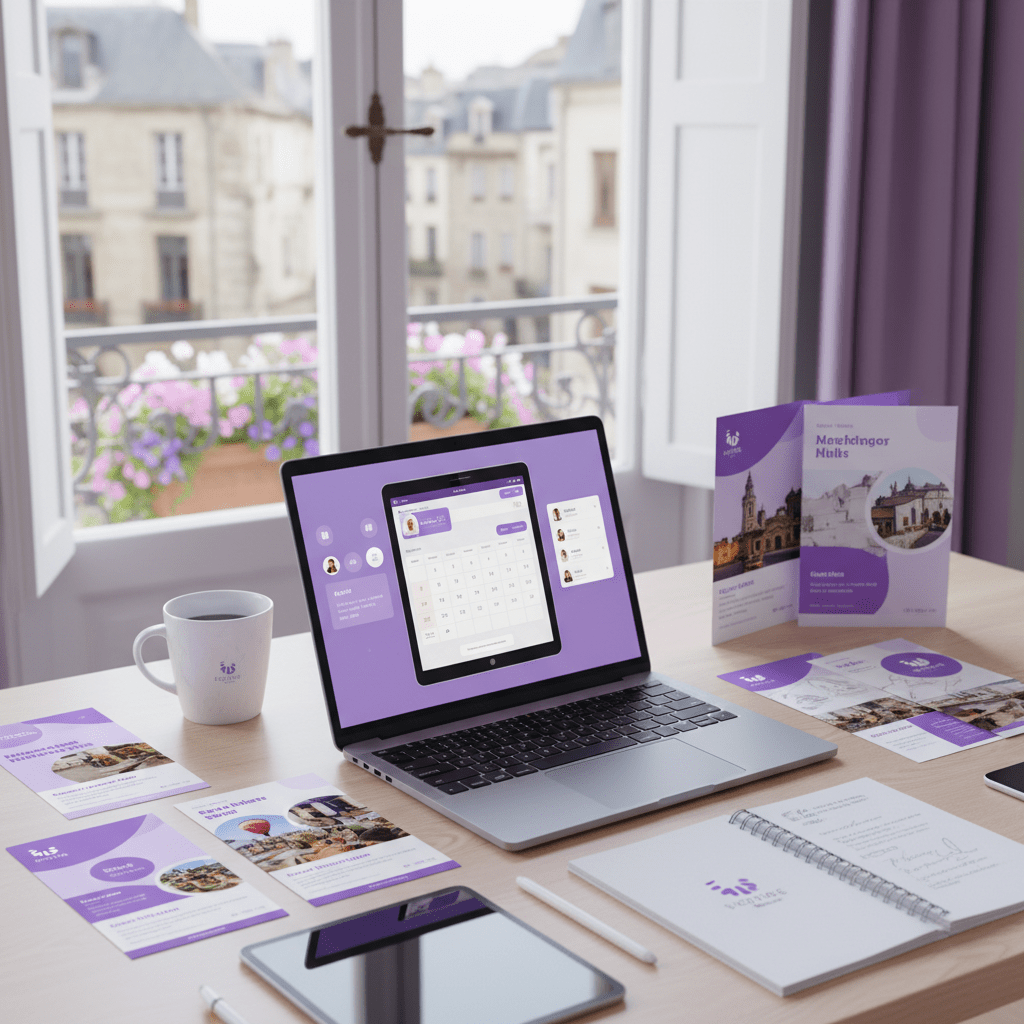
Here’s a visual of a property bringing local partners into the guest experience.
Try Ease My Hotel for free.
No lock-in contracts. Cancel anytime
How to Market Your Partnership Packages to Attract More Guests
A great package can sit on your website all week and still get ignored. Annoying, right? That usually happens when the offer is good but the marketing is sleepy.
The fix is pretty simple. Show the package in a few places, make it easy to book, and keep the message clear. If you want to know how to increase hotel bookings with local business collaboration for hotels, this part matters just as much as the deal itself.
Use your own channels first
Start with a dedicated landing page for each package on your hotel website. Not one catch-all page. One page per offer. That way, guests can see the room, the local perk, the price, and the dates without clicking around like they’re lost in a maze.
Put a few strong photos on the page. A dinner table with warm light. A spa treatment room. A kayak on calm water at sunset. Real visuals help people picture the stay, and that’s half the battle.
Then send the offer to past guests by email. People who already stayed with you are often the easiest group to bring back. A short note works best. Something like:
- We thought you’d like this local stay package
- Here’s what’s included
- Book direct and save the extra fee
Also post it on social media. Short video clips do well. A 15-second room tour, a chef plate-up, or a quick walk to the partner venue can do more than a stiff graphic ever will. Keep it honest and simple.
Borrow your partner’s audience too
This is where co-marketing really helps. Your partner should post the package on their website, social pages, and inside their business too. A flyer at the checkout counter. A menu insert. A small card by the register. Old school, but it works.
And if they already have loyal regulars, that’s gold. A neighborhood restaurant can send you people who trust them. A winery can do the same. So can a museum, bike shop, or yoga studio. That kind of sharing helps you get more hotel reservations without paying for every click.
A few easy partner promo ideas:
| Partner channel | What to place there |
|---|---|
| Website | package link and booking button |
| Social media | shared photos, reels, and short guest stories |
| Physical location | flyer, tent card, menu note, or counter card |
| Email list | quick mention with one strong image |
The best part? The message feels local, not forced. And travelers love that. As of 2024, American Express says 83% of travelers want unique, authentic experiences over popular tourist spots, so this kind of co-marketing lines up with what many guests already want.
Train your front desk team
This part gets skipped way too often. But your front desk and reservations team can make or break the package.
If they don’t know what’s included, they won’t sell it well. If they don’t sound sure, guests won’t bite. Simple as that.
So give them a short cheat sheet:
- What the package includes
- Who it fits best
- What it costs
- What makes it different from a plain room rate
- How to mention it at booking and check-in
Teach them to say the benefit, not just the feature. Not “want a dinner credit?” Try “want to turn this into a local night out?” That small shift can help improve hotel revenue without feeling pushy.
Front desk upsells work best when they sound like an invitation. Friendly. Natural. Not salesy. And if your team uses Ease My Hotel, they can keep package info, guest notes, and booking details in one place, which makes training a lot easier.
The short version? Market the package everywhere your guests already look, let your partner share the load, and make sure your staff can talk about it without stumbling. That’s how you turn a local deal into a real booking tool.
Measuring Success and Nurturing Long-Term Relationships
You know that nice feeling when a package finally starts booking? Great. But the real win is making it keep working next month, and the month after that.
If you want to know how to increase hotel bookings with local business collaboration for hotels, you’ve got to track what’s actually happening. Not guesses. Real numbers.
Start with a few simple KPIs:
| KPI | What it tells you |
|---|---|
| Packages sold | How many guests picked the offer |
| Referral traffic | How many visitors came from the partner’s site, tracked with UTM codes |
| Guest feedback | Whether people mention the experience in reviews |
| Occupancy impact | If the partnership helped fill more rooms |
| Direct booking share | Whether you’re getting more bookings without OTA fees |
That last one matters a lot. Hotels often lose around 15% to 30% per OTA booking, so even a small shift toward direct bookings can make a real difference in improving hotel revenue.
But numbers alone won’t keep a partnership healthy.
Set a regular check-in, usually once a quarter. Keep it casual. Ask what’s working, what feels clunky, and what guests are saying. Maybe the restaurant is getting more diners, but the booking page is confusing. Maybe the tour partner wants more lead time. Small fixes like that can save a good deal.
And don’t let the relationship live only on paper. Feature partners in your newsletter. Invite them to a staff familiarization night. Celebrate shared wins on social media when a package does well. That kind of attention makes people want to keep going.
Here’s the thing. Good partnerships feel like a long game, not a one-off swap. When both sides feel seen, they’re more likely to bring new ideas, promote harder, and help you attract more guests over time.
So yes, track the data. But also send the thank-you note. Share the post. Raise a toast when the weekend bundle sells out. A little warmth goes a long way.
If you’re using Ease My Hotel, it’s easier to keep tabs on bookings, guest messages, and channel activity in one place, so you can spot what’s working without digging through messy spreadsheets. That leaves more time for the fun part: growing the relationship and building the next package together.
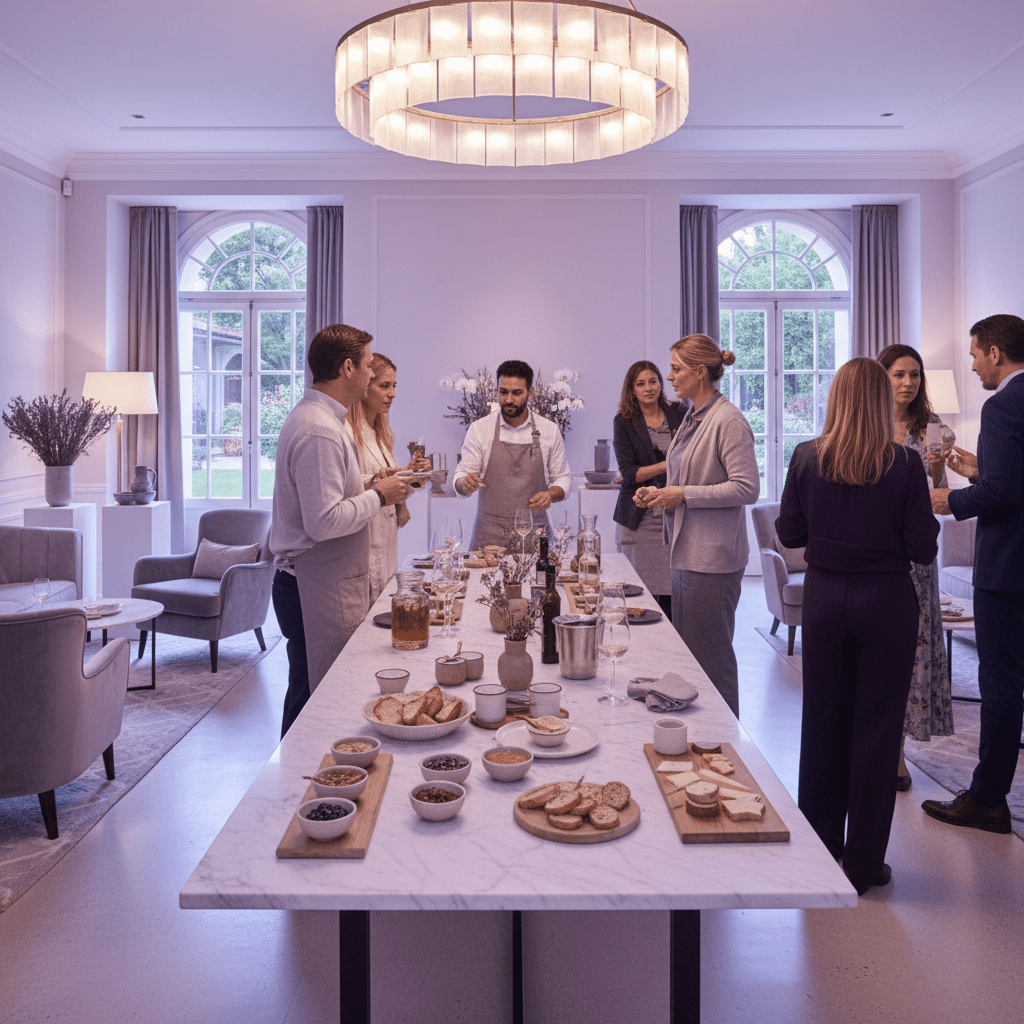
Here’s a visual cue for the long-term payoff: a polished hotel collaboration event that feels repeatable and premium.
Conclusion: Transform Your Hotel from a Place to Stay to a Destination to Experience
So here’s the big idea. Hotels don’t have to fight for every booking the hard way. Local business collaboration for hotels gives you a cleaner path to increase hotel bookings, boost hotel occupancy, and drive direct bookings for hotels without handing over so much to OTAs. Since hotels often lose 15% to 30% per OTA booking, that shift can make a real difference in improving hotel revenue (OTA commission rates and hidden costs).
The steps are pretty simple. Find the right local partners. Make a proposal that helps both sides. Share the offer on your site, email, social posts, and at the front desk. Then watch the numbers and keep the good ones going. That’s how you build strategies for filling hotel rooms that feel useful, local, and a lot less generic.
And guests want this. They keep showing they care about real, local experiences over plain tourist stuff. So this isn’t just a cute add-on. It’s a smart hotel marketing idea that can help your property stand out and attract more guests.
Your next move? Pick three local businesses from the checklist in this guide and reach out to one this week. One coffee chat. One test offer. One small start. That’s enough to begin.
If you use Ease My Hotel, you can keep the whole thing tidy while you grow it. Booking management, guest messages, and channel tools in one place. Less mess. More room for the good stuff.
Try Ease My Hotel for free.
No lock-in contracts. Cancel anytime