
Stop Paying High Commissions: The Direct Booking Strategy That Works
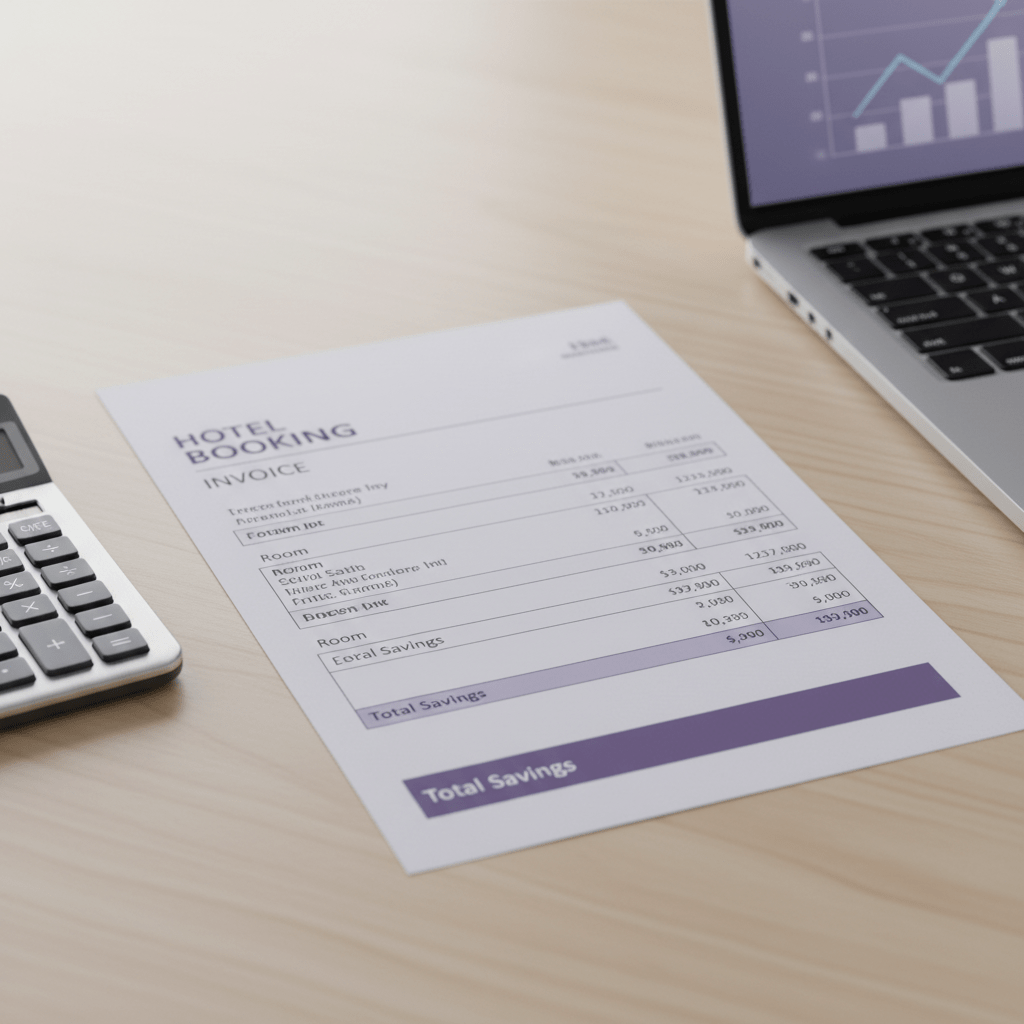
Ever looked at a hotel invoice and felt your stomach drop? Yeah, that little fee adds up fast.
Hotels often pay 15% to 25% in OTA commission for each booking, and some deals climb even higher once you count loyalty perks and extra visibility fees. That means a room sold through an online travel agency can cost a lot more than a direct one. Plus, direct bookings usually run at about 2% to 3% in payment processing fees instead. Big gap. Real money.
But here’s the part many hotels miss: the problem is not just the commission. A clunky booking flow can send guests packing before they ever hit “reserve.” Travel sites see cart abandonment rates near 82%, and hotel websites often convert around 2.4%. So if your booking path is slow, confusing, or full of extra steps, people will leave and book somewhere else. Fast.
The good news? A user-friendly hotel booking process can change that. When you improve hotel booking experience, simplify the steps, and make the total price easy to see, you can increase hotel direct bookings, reduce OTA reliance for hotels, and keep more profit in-house. And you keep the guest relationship too. That part matters more than people think.
So if you’ve been wondering how to get more direct hotel bookings, start here. The booking engine itself might be the biggest lever you’ve got.
Why this matters more than another promo code
A discount can help for a day. A smooth booking flow can help every day.
Actually, wait – there’s a better way to think about it. Guests don’t just want a lower price. They want a process that feels easy, safe, and quick, especially on mobile. And if your site makes that hard, they won’t stick around to admire your nice photos.
That’s where hotel booking engine optimization comes in. Clean pages, clear rates, fewer form fields, and simple payment options can all help your hotel website conversion rate. It’s not flashy. But it works.
The short version:
- OTAs take a big cut
- Guests quit bad checkout flows
- Direct booking wins on profit and control
And once you fix the flow, the rest of your direct booking strategies get a lot stronger. Better offers. Better timing. Better results.
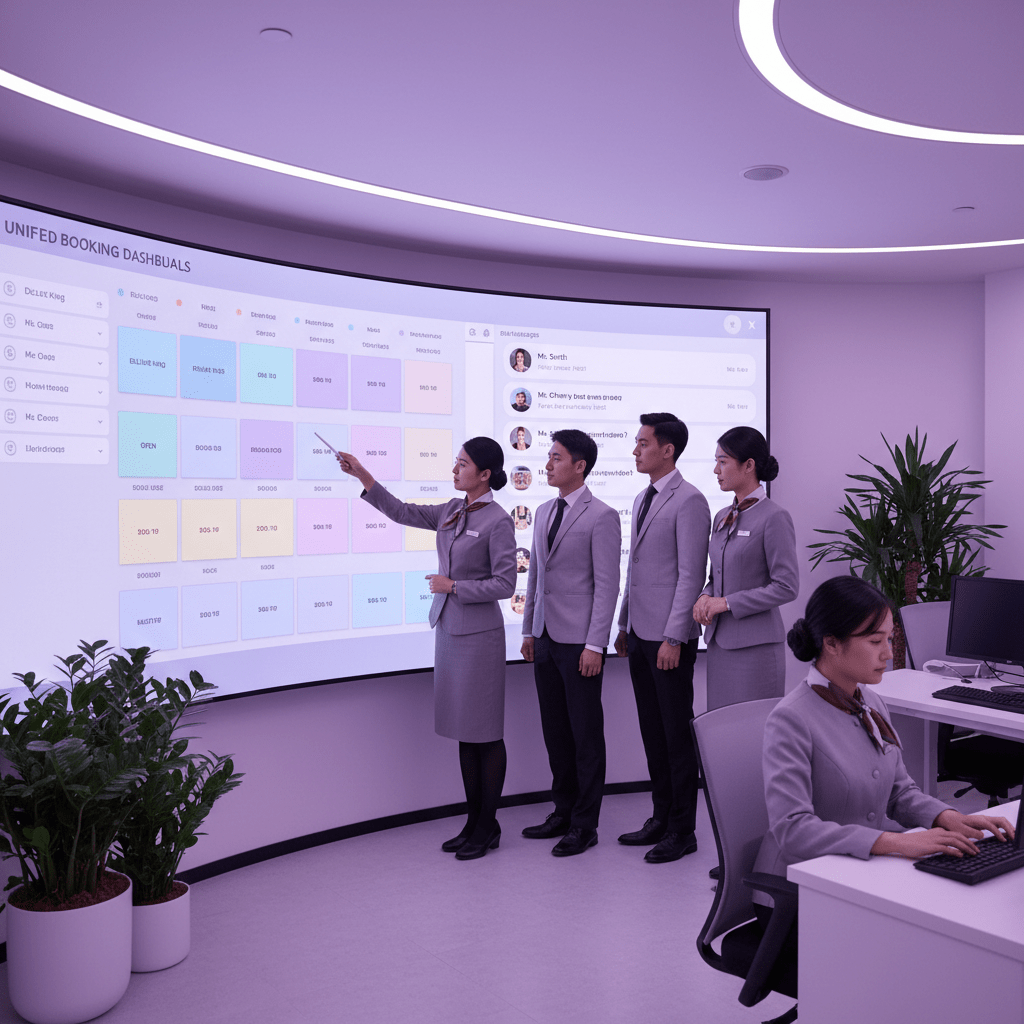
If you’re using a system like Ease My Hotel, this is also where a central dashboard helps. You can manage booking requests, guest messages, OTA sync, and property data from one place, which makes the whole process feel less messy for your team and less annoying for guests.
That’s the real goal here. Fewer drop-offs. More bookings. Less headache.
1. The True Cost of Friction: How a Poor Booking Experience Sinks Revenue
You know that moment when you start a hotel booking, then quit halfway through because the form feels never-ending? Guests do that all the time. And they don’t always come back.
A clumsy hotel booking process can hurt in a few very plain ways:
- Too many steps make people lose patience
- Slow pages make mobile users bail fast
- Hidden fees make trust disappear
- Forced account creation adds one more reason to leave
That last one gets people more than hotels think. If someone has to make an account before they can book a room, a lot of them just shrug and go book somewhere else. Simple as that.
And the money part? Ouch. A poor booking flow doesn’t just lower your hotel website conversion rate. It also damages your brand. Guests remember the pain. They tell friends. Some leave without booking, then show up on an OTA later where you pay a big commission anyway. Not exactly a win.
Travel booking abandonment is around 82%, and that’s a huge clue. If your site is hard to use, you’re probably losing real bookings before they ever reach the finish line cart abandonment stats from VWO.
What booking abandonment means
Booking abandonment is just the number of people who start booking but don’t finish.
Here’s a basic way to calculate it for your own site:
Booking abandonment rate =
(Bookings started - Bookings completed) ÷ Bookings started × 100
So if 1,000 people start a booking and only 240 finish, your abandonment rate is 76%. That’s a lot of lost room nights. A lot.
The biggest friction points
| Friction point | What guests feel | What your hotel loses |
|---|---|---|
| Too many steps | “This is taking forever.” | Fewer completed bookings |
| Slow load times | “I’ll try another site.” | Lower mobile hotel booking conversion |
| Unclear pricing | “Wait, what are all these fees?” | Trust drops, bookings disappear |
| Forced account creation | “No thanks.” | More drop-offs at checkout |
If you want to increase hotel direct bookings, this is where to start. Clean up the path. Make prices clear early. Keep the steps short. And on mobile, keep it even simpler. Mobile hotel booking is huge now, so a messy checkout on a small screen is basically revenue leakage.
This is where hotel booking engine optimization pays off fast. Better flow. Better trust. Better results. And if you use a system like Ease My Hotel, a unified dashboard can help your team manage bookings, guest messages, and OTA sync without jumping between a bunch of tabs like it’s 1997.
Want a quick next step? Check your own booking path on your phone right now. If it feels annoying to you, it’s probably worse for guests.
2. Anatomy of a High-Converting Hotel Booking Process
Ever click into a booking flow and think, “Why is this asking me for my life story?” Guests feel that too. Fast.
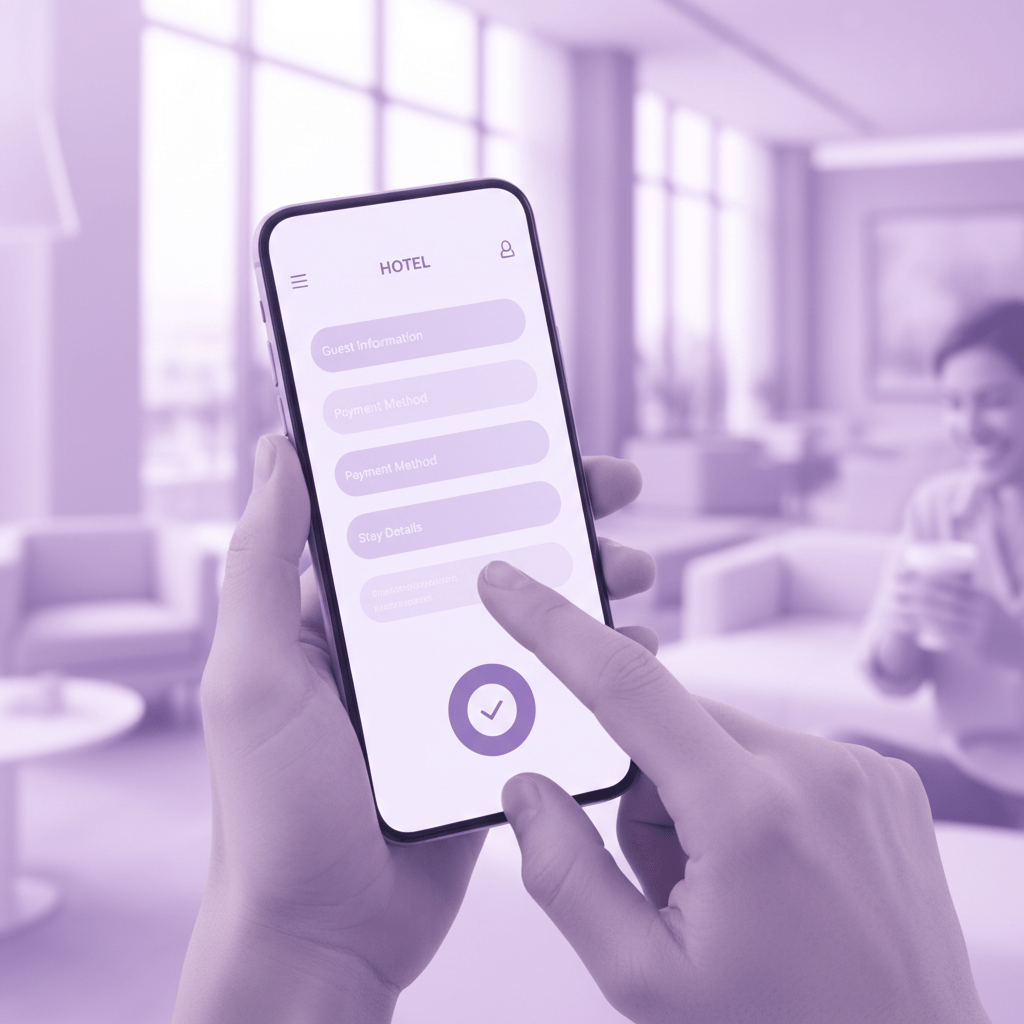
The best user-friendly hotel booking process keeps people moving without making them work for it. And it usually has just four clean stages. Simple screen. Clear choices. No sneaky surprises.
1) Clear date and room selection
Start with the basics. Dates first. Room next. That’s it.
A good setup shows:
- Check-in and check-out dates at the top
- Room types with big photos
- Real-time availability
- Total price right away, not later
What good looks like:
| Good screen | Bad screen |
|---|---|
| Dates and rooms in one view | Dates hidden behind extra clicks |
| Price shown early | Taxes and fees appear at the end |
| Easy mobile buttons | Tiny text and tiny tap spots |
And yes, price transparency matters a lot. If guests see a clean nightly rate, then get hit with extra charges at the final step, trust takes a hit. That’s one of the fastest ways to lose a direct booking.
2) Transparent upsells and add-ons
This part can be nice, if you don’t get pushy.
Offer extras like breakfast, airport pickup, late checkout, or a room upgrade. But keep it light. Think helpful options, not a loud sales pitch.
A tiny note helps here: “Add breakfast for $12 per person.” Better than a wall of text. Much better.
What good looks like:
- One image per add-on
- Short text
- Clear price next to each option
- A skip button that’s easy to find
You can also use social proof here. A line like “128 guests booked breakfast this week” or “Only 3 suites left” can nudge people forward. Just make sure it’s real. Fake urgency breaks trust fast.
3) Simple guest info and payment
This is where lots of hotel booking software gets clunky. Too many form fields. Too many screens. Too much typing on a phone.
Keep it short:
- Name
- Phone number
- Payment method
That’s the core. Anything extra should have a real reason.
Mobile hotel booking needs special care here. Big buttons. Autofill. Apple Pay or Google Pay if you can. And don’t make people zoom in like they’re reading fine print on a cereal box.
What good looks like:
| Best practice | Why it helps |
|---|---|
| 3 steps or fewer | Less drop-off |
| Autofill fields | Faster checkout |
| Digital wallets | Easier mobile payment |
| Trust badges | Guests feel safer |
4) Instant confirmation
Once the booking is done, don’t leave people hanging.
Show the confirmation right away. Send the email fast. Give the booking number, stay dates, and a clear next step. If you can, add a little bonus here too, like a welcome drink or a direct-booker perk.
This is also a great place for social proof and reassurance. Something like: “Thanks for booking direct. More than 40 guests booked with us today.” That kind of message can build confidence without feeling fake.
A strong confirmation page usually includes:
- Booking summary
- Cancellation policy
- Payment details
- Contact info
- Next steps for check-in
And if you use a system like Ease My Hotel, this stage gets even easier because booking management, guest communication, and OTA sync can all sit in one dashboard. Less tab-hopping. Less confusion. More time for actual hospitality.
The goal isn’t fancy. It’s smooth. Guests want to book, feel safe, and move on with their day. If your flow does that, you’re already ahead of a lot of hotels trying to increase hotel direct bookings.
3. The Mobile-First Mandate: Optimizing for Bookings on the Go
You know that moment when you’re standing in line for coffee and trying to book a room on your phone? Tiny screen. One thumb. Zero patience. That’s your guest too.
And here’s the thing: a huge chunk of hotel research and booking now happens on mobile. One 2024 travel report says mobile drives 70.5% of travel website traffic, and more than half of hotel bookings are now completed on phones in some markets. So if your mobile booking flow feels clunky, slow, or hard to tap, you’re handing guests a reason to leave.
Fast.
That matters even more for how to get more direct hotel bookings because mobile users are often already ready to buy. They just need a clean path. Not a maze.
What mobile guests want
On a phone, people want speed, clear pricing, and a checkout that doesn’t make them squint. They also want the basics to feel easy. That means big buttons, short forms, and payment that works with a thumb instead of a keyboard.
Here’s a simple mobile checklist:
- Thumb-friendly buttons that don’t feel tiny
- Auto-fill for names, email, and phone numbers
- Click-to-call for quick questions
- Apple Pay or Google Pay at checkout
- Total price shown early
And yes, mobile wallets matter. A lot of travelers prefer them because they skip typing card details on a small screen. Less friction. Less stress. Better chance of a direct booking.
Keep the form short
The best user-friendly hotel booking process on mobile usually asks for the fewest fields possible. Name. Email. Phone. Payment. Done.
If you need more details, ask later. Or after the booking is finished. Nobody wants to fill out their life story while waiting for the bus.
A good rule is to keep the flow to 3 steps or fewer. That tends to lift conversion, and it makes the whole thing feel less like work. Plus, shorter forms help reduce OTA reliance for hotels because guests are less likely to bail and book somewhere else.
| Mobile best practice | Why it helps |
|---|---|
| Big tap areas | Easier for thumbs |
| Autofill | Faster checkout |
| Click-to-call | Quick help without leaving the page |
| Mobile wallets | Less typing, fewer drop-offs |
| Short forms | Less frustration |
Speed is the silent deal breaker
This part trips up a lot of hotels. A page can look pretty and still lose bookings if it loads like it’s stuck in traffic.
Google says a page is in the “good” range when mobile load times stay fast, with things like Largest Contentful Paint at 2.5 seconds or less. And a Deloitte and Google study found that a 0.1-second speed gain on mobile led to a 10.1% lift in travel booking rates. Tiny change. Big result.
Really. That much.
If your booking page takes more than 3 seconds, lots of users will leave before they even see your room options. So page speed is not just a tech thing. It’s a revenue thing. A big one.
If you’re using Ease My Hotel, this is where a central system helps a ton. When booking management, guest messages, and OTA sync all live in one dashboard, your team spends less time fixing errors and more time helping guests finish the booking.
OK, one more thing. Mobile users love quick answers. So add click-to-call and simple chat options near the booking engine. That way, if someone gets stuck, they don’t disappear. They just call, ask, and keep moving.
That’s the real mobile win. Less fuss. More direct bookings. And a booking path that works in the real world, not just on a desktop mockup.
Try Ease My Hotel for free.
No lock-in contracts. Cancel anytime
4. The Psychology of Conversion: Building Trust and Encouraging Action
You know that tiny pause right before someone clicks “Book now”? That’s where a lot of hotel money slips away. Not because the room is bad. Not because the price is wild. It’s usually trust. Or doubt. Same thing, really.
A strong user-friendly hotel booking process gives people little reasons to feel safe. Small signals. Clear words. No weird surprises. And that can make a big difference in your hotel website conversion rate.
Trust signals that calm people down
Guests look for proof that your site is real. So show it early, not buried on page six.
| Trust signal | Why it helps |
|---|---|
| SSL badge | Shows the site is secure |
| Payment logos | Tells guests their card is safe |
| Clear cancellation policy | Cuts fear about booking too soon |
| Guest testimonials | Makes the stay feel real |
Even a short review like, “Check-in was fast and the staff were lovely,” can help. It feels human. And human usually wins over fancy.
Use urgency, but keep it honest
This part matters. Urgency can work. Fake urgency can backfire hard.
So yes, phrases like “Only 2 rooms left at this price” or “Price valid for the next 15 minutes” can help move people along. But only use them if they’re true. If a room count or timer is made up, guests notice. And once trust cracks, it’s hard to fix.
A better way is to tie urgency to real availability. That’s fair. That’s clean. No trickery.
Give people a reason to book direct
Now for the fun part. Guests need to know why booking on your site is better than using an OTA.
A simple Book Direct & Save message can do a lot here. Not just “save money,” but save time and get a little more value too.
Try perks like:
- Free Wi-Fi
- Welcome drink
- Best rate guarantee
- Late checkout
- Free room upgrade when available
Those perks feel personal. And they usually cost less than a big discount. Plus, they help reduce OTA reliance for hotels while making the stay feel warmer from the start.
Social proof helps here too. Something like “Most guests who book direct choose our flexible rate” can nudge action without feeling pushy. And if you have a loyalty perk, put it right next to the booking button, not off in a corner somewhere.
The goal is simple. Make the choice feel safe. Make the value easy to see. Make the next step obvious.
If your team uses Ease My Hotel, this is also easier to manage because booking details, guest messages, and room updates all live in one place. That means fewer mistakes and fewer chances to confuse a guest right when they’re ready to book.
And honestly? That’s where a lot of direct booking strategies win. Not with louder sales talk. Just with cleaner proof, better timing, and a booking flow that feels like it was made by actual humans.## 5. Choosing Your Engine: How to Select the Right Booking Technology
Picking booking software can feel weirdly high-stakes. Because it is. The wrong setup turns into extra work, missed bookings, and those little tech headaches that show up at the worst time, like Friday night check-in.
So let’s keep this simple. If you want to know how to get more direct hotel bookings, your booking engine needs to do more than just collect names and card details. It should help guests book fast, help your team stay calm, and help you reduce OTA reliance for hotels without making life harder.
A quick checklist for modern booking tech
Here’s what I’d look for first:
| Feature | Why it matters |
|---|---|
| PMS integration | Keeps bookings, guest data, and room status in sync |
| Channel manager connectivity | Helps avoid overbookings and messy rate updates |
| Dynamic pricing tools | Lets you change rates with demand |
| Analytics dashboard | Shows where people drop off |
| Mobile-first design | Works better for mobile hotel booking |
| Clear payment options | Helps guests finish checkout |
| No surprise booking fees | Keeps trust high |
A strong booking engine should also make hotel booking engine optimization easier, not harder. If you need three people and a spreadsheet just to update room rates, that’s a red flag. Honestly, that’s a big one.
All-in-one platform or best-of-breed tools?
This is where hotel teams usually split into two camps.
All-in-one platforms bundle booking management, channel manager, PMS tools, and guest communication in one system. That can be great if you want fewer logins, cleaner data, and less back-and-forth between vendors. For smaller hotels, hostels, resorts, and homestays, this usually feels way less messy.
Best-of-breed integrations mean you pick separate tools for each job. Maybe one for the booking engine, one for revenue tools, and another for guest messaging. That can work well if your team wants more control or already loves a few specific tools. But here’s the catch: more tools can also mean more sync issues, more training, and more chances for something to break.
A simple way to think about it:
- All-in-one is easier to manage
- Best-of-breed can be more flexible
- Too many disconnected tools can slow everyone down
And if your goal is to improve hotel booking experience, simplicity usually wins. Guests don’t care how many systems you use behind the scenes. They just want the page to load, the price to make sense, and the booking to go through.
Questions to ask every vendor
Before you sign anything, ask these questions out loud. Not in your head. Out loud.
- How does this connect with my PMS and channel manager?
- Do you charge per booking, per room, or just a flat monthly fee?
- What’s included in support, and when are you actually available?
- Do you promise uptime, and what happens if the system goes down?
- Are there setup fees, payment gateway fees, or extra add-ons?
- Can I see the analytics dashboard before I buy?
That last one matters more than people think. If you can’t see where guests drop off, you can’t really fix the flow. And if a vendor gets fuzzy about pricing, that’s usually not a good sign. Hidden per-booking fees can eat into the profit you were trying to protect in the first place.
What to look for in support and uptime
Support sounds boring until your booking engine stops working on a holiday weekend. Then it’s everything.
Look for:
- Fast support response times
- Real people, not just a chatbot wall
- Clear help docs and training
- Uptime commitments in writing
- A backup plan if something fails
A system like Ease My Hotel can help here because it gives hotels a unified dashboard for booking management, guest communication, OTA sync, accounting, HRM, and more. That matters if you’re trying to keep day-to-day work in one place instead of jumping between five different tabs and hoping the data lines up.
Watch the pricing model carefully
Cheap-looking software can turn pricey fast. One platform may seem affordable at first, then add fees for setup, support, extra users, payments, or direct booking transactions. Another may look a little higher on paper but save money because it doesn’t take a cut from every direct booking.
So ask for the full cost picture. Monthly fee. Payment fees. Add-ons. Training. Everything.
That’s the real test.
If the tech helps guests book faster, helps your staff stay sane, and gives you clear numbers to act on, it’s probably a good fit. If it creates more work than it removes, keep looking.
And yes, a better engine won’t fix everything on its own. But it can make your direct booking strategies work a whole lot better. For hotels trying to increase hotel direct bookings, that’s a pretty good place to start.
Turn Your Website into Your #1 Booking Channel
A booking page can feel boring on paper. But in real life, it’s where money either lands or slips away.
That’s why a user-friendly hotel booking process is not just a nice extra. It’s an investment that can lead to more direct hotel bookings, better margins, and less dependence on OTAs. With OTA commissions often landing around 15% to 25% per booking, even a small bump in direct bookings can make a real difference to your bottom line. Plus, direct bookings usually carry much lower payment costs.
Here’s the simple game plan:
- Keep the flow to 3 steps or fewer
- Make the site work great on mobile
- Show total prices early
- Add trust signals like secure payment badges and guest reviews
- Pick booking tech that connects cleanly with your PMS and channel manager
And don’t forget the human part. Guests want to feel safe, not sold to. They want fast answers, clear rates, and a path that feels easy from the first click.
If you’re using Ease My Hotel, this gets easier because your booking management, guest messages, OTA sync, and day-to-day operations can live in one dashboard. Less chaos. Fewer missed details. More time to focus on the guest.
So here’s the move: audit your booking flow today. Try it on your phone. Count the steps. Look for hidden fees. Check for slow pages. Then fix the parts that make people quit.
Because the best direct booking strategies don’t start with louder ads or bigger discounts. They start with a better experience.
And once you own that first click, you’re not just getting a booking. You’re starting the guest relationship on your terms.
Try Ease My Hotel for free.
No lock-in contracts. Cancel anytime