
Why Hospitality Finance is at a Digital Crossroads
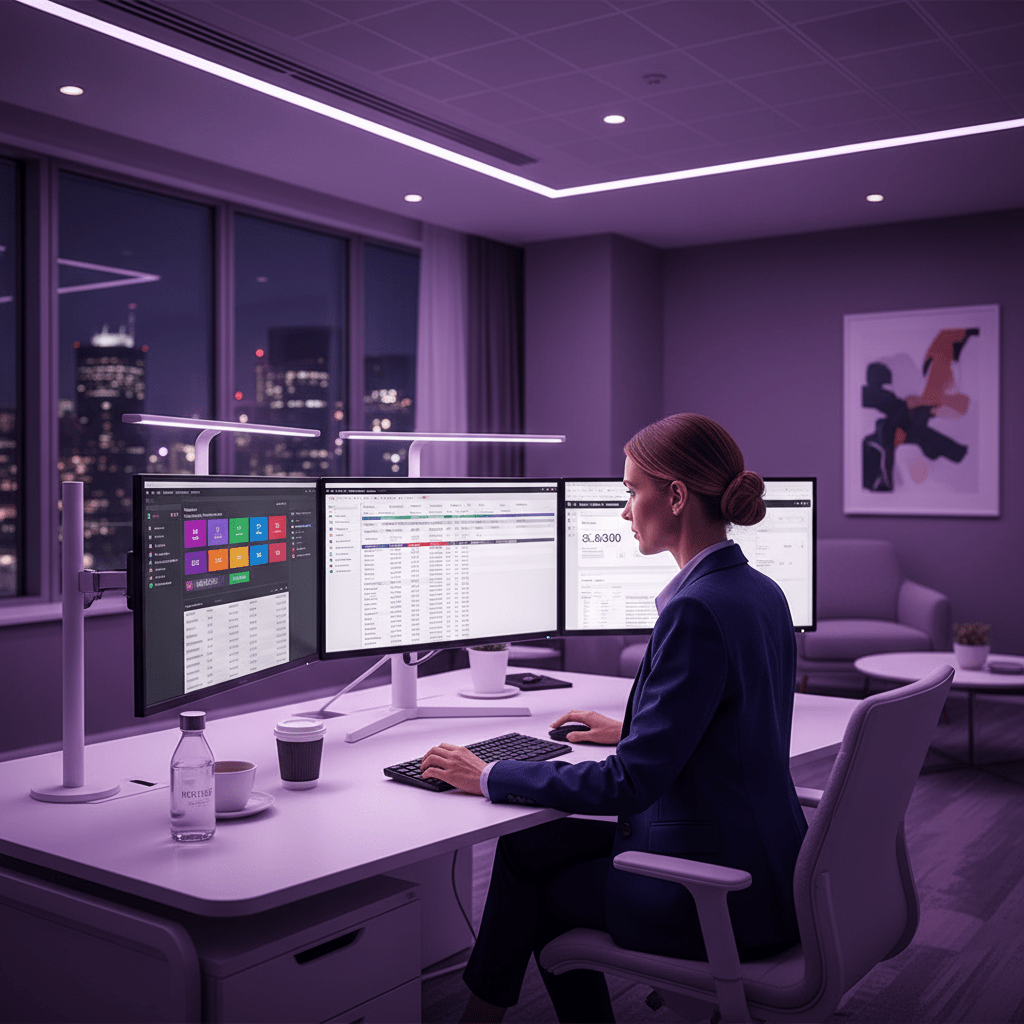
Ever watched a hotel manager flip between a PMS tab, a spreadsheet, and a bank screen at 11:47 p.m.? That’s not rare. That’s Tuesday.
And for a lot of hotels and restaurants, the money side feels stuck in that same old loop. Costs are up. Labor is tight. Guests want faster service, smoother stays, and fewer mistakes. But the books? They’re still getting pieced together by hand in too many places.
That’s a rough spot to be in. Restaurants are working with very slim margins, with the National Restaurant Association reporting median pre-tax income of just 2.8% for full-service spots and 4.0% for limited-service in 2024 source. For hotel and food service teams, that kind of pressure leaves almost no room for messy data or slow decisions.
The old setup just can’t keep up anymore. Disconnected tools, late reports, and manual entry make it hard to see what’s really happening day to day. And when you can’t trust the numbers, you can’t move fast.
That’s where accounting software for hotels and restaurants starts to look less like a back-office tool and more like a survival tool. In this article, we’re looking at the future of hotel accounting software, restaurant bookkeeping solutions, and the hospitality accounting technology that’s changing how teams track cash, costs, and profit. We’ll look at cloud accounting for hospitality, POS integration accounting software, hotel PMS accounting integration, and the reporting tools that help owners act before problems snowball.
Because at this point, guessing is expensive. And the businesses that can see their numbers clearly are the ones that get to make smarter moves first.
The Foundational Shift: The Rise of the Integrated Cloud Ecosystem
The funny thing about old finance setups is they always look fine… until you need an answer right now.
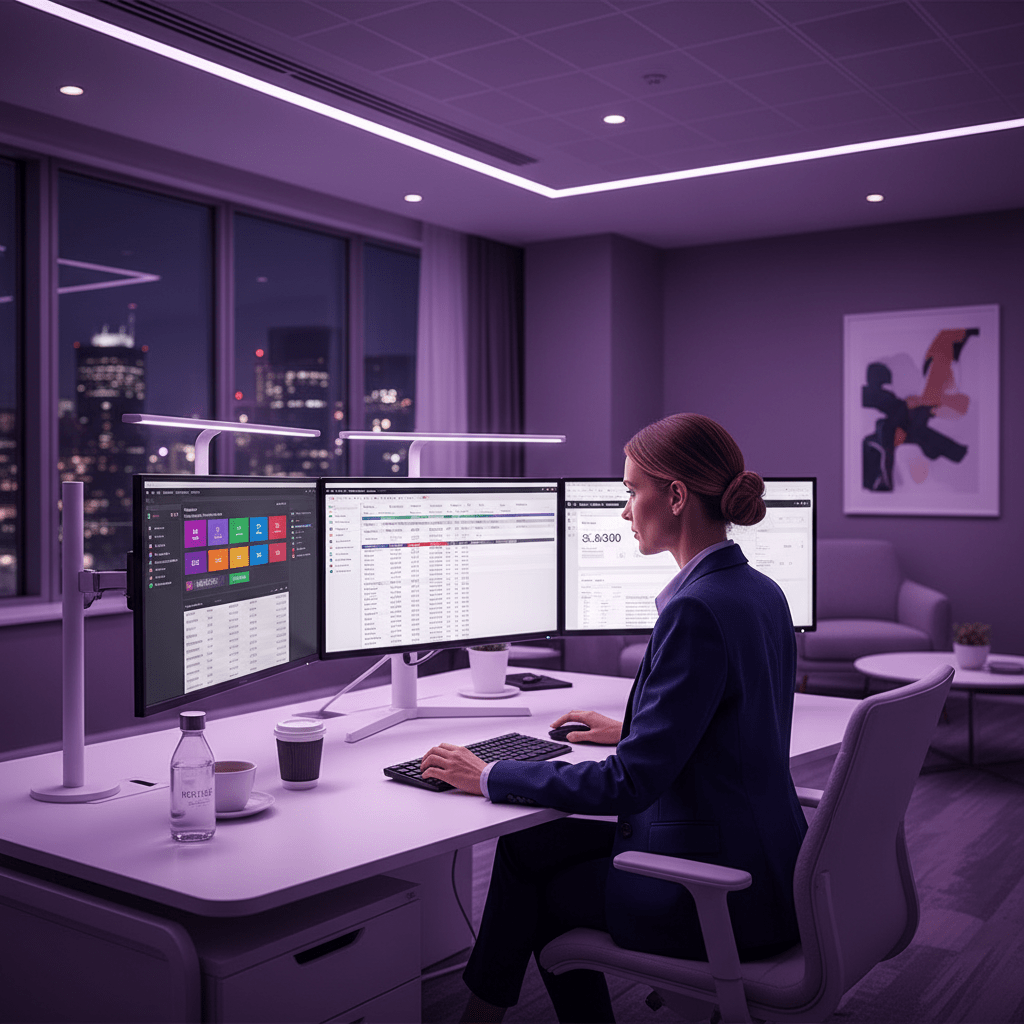
Then it gets messy. A hotel GM is pulling room revenue from the PMS, outlet sales from the POS, and payment notes from a bank screen. A restaurant manager is staring at a stack of invoices, tip reports, and one spreadsheet that nobody fully trusts. That’s not a calm way to run a business.
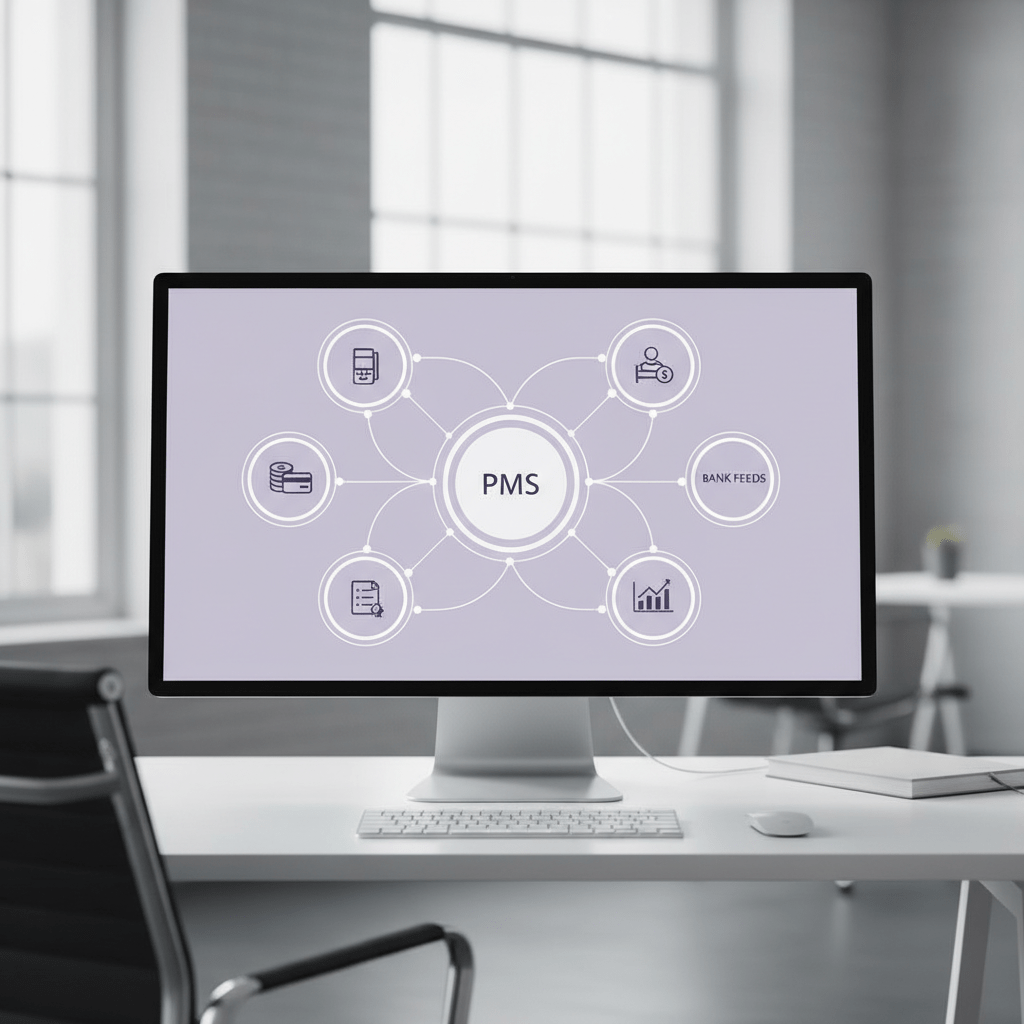
So the big shift is this: accounting software for hotels and restaurants is moving from separate, on-site tools to cloud systems that talk to each other. Not just accounting on its own. Accounting plus PMS. Accounting plus POS. Accounting plus payroll, bank feeds, and inventory. That’s what creates a single source of truth.
And once that happens, things start to feel different fast. You can check numbers from your phone after a late dinner service. You can see yesterday’s sales before your first coffee. You can spot a weird charge before it turns into a month-end headache. Real-time access matters a lot when margins are this thin.
The move to cloud accounting for hospitality also cuts down the IT drag. No more patching old servers. No more “the office computer has the latest file.” Less setup, less maintenance, less stress. Plus, cloud systems usually give you better security than old local software, since updates and backups happen in the background instead of waiting for someone to remember them.
Here’s the part that matters most for hospitality: the best systems don’t just store data. They connect the dots. A POS integration accounting software setup can pull outlet sales into the books without extra typing. Hotel PMS accounting integration can push room charges, guest folios, and deposits into one clean flow. That means fewer errors, faster closes, and less time spent chasing little mistakes that somehow eat an entire afternoon.
That’s not a tiny upgrade. That’s the base layer for the future of hotel accounting.
For teams looking at Ease My Hotel, this is where a cloud-based dashboard starts to pay off in a real way. When your booking tools, restaurant management system, OTA feeds, and accounting live together, you’re not guessing anymore. You’re working from the same numbers as everyone else.
And honestly, that’s the whole point.
Trend 1: AI and Machine Learning for Predictive Financial Intelligence
Picture this. It’s 4:30 p.m., the dining room is already filling up, and your hotel is about to hit a sold-out night because a concert just got announced three blocks away. If your numbers are still living in last week’s spreadsheet, you’re already behind.
That’s where AI starts to matter in accounting software for hotels and restaurants. Not as some shiny buzzword. Just as a faster way to spot what’s coming next. AI tools can look at old booking data, busy seasons, weather, local events, and even past sales patterns to forecast revenue and occupancy with a lot more confidence than a guess over coffee.
For hotel financial management software, that means better room-rate planning. For restaurant bookkeeping solutions, it means smarter labor scheduling and food ordering. And for teams using cloud accounting for hospitality, the best part is that the system can learn from clean, connected data instead of scattered files and half-finished reports.
Machine learning also helps with dynamic pricing. So if demand is climbing, the software can suggest higher rates for rooms or packages. If midweek bookings start to lag, it can nudge pricing down before you’re stuck cutting rates at the last minute. That’s a big deal for RevPAR, because even a small rate swing can change the whole month.
And then there’s the sneaky stuff. AI is pretty handy for anomaly detection too. It can flag weird voids, too many comps, unusual vendor payments, or a refund pattern that just does not look right. Not every odd number means fraud, of course. But it gives managers a heads-up before a small issue turns into a painful one.
Here’s a quick look at what AI can help with:
| AI use | What it helps with | Why it matters |
|---|---|---|
| Forecasting | Revenue, occupancy, covers, and labor needs | Better planning, less guesswork |
| Pricing | Room rates and menu pricing suggestions | Helps protect RevPAR and margin |
| Fraud checks | Odd voids, comps, and vendor payments | Catches problems faster |
| Reporting | Daily trends and exception alerts | Makes decisions easier |
A lot of hospitality accounting technology platforms are already leaning into this. Some hotel forecasting tools, like Docyt and Kalibri Labs, now market AI-driven prediction features, while restaurant systems like Crunchtime and 5-Out use machine learning to estimate sales and guest counts. The numbers aren’t perfect across every vendor, but the direction is clear: the future of hotel accounting is less about looking back and more about seeing what’s coming.
And that’s where a platform like Ease My Hotel fits in nicely. If your booking tools, restaurant system, OTA feeds, and accounting all live in one cloud setup, the AI has better input data to work with. Cleaner inputs. Better forecasts. Fewer surprises. Pretty nice combo.
Want the best results? Start with clean records, then ask for demo answers on forecast accuracy, pricing suggestions, and fraud alerts. If the software can’t show you real examples, keep looking.

Trend 2: Hyper-Automation to Eradicate Back-Office Inefficiency
You know that weird feeling when three people are checking the same invoice and nobody’s sure who already approved it? Yeah. That little mess adds up fast.
In accounting software for hotels and restaurants, hyper-automation is the next big step. And it’s not about flashy tech for the sake of it. It’s about getting rid of the boring stuff that eats time, causes mistakes, and slows down the close.
Think invoice intake. Instead of someone opening email attachments, typing line items by hand, and chasing approvals, RPA and AI-powered OCR can grab the bill, read it, code it, and send it where it needs to go. Touchless invoice processing. Nice and simple. For teams using cloud accounting for hospitality, that means fewer late nights and less paper-pushing (which nobody misses).
And the savings are real. Manual AP can cost around $12.88 to $19.83 per invoice, while automated systems can drop that to roughly $3 to $5 in many cases manual vs automated AP cost benchmarks. That’s a big deal for hotel financial management software, especially when every dollar is already under pressure.
Here’s how automation usually shows up:
| Task | Old way | Automated way |
|---|---|---|
| Invoice capture | Open email, download PDF, type details | OCR reads the invoice and pulls the data |
| Coding and routing | Manual account coding and approval chasing | Rules send bills to the right approver |
| Daily sales checks | Compare POS, cash, and card reports by hand | System matches them for you |
| Payroll | Recount tips, overtime, and service charges | Time data flows in and gets calculated |
Daily sales reconciliation is another spot where automated accounting for restaurants really shines. Instead of matching POS reports against cash deposits and card statements line by line, the system can do the heavy lifting and flag only the odd stuff. A missing deposit. A card batch that doesn’t clear. A drawer count that looks off. Tiny problems, but they turn into headache-sized ones if no one catches them early.
Payroll is a whole other beast. In hospitality, tips, service charges, split shifts, and overtime make things messy fast. But when timekeeping, scheduling, and accounting all talk to each other, payroll can calculate a lot of that automatically. That means fewer errors, cleaner pay runs, and less grumbling at the end of the week. Which, let’s be honest, is a win for everybody.
For teams on Ease My Hotel, this kind of setup fits right into the same cloud flow as bookings, restaurant management system, OTA feeds, and staff records. So instead of jumping between systems, you get one place to check what happened, what needs approval, and what still needs a human eye.
The best part? Automation doesn’t have to mean “set it and forget it.” It usually means fewer touchpoints, not zero oversight. And that balance matters.
Trend 3: Advanced Business Intelligence for Real-Time, Actionable Insights
You know that sinking feeling when the month is almost over and the report still looks like a mystery novel? Yeah. Nobody wants that.
That’s why business intelligence is getting a bigger seat at the table in accounting software for hotels and restaurants. The old way was a PDF dump at month-end. Too late. Too flat. Too easy to ignore. Now managers want live dashboards they can check on a phone, a tablet, or that one laptop in the office that somehow never goes to sleep.
And the best part is that these dashboards aren’t just pretty charts. They can track live KPIs that matter day to day, like GOPPAR, food and beverage cost as a percentage of sales, labor cost percentage, ADR, RevPAR, net sales, and average check size. If you’ve got cloud accounting for hospitality tied into your PMS and POS, the numbers can update as the day moves. That means a hotel GM can spot weak occupancy before lunch, and a restaurant GM can see if labor is running hot before dinner rush even starts.
Here’s a simple look at what a daily dashboard might show:
| Role | Live KPIs to watch |
|---|---|
| Hotel GM | Occupancy rate, ADR, RevPAR, GOPPAR, labor cost % |
| Restaurant GM | Net sales, labor cost %, food and beverage cost %, covers, average check size |
This matters because margins are still tight. Restaurants are working with median pre-tax income of just 2.8% for full-service spots and 4.0% for limited-service businesses in 2024, according to the National Restaurant Association. With numbers that thin, waiting until month-end is kind of like checking the weather after the picnic. Too late, right?
But the real magic shows up when you compare properties. Multi-property benchmarking lets hotel groups and restaurant chains see which location is doing better, and why. One property might have stronger labor control. Another might be spending too much on food. Or maybe one site just has a manager who’s weirdly great at keeping costs in line. Good for them. Better for everyone if the rest of the team can learn from it.
Some hospitality financial reporting tools also compare performance against anonymized industry data, so you can tell if your numbers are just okay or if they’re actually behind the pack. That kind of view helps owners stop guessing and start asking better questions.
For Ease My Hotel users, this is where the unified dashboard gets really useful. If your booking management, restaurant management system, OTA and channel manager, HRM, and accounting software for hotel and resorts all feed into one place, managers don’t have to chase reports across five tabs and a dozen exports. They can just look.
And honestly, that’s a big relief. Real-time BI doesn’t fix every problem. But it does make the next move a whole lot clearer.
Trend 4: Mobile-First Functionality for On-the-Go Management
Ever tried running a property while standing in a hallway, a kitchen, and the parking lot all in one hour? That’s the hotel life. One minute you’re checking a guest issue. Next, you’re answering a supplier call. Then someone asks about payroll. Again.
That’s why mobile access is such a big deal in accounting software for hotels and restaurants. GMs and owners are rarely parked at a desk all day. They’re moving. A lot. So if the numbers only live on one office computer, finance starts feeling like a job for later… and later usually turns into Monday night.
With modern hospitality accounting technology, you can pull up daily flash reports from your phone, approve invoices and purchase orders between meetings, and drill into expense details without trekking back to the front office. Nice, right? You can also check room revenue, outlet sales, and cash flow while you’re off-site, which makes cloud accounting for hospitality much more practical in real life.
And it’s not just for managers. Employee-facing mobile tools matter too. Staff can snap a photo of a receipt and upload it for reimbursement before the paper disappears into a coat pocket or a glove box. That speeds up the whole process and cuts down on the old “where did that bill go?” drama. We’ve all seen it.
Here’s what a good mobile setup should let you do:
| Mobile feature | Why it helps |
|---|---|
| Daily flash reports | Gives a quick view of sales, costs, and cash position |
| Invoice and PO approval | Keeps buying and payments moving fast |
| Expense drill-down | Lets you check the details from anywhere |
| Receipt upload | Speeds up reimbursement and recordkeeping |
| Alerts and approvals | Helps managers act before small issues grow |
This also fits nicely with POS integration accounting software and hotel PMS accounting integration, since the data keeps flowing while you’re away from the desk. So if a restaurant’s labor cost jumps or a hotel’s deposits look odd, you can spot it fast. No waiting. No guessing.
For teams using Ease My Hotel, mobile control ties the whole thing together. You can manage bookings, restaurant activity, OTA updates, staff records, and accounting from one cloud-based place, whether you’re in the lobby or halfway across town. That kind of access doesn’t just save time. It gives owners a calmer way to run the day.
And honestly, that’s the real win. Less chasing. More clarity. A lot less chaos.
How to Evaluate and Select a Future-Ready Hospitality Accounting System
Picking accounting software for hotels and restaurants can feel like choosing a new car with six people giving you advice at once. Everyone has an opinion. Nobody agrees. And if you pick wrong, you’re the one stuck with the monthly payments.
So let’s keep this simple.
Start with integrations. If the system does not connect to your PMS, POS, bank feeds, payroll, and channel manager, it’s going to create more work than it saves. Ask for a live demo of your exact setup. Not a polished sales tour. Your real workflow. Can it handle room folios, split bills, comps, voids, tips, and daily deposits without a mess? If not, keep looking.
Next, check if it really knows hospitality. Generic accounting tools can do basic books, sure. But hotel financial management software should understand guest charges, outlet sales, OTA feeds, and multi-property reporting. The same goes for restaurant bookkeeping solutions. If the software can’t speak your language, your team will end up translating all day.
Also, watch the user experience. This matters more than people admit. A GM, an ops lead, and a department head probably don’t want to feel like they need an accounting degree just to approve an invoice. The best cloud accounting for hospitality feels clear on day one. Simple buttons. Clean screens. Fewer clicks. That stuff saves real time.
Here’s a quick checklist you can use:
| What to check | What good looks like |
|---|---|
| Integration fit | PMS, POS, payroll, bank, and OTA data sync cleanly |
| Hospitality support | Built for hotels, restaurants, or both |
| Scalability | Works for one property now and more later |
| UX | Easy for non-accountants to use |
| Support and training | Fast help, clear onboarding, useful guides |
Plus, don’t skip vendor support. Ask who handles setup, how long implementation takes, and what training your team gets. For a mid-sized hotel or restaurant, 2 to 4 months is a pretty normal SaaS rollout, while multi-property setups can take longer. And yes, that’s worth planning for. Ask about data migration too. Ask what happens after go-live. The first week matters. A lot.
If you’re comparing options for Ease My Hotel, this is the moment to look at how the booking system, restaurant management system, OTA and channel manager, HRM, and accounting software for hotel and resorts all work together. That’s the whole idea. Less tab-hopping. Less guesswork. More control.
And honestly, the best future-ready system is the one your team will actually use.
Embracing a Smarter, More Profitable Future
AI, automation, business intelligence, and mobile access are not four separate trends anymore. They’re starting to work like one system. And that changes everything for accounting software for hotels and restaurants.
The old back-office setup just can’t keep up with razor-thin margins. Full-service restaurants were at 2.8% pre-tax income in 2024, while limited-service spots were at 4.0% National Restaurant Association. That’s not much room for delay, guesswork, or messy books.
So the future of hotel accounting software and restaurant bookkeeping solutions is pretty clear. More cloud accounting for hospitality. More POS integration accounting software. More hotel PMS accounting integration. Fewer manual steps. Fewer surprises. Better calls, made faster.
If you’re still using a patchwork of spreadsheets and disconnected tools, now’s the time to take a hard look. Audit your stack. Ask what’s slowing your team down. Then plan for the next version of your operation, not the last one.
For teams like Ease My Hotel, that shift can mean one place for bookings, guest data, restaurant ops, OTA updates, HRM, and accounting. Less tab-hopping. More control. And a lot more peace of mind.