
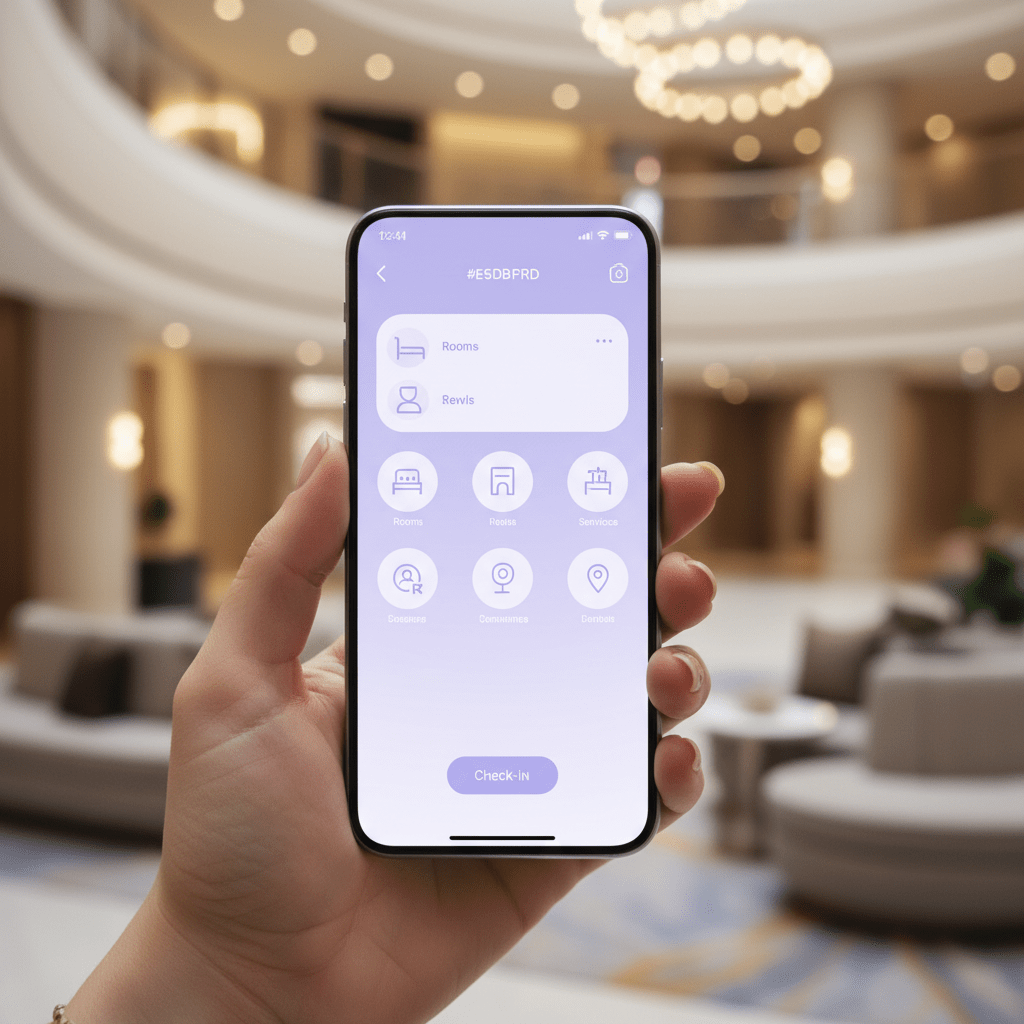
Escape the OTA Trap: Why Marketing Your Hotel Booking Engine is Non-Negotiable
Imagine working a full day but only getting paid for two-thirds of it. Frustrating, right? Yet, that is exactly what happens when hotels rely too heavily on Online Travel Agencies (OTAs).
Global commission rates typically sit anywhere from 15% to 30%. That is a huge chunk of your profit margin flying out the window just for a reservation. But the cost isn’t just financial. It’s also about your guest relationships. When travelers book through a third party, you lose valuable data. You don’t get their direct email, you can’t see their preferences early on, and you miss the chance to build loyalty before they even check in.
Basically, you are renting your own customers.
It’s time to fix that. Shifting focus to your own hotel booking engine changes the game. It gives you control over your brand, keeps your data in your hands, and most importantly, puts more money in your bank account.
This guide isn’t about complicated theories. It is a practical, step-by-step look at how to market your direct booking channels. We are going to walk through exactly how to reclaim your revenue and stop leaving money on the table.
The Foundation: What Is a Hotel Booking Engine & Why It’s Your Most Valuable Asset
Think of your booking engine as your hotel’s digital front door. Actually, wait—it’s more like a top-tier sales manager who works 24/7 and never asks for a commission.
In simple terms, an Internet Booking Engine (IBE) is your online storefront. It is the piece of software plugged into your website that lets guests check dates, pick a room, and pay, all in real-time.
But here is where a lot of owners get it mixed up.
Some hotels essentially use a digitized “Contact Us” form. You know the type: “Fill this out and we’ll email you a rate.” That is like asking a customer to stand outside your locked lobby and wait for you to find the keys.
You win or lose the guest in those first few seconds.
A true booking system—integrated into a platform like Ease My Hotel—does the heavy lifting for you. It isn’t just taking reservations; it’s managing your entire inventory. It ensures that when a room is booked on your site, it’s instantly pulled from inventory so you don’t double-book.
Plus, the gap between direct and third-party is widening. While OTAs dominate heavily in regions like Europe with 77% of online bookings, your booking engine is the only place you have total control.
Real availability. Instant confirmation. Dynamic pricing that you set.
This matters because friction kills sales. Industry insights showing that a modern IBE can lift bookings by up to 50% prove that guests just want an easy experience. If you make them work for it, they will just click back to Booking.com.
It’s time to treat your booking engine as your most profitable employee.
Pre-Marketing Checklist: Optimizing Your Booking Engine for Maximum Conversions
Here is the harsh truth: You can send a million people to your website, but if your booking engine is clunky or confusing, you are just burning money.
It is like inviting people to a party but locking the front door. They will knock for a second, get annoyed, and leave.
Before you spend a penny on marketing, let’s fix the bucket so it doesn’t leak. Marketing a broken process doesn’t work. We need to focus on what industry pros call “conversion rate optimization”—which is just a fancy way of saying “making it easy for people to say yes.”
Here is your pre-flight checklist to get your internet booking engine ready for prime time.
1. The “Thumb Test” (Mobile First)
Pick up your phone right now. Seriously, grab it. Go to your hotel’s website and try to book a room for next Tuesday.
Was it easy? Did you have to pinch and zoom to read the text? Did the “Book Now” button disappear off the screen?
If you struggled, your guests will too. And they won’t be patient. They will just leave.

Your hotel website booking system must look perfect on mobile. It needs big buttons, clear text, and a flow that feels like a modern app, not a spreadsheet from 2005. Since a huge chunk of travel research happens on phones, a mobile-friendly design isn’t just nice to have—it is the whole game.
2. Speed Kills (In a Good Way)
Keep it short. The booking process should take three steps max:
- Select dates.
- Pick a room.
- Pay.
Research shows that 13% of travelers abandon bookings simply because the process is too complex or long. Don’t ask for their home address, pet’s name, or favorite color before you secure the booking. You can get those details later (maybe via a pre-arrival email from a system like Ease My Hotel).
3. Trust Signals and No Surprises
There is a moment of panic right before someone enters their credit card number. “Is this site safe? Am I getting scammed?”
If your booking engine looks sketchy, you lose the sale. In fact, security concerns cause about 24% of people to bail out. To fix this:
- Show Security Badges: specific icons like “PCI DSS Compliant” or a padlock icon go a long way.
- Be Honest About Price: Nothing makes a guest angrier than seeing “$100” on the search page and “$150” at checkout because of hidden fees. Be transparent. Total costs upfront build trust.
4. Photos That Sell the Dream
It sounds obvious, but I see bad photos all the time. Grainy, dark, or tiny images make guests think your rooms are dirty. It’s just how the brain works.
High-quality photos are a huge deal. Actually, nearly half of all travelers prioritize room photos when making a decision. Show the bed, the view, and the bathroom clearly. If your booking engine supports video, even better.
5. Make the Transition Seamless
When a guest clicks “Book Now” on your glossy homepage, they shouldn’t land on a booking page that looks like a completely different website. It feels jarring. It breaks trust.
Your booking engine should match your brand colors and logo. It needs to feel like the same room, just a different corner of it. Platforms like Ease My Hotel allow for this visual consistency so the guest never feels like they’ve been handed off to a third party.
Once this foundation is solid, your marketing efforts will actually stick.
Driving Qualified Traffic: Proven Marketing Tactics for Your Direct Booking Strategy
Okay, so your booking engine works perfectly. It looks great on mobile, and the photos are stunning. But there is still one big problem.
Where is everyone?
It is like building a beautiful hotel in the middle of the desert and forgetting to build a road to it. The best booking engine in the world can’t help you if nobody sees it. To really increase hotel direct bookings, you need to get the right eyes on your website.
We aren’t talking about generic traffic here. We want people who are ready to book, credit card in hand. Here are the hotel marketing tactics that actually move the needle.

1. Win the Local SEO Game
Search Engine Optimization (SEO) sounds scary technically, but it’s actually pretty simple. Think about how you search for a hotel. You probably don’t type “best accommodation options in [City].”
You type “hotel near [Stadium]” or “places to stay near [Convention Center].”
That is your sweet spot.
Focus your content on your neighborhood. Write a blog post about the upcoming music festival just three blocks away. Create a page specifically for people visiting the local university. When you answer specific questions, Google notices.
This kind of targeted content leads people straight to your hotel website booking system. Plus, unlike ads, this traffic is free.
2. Fight Back with Paid Ads (Google Hotel Ads)
Have you ever Googled your own hotel name? It’s frustrating. You will likely see Booking.com or Expedia right at the top, using your brand name to steal your traffic.
You have to pay to play here. But the math works in your favor.
Google Hotel Ads (and other metasearch engines like TripAdvisor) allow you to display your direct rate right next to the OTA rates. If your direct price is even $5 cheaper, you win.
And the return is huge. The median return on ad spend (ROAS) for Google Hotel Ads is roughly 15x your investment. That beats paying a 20% commission to an OTA any day.
3. The Digital “Tap on the Shoulder” (Retargeting)
Here is a common scenario: A traveler looks at your suite, loves it, but then their phone rings. They get distracted. They close the tab.
Gone forever?
Not if you use retargeting. This strategy shows ads to people who visited your site but didn’t book. It’s a gentle reminder on Facebook or Instagram that says, “Hey, still thinking about that trip?”
It works because these people already know who you are. Bringing them back is much cheaper than finding a brand new customer.
4. Email: Your Hidden Goldmine
This is the one asset OTAs try hard to keep from you.
When a guest books through a third party, you often get a masked email address. But when they book direct, or when you check them in using a system like Ease My Hotel, that data is yours.
Don’t let it sit there collecting dust.
Email marketing is powerful because you own the relationship. Send a “Happy Birthday” discount. Offer an exclusive “Past Guest” rate for the slow season.
If you have a database of 1,000 past guests and you send an offer that fills just 10 rooms during a quiet week, that cost you basically zero dollars. That is a solid direct booking strategy.
By mixing these paid and organic methods, you drive traffic that is actually likely to convert, rather than just random clicks.
Try Ease My Hotel for free.
No lock-in contracts. Cancel anytime
On-Site Persuasion: Tactics to Convert Lookers into Bookers
So, you have managed to get people on your site. That’s a win. But traffic doesn’t pay the electric bill—bookings do.
The hard part is that most visitors are just “window shopping.” They have five other tabs open, probably comparing your prices with Booking.com. To increase hotel direct bookings, you need to answer their one silent question:
“Why should I book here instead of the big travel site I already trust?”
If the price is exactly the same, they will stick with what they know. You have to give them a reason to switch.
The “Sweeten the Deal” Strategy
You don’t need to slash your prices to compete. In fact, please don’t. A price war is a race to the bottom that nobody wins.
Instead, offer value that OTAs can’t touch. Big chains like Hilton and Marriott have specialized “Book Direct Benefits” pages for a reason. They know that small perks tip the scale.
Think about offering:
- Priority Room Assignment: Direct bookers get the best views.
- Flexible Check-in/out: Give them an extra hour of sleep. It costs you nothing if the room isn’t booked immediately.
- Instant Perks: A free drink at the bar or free parking.
Actually, simply offering stronger Wi-Fi or a complimentary breakfast can be the deciding factor. Since you are saving 15-20% on commissions, you can afford to spend $5 on a guest’s breakfast to secure the booking.
Honest Urgency (FOMO Works)
Ever notice how your heart beats a little faster when you see “Only 1 room left” on a travel site?
That is scarcity marketing. And it is powerful. Research suggests that these types of urgency messages can increase purchase intention by roughly 36%.
But here is the catch—it has to be true.
If you claim “Last Room Available” and the guest shows up to an empty hotel, you look dishonest. You need a hotel website booking system that syncs perfectly with your front desk. When Ease My Hotel updates your inventory in real-time, that “2 rooms left” tag is accurate, creating genuine urgency without the guilt.
The “Wait, Don’t Go!” Pop-up
It hurts to say this, but most people will leave your site without booking.
They get distracted. The kids start crying. The phone rings.
This is where “exit-intent” technology saves the day. Tools like OptinMonster or Hello Bar track when a user’s mouse moves to close the tab. Right at that moment, a pop-up appears:
“Wait! Book now and get 10% off your stay.”
Is it a little aggressive? Maybe. Does it work? Absolutely. It gives you one last shot to capture a direct booking strategy win before they disappear back to Google. It turns a lost cause into a confirmed guest.
By combining these tactics, you aren’t just hoping for bookings. You are actively guiding the guest to the “Pay Now” button.
The Connected Hotel: Integrating Your Booking Engine with Your Tech Stack
Imagine this scenario: A guest books a room on your website at 11:00 PM. You’re asleep. Because your systems aren’t connected, that room shows as “available” on Expedia all night long.
At 2:00 AM, someone else books the same room on Expedia.
Now you have a double booking, an angry guest, and a headache that greets you first thing in the morning.
This is why your internet booking engine cannot live on an island. It needs to talk to the rest of your hotel. Specifically, it needs a two-way conversation with your Property Management System (PMS) and your Channel Manager.

The Brain: PMS Integration
Your PMS is the brain of your hotel. When you integrate it with your booking engine, magic happens. No more sticky notes. No more manual data entry.
When a reservation comes in directly, it should land straight on your unexpected arrival list (or main dashboard) instantly. It reduces human error to pretty much zero. If you are using a unified platform like Ease My Hotel, this happens automatically—inventory updates across the board the second a credit card clears.
The Traffic Cop: Channel Manager
A Channel Manager acts like a traffic cop for your inventory. It sits between your PMS and the outside world (OTAs like Booking.com, Airbnb, and your own site).
If you sell your last Deluxe Suite on your website, the channel manager instantly tells Booking.com, “Stop! We are full.” This synchronization is non-negotiable.
Leading industry voices put it bluntly: “Do it because it’s now or never. Once the OTAs have properly tested and launched their AI-based travel toolkits… customer experience on those third-party channels will simply be too convenient for travelers to ever switch again,” notes a report from Hospitality Upgrade Magazine.
The Memory: CRM Connection
Finally, don’t forget the guest data.
Connecting your booking engine to a Customer Relationship Management (CRM) system allows you to build rich profiles. You aren’t just getting a name; you’re learning that Mr. Smith likes high floors and is allergic to feathers.
While systems like Mews or Cloudbeds offer extensive integrations, an all-in-one solution like Ease My Hotel often works best for independent properties because it removes the “tech spaghetti” of trying to link three different expensive software subscriptions together.
When your tech stack talks, your direct booking strategy runs on autopilot.
Measuring What Matters: Key KPIs for Your Hotel Booking Engine’s Success
Imagine driving a car with your eyes closed. You might be moving forward, but you have no idea if you’re about to hit a wall.
That is exactly what happens when you run marketing campaigns without looking at the data. You might feel busy, but are you actually making money?
To really win with your direct booking strategy, you need to stop guessing. You need to start measuring. But don’t worry, you don’t need a math degree for this. There are really just four numbers that tell the whole story.
1. Website Conversion Rate (The Reality Check)
This is the harsh truth metric. It tells you how many visitors actually book a room.
Here is the thing—most hotel websites have a conversion rate somewhere between 2% and 3%. That means for every 100 people who visit, 97 of them leave without paying you a dime.
If your rate is lower than 1%, something is broken. Maybe your photos are blurry. Maybe your hotel website booking system is too slow. Tracking this lets you spot the leak and plug it.
2. Cost Per Acquisition (CPA)
This is my favorite metric because it settles the argument between “Direct is better” and “OTAs are easier.”
We know OTAs charge a commission of 15% to 30%. To prove your direct marketing is working, your Cost Per Acquisition (CPA) needs to be lower than that commission check.
Here is the simple math:
- Total Marketing Spend (Ads + Software costs) ÷ Number of Bookings = CPA
If you spend $500 on ads and get 10 bookings worth $200 each, your cost is $50 per booking. If an OTA would have charged you $60 for that same booking, you win. You are saving money.
3. Booking Abandonment Rate
This tracks the people who started to book but got cold feet.
They picked dates. They saw the price. Then… poof. Gone.
A high abandonment rate usually means hidden fees scared them off, or the checkout process was a nightmare to navigate on a phone. fixing this is the fastest way to increase hotel direct bookings.
4. Direct Booking Ratio
This is the big picture score. What percentage of your total business comes from your own site versus Expedia or Booking.com?
If you are stuck at 10% direct, you are too dependent on third parties. Aim to grow this number quarter over quarter. It proves your brand is getting stronger.
How to Track It Without Going Crazy
You don’t need a complicated spreadsheet from 1999 to see these numbers.
First, set up Google Analytics 4 (GA4). It’s free. You just tell it that a “Purchase” is a goal.
But for the day-to-day stuff, lean on your tools. A solid platform like Ease My Hotel has a reporting dashboard built right in. It shows you your occupancy, your revenue sources, and your booking trends in plain English.
When you can see exactly where your money comes from, you can double down on what works and cut what doesn’t. That is how you stop guessing and start growing.
Your Roadmap to Higher Profits and Stronger Guest Relationships
So, we have covered a lot of ground.
We went from fixing up your digital front door to driving traffic that actually converts. It might feel like a big shift. And it is. Moving away from the easy (but expensive) OTA bookings to a strong direct booking strategy takes work.
But look at the alternative.
Sticking with the old way means giving up nearly a third of your revenue. It means never really owning your guest data. That is a risky way to run a business.
The goal isn’t to kill OTAs completely—they have their place. The goal is to balance the scales so you aren’t dependent on them. When you prioritize your internet booking engine, you take back control. You decide the price, you own the guest relationship, and you keep the profit.
Ready to start? You don’t need to change everything today. Just take these three steps this week:
- Audit Your Flow: Pretend you are a guest. Try to book a room on your phone. If it takes more than three minutes or requires pinching the screen, you need to upgrade your hotel website booking system immediately.
- Create One Direct Perk: Give guests a reason to click “Book” on your site. Offer a free welcome drink or 10% off dining. Make sure this perk is visible on your homepage.
- Unify Your Tech: Stop juggling five different logins. A system like Ease My Hotel centralizes your bookings, reviews, and operations so you can focus on hospitality, not software.
This is your hotel. It’s time you got paid for it.
Make the switch. Increase hotel direct bookings. And stop leaving money on the table.
Try Ease My Hotel for free.
No lock-in contracts. Cancel anytime