
Meeting the Modern Traveler: Why a Seamless Guest Experience is Non-Negotiable
Ever notice how guests can book a resort room in about 90 seconds, but still get annoyed if check-in takes 9 minutes? Funny how that works. People want things fast, simple, and personal. And if your resort feels clunky, they notice right away.
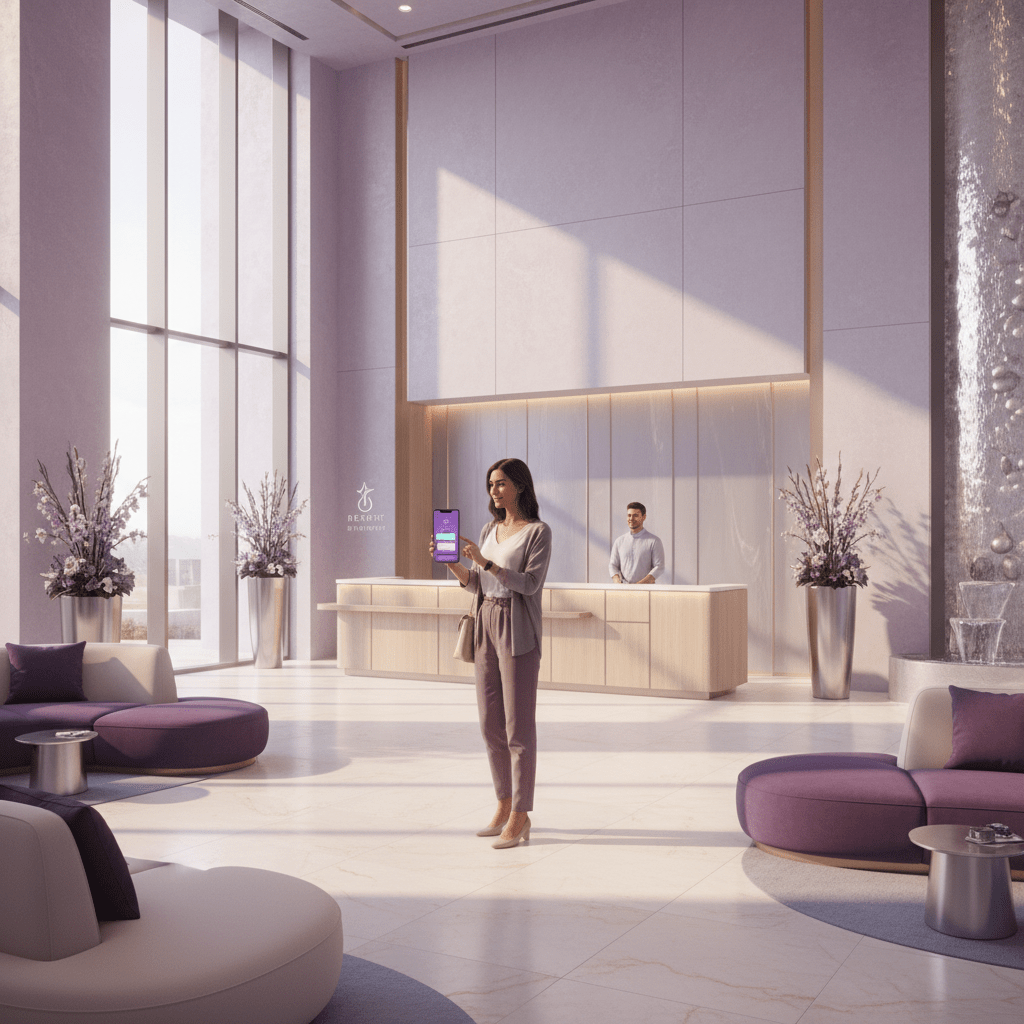
That’s the big shift right now. Guests don’t just want a bed and a pool. They want a smooth trip from the first search to the last goodbye text. They want mobile check-in, quick replies, and little touches that feel like someone actually paid attention. In fact, Medallia’s 2023 research found that 61% of consumers will spend more for a custom experience, but only 23% say they’re getting that level of personal care.
That gap is where resort management software steps in.
A modern resort management software setup works like the brain of the property. It ties together bookings, guest messages, housekeeping, billing, upsells, and more into one place. So instead of staff jumping between tabs, emails, and old spreadsheets, everyone works from the same live info. That’s what a good resort property management system does. It helps create a unified hospitality platform that can actually keep up with guest needs.
And that matters for more than comfort. It shapes reviews, repeat stays, and revenue. One bad stay can turn into a bad review fast, and those reviews can sway future bookings before your team even sees them. So in this article, we’ll walk through how resort management software changes the guest journey from booking to beyond. Start to finish. Booking to checkout. And yes, the little moments in between too.
Beyond the Front Desk: What is a Modern Resort Management System?
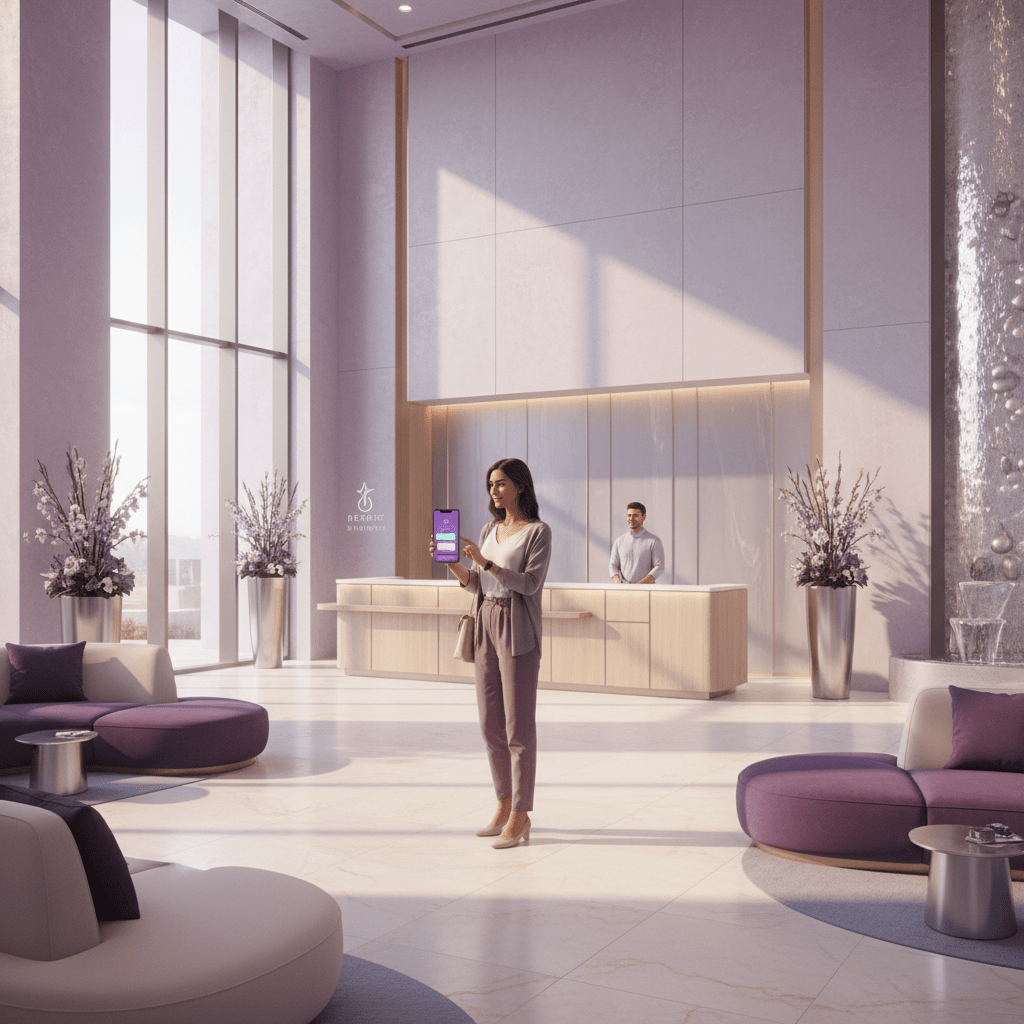
A lot of people still hear “PMS” and think, Oh, that’s just the front desk tool. But that’s only part of the story now. A modern resort management software setup is more like the control center for the whole property. It connects the booking engine, channel manager, CRM, POS, housekeeping, and maintenance in one place.
That means your team isn’t stuck chasing info across five screens and a stack of sticky notes. Nice, right?
Here’s the deal: a basic hotel PMS usually handles reservations, check-in, check-out, room status, and billing. A modern [resort property management system] does that too, but it also ties in the guest experience side. Think restaurant orders, spa charges, upsells, room readiness, and guest history. All of it flows through one [unified hospitality platform], so the whole team sees the same live data.
That shared data is the big win. One guest record. One room status. One version of the truth. So if the front desk sees a late checkout request, housekeeping sees it too. If a guest books a dinner add-on through the resort booking engine, the POS and billing side already know. No awkward double entry. No “Wait, I thought someone else handled that.”
And for a resort, that matters a ton. Resorts have more moving parts than a standard hotel. More food and drink. More activities. More guest touchpoints. So [hospitality management solutions] need to do more than just store bookings. They need to help [enhance guest experience] from the first click to the last bill.
A good system usually includes these core parts:
| Module | What it does | Why do guests feel it |
|---|---|---|
| PMS | Handles stays, rooms, and billing | Faster check-in and fewer mix-ups |
| Booking Engine | Takes direct reservations | Easier booking on mobile |
| Channel Manager | Syncs OTAs and rates | Fewer overbookings |
| CRM | Stores guest preferences and history | More personal service |
| POS | Tracks food, drink, spa, and extras | Cleaner charges and faster service |
| Housekeeping and Maintenance | Updates room status and fixes | Quicker room turns and fewer delays |
That’s why people talk about guest-centric technology so much now. It’s not just tech for staff. It changes how the guest feels at every step.
And if you’re looking at tools like Ease My Hotel, this is the kind of setup that matters. A cloud system that brings booking management, guest communication, OTA syncing, restaurant tools, and staff tracking into one dashboard can make the day feel way less messy. Less hopping around. More getting things done.
Honestly, that’s what modern resort management software should do. Keep the property calm. Keep the guest happy. And keep the whole team on the same page.
Crafting the Perfect Stay: Enhancing the Guest Journey from Pre-Arrival to Post-Stay
You know that moment when a guest books a room, then starts wondering, “What am I actually getting?” That tiny gap can make or break the whole stay. And honestly, it happens a lot.
With resort management software, that gap gets smaller fast. A good resort booking engine can nudge guests toward room upgrades, spa slots, dinner packages, or even a late checkout before they ever arrive. That matters because people do spend more when the experience feels personal. Medallia found that 61% of consumers are willing to pay more for a custom experience, yet only 23% say they’re actually getting one source. Pretty wild, right?
Pre-arrival: the easy win
This is where resort management software starts doing some heavy lifting. Automated pre-stay emails can share check-in time, weather tips, dining hours, and add-on offers without making staff send the same message 40 times a day.
And the upsell part? That’s where things get fun. Guests can see room upgrades, cabana rentals, airport pickup, yoga classes, or family activity bundles right inside the booking flow. It feels helpful, not pushy. That’s the sweet spot.
Here’s a quick look at what pre-arrival tools can do:
| Pre-arrival feature | Guest benefit | Resort benefit |
|---|---|---|
| Room upgrade offers | Better room choices | More ancillary revenue |
| Activity package add-ons | Easier trip planning | Higher booking value |
| Automated emails | Less confusion | Fewer routine questions |
| Guest profile data | More relevant offers | Better conversion |
A strong integrated resort system also keeps these offers tied to live room inventory. So if a suite is open, the guest sees it. If it’s gone, they won’t get teased with a dead offer. Good manners. Good business.
On-site: smooth, fast, personal
This is the part guests remember. The arrival. The room key. The first “hello.”
Mobile check-in and keyless entry make that whole process feel lighter. No long line. No waiting around with tired kids, wet beach bags, or a suitcase that’s already lost one wheel. And yes, a lot of travelers like this kind of phone-first service. Industry data says around 50% to 60% of hotel guests use smartphones for things like check-in, check-out, and digital room keys.
But the real magic is the shared guest profile. When the front desk, housekeeping, and restaurant team all see the same guest history, service gets personal in a way that feels natural. A returning guest who likes a quiet room can get one without asking twice. A couple that booked a honeymoon last year might get a little note or a dessert surprise. Small stuff. Big smile.
That’s where [guest-centric technology] pays off. It helps staff notice patterns, remember preferences, and act on them fast. No awkward “Sorry, can you repeat that?” moments. No guessing.
And if a guest asked for extra pillows on their last stay, that note can pop up before they even reach the room. Honestly, that’s the kind of detail people talk about later over dinner.
Post-stay: don’t let the goodbye be awkward
Check-out shouldn’t feel like a chore. With [resort management software], it can be quick, clean, and almost invisible. Bills are ready faster. Charges from the spa, bar, or restaurant are already in one place. Guests can pay, leave feedback, and head home without standing at the desk forever.
But wait, there’s more. The timing after checkout matters too.
A smart system can send a feedback request at the right moment, usually when the trip is still fresh in the guest’s mind. Not three weeks later. Not after they’ve forgotten the name of the towel guy who saved the day. That timing helps resorts collect better reviews, and reviews matter a lot. More than 80% of travelers read online reviews before booking, so even one bad one can shape future bookings in a real way.
Then comes the loyalty part. Stay data can power re-marketing emails, return-guest offers, and loyalty perks based on what people actually did on property. If a guest loved the spa, maybe they get a spa credit next time. If they booked two dinners and a sunset cruise, maybe they get a package built around that same vibe. It feels less like spam and more like, “Hey, we remember you.”
That’s also where [hospitality management solutions] help resorts turn one stay into the next one. And if you’re using a cloud platform like Ease My Hotel, this whole flow gets easier because booking management, guest communication, restaurant tools, and reports live in one place. Less scattered work. More useful follow-up.
Here’s the simple version:
- Booking starts with useful offers.
- Arrival feels quick and personal.
- The stay runs smoother because staff has the right info.
- Checkout is simple.
- After the stay, the resort keeps the conversation going.
That’s what a [unified hospitality platform] should do. Not just hold data. Help you use it in ways guests can feel.
And when that happens, people come back. They post better reviews. They tell friends. They spend more. Not because they were sold to harder, but because the stay actually felt easy.
Try Ease My Hotel for free.
No lock-in contracts. Cancel anytime
Personalization at Scale: The Power of a Unified Guest Profile
You know that nice feeling when someone remembers your coffee order? Resorts can pull off that same vibe, just on a bigger scale. And guests notice fast. A lot of them want personalized stays, and many will pay more for it, which is why a smart resort management software setup matters so much.
The heart of that is the CRM inside your [resort property management system]. It pulls in booking history, room choices, spa visits, restaurant tabs, special requests, and feedback from past stays. So instead of staff guessing, they can see the full picture in one place. That single profile turns scattered notes into real help.
Here’s what that looks like in daily life:
- A returning guest checks in, and the front desk greets them by name.
- Staff asks, “How was the quiet room last time?” because they can actually see that note.
- A bottle of their favorite wine is waiting in the room.
- The spa team offers a discount on the massage they booked on their last two trips.
Small touches. Big feeling.
And this goes beyond simple recognition. With a [unified hospitality platform], the system can start spotting patterns. Maybe a guest always books a spa visit on day two. Maybe they usually order seafood and late checkout. Maybe they travel with kids every July and pick pool-view rooms. That kind of info helps resorts make smarter offers before the guest even asks.
That’s predictive personalization, plain and simple. The system sees what people tend to do, then helps the team act first. Not in a creepy way. Just in a helpful, “hey, we thought you might like this” way.
| Guest data point | What the resort learns | What the guest feels |
|---|---|---|
| Booking history | Room type, visit timing, trip pattern | Seen and remembered |
| On-site spending | Food, spa, drinks, add-ons | Easier repeat service |
| Special requests | Pillow type, quiet room, allergies | Less repeating, less stress |
| Feedback | Likes, dislikes, pain points | Better next stay |
This is where [guest-centric technology] really pays off. It helps resorts stop treating every stay like a blank page. Instead, each visit builds on the last one. That can mean stronger reviews, more repeat bookings, and better guest loyalty over time.
And yes, one bad review can still sting. Since more than 80% of travelers read reviews before booking, a rough stay can hurt future sales fast. But the flip side is pretty nice too: when guests feel known and cared for, they’re much more likely to come back and talk about it.
If you’re looking at tools like Ease My Hotel, this is the kind of setup that makes the day easier for both staff and guests. Booking management, guest communication, restaurant tools, and reporting all feed into one system, so the team can act on real guest data instead of digging through old notes.
That’s the goal, really. Not just storing information. Using it well. And doing it in a way that feels human.
Empowering Your Team: How the Right Software Equips Staff to Deliver 5-Star Service
You can spot a tired hotel team fast. The smile gets thin. The lines get longer. And somebody always ends up asking, “Did anyone write that down?”
That’s where resort management software pulls its weight. It takes a pile of small admin jobs and moves them out of the way, so staff can do what guests actually remember: greet people, solve problems, and make the stay feel easy.
Think about check-ins, billing, and daily reports. When those tasks run on their own, or at least with less hand-holding, the front desk isn’t stuck buried in forms. A resort property management system can keep reservations, folios, and guest details in one place, while a [unified hospitality platform] helps the whole team see the same live info. Less copying. Less chasing. More time for actual service.
And that matters more than people think. When staff spend less time on manual work, they can move faster, answer questions better, and keep the mood calmer. A guest doesn’t care how messy the back office is. They care that their room is ready, their bill is right, and their request gets handled without a weird delay.
Here’s a simple way to picture it:
| Staff task | Old way | With resort management software |
|---|---|---|
| Check-in | Lots of typing and repeat questions | Faster setup with guest info already there |
| Billing | Manual charge fixes | Cleaner folios and fewer mistakes |
| Housekeeping | Paper lists and radio back-and-forth | Live room status on mobile devices |
| Maintenance | Requests get lost or delayed | Issues route straight to the right person |
| Daily reports | Time spent gathering numbers | Reports run in the background |
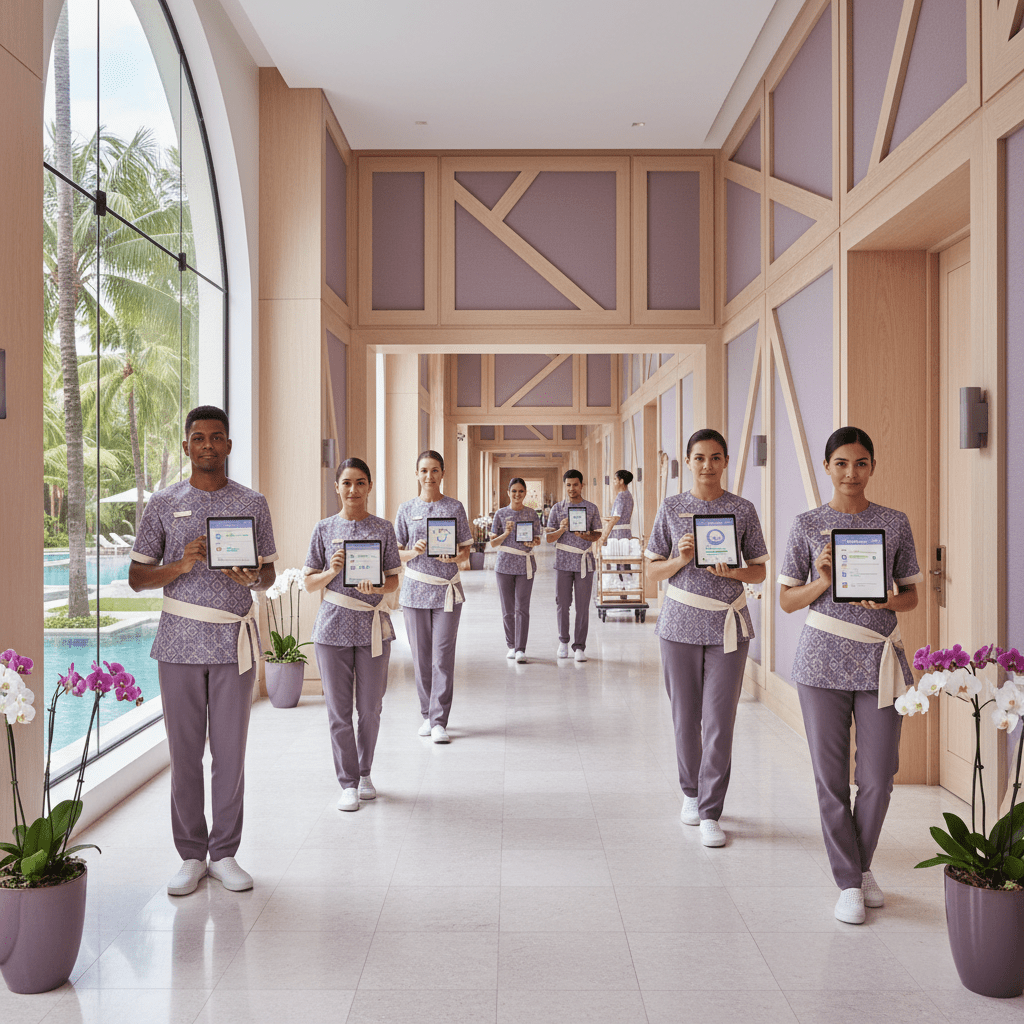
Mobile tools help a lot too. Housekeeping teams can see room status on their phones, which means they know what to clean first and what room is ready next. Maintenance gets the same kind of boost. If a front desk agent logs a broken light or a leak, that note can go straight to the right team member’s device, with status updates visible to everyone. Nice and simple. No running around. No guessing.
Actually, wait, there’s a bigger win here. Better communication between departments makes service feel smoother from the guest side. The front desk isn’t working blind. Housekeeping knows which rooms need a rush. Maintenance knows what needs fixing now, not after lunch. That kind of flow is what [guest-centric technology] is all about.
And let’s be honest, happy staff usually means better service. Not perfect service. Human service. The kind where someone notices your kid needs extra towels before you ask. If you’re looking at tools like Ease My Hotel, this is one of the clearest reasons to try a cloud setup. Booking management, staff coordination, restaurant tools, and reporting all live in one dashboard, so the team can stay focused on guests instead of paperwork.
That’s the real shift. Less admin drag. Faster room turns. Quicker fixes. Better teamwork. And yes, a much better stay for the people checking in at the front desk.
From Guesswork to Growth: Using Data to Continuously Refine the Guest Experience
You know that moment when a resort feels busy, but nobody can say why? The lobby is full, the phones are ringing, the kitchen is slammed, and somehow the day still ends with a pile of little complaints. Weird, right?
That’s where resort management software starts to earn its keep. It doesn’t just store bookings and bills. It gives managers a live look at what’s happening right now, so they can spot problems before guests turn them into bad reviews.
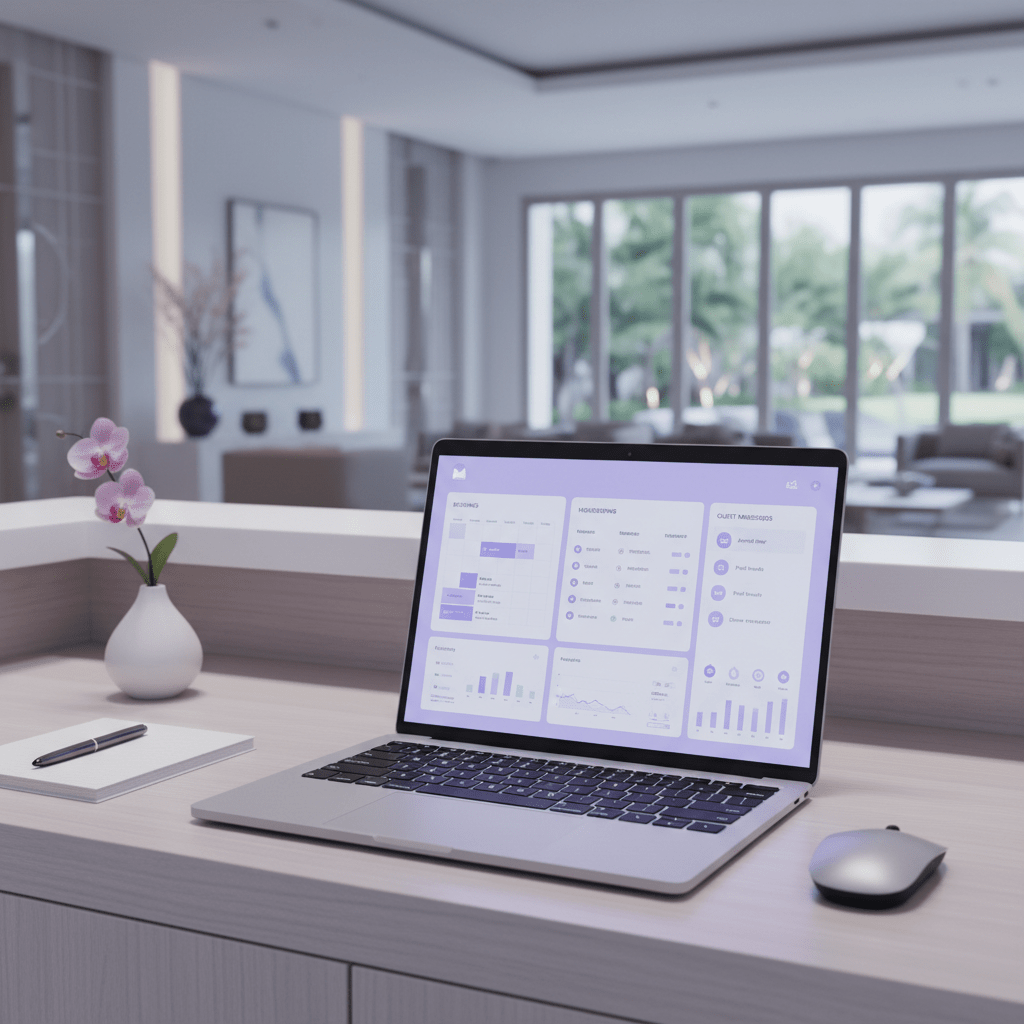
A solid dashboard can show things like check-in wait time, room readiness, guest request speed, restaurant delays, and review scores all in one place. So instead of guessing, you can say, “OK, check-in slows down every Friday between 3 and 5,” or “Our dinner rush is hurting table turns.” That’s the good stuff. Real patterns.
And once you see the pattern, you can fix it. Maybe the front desk needs another person for peak arrivals. Maybe the restaurant needs a better handoff between seating and orders. Maybe housekeeping needs a different room-cleaning flow after early departures. Small moves, but they add up fast.
Here’s a simple way to think about the numbers a resort management software dashboard can track:
| KPI | What it tells you | What you can do with it |
|---|---|---|
| Check-in time | How fast guests get settled | Add staff during busy hours |
| Guest request response time | How fast problems get handled | Route requests to the right team sooner |
| Review score trends | How guests feel about the stay | Fix repeat complaints |
| Restaurant wait times | Where service slows down | Adjust seating or kitchen flow |
| Repeat booking rate | Whether guests want to come back | Build better offers and loyalty perks |
The best part? Guest feedback can live in the same system too. So if reviews keep mentioning slow service, noisy rooms, or weak breakfast options, managers don’t have to dig through ten different reports. They can tag the issue, see how often it shows up, and decide what to fix first.
Actually, wait – that’s what makes hotel operations software really useful. Not the data itself. What you do with it.
And that’s also where tools like Ease My Hotel fit in nicely. With booking management, guest communication, restaurant tools, staff tracking, and reports in one [unified hospitality platform], teams can move from reacting to planning. Less guesswork. More steady growth. And a whole lot fewer “why is this happening again?” moments.
The Future of Hospitality is Integrated: Investing in Your Guest’s Loyalty
So here’s the real question: do you want a system that just keeps records, or one that helps guests come back?
That’s the shift with resort management software. It brings booking, guest messages, staff work, billing, and service updates into one place. And when all those pieces talk to each other, the guest feels it. Check-in gets faster. Personal touches show up sooner. Problems get fixed before they turn into complaints.
And that matters because guests are already asking for more. A 2023 Medallia report found that 61% of consumers will spend more for a custom experience, but only 23% say they’re getting it. That gap is a big deal.
But this isn’t just about nicer stays. It’s about money, too. A strong [resort property management system], [hotel operations software], and [unified hospitality platform] help you keep guests happy, which usually means more repeat bookings, better reviews, and stronger long-term profit.
Think of it this way:
- Better data helps staff move fast
- Better service helps guests relax
- Better stays help guests return
Simple. Not easy. But simple.
If your current setup still feels split apart, it may be time to look at an [integrated resort system] like Ease My Hotel. Booking management, guest communication, restaurant tools, OTA syncing, staff management, and reporting in one dashboard can save a lot of back-and-forth.
So take a hard look at your stack. Where are the gaps? What’s slowing your team down? What’s making guests repeat themselves? If the answers keep pointing to disconnected tools, an upgrade could pay off faster than you think. And honestly, that’s how you build loyalty that lasts.
Try Ease My Hotel for free.
No lock-in contracts. Cancel anytime