
Introduction: Winning the Battle for Direct Bookings in a Crowded Market
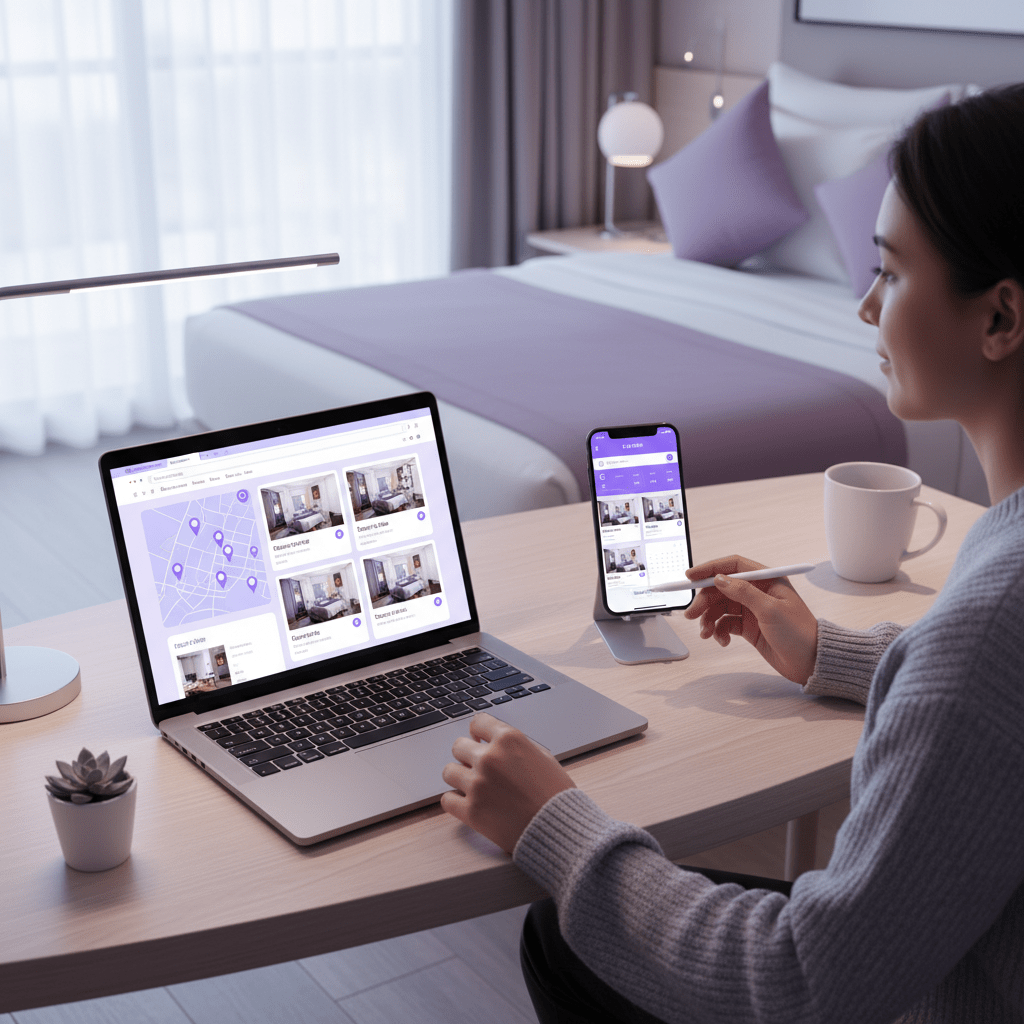
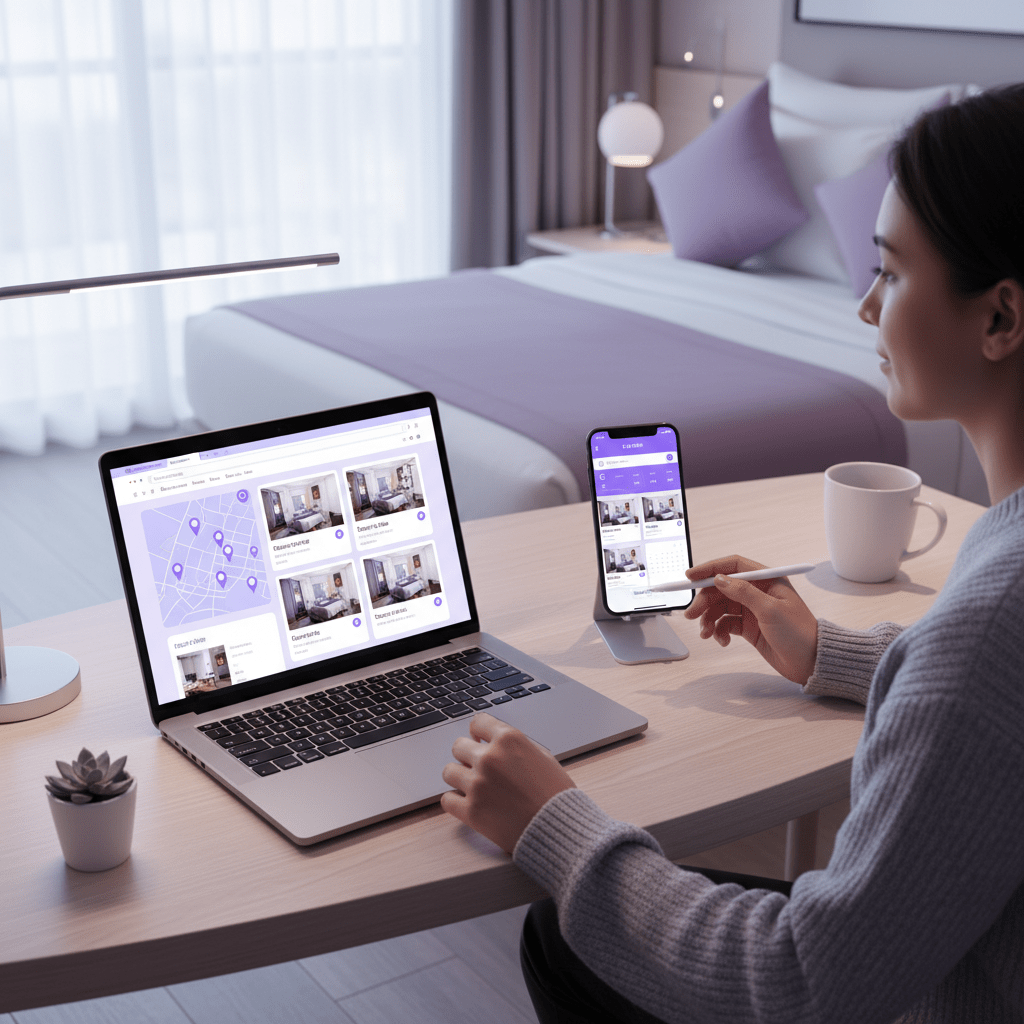
Ever notice how a hotel search can turn into a tab explosion? One minute you’re looking for a cozy stay near the beach, and the next you’re staring at booking sites, map pins, and a dozen room photos. That’s the fight most hotels face every day.
Big OTAs like Booking.com and Expedia often take 15% to 30% of each booking, which can really sting for small properties. That’s why seo for hotels matters so much. It gives independent hotels and small chains a real shot at showing up where travelers are already looking, right in local search.
And here’s the good part. Local seo for hotels is not just about traffic. It helps you get more direct bookings, build trust, and keep more of your money. If your hotel website optimization is solid, your Google Business Profile is complete, and your reviews look strong, you can pull travelers toward your own site instead of paying a big cut to someone else.
In this guide, we’ll walk through the stuff that moves the needle. You’ll see how to improve your google business profile for hotels, fix hotel listing management, raise local search rankings for hotels, and handle hotel reputation management without losing your mind. We’ll also cover practical hotel seo tips that fit real hotel teams, not just marketing folks with endless time.
Ready? Let’s get into it.
Section 1: The Foundation: Why Local SEO is a Game-Changer for Your Hotel
Ever searched for a hotel on your phone at 9:40 p.m. while standing outside a train station? You type fast. You tap fast. And you pick from the first few places that pop up. That little moment is where local SEO for hotels starts doing real work.
Local SEO is about showing up for nearby searches. Think “hotel in downtown Chicago” or “resort near Miami Beach.” General SEO is broader. That’s the stuff that tries to rank for bigger searches like “best hotels in the US.” Useful, sure. But local search is where travelers usually have booking intent right now.
And that’s the big deal. If someone is already looking for a room in your area, they’re much closer to booking than a person just browsing ideas. Your hotel marketing strategy should match that intent. Not just traffic. Real guests.
The main goal is simple: show up in the Google Local Pack and on Google Maps. That map with three listings? It gets a lot of eyeballs because it sits right at the top. Plus, people on mobile tend to compare just a few options, check reviews, look at photos, and book pretty fast if the details look right.
Here’s the part many hotel owners feel in their wallets. OTAs often charge 15% to 30% per booking, so every direct booking keeps more cash in your pocket. That’s why seo for hotels is not just a marketing task. It’s a profit move.
Actually, wait, there’s a better way to say it. Good local search rankings for hotels help the right people find you at the right time, then push them toward your own site instead of a commission-heavy middleman. That’s the whole win.
| Search type | What the traveler wants | Best SEO focus |
|---|---|---|
| “hotel in downtown Chicago” | A room nearby, soon | Local SEO |
| “best hotels in the US” | Broad research | General SEO |
| “hotels near me” | Fast options close by | Google Maps and Local Pack |
So if your google business profile for hotels is strong, your hotel website optimization is clean, and your reviews look good, you’re not just visible. You’re bookable. And that’s the real goal.
If you’re using tools like Ease My Hotel, this gets even smoother because your booking data, guest messages, and channel manager can all support the same direct booking push. Less mess. More control. Nice, right?
Next up, we’ll get into the parts of local SEO that actually move the needle.
Section 2: Your Most Valuable Asset: Mastering Your Google Business Profile (GBP)
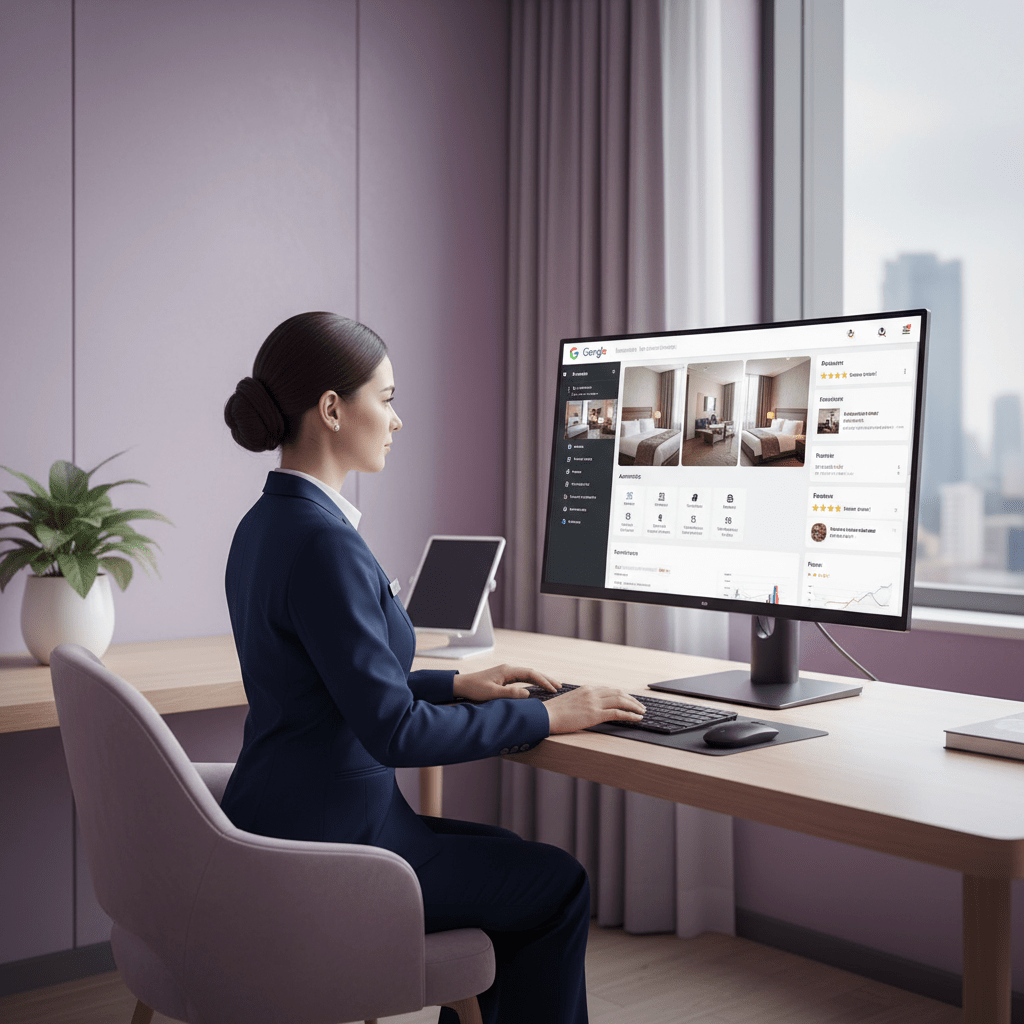
You know that feeling when you search for a place and one listing just looks… alive? Fresh photos. Clear hours. A pool shot that makes you want to pack a bag. That’s not luck. That’s a strong Google Business Profile for hotels doing its job.
And for seo for hotels, this page is a big deal. It’s often the first thing travelers see before they ever hit your website. Google says local results lean on proximity, relevance, and prominence, so your GBP is not just a listing. It’s a trust signal, a booking helper, and a quiet sales rep that works all day.
Step 1: Claim and verify your profile
First, claim the profile for your property. Then verify it. No shortcuts here. If you skip this part, you can’t fully control your hotel listing management, and that gets messy fast.
Once you’re in, fill out every field you can. Use your exact hotel name, address, phone number, and website. Keep it clean and consistent with your site and other listings. That helps local search rankings for hotels and cuts down on confusion.
Step 2: Pick the right hotel details
This is where a lot of places leave money on the table. Google’s hotel attributes let you add useful details like:
- Pool
- Free Wi-Fi
- Pet-friendly
- Spa
- Fitness center
- Restaurant
- Parking
- Airport shuttle
- Wheelchair accessible
- Sustainability practices
Don’t stop at the basics. If you have meeting rooms, a kids’ area, or electric vehicle charging, add that too. Travelers filter by these things all the time. Weirdly enough, one missing detail can be the thing that sends them to the place next door.
| Profile area | What to add | Why it helps |
|---|---|---|
| Core info | Name, address, phone, website | Keeps your details easy to trust |
| Hotel attributes | Pool, Wi-Fi, pet-friendly, accessibility | Helps travelers filter faster |
| Sustainability | Recycling, conservation, certifications | Helps eco-minded guests choose you |
| Amenities | Bar, restaurant, shuttle, gym | Shows what makes your stay different |
Step 3: Use photos and short videos that feel real
Photos matter. A lot. Google likes high-quality images, and travelers do too. Use bright, clear shots of your rooms, lobby, exterior, dining area, and amenity spaces. If you can, geo-tag them and label them clearly.
And please, show the actual room. Not just the nicest corner at golden hour. People want to see what they’re booking. Add a short video too, maybe a 20-second walk-through of the lobby or pool. That tiny clip can make your hotel website optimization and GBP work together better, because people feel more sure before they click.
Step 4: Post like a human, not a billboard
Google Posts are a simple way to keep your profile fresh. Use them for:
- Last-minute deals
- Weekend packages
- Live music in your lounge
- Holiday brunch
- Renovation updates
- Seasonal offers
Keep the tone warm and short. Something like, “Live music in our lounge this Friday from 7 to 9 PM. Grab a room, stay for dinner, and make a night of it.” That sounds better than a stiff promo from 2008.
Step 5: Answer Q&A before guests ask
The Q&A section gets ignored way too often. But it’s a handy spot for common questions like check-in time, parking, pet rules, or breakfast hours.
You can post your own questions and answer them. That’s smart. It helps with hotel reputation management and saves front desk time later. And if a guest asks something new, reply fast and plainly. No jargon. No canned nonsense.
If you’re using Ease My Hotel, this gets easier because your booking details, guest messages, and property info can stay in one place instead of bouncing across five tools. Less scrambling. More control. Nice little win.
Bottom line? A fully filled-out GBP helps increase direct bookings by making your hotel easier to find, easier to trust, and easier to book. That’s the kind of local seo for hotels work that pays off every week, not just once a year.
Section 3: On-Page SEO: Turning Your Website into a Local Authority
You know that tiny moment when a traveler lands on your site and thinks, “Yep, this feels like the place”? That little nod of trust does not happen by accident. It usually starts with your on-page SEO.
Think of your hotel website like a front desk that never sleeps. If the wording is clear, the pages load fast, and the location clues are easy to spot, people stick around. But if the site feels generic, they bounce. Fast.
Use location words the way guests search
Start with your title tags and headers. Don’t just say “Welcome to Our Hotel.” That’s bland. Instead, try something like:
- Boutique Hotel Near Union Square
- Family Hotel Near Central Park
- Beachfront Resort in Santa Monica
Those phrases tell both Google and your guests where you are and who you serve. Add the same kind of language in your meta descriptions, headers, and body copy. Just keep it natural. If it sounds stuffed, rewrite it.
Here’s the thing. People don’t search like robots. They type real stuff like “hotel near airport shuttle in Austin” or “quiet stay near Pike Place Market.” So your hotel website optimization should sound like that too.
Write pages that answer real local questions
This is where a lot of hotels miss out. They only write about rooms and rates. That’s fine, but it’s not enough.
Add local content that helps travelers plan the trip, like:
- A Guide to the Best Restaurants in Your Neighborhood
- Top 10 Family Activities Near Our Hotel
- Best Coffee Shops Within a 10-Minute Walk
- What to Do on a Rainy Day in [Your City]
That kind of content does two jobs at once. It gives guests something useful, and it gives search engines more local clues. Plus, it makes your hotel marketing strategy feel more human. Not salesy. Just helpful.
And yes, one blog post about your neighborhood can bring in traffic for months. Kind of a nice deal.
Don’t skip schema markup
Now, this part sounds nerdy, but stick with me. Schema markup is code that helps Google understand your hotel better. It can tell search engines your room types, price ranges, amenities, and more. For hotels, that usually means Hotel or LocalBusiness schema.
When done right, schema can help you show richer search results. Think more details on the page before someone even clicks. That can support local search rankings for hotels and make your listing look more useful than the one next to it.
A simple way to think about it: schema is like handing Google a neat little folder instead of making it dig through a messy drawer. Which, honestly, feels a lot better for everyone.
| On-page area | What to include | Why it helps |
|---|---|---|
| Title tags | Location + hotel type | Matches local search intent |
| Meta descriptions | Area, amenity, booking hook | Helps get more clicks |
| Headers | Nearby landmarks, room types | Gives clear page context |
| Body copy | Neighborhood details, guest needs | Makes the page feel useful |
| Schema markup | Hotel, room types, amenities | Helps Google read the page |
A few quick fixes that matter
- Make sure your pages work well on phones.
- Keep image files light so pages load fast.
- Use unique text on each room page.
- Add alt text to your photos.
- Keep your name, address, and phone number the same across the site.
A lot of hotel sites still trip over these basics. And honestly, it’s usually not a design problem. It’s a content problem.
If you use Ease My Hotel, your booking data and property details can help keep your site info tidy and current, which makes updates a lot less painful. Less copy-paste chaos. More time for, you know, running the hotel.
So if you want to increase direct bookings, start with the pages travelers land on first. Make them clear, local, and easy to trust. That’s where seo for hotels starts paying off in a real way.
Try Ease My Hotel for free.
No lock-in contracts. Cancel anytime
Section 4: Building Local Signals: Citations and Backlinks
Ever had that weird moment where a hotel looks perfect online, but the name is written three different ways across the web? One listing says “Main Street Inn.” Another says “Main Street Hotel.” Then the phone number is wrong on a random directory. Messy stuff. And yes, Google notices.
That’s where local citations come in. A citation is just your hotel’s Name, Address, and Phone number, or NAP for short, listed on another site. Simple idea. Big impact. If your NAP is the same everywhere, it helps search engines trust your business and can support local search rankings for hotels. If it keeps changing, you look shaky.
Here’s the deal: consistency matters more than fancy wording. Same hotel name. Same suite number. Same phone line. Same format. No sneaky changes like “Road” on one site and “Rd.” on another if you can help it. That kind of thing can confuse both guests and search engines.
Where hotels should show up
Start with the places people already check. A strong hotel listing management plan usually includes:
- Google Business Profile
- Bing Places
- Yelp
- TripAdvisor
- Hotel-specific sites like Hostelworld, HotelPlanner, AllStays, and Lodging World
- Local business groups like your Chamber of Commerce
- Tourism board directories
And yes, travel directories matter a lot for seo for hotels because travelers actually use them. TripAdvisor, in particular, can put your property in front of people who are already comparing places to stay. That’s a pretty good spot to be in.
| Citation type | Examples | Why it helps |
|---|---|---|
| Major platforms | Google Business Profile, Yelp, Bing Places | Builds trust and visibility |
| Travel sites | TripAdvisor, Hostelworld, HotelPlanner | Reaches travel shoppers early |
| Local sites | Chamber of Commerce, tourism boards | Adds local proof and links |
| Niche listings | AllStays, BNBFinder, Lodging World | Helps specific guest types find you |
Easy ways to earn local backlinks
Backlinks are links from other sites to yours. Think of them like a local nod. A hotel marketing strategy with good links can help your site look more trusted, especially if those links come from real local places.
A few simple ideas:
- Partner with a nearby museum, beach club, or vineyard and swap mentions on your websites.
- Sponsor a local 5K, food fair, or school event.
- Ask a local travel blogger to include you in a “best weekend in town” guide.
- Offer a small discount for visitors from a nearby attraction, then ask for a link back.
- Join your local Chamber of Commerce and make sure your listing points to your site.
You do not need a giant PR budget. Honestly, a few good local mentions can do more than a pile of weak directory links.
One thing I’d watch closely is review pages. Strong hotel reputation management can help here because good ratings and steady review replies make your business look active and real. And if you use a tool like Ease My Hotel, it gets easier to keep booking info, guest details, and property updates in one place so your citations stay cleaner over time. Less chaos. Less copy-paste. Nice.
If you want a quick win, pick five citation sites this week and clean up your NAP first. Then chase one local backlink next month. Small steps. Real payoff.## Section 5: The Trust Factor: Review Management for SEO and Bookings
You know that tiny pause people make before they book? They scan the stars. Then the newest reviews. Then the replies. That little habit matters a lot more than most hotel teams think.
For seo for hotels, reviews are a big deal. Review count, how often new reviews show up, and the quality of those reviews all help send trust signals to Google. And trust helps with local search rankings for hotels. A steady stream of fresh, real reviews can also help your property look active instead of forgotten. Nobody wants to book a place that feels abandoned.
And the booking side? Even bigger. A hotel with stronger ratings often gets picked more often, even at the same price. So hotel reputation management is not just about looking nice online. It can help increase direct bookings too.
Here’s what actually works:
- Ask guests for reviews after checkout by email.
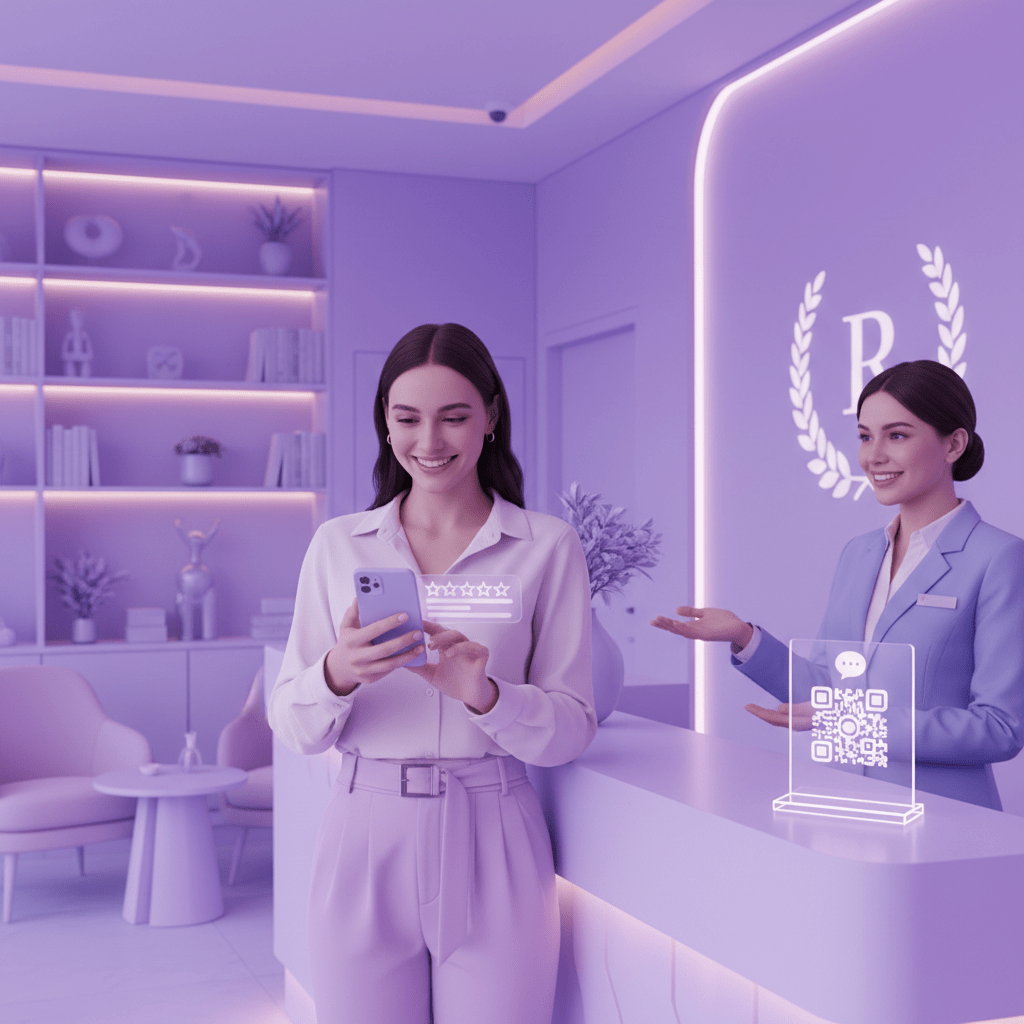
- Add a QR code in the room or at the front desk.
- Remind happy guests in a quick, friendly way at checkout.
- Make it super easy. One click if you can.
The follow-up email should go out fast, usually within a day or two. Short and warm works best. Something like, “Thanks for staying with us. If you had a good trip, we’d love a quick review.” No long speech. No weird pressure.
QR codes help too. Put one on the desk card, the bill folder, or even near the elevator. A lot of guests mean to leave a review, then they get distracted by luggage, kids, or the taxi app. The QR code catches them in that tiny window.
But the replies matter just as much. Reply to every review you can, good or bad. Say thanks for the nice ones. And for negative reviews, stay calm. Own the problem. Future guests read that stuff.
Try this simple reply template for a bad review:
Hi [Name], thanks for sharing this. I’m sorry your stay didn’t meet expectations. That’s not the experience we want for our guests. We’ve shared your comments with our team so we can look into it and do better next time. If you’d like to talk more, please reach out to us directly.
That tone works because it’s honest without getting defensive. It shows you care. And weirdly enough, a thoughtful reply can win over people who never even stayed with you.
If you use Ease My Hotel, this gets easier because guest messages, booking info, and follow-up notes can all live in one place. Less chasing. More consistency. Nice little win for your hotel marketing strategy.
So if you want to improve seo for hotels and build trust at the same time, start with reviews. Ask for them. Reply to them. Keep them flowing. That’s the kind of hotel SEO tips work that keeps paying off.
Section 6: Measuring What Matters: Tracking Your Hotel’s Local SEO Success
It feels good when the phone rings. Nice little rush. But if you don’t know why it rang, you’re kind of guessing in the dark.
That’s why tracking matters in seo for hotels. You want to know if your Google Business Profile is pulling in calls, if your website is getting more clicks, and if those clicks are turning into real bookings. Not just traffic. Real guests. Real money.
The main numbers to watch
Start with a few simple KPIs:
- Local Pack ranking for your target terms, like “hotel near [city]”
- Calls from GBP
- Clicks to your website from your Google Business Profile
- Booking button clicks on your site
- Direction requests in Google Maps
- Direct bookings that came from local search
If you’re seeing more calls and more booking clicks, that’s a good sign your local seo for hotels is doing its job. And if your hotel website optimization is strong, those visitors should stick around longer and book more often.
How to tell GBP traffic from everything else
Use Google Analytics 4 with UTM tags. Simple setup. Big payoff.
Add UTMs to the link in your Google Business Profile, like this:
Then go into GA4 and check Traffic Acquisition. Filter by source and medium. That helps you spot clicks coming from your GBP listing instead of your ads, email, or social posts. You can also build a custom report in Explore to compare sessions, conversions, and engagement rate by source.
So if your GBP sends 80 visits and 14 booking clicks in a month, you’ll know it’s working. Clean. Easy. Useful.
What Search Console can tell you
Google Search Console is your best friend for local search rankings for hotels. It shows the queries people used before they found you. Look for searches like:
- “boutique hotel in Austin”
- “hotel near airport shuttle”
- “family hotel downtown Denver”
That tells you what guests are really typing. It also helps you spot pages that get impressions but not clicks. That’s a clue to fix the title, meta description, or content.
You can also use Search Console to check site health. Watch for crawl issues, mobile problems, and pages that suddenly drop off. If your hotel listing management is solid but your pages are slow or broken, you’ll still lose bookings. Annoying, but true.
A lot of hotel teams pair these reports with a tool like Ease My Hotel, since it keeps booking data, guest communication, and property details in one place. That makes it easier to connect the dots between search traffic and actual stays. Less guessing. More control.
One last tip: review your numbers every month. Not every hour. Every month gives you a better view of what’s really happening. Then adjust your hotel marketing strategy from there.
Conclusion: Your Action Plan for Sustainable Local Growth
Local SEO for hotels is not a one-and-done task. It’s more like tidying a busy front desk. You do it, then you keep doing it. A strong Google Business Profile for hotels, clear on-page content, steady citations, and active review replies all work together to help you increase direct bookings.
And yes, the payoff can be a big deal. OTAs can take 15% to 30% per stay, so every direct booking matters more than it might look at first glance. Local search rankings for hotels build over time, which is good news if you’re patient and consistent.
Here’s the simple play: keep your hotel website optimization clean, keep your hotel listing management consistent, and keep your hotel reputation management active. Small steps. Done often.
Start today by performing a full audit of your Google Business Profile. It’s the single most impactful step you can take.
Try Ease My Hotel for free.
No lock-in contracts. Cancel anytime