
Introduction: Beyond the Feed – Why Instagram Stories Are Your Secret Weapon in Hospitality
Ever post a pretty room shot or a glossy plate pic, then watch it disappear into the void? Yeah. Been there.
That’s the hard part of instagram hospitality marketing. You can spend hours on social media for hotels and restaurants, but still not see more bookings, more walk-ins, or more real buzz. And that’s frustrating.
Here’s the brighter side: Instagram Stories for hospitality can turn quick, casual posts into action. They feel more real than polished feed posts, and that makes people pay attention. Plus, Stories give you a low-cost way to show off your space, your staff, and your vibe without needing a huge ad budget.
With more than 500 million people watching Instagram Stories every day, this format is too big to ignore. We’ll walk through a step-by-step plan for driving bookings with Instagram, building trust, and sharing engaging hospitality content that actually gets results. Think of it as a simple hotel social media strategy you can start using right away.
And yes, we’ll cover plenty of hospitality content ideas too. From user-generated content for hotels to Instagram for cafes and bars, we’ll keep it practical. No fluff. Just a clear path to better reach, more interest, and more revenue.
1. The ‘Why’: Unpacking the Power of Stories for Hotel and Restaurant Marketing
You know that tiny rush you get when a Story pops up and it says, “Only 3 left”? That’s not an accident. It taps into FOMO fast. And in hospitality, that little nudge can move people from “maybe later” to “book now.”
Stories work because they feel short and real. Feed posts can sit there for days, but a Story disappears. That gives it a now-or-never feel, which is perfect for hotel rooms, dinner specials, and last-minute offers. People do pay attention. Over 500 million people watch Instagram Stories every day, and that makes this format a big deal for instagram hospitality marketing.
But Stories are not just for posting pretty shots. They can help you learn what guests want. Polls can tell you if people want a pool view or a spa package. Quizzes can test menu ideas. Sliders and question boxes can open up honest feedback without making guests fill out a boring form. That’s handy for social media for hotels and restaurants, because you’re not only talking. You’re listening too.
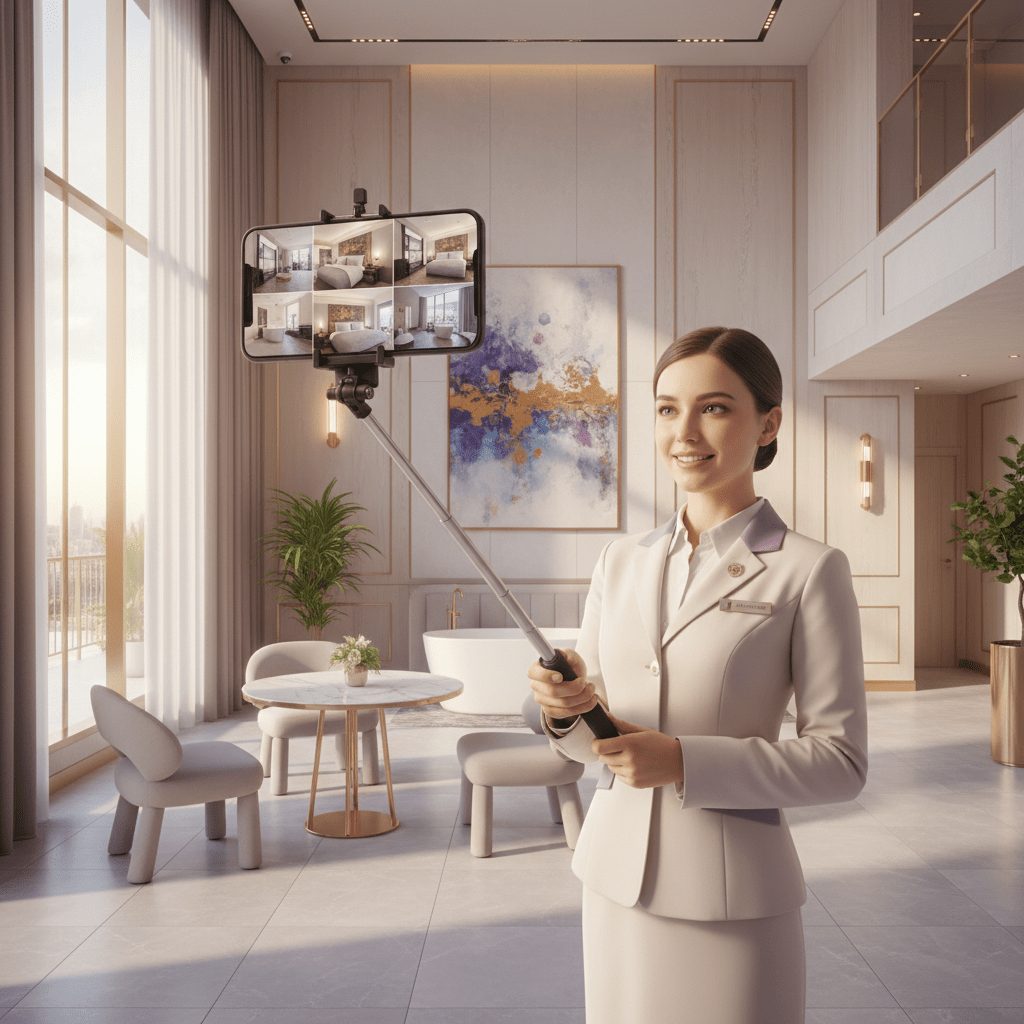
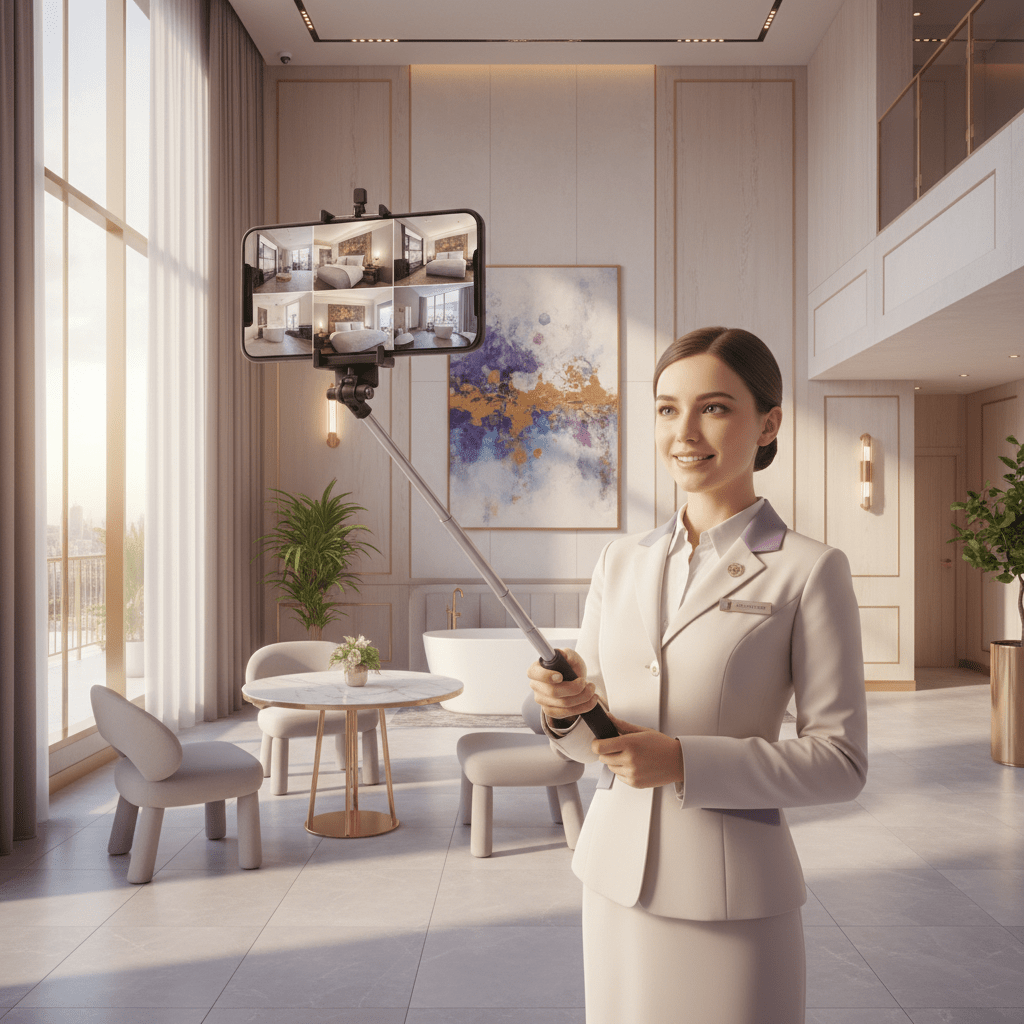
Here’s the fun part. The full-screen, vertical format feels close and immersive. A quick room tour. Steam rising off a plate. A bartender shaking a drink under warm lights. It all feels more alive than a square photo in the feed. I’ve seen that style work especially well for Instagram Stories for hospitality, since it shows mood, movement, and space in one swipe.
So if you’re building a hotel social media strategy, think of Stories as your fast lane. Use them for:
- Room and suite walk-throughs
- Chef prep clips
- Daily specials
- Guest polls
- Behind-the-scenes moments
- Last-minute booking pushes
And yes, user-generated content for hotels fits here too. A happy guest clip can feel more convincing than a polished ad. People trust people. That’s just how it goes.
If you want a simple next step, start with one Story a day. Keep it light. Keep it real. Then watch which hospitality content ideas get taps, replies, and bookings. That’s where the signal is.
2. Foundation First: Setting Up Your Profile for Story Success
Ever notice how some hotel or restaurant profiles just feel easier to trust? They look tidy. Clear. Ready. That starts before you post a single Story.
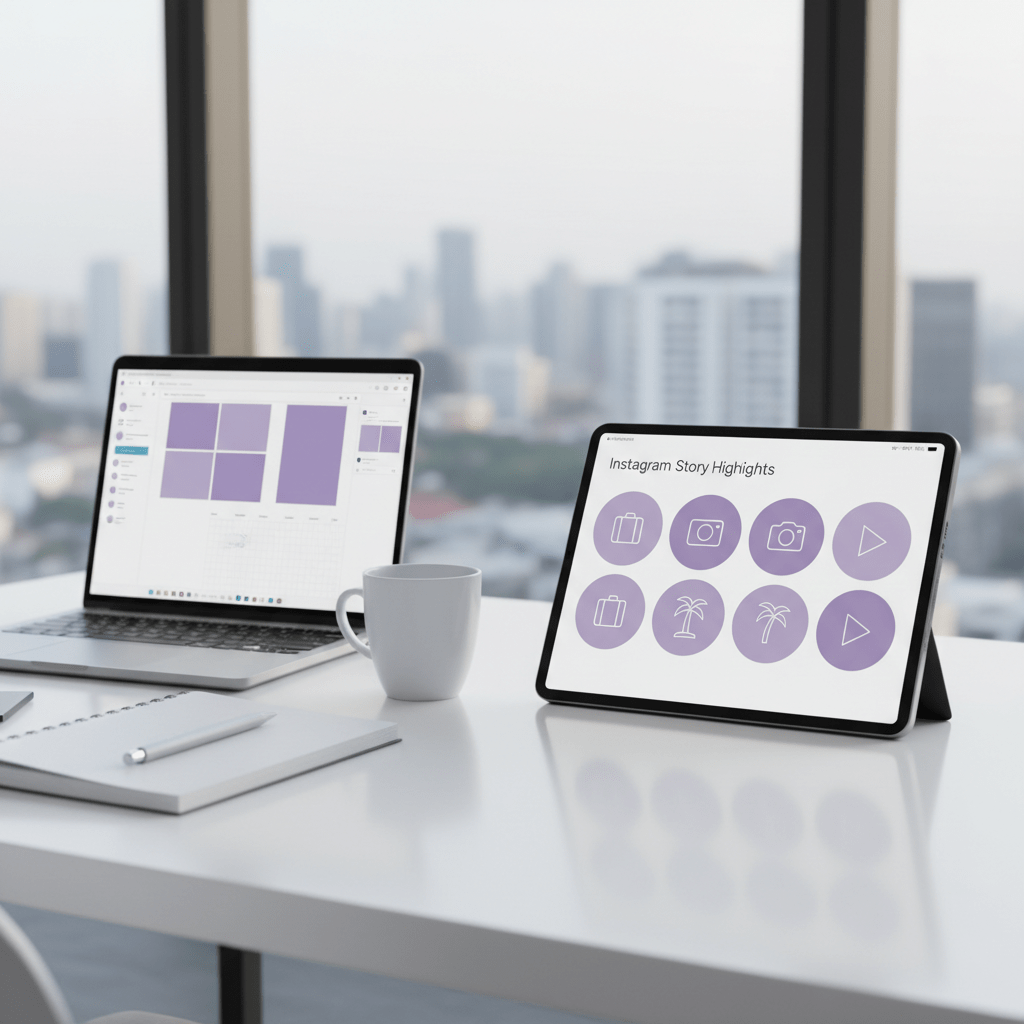
First, set up branded Story Highlight covers. Think of them like little signposts on your profile. If someone lands on your page at 9:12 p.m. while scrolling for a room, dinner spot, or weekend plan, they should know where to tap right away. Good starter groups for hotels are Rooms, Dining, Amenities, Offers, Reviews, and FAQ. For restaurants, try Menu, Drinks, Specials, Location, Reviews, and Events. Keep the names short. Clean wins.
Here’s the thing though. Highlights do more than look pretty. They hold your best Story content after the 24-hour clock runs out, so people can keep checking back. That helps with instagram hospitality marketing because your profile starts working like a mini brochure. Not a stiff one. A useful one.
Then make a few simple Story templates in Canva. Just a few. Maybe one for promos, one for guest quotes, one for quick room or menu features, and one for a clear call to action. Use the same colors, same fonts, and the same logo spot every time. That small repeat look makes your social media for hotels and restaurants feel more polished without eating your whole afternoon.
And yes, this saves time. A lot of time. Instead of building every post from scratch, you can swap photos, text, and prices in minutes. That’s a relief when you’re juggling bookings, staff, and maybe a late check-in that showed up at 11:48 p.m.
Now for the numbers. Keep an eye on four Story stats:
| Metric | What it tells you |
|---|---|
| Reach | How many unique people saw it |
| Impressions | How many total views it got |
| Taps Forward | People skipped ahead, so the Story may be too long or slow |
| Taps Back | People went back, which often means they liked that part |
| Exits | People left the Story, so something may have missed the mark |
If taps forward are high, trim the fluff. If taps back are high, you probably hit a good moment. And if exits spike on one frame, well… that frame needs work.
A simple rule: fix the profile first, then post. That way your Instagram Stories for hospitality don’t just get views. They point people toward booking, ordering, or asking questions.
If you want one easy next move, open Canva today and build three reusable templates. Then set up your Highlights so they match. Small step. Big payoff.
3. Content That Converts: 5 Types of Stories Proven to Attract Guests
A guest sees your Story at 8:07 a.m. on the train. Two taps later, they’ve saved your brunch special or sent it to a friend. That’s the kind of tiny moment that can turn into a booking, a table, or a DM.
And here’s the deal. Not every Story needs to be fancy. In fact, the ones that feel a little raw often work best. People want to see the real hotel, the real chef, the real staff, the real plate. That’s a big reason Instagram Stories get daily attention from more than 500 million people.
So let’s look at the Story types that usually pull guests in.
1. Behind-the-Scenes clips
This is where your brand gets a face.
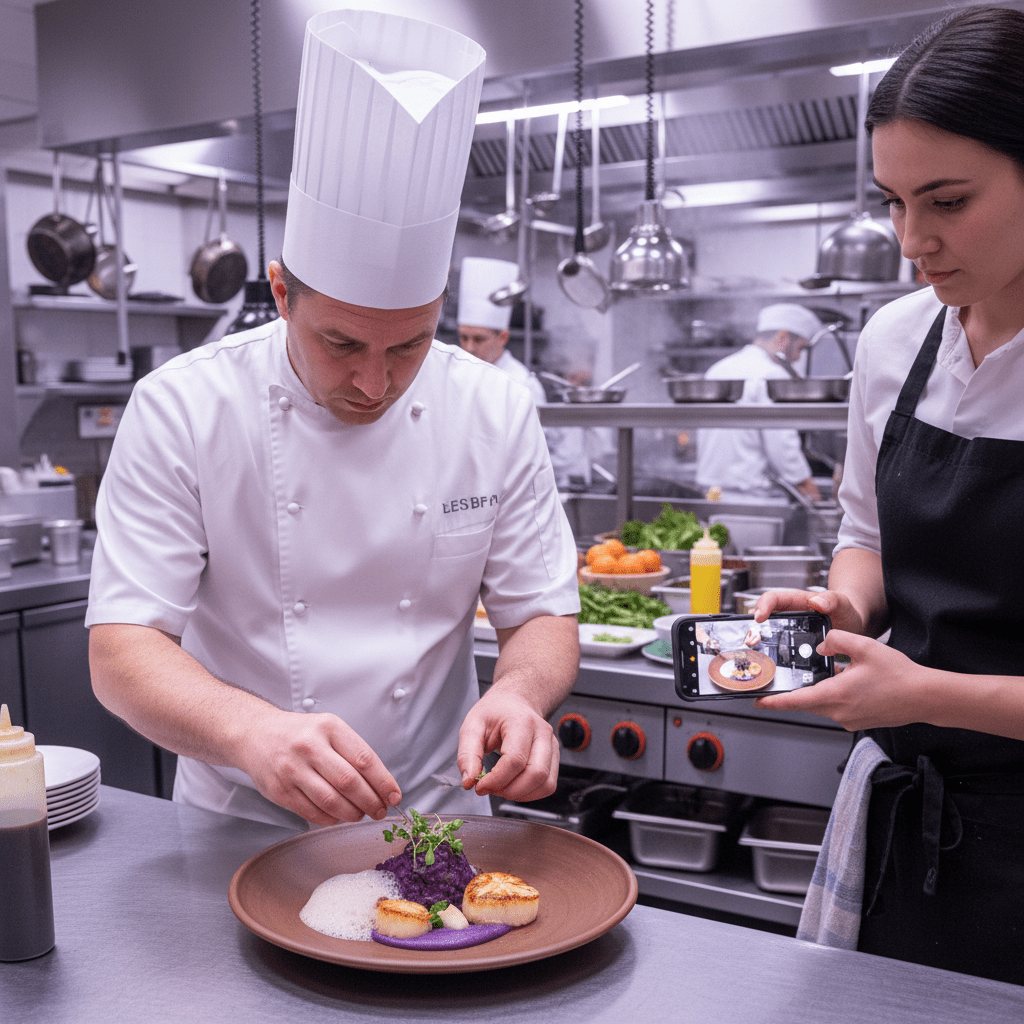
Show the kitchen in motion. Let people watch a room being set up. Introduce the bartender who knows every regular by name. Even a 10-second clip of a chef finishing a signature dish can make your brand feel warmer and more real.
Try these ideas:
- A “meet the team” Story on Mondays
- A quick room prep walk-through before check-in time
- The story behind one dish or drink
- A peek at housekeeping, spa setup, or breakfast service
It doesn’t have to be perfect. Actually, scratch that. It probably works better if it isn’t perfect. A little movement. A little noise. That’s the charm.
2. User-generated content
This one is gold.
When a guest posts a pool shot, a dinner reel, or a selfie in your lobby, it acts like a friend’s recommendation. And people trust that. A lot. Consumer research has found that 92% of people trust peer recommendations and UGC more than traditional ads, which is why user-generated content for hotels can work so well.
Here’s a simple way to use it:
- Ask permission before resharing.
- Thank the guest by name if they’re comfortable with that.
- Add a short caption that points back to the experience.
- Save the best ones in a Highlight.
For restaurants, this can be as easy as reposting a guest’s plate photo from Friday night. For hotels, it could be a sunset balcony clip or a family enjoying the pool. Either way, it builds trust fast.
3. Exclusive offers and flash sales
People love a deal that feels private.
A Story-only offer gives viewers a reason to act now. Maybe it’s “Book in the next 24 hours and get a free appetizer.” Or “Reply ‘ROOM’ for a late checkout perk.” That kind of offer feels direct, and it can help with driving bookings with Instagram without sounding pushy.
A few flash sale ideas:
- Free drink with dinner, today only
- Room upgrade for same-day bookings
- Spa credit for weekend stays
- Chef’s table seats released in Stories first
- Happy hour deal for unsold tables
Keep the message short. Keep the deadline clear. And make the link easy to tap.
4. Staff spotlights
People book places, but they remember people.
A short Story about your concierge, front desk lead, or sous chef can do a lot for your brand. It helps guests feel like they already know the team. That’s a quiet win for social media for hotels and restaurants.
Try this format:
- Name
- Role
- One fun fact
- One favorite thing on the menu or in the property
It’s simple. It works. And it gives your hotel social media strategy a human voice.
5. Mini tours and fast FAQs
This one helps people move from curious to ready.
Show the suite. Show the rooftop. Show parking. Show where to check in. For restaurants, show the patio, the bar, or where to park for dinner. Then answer one small question in each Story, like “Do you take walk-ins?” or “Is breakfast included?”
Here’s a quick cheat sheet:
| Story type | Best for | Why it works |
|---|---|---|
| Behind-the-scenes | Hotels, cafes, bars | Feels real and warm |
| UGC | All hospitality brands | Builds trust fast |
| Flash sales | Bookings and table fills | Creates urgency |
| Staff spotlights | Hotels and restaurants | Adds a human touch |
| Mini tours and FAQs | Guests who are close to booking | Removes doubt |
One last thing. If you’re using the Link sticker, tag each Story link with UTM codes so you can see what’s working in your reports. That way your Instagram Stories for hospitality do more than look nice. They help you learn.
If you want a simple next step, pick one Story type from this list and post it this week. Then keep the ones that get replies, taps, and bookings. That’s your best clue.
Try Ease My Hotel for free.
No lock-in contracts. Cancel anytime
4. Advanced Tactics: Driving Direct Bookings and Foot Traffic with Interactive Features
You know that little moment when someone taps your Story link and does not bounce? That’s the good stuff. Not luck. Just a smarter path from scroll to seat, room, or booking page.
The Link sticker is where a lot of hospitality brands leave money on the table. They send people to the homepage, and then hope for the best. But guests usually want one clear next step. So send them straight to the booking engine, menu page, event ticket page, or reservation form. If you’re running a weekend brunch push, link to brunch reservations. If you’re promoting a live music night, link to the ticket page. Simple. Clean. Way better.
Here’s a tiny workflow that works pretty well:
- Pick one goal for the Story.
- Send the Link sticker to the exact page for that goal.
- Add a short line like “Book now” or “See tonight’s menu.”
- Track the click with UTM tags so you know what happened.
That last part matters. A tagged link helps you see which Instagram Stories for hospitality are pulling real traffic, not just views. And if you’re using a promo code like IGSTORY10, even better. Now you can match the click with the booking or sale.
Interactive stickers are another easy win. Polls, quizzes, and question boxes turn your Story into a two-way chat, which is great for social media for hotels and restaurants. Try a poll like, “Which cocktail should be our happy hour special?” or “Pool view or garden view?” That gives you quick feedback and makes people feel involved.
Quizzes are fun too. A restaurant can ask, “How many local farms do we source from?” A hotel can run, “Do you know which year our rooftop opened?” It sounds small, but these little games keep people tapping.
And question stickers? Gold. Seriously. “Ask our chef anything.” “Ask our concierge about the best beach nearby.” “Ask our bartender what to order first.” That kind of engaging hospitality content helps guests feel close before they even walk in.
Now for takeovers. These can be a nice boost if you do them with care. Bring in a local food blogger, travel creator, or nearby business for a Story takeover, then give them a clear plan. One day in the life works well. So does a Q&A. A sommelier answering wine questions. A travel creator showing their favorite room and breakfast spread. A wedding planner talking about venue flow. That kind of collab can open your hotel social media strategy to a whole new audience.
A few takeover ideas that tend to work:
| Takeover type | Best partner | Good CTA |
|---|---|---|
| Chef or bartender day-in-the-life | Staff member | Reserve a table |
| Local food creator | Blogger or influencer | Try the weekend special |
| Nearby wedding planner | Local partner | Book a tour |
| Travel creator | Travel account | Check room dates |
| Neighboring business swap | Gym, spa, tour company | Visit both spots |
One thing I like about takeovers is how human they feel. Not polished. Just real. And real often wins in hospitality.
If you want a practical next step, start with one Link sticker campaign this week, one poll, and one small takeover. That’s enough to test what gets clicks, replies, and actual foot traffic. And if you need a way to keep bookings, guest messages, and promo tracking in one place, a cloud system like Ease My Hotel can help your team stay on top of the moving pieces without the usual spreadsheet chaos.
5. Measuring What Matters: How to Track ROI from Your Instagram Hospitality Marketing
You post a Story. It gets a few taps. Nice. But did it bring in a booking, a table, or a DM that turned into a guest? That’s the real question.
Vanity numbers can feel good for a minute. Views. Likes. A quick burst of attention. But if you’re working on instagram hospitality marketing, you need to know what actually moves people. So let’s keep it simple and look at the stuff that pays off.
First, track bookings with a Story-only promo code. Use one code for one offer, like IGSTORY10 for a room deal or STORYBRUNCH for a Sunday special. If ten people use it, you know the Story worked. If nobody uses it, well… that tells you something too. You don’t need a fancy setup for this. Just a clean code, a clear offer, and a way to log redemptions in your system.
Next, watch website traffic from Instagram in Google Analytics. This is where the Story link sticker gets a job. If you send people to the right page, you can see which Stories brought the best visitors to your booking page, menu page, or event page. A simple setup uses UTM tags on each link, then checks the results in GA4. That helps you see more than clicks. You see real interest.
Here’s a plain-English way to do it:
- Pick one Story goal.
- Make one tagged link for that Story.
- Add a promo code if you have one.
- Check GA4 for visits and bookings later that day or week.
- Write down what worked.
That’s it. No spreadsheet wizardry needed. Just a small habit that gives you a better hotel social media strategy.
Also, pay attention to offer Story engagement. How many people tapped the link? How many replied? Did they ask a question, or just move on? Those little signs tell you which Instagram Stories for hospitality got people curious enough to act. And that’s more useful than a pile of views from people who were just passing by.
I like to think of this as a scorecard for your social media for hotels and restaurants. If a behind-the-scenes post gets replies, keep doing that. If a flash sale gets clicks but no bookings, maybe the offer needs work. If a poll gets lots of taps, try turning that idea into a real menu special or room package.
| What to track | What it tells you |
|---|---|
| Promo code use | Did the Story bring in bookings or orders? |
| Link clicks | Did people want to learn more? |
| Replies | Did the Story start a real conversation? |
| GA4 traffic | Did Instagram send qualified visitors to your site? |
| Conversions | Did those visitors actually book, reserve, or buy? |
If you want a smarter next step, keep a tiny weekly log. Story topic. Date. Link. Code. Result. After a month, patterns start showing up. You’ll spot the best hospitality content ideas, the strongest offers, and the Story types that bring in real guests instead of just casual scrollers.
And if you’re ready to make all this easier, a cloud system like Ease My Hotel can help your team keep booking data, guest messages, and promo tracking in one place. Less guesswork. Less chaos. More clarity. Which, honestly, is a nice change.
Conclusion: From Passive Posting to a Powerful Profit Center
Stories can feel small. Quick. Easy to skip. But that’s kind of the point. They meet people where they already are, and they do it without sounding stiff or pushy.
If we take one thing from this guide, it’s this: instagram hospitality marketing works best when it feels human. Show the room. Show the chef. Show the tiny moments guests never see. Plus, keep the interaction going with polls, question boxes, link stickers, and Story-only offers. That’s how social media for hotels and restaurants starts to feel less like broadcasting and more like a real conversation.
And don’t forget the numbers. A Story only matters if it helps with bookings, table fills, or real interest. Track your clicks, promo codes, replies, and site visits so you know what’s working. No guesswork. Just better choices.
Want a simple way to start? Try this 7-Day Story Challenge:
| Day | Story prompt |
|---|---|
| 1 | Share a behind-the-scenes clip |
| 2 | Post one guest review or UGC clip |
| 3 | Run a poll with two choices |
| 4 | Show one menu item, room, or amenity |
| 5 | Ask one question with a sticker |
| 6 | Post a Story-only offer |
| 7 | Share a clear booking or reservation link |
Start small. Keep it real. And if you want help keeping bookings, guest messages, and promo tracking in one place, a cloud system like Ease My Hotel can make the whole thing a lot easier.
Try Ease My Hotel for free.
No lock-in contracts. Cancel anytime