
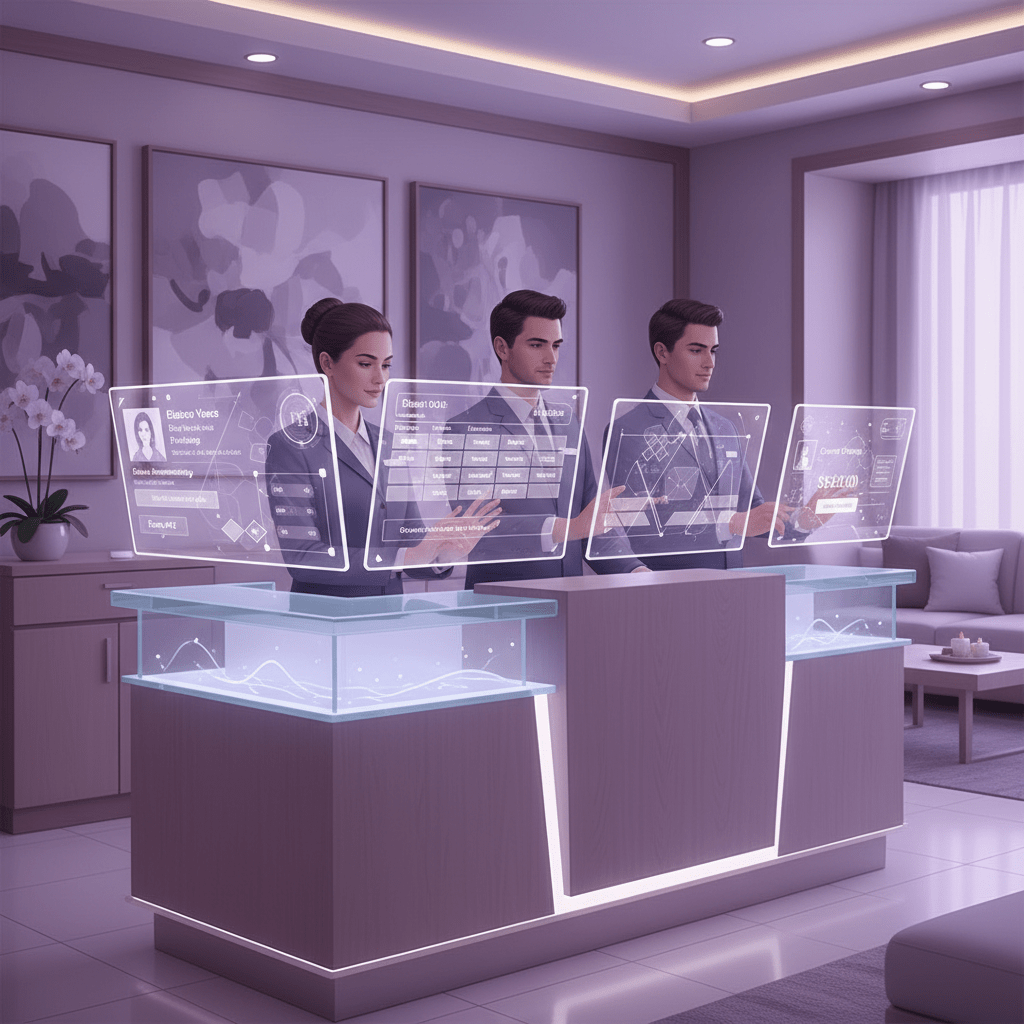
The Modern Hotel Spa Dilemma: Operational Chaos vs. Seamless Guest Experience
You know that feeling when a guest wants a massage, a facial, dinner, and a room charge sent to one bill… and your team is juggling phone calls, sticky notes, and three different systems? Yeah, not fun.
And guests notice. A lot of them now expect a smooth wellness stay, not a spa that feels like a side quest. In fact, the broader wellness travel market was worth about $814.6 billion in 2022 and keeps growing fast, while the hotel and resort spa market is on track to pass $39 billion by 2028, according to Global Wellness Institute market data and industry forecasts. That lines up with what travelers keep saying too. Around 70% to 80% say wellness amenities affect where they book.
So the spa is no longer just a nice extra. It’s part of the stay.
That’s where spa management software for hotels and spas steps in. Think of it as the control center that keeps bookings, staff schedules, guest profiles, retail sales, and room charges moving together instead of fighting each other. Done right, hotel spa software turns a messy back-of-house setup into a smoother business unit that can actually grow.
This guide will help you figure out what to look for in the best spa management software for hotels and spas. We’ll cover the key features, spa software PMS integration, top platform options, and the rollout steps that help you avoid headaches later. So if you’re comparing a resort spa booking system, a wellness center management platform, or cloud-based spa software for a hotel chain, you’re in the right place.
What keeps hotel spas stuck?
Most hotel spas run into the same mess. Phones ring all day. Emails pile up. Therapists get double-booked. Front desk staff retype the same guest details into different tools. And then there’s billing… always billing.
A strong spa POS and scheduling software setup can cut a lot of that chaos. It also helps with guest experience management for spas, which is a big deal because today’s travelers want personal touches, quick booking, and a treatment that feels linked to the rest of their stay.
Here’s the deal: the right integrated spa and hotel management system should do more than book appointments. It should help your team work faster, make fewer mistakes, and spot revenue chances you’d otherwise miss.
What this article will help you do
We’ll walk through:
- The must-have features in hotel spa software
- The systems that matter most for spa software PMS integration
- The main hidden costs to watch for
- Real-world signs that a platform can save time and lift revenue
- How to plan a rollout without making a mess of it
And yes, we’ll keep it practical. No fluff. No tech-speak soup.
Why this matters now
A hotel spa used to be a quiet add-on. Not anymore. Guests book treatments before they arrive, expect digital confirmations, and often want product recommendations before they even step out of the car. That means the software behind the spa has to keep up.
Plus, retail sales can make up 10% to 20% of spa revenue, and better systems often push that higher by linking inventory, purchase history, and guest profiles. So if your current tools still depend on memory and manual notes, you’re probably leaving money on the table. And nobody likes that.
Beyond Bookings: The True Business Value of Modern Spa Management Software
A spa can look calm on the surface. Behind the desk? Total chaos.
And that’s usually where spa management software for hotels and spas starts paying off in a real way. It’s not just about taking bookings faster. It helps your team stop chasing paper notes, messy spreadsheets, and random phone callbacks all day.
First, there’s the staffing side. Good hotel spa software can handle schedules, room use, therapist shifts, and commission math without making your managers do mental gymnastics at 9 a.m. That matters. A lot. One resort case study showed a 92% drop in admin tasks and a 95% drop in payroll time after switching to Book4Time, which is the kind of number that makes any front office team sit up straight.
Then there’s the guest side. With unified profiles, your team can see past treatments, preferred therapists, and even retail buys. So if a guest loved a deep tissue massage last March and bought lavender oil at checkout, the next visit can feel more personal right away. That kind of guest experience management for spas makes the stay feel smooth, not stitched together.
And yes, the money part matters too. With spa POS and scheduling software tied into reporting, managers can track therapist productivity, room use, and which treatments sell best. That means fewer guesses and more smart moves. Plus, integrated spa and hotel management can help you spot slow hours, fill empty slots, and push the right add-ons before a guest ever reaches the front desk.
Here’s a quick look at what usually improves:
| Business area | What software helps with | Why it matters |
| Staff scheduling | Shift planning, therapist coverage, commission tracking | Less admin work, fewer errors |
| Guest profiles | Past visits, preferences, retail history | More personal service |
| Revenue tracking | Treatment sales, room use, therapist output | Better pricing and planning |
| Inventory | Product counts, stock alerts, retail ties | Fewer stockouts, better retail sales |
Retail is another quiet win. Spa product sales often make up 10% to 20% of spa revenue, so good spa inventory management tools can do more than just count bottles. They can help your team recommend the right cream, serum, or oil at the right time. That little nudge can turn a nice visit into a bigger sale.
If you’re comparing cloud-based spa software, look for one that works with your hotel systems, not against them. A strong wellness center management platform should support growth, reduce busywork, and help your team focus on guests instead of screens.
Looking for a broader hotel tool too? Ease My Hotel can help centralize bookings, guest communication, staff management, and accounting in one place, which makes it a smart fit for properties that want fewer moving parts and cleaner daily ops.
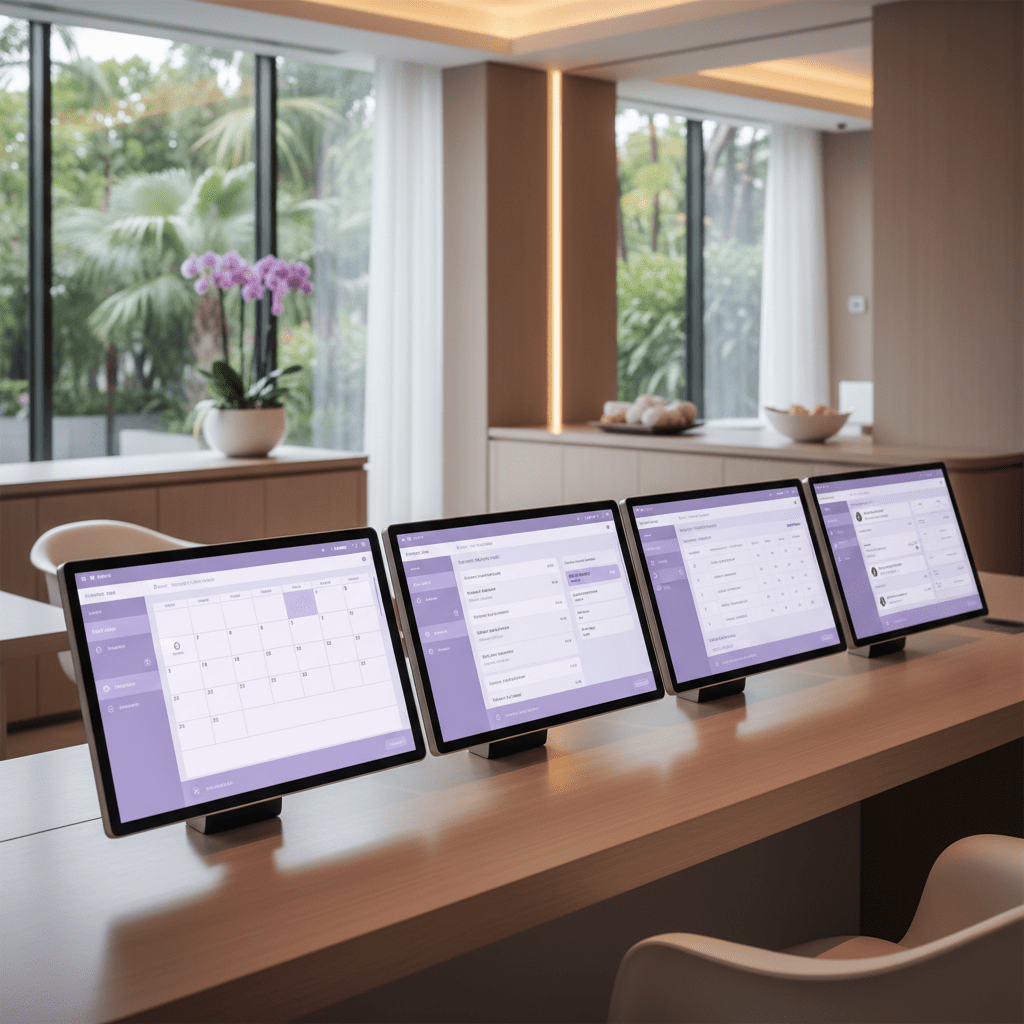
The Non-Negotiable Features of a Top-Tier Hotel Spa Software
You know what’s funny? A spa can feel calm to guests while the back office looks like a small disaster. One missed booking. One room charge that doesn’t sync. One therapist with the wrong shift. And suddenly everyone’s day gets weird.
That’s why the best spa management software for hotels and spas has to do more than hold a calendar. It should help your team move fast, keep guests happy, and avoid the little mistakes that turn into big complaints. Plus, the market keeps growing. Wellness travel was valued at about $814.6 billion in 2022, and hotel and resort spa revenue is projected to pass $39 billion by 2028, according to the Global Wellness Institute. So yeah, this stuff matters.
1. Smart appointment and resource control
A simple booking grid won’t cut it anymore. You need hotel spa software that can handle multi-therapist bookings, several treatment rooms, and even equipment like massage tables or hydrotherapy gear.
What should that look like in real life?
- Book one guest into two connected services
- Match the right therapist to the right treatment
- Block rooms and equipment at the same time
- Fill gaps when someone cancels last minute
- Balance schedules based on staff skills and shift length
That last one is a big deal. If a guest wants a deep tissue massage, they should see a therapist trained for it right away. No back-and-forth. No “let me check.” Just smooth booking.
And here’s the thing. Better scheduling also cuts waste. One spa case study showed a 92% drop in admin tasks and a 95% drop in payroll time after moving to Book4Time. That’s not a tiny win. That’s hours back in the week.
2. POS and inventory that actually talk to each other
If your spa POS and scheduling software can’t handle billing and stock at the same time, you’re going to feel it fast. Guests want one clean bill. Staff want fewer manual steps. Managers want fewer stock surprises. Everyone wins when the systems stay in sync.
A strong setup should handle:
| Area | What it should do |
| Service billing | Charge treatments, add-ons, and packages |
| Retail sales | Sell lotion, oils, masks, and gift sets |
| Gift cards | Track balances and redemptions |
| Package use | Remove visits from prepaid bundles |
| Inventory | Update stock in real time |
Retail often makes up 10% to 20% of spa revenue, so spa inventory management tools are not just a nice extra. They can help your team know when a serum is running low, what sells best, and which products pair well with certain treatments.
Better yet, the right setup can link guest purchase history with the next front-desk chat. So if someone bought lavender oil last time, the team can mention it again. Small touch. Nice result.
3. A real guest CRM, not just a contact list
This is where a lot of hotels get stuck. They have guest names. Maybe email addresses. But not much else.
A real CRM inside your wellness center management platform should store treatment history, product buys, therapist notes, favorite services, birthday dates, and stay details. That way, your team can stop guessing.
Think about it like this:
- A guest always books facials before weddings
- Another guest likes the same therapist every visit
- Someone hasn’t returned in 90 days
- A regular guest is celebrating a birthday next week
Now you’ve got useful stuff to work with. You can send a booking reminder, a “we miss you” note, or a pre-arrival offer without sounding robotic. That’s guest experience management for spas done well.
Also, CRM tools help with simple marketing tasks that usually get pushed aside. Booking confirmations. Follow-up feedback requests. Seasonal offers. None of this feels fancy, but it keeps your spa in the guest’s mind.
4. Easy spa software PMS integration
And yes, this one matters more than people think. If your spa software PMS integration is clunky, your staff will feel it every day. Maybe the room charge doesn’t land right. Maybe guest details don’t match. Maybe a package sale has to be entered twice. Ugh.
Good integrated spa and hotel management should connect smoothly with systems like Oracle OPERA Cloud, Mews, Cloudbeds, Maestro PMS, or Agilysys PMS. That connection helps with room charging, guest profile sharing, and faster check-out.
Here’s a simple test: if your front desk has to keep asking, “Did the spa booking go through?” the integration still needs work.
5. Cloud access, security, and easy reporting
A modern cloud-based spa software setup should let managers check bookings, sales, and staff use from anywhere. On-property. Off-site. Even on a phone between meetings. That flexibility is handy when you’re trying to fix a problem before it hits the guest floor.
And don’t skip security. PCI DSS matters for card payments. GDPR matters if you collect guest data from EU travelers. HIPAA may matter for med spas. Those are not box-ticking details. They protect trust.
So when you compare tools, ask for clear answers on reporting, access control, and data safety. Because a pretty dashboard means nothing if the numbers are wrong.
If you’re comparing options now, Ease My Hotel can help you keep hotel bookings, guest communication, staff management, accounting, and spa operations under one roof. That kind of setup is easier to live with day after day, which is really the whole point.
And if you want to go one step further, ask each vendor for a live PMS demo. Real guest flow. Real room charges. Real scheduling. That’s where you see what the software can actually do.## The Keystone of Success: Deep Integration with Your Hotel’s PMS
You know that weird little moment when a guest says, “Just put it on my room,” and half the desk freezes? That’s usually the sign your spa and hotel systems are not really talking to each other.
A quick link is nice. But deep spa software PMS integration is the real win. A simple link might let staff send a charge over once in a while. A true two-way connection shares guest data, room status, charges, and booking updates in real time, so your team isn’t stuck retyping the same details over and over. That means one guest profile across the property, cleaner billing, and fewer awkward “sorry, we have to fix this at checkout” moments.
And yes, that matters more than it sounds. With wellness tourism worth about $814.6 billion in 2022 and hotel and resort spa revenue expected to pass $39 billion by 2028, hotel spa software is no longer a side note. It’s part of how the stay feels. Guests notice the little things, too. If the spa, front desk, and accounting team all share the same data, the whole visit just feels smoother.
What real integration should do
A solid integrated spa and hotel management setup should connect with the tools your property already uses. The big ones are usually:
- PMS systems like Oracle OPERA Cloud, Mews, Cloudbeds, Maestro PMS, or Agilysys PMS
- Payment gateways for card charging and refunds
- Accounting software for clean end-of-day reporting
And then there are the nice-to-haves. Key card systems. Marketing platforms. Maybe even guest messaging tools. Not every hotel needs all of them on day one, but they can save time later, especially if you run a busy resort spa booking system.
Here’s a simple view of what to ask for:
| Integration type | What it should do |
| PMS | Share guest profiles, room charges, and stay info |
| Payments | Handle card payments, deposits, and refunds |
| Accounting | Sync revenue and daily totals |
| Key cards | Help with locker or room access |
| Marketing tools | Send offers and follow-ups based on guest behavior |
The best hotel spa software should also reduce the old headaches. No double entry. No missing charges. No mystery names on the spa POS and scheduling software screen. That’s the dream, right?
Questions to ask vendors before you buy
Actually, wait. Before you look at pricing, ask about the connection itself. A glossy demo means nothing if the setup is messy behind the scenes.
Try these questions:
- Can you describe your integration process with Oracle OPERA Cloud, Mews, or Cloudbeds?
- Is the connection two-way, or does data only flow one way?
- What are the setup costs, monthly fees, and any API charges?
- How long does testing usually take?
- Can you share a reference hotel that uses this exact integration?
- What happens if the PMS updates and breaks the link?
- Who handles support after go-live?
These questions help you spot hidden costs early. That matters because PMS integration can get pricey fast if the vendor needs custom work, middleware, or extra testing time.
And here’s the part people skip: ask how the software handles room charging in real life. Not in theory. In a live hotel setting. If the vendor can’t explain that clearly, keep looking.
If your spa is part of a bigger property, Ease My Hotel can help keep hotel bookings, guest communication, staff management, and accounting in one place. That kind of setup pairs well with spa operations because fewer moving parts usually means fewer mistakes.
So yeah, don’t just ask, “Does it integrate?” Ask, “How well does it actually fit our day-to-day work?” That’s the question that saves headaches later.
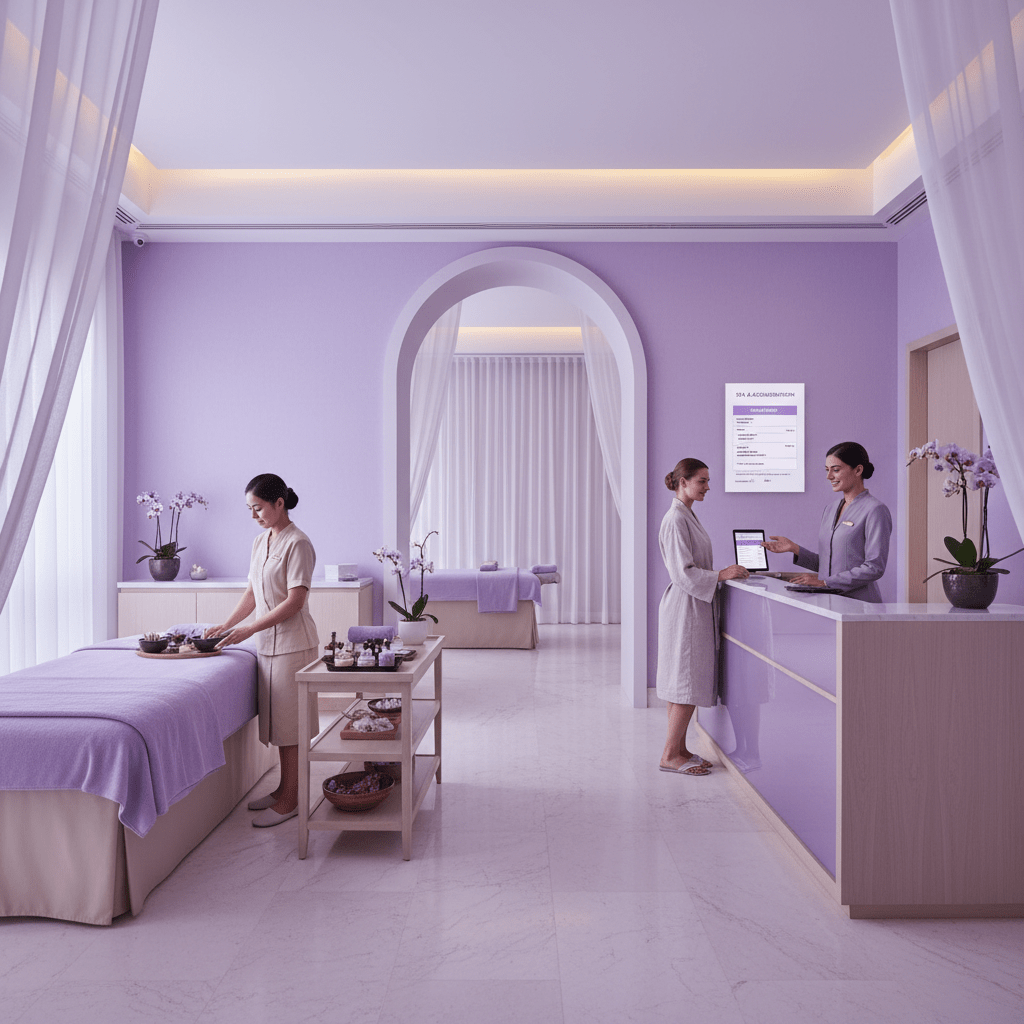
Try Ease My Hotel for free.
No lock-in contracts. Cancel anytime
Comparing the Leading Spa Management Platforms for Hotels & Resorts
Picking spa management software for hotels and spas can feel a lot like choosing a new kitchen appliance. On paper, they all say they save time. In real life, one has weird buttons, one is hard to clean, and one just quietly does the job. Hotels feel that same pain with spa tools.
The good news? A few platforms keep showing up for hotel spas, resort spa booking systems, and larger wellness groups. And they each fit a slightly different kind of property.
The short list
Here are the names most hotel teams look at first:
- Book4Time for luxury resorts and multi-property hotel groups
- SpaSoft for big hotel brands that want deep hotel-system ties
- Zenoti for wellness chains and mixed spa businesses
- Agilysys Spa for resorts already using the Agilysys stack
A quick note before we compare them. Pricing is often quote-based, so you usually have to ask for a demo and a custom proposal. Annoying? A little. But that’s just how this market works.
Platform comparison table
| Software Name | Best For | PMS Integration Strength | Standout Feature 1 | Standout Feature 2 | Pricing Model |
| Ease My Hotel | Boutique hotels, resorts, homestays, and vacation rentals | Built-in cloud PMS with multi-channel OTA sync | Centralized multi-property operations dashboard | Integrated POS, KOT, and dining management | Tiered pricing (Starts at ₹999/month billed annually) |
| Book4Time | Luxury hotels, resorts, and multi-property groups | Strong, with 80+ hotel system links | Centralized multi-property management | Yield and revenue tools | Starts around $800/month, then scales by property |
| SpaSoft | Large hotel brands and resort spas | Strong with major hotel tech stacks | Long-time hotel spa fit | Group and package handling | Quote-based enterprise pricing |
| Zenoti | Wellness chains and bigger spa groups | Good, but hotel details vary by setup | Broad CRM and automation tools | Multi-location controls | Custom pricing, usually quote-based |
| Agilysys Spa | Resorts already using Agilysys PMS and POS | Very strong inside the Agilysys ecosystem | Tight native hotel-room charging | Guest journey from spa to folio | Enterprise quote only |
What each one is really good at
Book4Time is often the first stop for large hotels that want spa POS and scheduling software tied closely to the rest of the property. It fits well for teams that need room charging, reporting, and more than one location under the same roof. It’s also the one most people bring up when they want a resort spa booking system that can handle busy days without falling apart.
SpaSoft has a long hotel history. That matters because big hotel groups don’t want to gamble on a tool that only looks good in a demo. They want something that knows how hotel billing, guest profiles, and treatment bookings all fit together.
Zenoti is a strong pick for spa groups that care a lot about CRM, marketing, and repeat visits. It’s often a better fit for wellness businesses that run like a chain, even if the hotel side may need a closer look during the demo.
Agilysys Spa makes the most sense when the hotel already uses Agilysys PMS or Agilysys POS. Then the spa becomes part of a bigger, cleaner setup instead of a separate system that needs babysitting.
In action: what this looks like on a busy property
A 250-room resort hosting a wedding weekend might use Book4Time to manage 18 bridal-party appointments, two massage rooms, and a last-minute facial add-on without triple-checking sticky notes. The front desk can push room charges into the folio, and managers can see which therapist has open time before the rush starts. That saves real time. And fewer mistakes too.
A city hotel with a smaller spa might lean toward SpaSoft if the main goal is smoother billing and better hotel integration, especially if the spa team works closely with the front office every day.
So which one should you choose?
It really depends on your setup.
- If you run a big resort or multiple spas, Book4Time is a strong pick.
- If your hotel brand wants a proven spa tool with deep roots, SpaSoft is worth a close look.
- If you run a wellness-heavy business with repeat guests and lots of promo work, Zenoti may fit better.
- If your property already lives inside Agilysys, Agilysys Spa is the natural match.
And if you’re still comparing options, ask each vendor to show a real PMS integration demo. Not a slide deck. A live one. That’s where you spot the little stuff that turns into big headaches later.
If you want one place to manage more of your property, Ease My Hotel can help with bookings, guest communication, staff management, accounting, and hotel operations in one cloud-based dashboard. It’s a handy fit for hotels and resorts that want fewer moving parts and cleaner daily work.

Your Implementation Roadmap: From Selection to Go-Live and Beyond
You know that tense week before go-live? The one where everyone suddenly has opinions, the front desk is nervous, and somebody asks, “Wait, are we sure the room charges work?” Yep. That’s normal.
Actually, scratch that. It’s common, but it doesn’t have to turn into a mess.
A clean rollout starts with a small selection group. Keep it tight. Usually, that means a general manager, spa lead, front desk manager, IT support, and someone from finance. Then build a simple scorecard with the stuff that matters most: PMS fit, booking flow, reporting, support, and training time. That helps you compare spa management software for hotels and spas without getting distracted by shiny demo tricks.
When you shortlist vendors, ask for a live demo with your real setup. Real treatments. Real guest types. Real room charging. If you can, bring in one “friendly skeptic” from the team. They always spot the thing everyone else missed.
A simple rollout path
| Phase | What to do | Usual timing |
| Plan | Set goals, pick a team, make your scorecard | 1 to 2 weeks |
| Clean data | Remove duplicates, fix prices, update guest records | 2 to 3 weeks |
| Test | Check spa software PMS integration and billing | 2 to 4 weeks |
| Train | Teach staff in short, role-based sessions | 1 to 2 weeks |
| Go live | Run both systems for a short time | 1 to 2 weeks |
Data cleanup sounds boring. It is. But it saves pain later. If old guest profiles are messy, your new wellness center management platform will just inherit the same junk. Nobody wants that.
Training works best in small bites. Front desk first. Then therapists. Then managers. And give people cheat sheets they can actually use at the desk, not a 40-page PDF that lives in someone’s inbox forever.
Once you’re live, track a few simple numbers:
- Online booking percentage
- Therapist utilization rate
- Average guest spend
- Retail attachment rate
- Booking-related mentions in online reviews
- Fewer room charge mistakes
Those numbers tell you if your integrated spa and hotel management setup is pulling its weight. A lot of hotels also watch pre-arrival offer opens and repeat booking rates, since those can show if the guest experience feels smoother.
And one more thing. Don’t wait six months to check results. Look at week 1, week 4, and week 12. That’s where the story shows up.
If your property wants fewer systems and less back-and-forth, Ease My Hotel can help centralize bookings, guest communication, staff management, and accounting in one cloud-based dashboard. That makes spa operations easier to connect with the rest of the hotel, which is kind of the whole point.
Pick carefully. Train well. Then keep watching the numbers. Simple, not easy. But doable.
Investing in Technology is an Investment in Your Guest’s Wellness
The nicest spa in the hotel can still feel clumsy if the desk is buried in calls, notes, and billing fixes. And that’s the part guests remember.
So yes, spa management software for hotels and spas is a cost. But it’s also a smart buy. It helps your team move faster, cuts booking mistakes, and makes the stay feel smooth from first click to final folio. That matters in a big way, especially with wellness travel still growing and guests making booking choices around spa and wellness perks more often than ever. Global Wellness Institute data backs that up.
Here’s the big takeaway: deep spa software PMS integration is what separates a decent setup from a great one. If your hotel spa, front desk, and billing system don’t share the same info, you’ll keep fighting the same fires.
So start simple. Audit your pain points. Are you losing time on calls? Missing add-on sales? Re-entering charges? Build your must-have list from those headaches first. Then compare hotel spa software, cloud-based spa software, and any wellness center management platform against that list.
The right fit should make life easier for staff and better for guests. Pretty much the whole point, right?
Try Ease My Hotel for free.
No lock-in contracts. Cancel anytime