
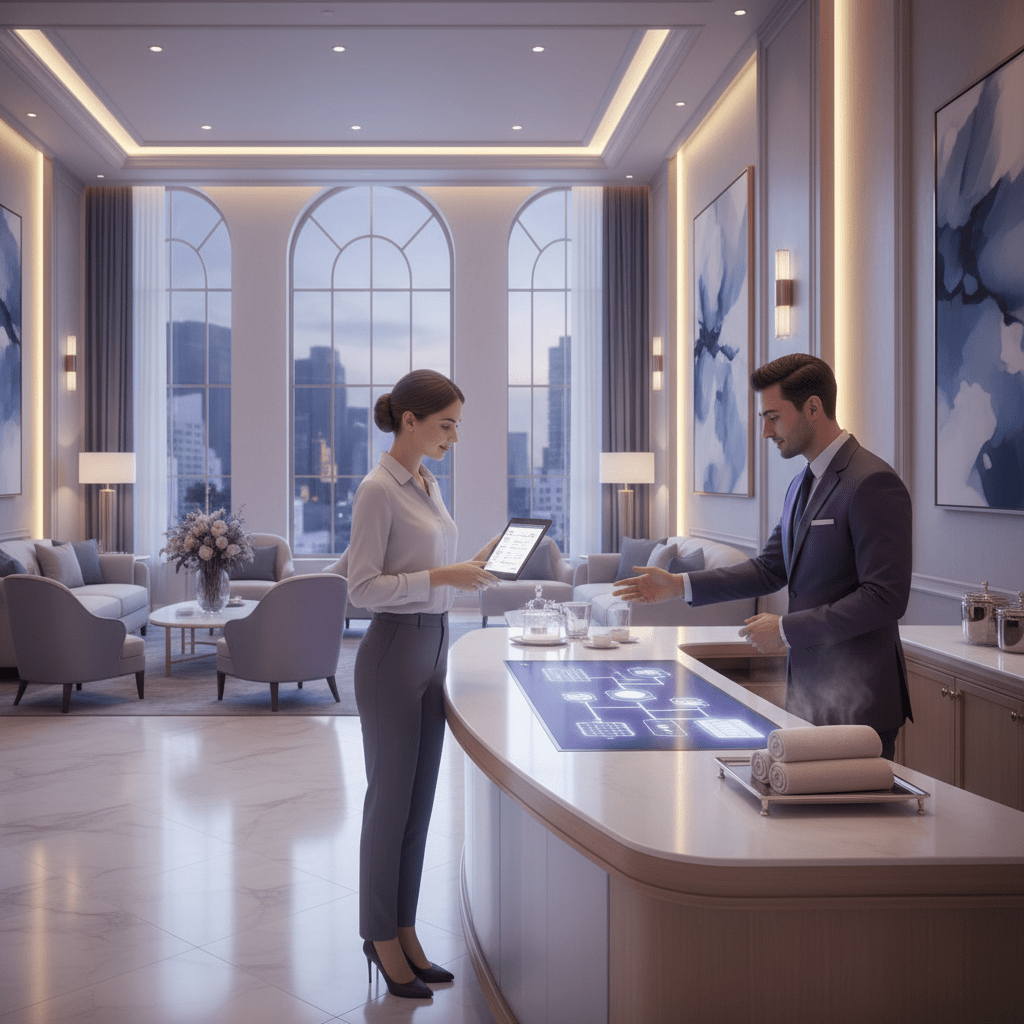
Bridging the Gap: Why a Disconnected Spa Sinks Your Guest Experience
Picture this. A guest checks into a lovely resort, gets handed a warm towel, and feels like they’re in for a perfect stay. Then they try to book a massage. Suddenly it’s a phone call, a second system, a different payment step, and a front desk clerk who has to ask, “Can you spell your last name again?” Not exactly luxury vibes.
And that tiny bit of friction can snowball fast. In hospitality, a rough digital moment can hurt loyalty, reviews, and repeat visits. A PwC study on customer experience found that 32% of customers will leave a brand they love after one bad experience.
That’s why spa management software for hotels and spas matters so much. Standalone spa tools create little silos everywhere. Front desk, spa desk, billing, and guest notes all get split up. Staff waste time chasing details, and guests feel the gap.
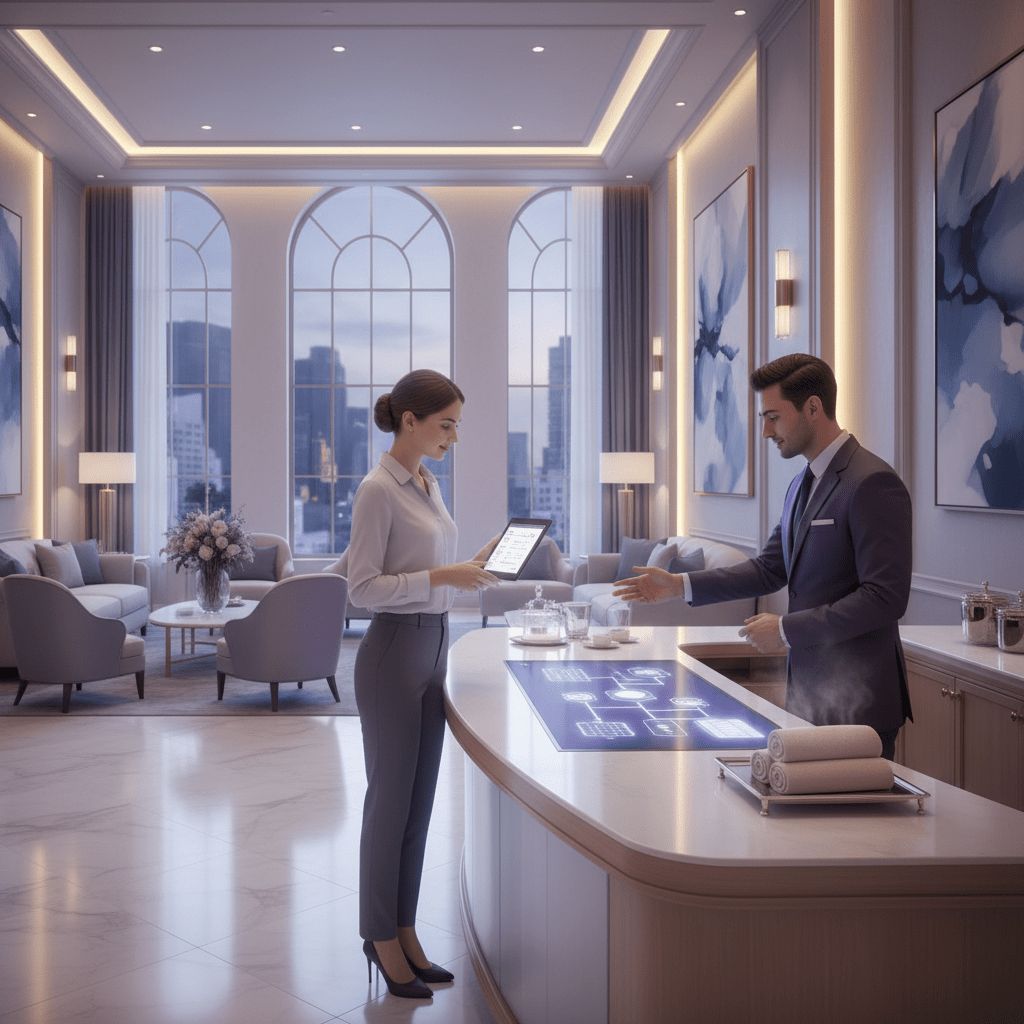
A good hotel spa management system flips that around. With integrated spa software for hotels, the spa, PMS, and guest booking flow work together. You get one centralized guest profile hotel spa teams can trust, smoother PMS integration for spa charges, and a guest experience spa booking process that feels simple from start to finish. It’s not fancy for the sake of fancy. It just works better.
That matters even more now, because wellness travel is booming. The global wellness tourism market hit about $893.9 billion in 2024, and hotel and resort spas were one of the fastest-growing parts of it Global Wellness Institute market data. So if your resort spa booking system is still running on disconnected tools, you’re probably leaving money on the table.
Here’s the deal: the best hotel pms and spa software acts like the property’s shared nervous system. It connects booking, guest history, room billing, and spa operations so the whole stay feels connected. And once that clicks, the whole guest journey gets easier for everyone.
The High Cost of Disconnection: The Problem with Standalone Spa Systems
You know that awkward moment when a guest is ready to spend, but your setup gets in the way? That’s the pain point with standalone spa tools. A guest wants a massage, but the spa desk can’t see their stay details. So the staff asks the front desk. Then billing gets pulled in. Then someone checks another screen. It feels small. But it stacks up fast.
And guests notice. They really do. If booking a treatment means a phone call, a paper form, and a second payment step, the whole stay starts to feel less like a treat and more like homework. Worse, the spa often has no idea who the guest is, what they booked before, or whether they prefer a deep tissue massage over a hot stone session. No memory. No personal touch. Just guesswork.
That lack of connection also hurts the back office. Staff end up verifying room status by hand, retyping guest details, and fixing billing mistakes after the fact. End-of-day reporting turns into a mini scavenger hunt. And when spa charges can’t post straight to the room folio, someone has to babysit the numbers at checkout. Nobody loves that part. Not the desk team, not accounting, and definitely not the guest waiting in line.
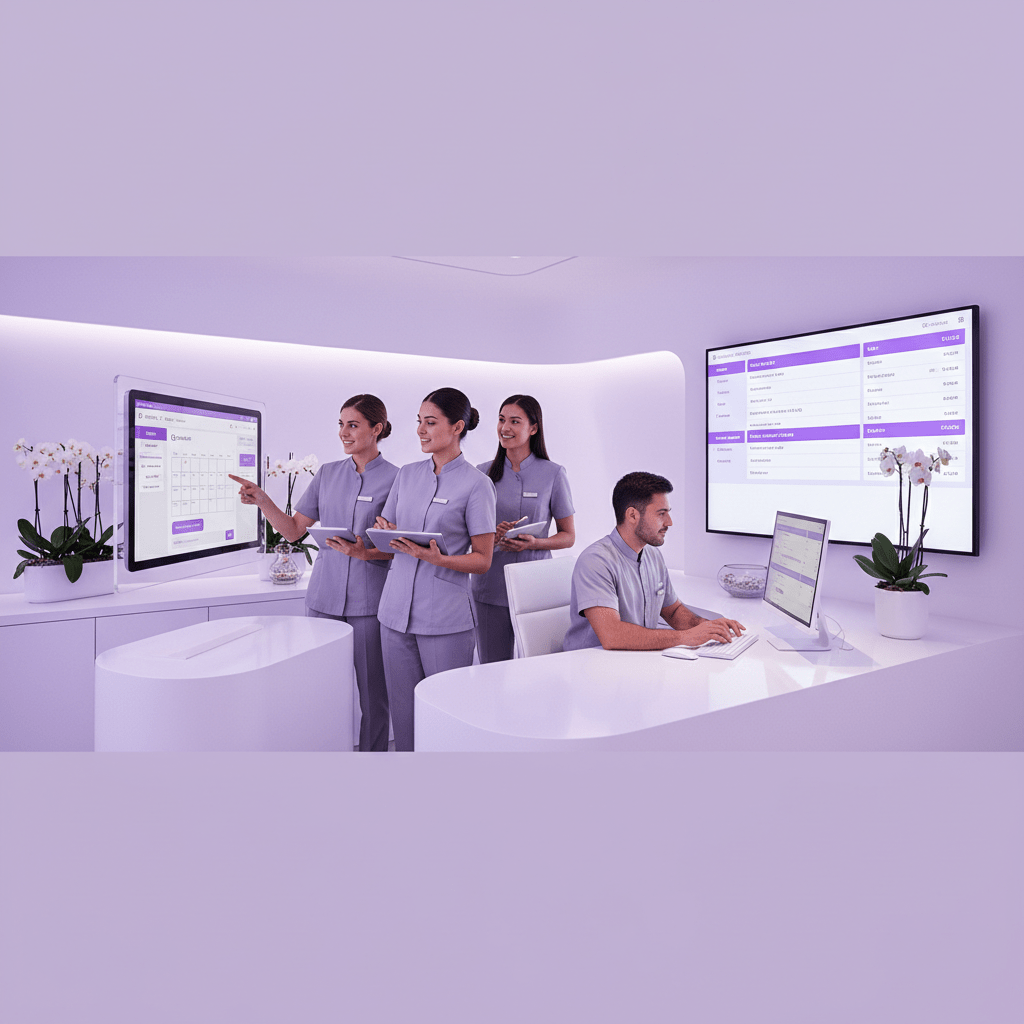
Here’s the money part. Disconnected systems leave revenue behind. Hotels with integrated spa software can take online and pre-arrival bookings, build stay-and-spa packages, and use guest history to suggest add-ons that actually fit. Industry notes show online pre-arrival booking can drive a big share of spa sales at connected properties, while standalone setups miss those chances entirely Spa Business on spa booking channels. That means lost bookings, weaker upsells, and fewer chances to grow ancillary revenue hotel spa teams depend on.
If your resort spa booking system still lives on its own island, it’s worth asking what that silence costs you every day. Easier bookings. Better personalization. Fewer billing headaches. That’s the upside of tying spa management software for hotels and spas into the hotel spa management system you already use.
Defining the Solution: What is an Integrated Hotel Spa Management System?
It’s the difference between a spa that feels smooth and one that feels stitched together with sticky notes.
An integrated hotel spa management system is spa management software for hotels and spas that talks directly to the hotel’s Property Management System, or PMS. So when a guest checks in, the spa system can see it. When a treatment gets booked, the front desk can see it too. And when it’s time to bill, the charge can land on the room folio without someone retyping the same thing three times. That sounds simple, but wow, it changes a lot.
Here’s the basic idea: one system shares data with another in real time. No guessing. No double entry. Just one shared guest record that both teams can trust. That shared record is often called a centralized guest profile hotel spa teams can use for names, room numbers, loyalty notes, and even treatment history. If you’ve ever watched staff chase a booking across two screens, you already know why this matters.
A good hotel spa management system usually syncs three big things:
| Integration point | What it does | Why it helps |
| Guest profiles | Shares guest name, room, stay dates, and notes | Creates a single source of truth |
| Room status | Updates arrival, departure, and stay details | Helps spa staff know who is on property |
| Billing info | Posts spa charges straight to the folio | Cuts down on checkout mess |
That two-way sync is the heart of hotel pms and spa software. The PMS sends over the stay data. The spa system sends back the charge or booking update. Simple in theory, but pretty powerful in practice.
And the payoff is real. Integrated properties can use guest history to suggest better services, build packages, and support ancillary revenue hotel spa teams care about. They also get centralized reporting and analytics, which means managers can see booking trends, peak hours, and service gaps without pulling five reports from five places. Nice, right?
Another big win is real-time room-charge posting. A guest finishes a massage, and the charge goes to the room right away. No paper slips. No “I’ll fix it later.” No sad little billing pile on the desk. That kind of speed helps the guest experience spa booking feel calm instead of clunky.
If you’re comparing systems, look for integrated spa software for hotels that connects cleanly with your PMS, gives you one guest view, and handles spa charges without drama. Ease My Hotel can fit into that bigger picture too, especially for properties that want one cloud-based dashboard for bookings, guest communication, and daily operations. It’s the same idea. Fewer moving parts. Less chaos. More time for actual hospitality.
The Blueprint for Success: How to Integrate Your Spa and Hotel Systems
You know that moment when two smart people are saying the same thing, but they’re using different notes? That’s what a bad spa and hotel setup feels like. One team has the guest name. The other has the room number. Billing is somewhere else. And suddenly a simple massage booking turns into a tiny office drama.
The good news? It doesn’t have to be that messy.
Start with the right connection
There are a few ways spa management software for hotels and spas can connect with hotel systems, but they’re not all equal. The cleanest path is a direct, certified API link between your hotel spa management system and your PMS. That’s the gold standard because the two systems talk to each other in real time, with less chance of bad data or delays.
A lot of properties also use middleware or custom builds. Those can work, sure. But they often add extra steps, extra costs, and extra places for things to break. Kind of like using three apps to do one job. Not fun.
Here’s a simple look at the options:
| Integration path | What it means | Best for |
| Direct certified API | PMS and spa software connect directly | Hotels that want real-time sync and fewer errors |
| Middleware | A middle layer passes data between systems | Properties with older tools or mixed systems |
| Custom development | A one-off build made for your setup | Hotels with special needs and a strong IT team |
If you’re choosing integrated spa software for hotels, ask one plain question first: is this a certified PMS integration for spa, or just a workaround? That one answer can save a lot of pain later.
Map the data that has to move
Actually, wait. The software choice is only half the story. The data flow matters just as much.
At a minimum, your hotel pms and spa software should share:
- Guest name
- Room number
- Arrival and departure dates
- Billing privileges
- Loyalty status
- Guest notes and preferences
- Booking status
- Real-time spa charges
That shared data builds a centralized guest profile hotel spa teams can use without jumping between screens. And that’s where the guest experience spa booking process starts to feel smooth instead of patchy.
It also helps with ancillary revenue hotel spa teams care about. If the spa knows a guest is staying three nights, likes deep tissue massage, and is part of a loyalty tier, staff can suggest the right add-ons without sounding pushy. Just helpful. That’s a better vibe.
Bring the right people into the room
This part gets skipped a lot. And then everyone acts surprised when launch week gets weird.
A good integration needs three key voices early on:
- The Spa Director, who knows the service flow
- The Front Office Manager, who knows the guest path
- The IT department, who knows what will actually connect and what won’t
If those three groups are not talking from day one, the project usually gets clunky. A spa manager may want faster booking. Front office may want cleaner billing. IT may be worried about security or legacy tools. All fair. All fixable. But only if everyone’s in the same conversation.
That collaboration matters even more for properties using hospitality spa software across resorts or hotel chains, because one small data issue can ripple through every desk and every shift.
Watch for the common traps
The biggest mistakes are usually boring ones. No one budgeted enough time. No one tested duplicate guest records. Someone assumed training would be “quick.” It never is.
So before go-live, check these basics:
- Will room charges post right away?
- What happens if the connection drops?
- How are duplicate profiles handled?
- Who owns the rollout?
- How long will staff training take?
If your team wants fewer billing mistakes, cleaner guest records, and less back-and-forth at check-in, integration is the move. And if you’re already using a cloud setup like Ease My Hotel, this is the same kind of thinking that keeps operations simple: one dashboard, one guest view, less chaos.
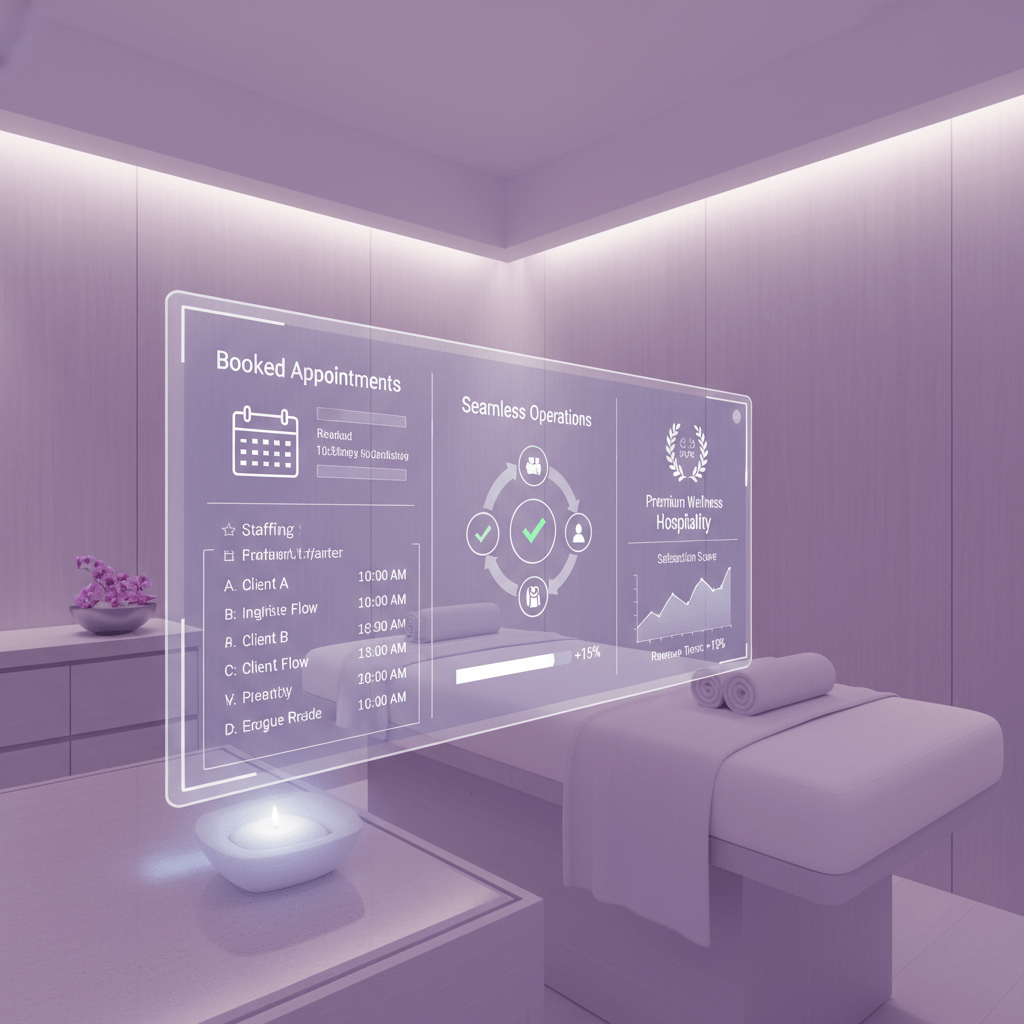
The best hotel spa management system doesn’t just connect tools. It helps your whole team work like they’re in the same room, even when they’re not.
Unlocking New Revenue Streams and Peak Efficiency: The ROI of Integration
You know that nice moment when a guest says, “Can I add a massage too?” That’s the sound of money showing up. But if your spa and hotel systems are split apart, that easy win can turn into phone tags, duplicate entries, and a lost booking before lunch.
That’s why spa management software for hotels and spas pays off so well when it’s tied into the rest of the property. Integrated spa software for hotels lets you build little packages that sell better than a plain room rate. Think “Bed & Bliss,” “Stay, Sip, Sleep,” or a weekend reset bundle. Cute names help, sure, but the real magic is the data behind them. When the PMS knows the stay dates and the spa system knows what’s open, you can offer the right treatment before the guest even asks. Industry data shows wellness tourism reached about $893.9 billion in 2024, and spa and medical activities made up an estimated 36% of that market in 2025 Global Wellness Institute wellness tourism data.
That also helps with pre-arrival booking confirmations. Instead of waiting until check-in, guests can book a massage, facial, or couple’s treatment ahead of time. Nice and calm. And because the booking lives inside the hotel pms and spa software flow, the front desk, spa team, and billing team all stay on the same page. No more guessing who owes what.
Here’s where the real ROI starts to show up:
| ROI win | What integration does | What you get |
| More spa sales | Offers packages before arrival and during booking | More ancillary revenue hotel spa teams can count on |
| Fewer billing mistakes | Posts charges straight to the room folio | Less manual cleanup at checkout |
| Better staffing | Shows peak times and booking demand | Smarter staff allocation across the day |
| Faster reporting | Pulls booking and revenue data into one view | Less time spent on end-of-day admin |
And the guest experience spa booking side gets better too. With a centralized guest profile hotel spa teams can see things like preferred massage pressure, allergies, past visits, or notes from the last therapist. That means a guest who always wants medium pressure doesn’t have to say it three times. Small thing. Big feel.
Personalization matters more than people think. Guests usually spend more when they feel remembered, and integrated hospitality spa software makes that memory feel effortless. Not creepy. Just thoughtful.
Operationally, the time savings are hard to ignore. Automated charge-posting cuts down billing errors, and unified reporting can save hours of manual work each week. One resort case study from Agilysys showed billing errors dropped by more than 90% after integration, which is the kind of number that makes any manager sit up a little straighter Agilysys case study. Plus, spa teams can schedule around real demand instead of gut feelings, which usually means fewer empty slots and less staff scrambling.
So if you’re looking at your resort spa booking system and wondering whether it’s pulling its weight, ask one simple question: is it helping you sell more, serve better, and waste less time? If not, it might be time to move toward a setup like Ease My Hotel, where one cloud-based dashboard keeps bookings, guest communication, and day-to-day operations in one place. That’s the kind of setup that makes the whole property feel lighter.
Try Ease My Hotel for free.
No lock-in contracts. Cancel anytime
Choosing the Right Spa Management Software for Your Hotel: A Buyer’s Checklist
You know what’s funny? The fanciest spa menu in the hotel won’t save you if the software behind it acts like it was built in 2008. Guests want calm. Your staff wants speed. And your numbers want a system that doesn’t trip over itself.
So before you buy spa management software for hotels and spas, use this quick checklist.
1) Certified PMS compatibility comes first
This is the big one. If your hotel spa management system does not connect cleanly with your exact PMS, stop right there. A real PMS integration for spa should be certified, supported, and tested with your setup, not just “able to connect” in a sales demo.
Ask these questions:
- Is the integration certified by the PMS vendor?
- Does it work with our PMS version?
- Is it cloud-based, on-premise, or both?
- What happens if the link drops for 10 minutes?
That last one matters more than people think. Because nothing ruins a smooth check-in like a room charge that never makes it to the folio.
2) Make sure it can grow with you
A good spa tool should work for a tiny treatment room and a huge resort spa. Same system. Different scale.
Look for features like:
| Feature | Why it matters |
| Inventory management | Keeps towels, oils, and products in check |
| Staff payroll | Helps track therapist hours and pay |
| Gift card sales | Adds easy extra revenue |
| Multi-location support | Works across resort, hotel, or chain properties |
| Package booking | Makes spa bundles easier to sell |
If you’re a growing property, this part is a big deal. Hospitality spa software should not box you in. It should move with you.
And yes, this is where ancillary revenue hotel spa teams can really grow. Wellness travel keeps climbing, and spa sales are a real part of that. The Global Wellness Institute’s 2024 data shows wellness tourism reached about $893.9 billion, with hotel and resort spas growing fast.
3) Go cloud-based and mobile-first
If your team still has to stand at one desktop to manage bookings, we need to talk.
Cloud software makes life easier because it gives your team access from anywhere. Managers can check occupancy from the lobby. Therapists can see schedules on a phone or tablet. And updates happen without someone dragging a laptop into a back office at 7 a.m. on a Monday. Lovely, right?
A mobile-friendly resort spa booking system also helps with day-to-day work:
- Therapists can see appointments fast
- Front desk can check room charges on the spot
- Managers can track bookings while walking the floor
- Staff can respond quicker to guest changes
That kind of access helps the guest experience spa booking feel smooth, not clunky.
A quick final check before you buy
Before you choose integrated spa software for hotels, ask yourself:
- Can this system talk to our PMS today?
- Will it support our spa in 2 years?
- Can our staff use it without a long training mess?
- Will it help us improve the centralized guest profile hotel spa teams rely on?
- Does it reduce manual work, or just rename it?
If the answer is mostly yes, you’re on the right track.
And if you want one cloud setup that already thinks this way, Ease My Hotel is built to bring bookings, guest communication, and daily operations into one place. That makes it a smart fit for properties that want a simpler hotel pms and spa software workflow without a bunch of extra chaos.
The best systems don’t just connect. They help your team breathe a little easier.
From Fragmented Operations to a Unified Experience: Your Next Steps
A spa should feel calm. Not scattered.
But if your booking flow lives in one place, your PMS in another, and billing in a third, the guest feels that split right away. That little gap can turn a nice stay into a clunky one, and clunky is not what people fly in for. The good news? Fixing it can change a lot.
When spa management software for hotels and spas connects to your hotel system, the spa stops acting like a side desk and starts acting like a real revenue driver. You get a smoother guest experience spa booking path, better ancillary revenue hotel spa teams can grow, and fewer headaches for staff who are tired of double entry and billing cleanup.
And the market is clearly moving that way. Wellness tourism was valued at about $893.9 billion in 2024, with hotel and resort spas growing fast inside that space Global Wellness Institute market data. That’s not a tiny side stream. That’s a big deal.
So here’s your next move:
- Map the guest journey from booking to checkout.
- Spot every handoff, delay, and duplicate step.
- Look for places where your hotel pms and spa software do not share data.
- Ask your team where the most mistakes happen.
- Check whether your centralized guest profile hotel spa team can trust it, or if it’s full of missing notes.
Those cracks are where revenue leaks out.
If you want a simpler path, Ease My Hotel can help bring bookings, guest communication, and daily work into one cloud-based dashboard. Less chaos. Better flow. Happier guests.
Start with the audit. Then fix the weakest link. That’s usually where the win is.
Try Ease My Hotel for free.
No lock-in contracts. Cancel anytime