
Why Standard Spa Software Falls Short in a Hotel Environment
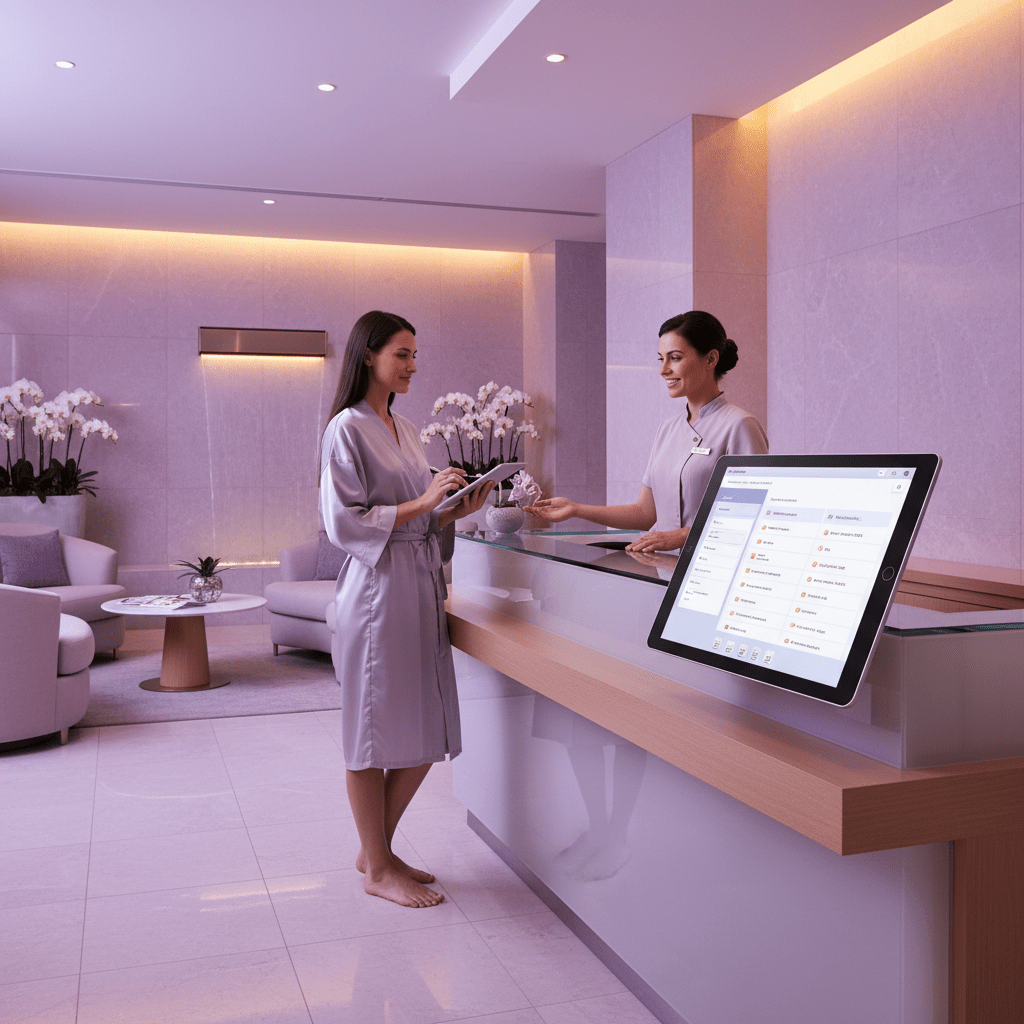
Picture this. A guest books a suite, has dinner, then wants a massage before bed. Easy enough, right? But if the spa runs on its own system, the front desk, spa desk, and billing team can end up speaking three different languages. That’s where things get messy fast.
A hotel spa is not just a spa with a nicer lobby. It’s part of the full guest stay, which means it has to connect with room charges, guest history, and the main property system without a bunch of manual work. If it doesn’t, you get split bills, duplicate guest records, and staff who are stuck guessing what the guest already bought or asked for.
And high-end guests notice. A lot. In 2024, 64% of consumers said they prefer brands with personal touches, and 45% walked away from a brand after poor personalization more on personalized luxury guest behavior here. So if your spa software treats every guest like a blank slate, you’re already behind.
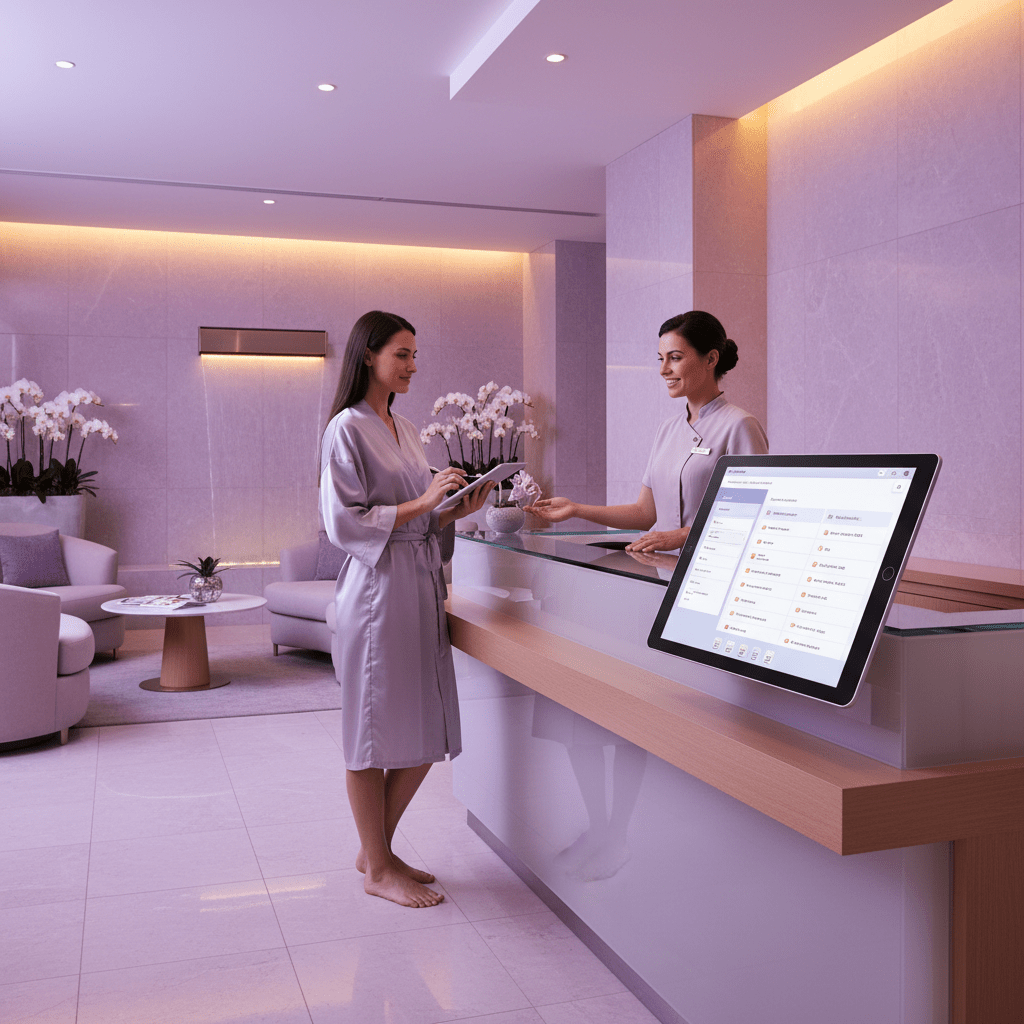
That’s the big problem with basic hotel spa software. It can book a treatment, sure. But a true spa management software for hotels and spas should do more than that. It should connect the spa to the hotel, make billing feel smooth, and help your team remember the little things that turn one visit into five.
In this guide, we’ll break down the 7 feature categories that matter most in a real hotel spa setup. We’re talking integration, scheduling, guest profiles, POS, inventory, reporting, and staff tools. So if you’re comparing a resort spa booking system or looking for spa software with PMS integration, this will help you spot the tools that actually fit hotel life. Not the fluffy ones.
1. The Foundation: Core Booking & Intelligent Scheduling
Ever watched a guest try to book a couples massage, a facial, and then ask, “Can we do the sauna after?” If your team has to check three screens and call two people, the whole moment starts to feel clunky. Not exactly the calm spa vibe anyone wants.
That’s why the booking engine matters so much. A good spa management software for hotels and spas should show real-time slots across every touchpoint, not just one desk. Online booking, mobile app, front desk, and the hotel concierge all need to see the same live calendar. One source of truth. Simple idea. Big relief.
And here’s the thing. Guests don’t have much patience for slow booking flows. Research on luxury travel shows 64% of consumers want personalized experiences, and 45% have left a brand after poor personalization source. So if your resort spa booking system feels generic or slow, people notice fast.
Intelligent scheduling goes a step further. It doesn’t just place a name on a time slot. It helps assign the right therapist, room, and gear based on skill, availability, and timing. So if Priya handles deep tissue best and Room 4 has the hot stone setup ready, the software should match that without a bunch of manual shuffling.
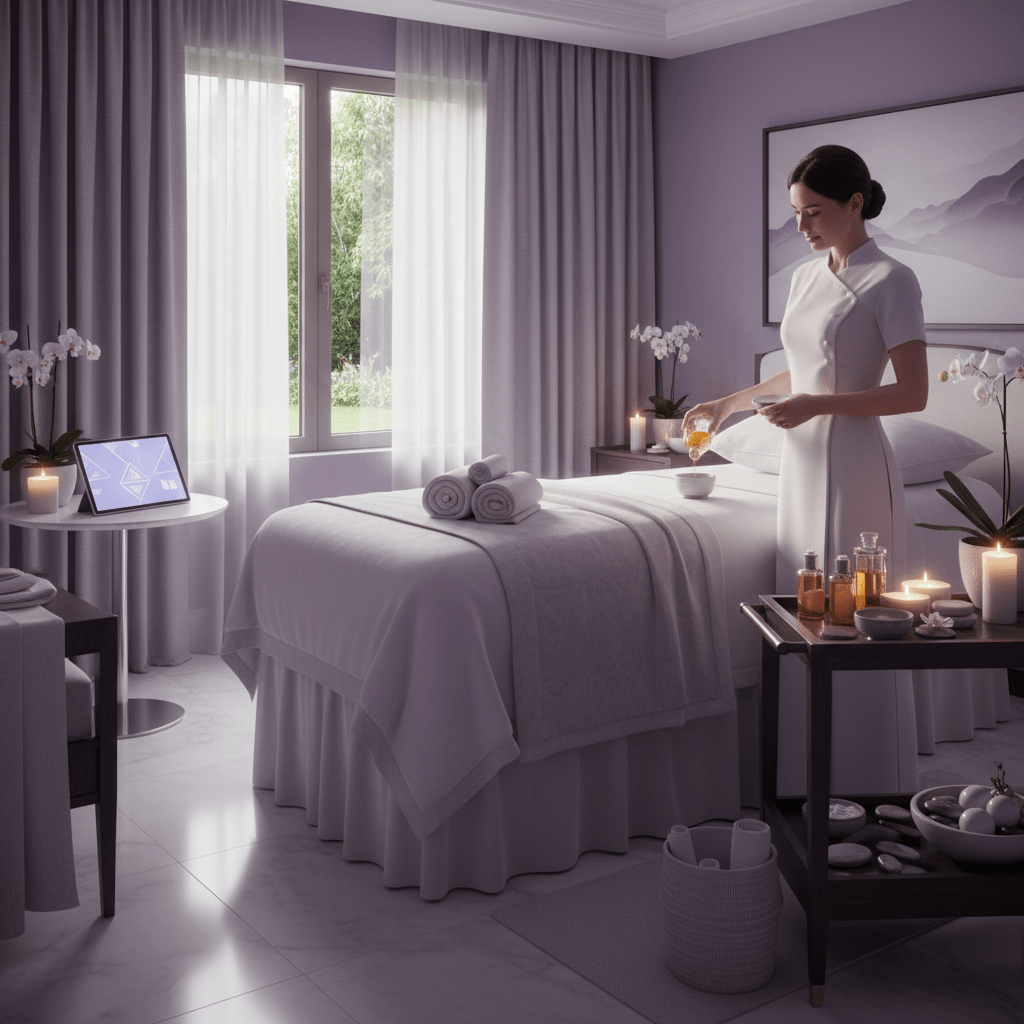
That kind of setup can also cut down on double bookings and awkward gaps. Some spa teams using smarter scheduling tools report therapist utilization gains of 15% to 30%, mostly because the system fills holes and reduces wasted time. Less staring at an empty calendar. More billable hours.
This matters even more in a hotel setting, where bookings get weird in a normal, very human way. Couples massages need two therapists. Group bookings may need staggered start times. Package guests often want three treatments in one visit. A basic hotel spa software tool can trip over all of that. A better one keeps it smooth.
Here’s a quick look at what to look for:
| Booking Feature | Why It Helps |
|---|---|
| Real-time availability | Stops overbooking and awkward back-and-forth |
| Mobile-friendly booking | Lets guests book on their phone in seconds |
| Package and add-on support | Makes couples treatments and multi-service visits easier |
| Skill-based scheduling | Matches guests with the right therapist |
| Buffer time controls | Gives staff breathing room between services |
| Room and equipment matching | Keeps treatment rooms and tools from getting double used |
If you’re comparing spa software with PMS integration, start here first. Because if the schedule falls apart, everything else gets harder. And honestly, nobody wants to explain to a VIP guest why their 4:30 massage is suddenly at 5:10.
For hotel teams looking at a cloud platform like Ease My Hotel, this is the kind of workflow that should connect cleanly with the rest of the property, from bookings to guest communication. When the system is in sync, the whole day feels lighter. Cleaner. Less frantic.
2. Elevating the Guest Journey: Advanced Client Management & Communication
You know that tiny moment when a guest says, “Oh wow, you remembered that?” That’s the good stuff. And in a hotel spa, that little moment can turn into a repeat visit, a better review, and maybe even a loyalty member who keeps coming back after checkout.
Basic contact info just doesn’t cut it anymore. A strong spa management software for hotels and spas should keep full guest profiles. That means treatment history, product purchases, therapist preferences, allergies, and even small personal notes like “anniversary trip” or “prefers quiet rooms.” Not fancy. Just useful. The kind of detail that makes a guest feel seen.
That matters because personalization is a big deal in luxury travel. In 2024, 64% of consumers said they prefer brands that offer personal touches, and 45% left a brand after poor personalization source. So if your hotel spa software treats every guest like a blank page, you’re missing easy wins.
The best part? Good communication can happen without extra desk work. Automated workflows can send booking confirmations, pre-treatment tips, and post-visit follow-ups by SMS or email. For example:
| Message Type | What It Sends |
|---|---|
| Booking confirmation | Time, date, service, therapist name |
| Pre-treatment note | Arrival time, clothing tips, allergy reminders |
| Day-of reminder | Quick SMS with location and timing |
| Follow-up message | Thank-you note, feedback request, rebooking link |
That kind of message flow keeps guests calm before they even walk in. Plus, it helps your team stay consistent. No one has to remember to hand-type the same reminder 18 times before lunch.
And here’s a nice little bonus. Integrated gift card and loyalty tools make the spa feel like part of the full hotel stay, not a side room with candles. Guests should be able to earn and redeem points across the hotel and spa without awkward questions at checkout. It should just work. Room charge, spa visit, retail purchase, loyalty credit. Done.
This is also where a cloud platform like Ease My Hotel fits neatly into the bigger picture. If your team already uses one dashboard for bookings, guest messages, and hotel operations, it gets a whole lot easier to keep spa communication in sync with the rest of the property.
And honestly? That’s what guests notice most. Not the software. The feeling.
3. The Critical Connection: Integrated Point of Sale (POS) and Billing
Ever watched a guest buy a spa treatment, a candle, and a robe… then line up again just to pay for the robe? Annoying, right? In a hotel, that tiny snag can turn into a much bigger headache at checkout.
That’s why a spa management software for hotels and spas needs a POS that handles services and retail in one place. One ticket. One screen. Less back-and-forth. If a guest gets a massage and takes home a $32 body oil, staff should ring both up together without jumping between tools like it’s 2009.
And here’s the part that matters most in a hotel spa setup: room charge posting. The best spa software with PMS integration lets the spa post charges straight to the guest’s room folio. No paper slips. No “please come back later.” No awkward billing fixes at the front desk. It just feels smoother for everyone, which is kind of the whole point.
That kind of flow also helps with retail sales. When staff can see the treatment a guest just had, they can suggest the matching product without sounding pushy. A deep-cleansing facial? Maybe that guest wants the cleanser too. Some properties see a 10% to 20% lift in retail sales after POS and PMS systems start talking to each other. Makes sense. The staff has better timing, and the guest gets a more useful offer.
Payment flexibility matters too. Guests don’t all want to pay the same way, and a hotel spa software system should make that easy. Look for:
| Payment Need | Why It Helps |
|---|---|
| Room charge | Lets guests bill spa services to their stay |
| Split billing | Helps couples or groups divide costs cleanly |
| Deposits | Reduces no-shows and last-minute drop-offs |
| Credit card payments | Covers walk-in guests and retail purchases |
| Gift cards | Makes redemption simple at checkout |
If your spa accepts deposits for high-demand services, that’s a big help too. It keeps the booking serious and cuts down on no-shows. And split billing? Guests love that. Especially groups, weddings, and couples who’d rather not do math after a facial.
There’s also a back-office side to this. A proper integrated spa and PMS software setup helps lower billing mistakes, keeps guest records cleaner, and supports PCI-safe card handling. That means fewer charge disputes and less manual fixing later. The boring stuff. The stuff that saves your team on a busy Friday.
So if you’re comparing a resort spa booking system or a wellness center management platform, don’t treat POS like a side feature. For hotel spas, it’s a big deal. If billing feels messy, the whole guest experience feels messy too.
And if you’re using a cloud platform like Ease My Hotel, this is where that unified dashboard really starts to earn its keep. Bookings, room charges, guest info, and payments all in one place. Cleaner for staff. Better for guests. Less chaos at the desk.
4. Back-Office Efficiency: Staff & Inventory Management
Ever had a therapist ask, “Do we still have that lavender oil?” right before a packed Saturday morning? Yeah. That tiny question can turn into a whole scramble if the spa is still using paper notes or a messy spreadsheet.
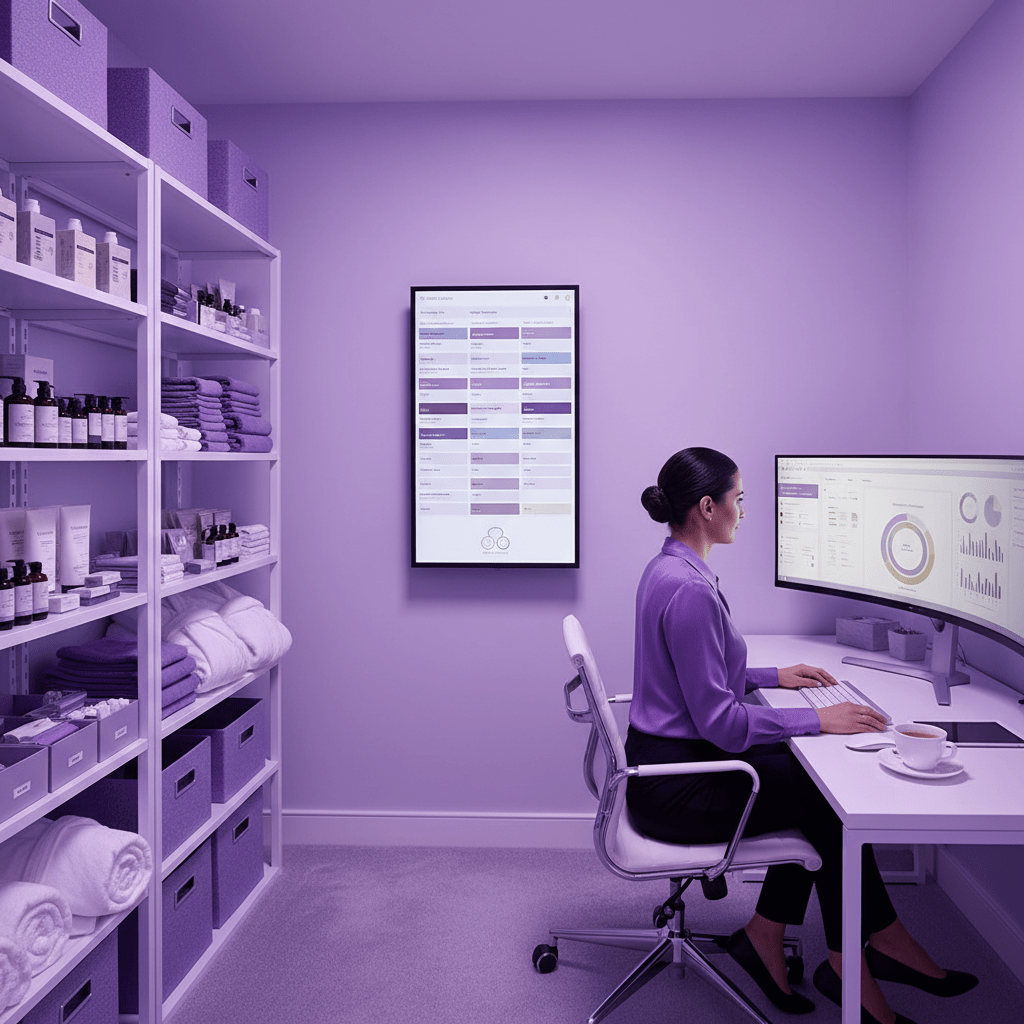
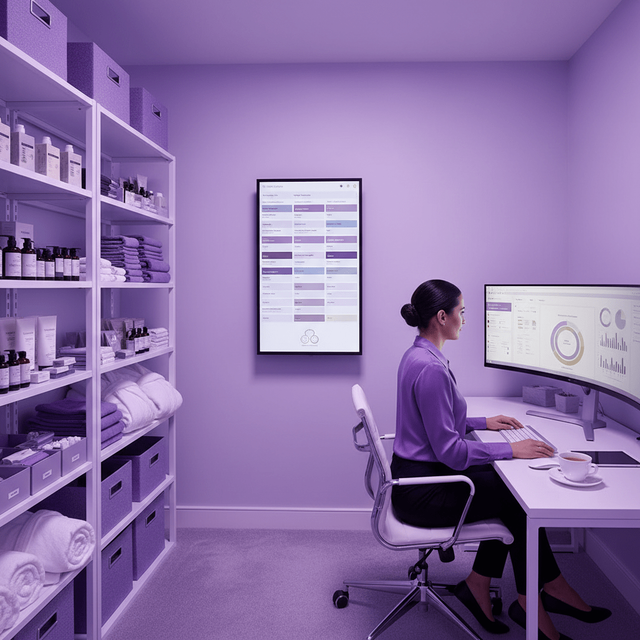
That’s why back-office tools matter so much. A solid spa management software for hotels and spas should track both back bar products and retail items in real time. Back bar means the stuff therapists use in treatments. Retail means the items guests buy to take home. Both need watching.
The best systems set low-stock alerts before you run out, and some can even create purchase orders on their own. So if your rose body scrub drops below the set level, the manager gets a heads-up fast. No guessing. No last-minute pharmacy run. And no awkward “sorry, we’re out” moment at the desk.
That matters more than people think. Poor inventory control can eat into spa revenue pretty quickly, and it’s usually the small leaks that hurt most. A few overpours here, a missing bottle there, and suddenly your margins are doing a disappearing act.
Staff management is just as big. Good hotel spa software should track hours, time-off requests, and schedules in one place. It should also handle commissions that get a little tricky, because spa pay usually isn’t simple. A therapist might earn one rate on services, another on retail sales, and tips may be pooled or kept by the individual. Fun, right? Not really. But software can make it less painful.
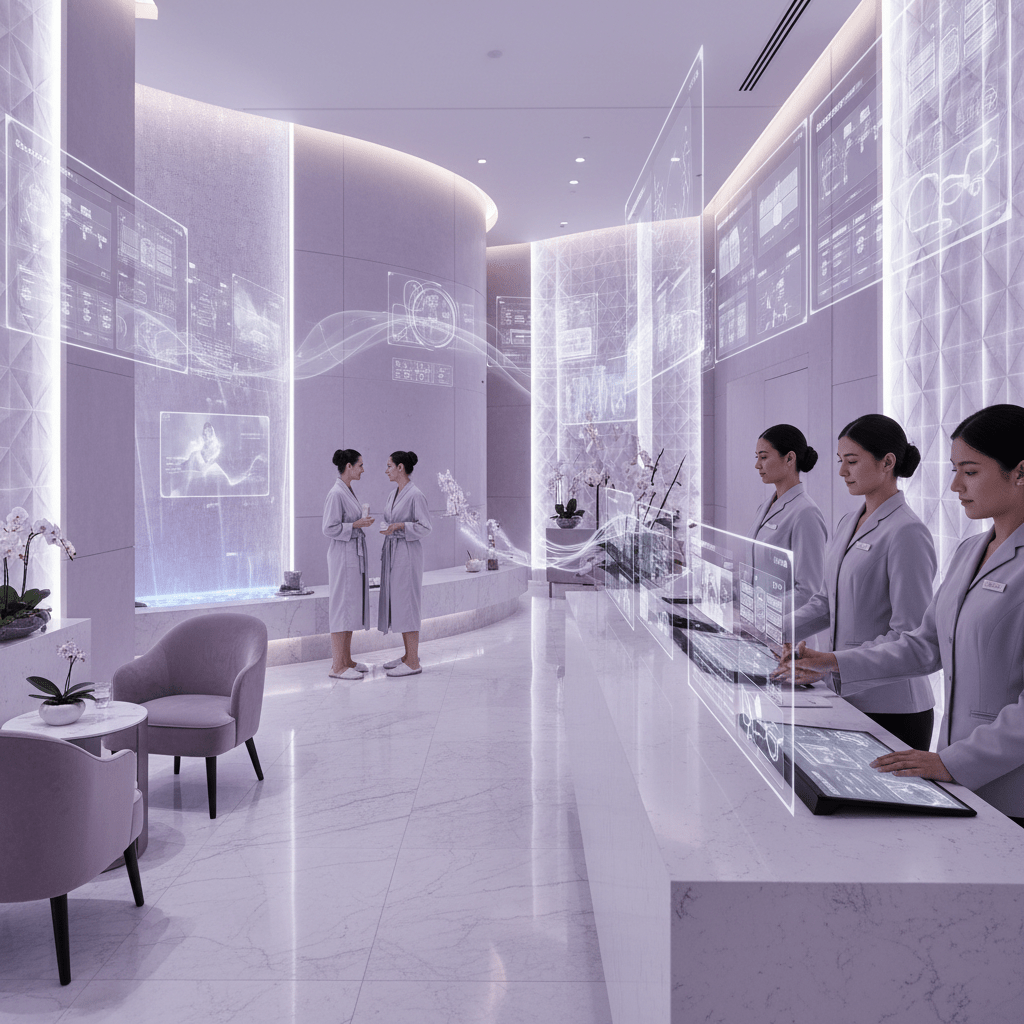
Here’s a quick breakdown of common staff tools:
| Staff Tool | What It Helps With |
|---|---|
| Hour tracking | Keeps shifts and labor costs clear |
| Schedule management | Makes swaps and time-off requests easier |
| Commission tracking | Calculates pay from services, retail, and bonuses |
| Tip reporting | Helps staff see what they earned |
| Mobile staff access | Lets therapists view schedules and client notes on the go |
That mobile access is a big deal. When therapists can open a staff app and see their day, their earnings, and notes on the next guest, they walk in prepared. A note like “prefers lighter pressure” or “first visit after a long flight” helps them give better service without asking the guest to repeat everything.
And that’s where the whole thing ties back to guest experience. If your team feels informed and organized, the service feels calmer too. Less running around. Fewer mistakes. Better energy at the front and back of house.
For properties using a cloud platform like Ease My Hotel, this kind of staff and inventory control fits neatly into the bigger hotel workflow. You’re not just managing appointments. You’re managing people, products, and profit in one place. That’s the real win.
And honestly, if your spa team can check their schedule from a phone, see commission details, and know what’s in stock before the first guest arrives, the day starts a whole lot smoother.
5. Driving Revenue: Built-in Marketing & Reputation Management
Ever notice how the best hotel stays feel like the hotel knew you before you arrived? That’s not luck. It’s data doing quiet little jobs in the background.
A strong spa management software for hotels and spas should use guest history to send the right message at the right time. Think birthday offers, a quick “we miss you” note for guests who haven’t booked in 90 days, or a follow-up promo for someone who bought a certain face cream last visit. Simple stuff. But it works.
And the numbers back that up. Personalized messages get more opens, and guest loyalty tends to rise when the message feels like it was made for one person, not blasted to everyone in the city. For hotel spas, that can mean more repeat visits, more retail sales, and more room-night value tied to the spa experience. A guest who feels remembered is way more likely to come back.
Here’s a quick look at marketing tools that help:
| Marketing Tool | What It Does |
|---|---|
| Birthday offers | Sends a special treat on the guest’s birthday |
| Lapsed guest campaigns | Reaches out to people who stopped booking |
| Product-based follow-ups | Suggests items tied to a past purchase |
| Segment-based promos | Sends offers by treatment type or visit history |
| Rebooking nudges | Encourages guests to book again before they leave |
Reputation tools matter just as much. After a good visit, the software should ask happy guests to leave a review on Google or TripAdvisor. Not pushy. Just a clean little nudge at the right time, usually within 24 to 48 hours. That timing helps because the visit is still fresh in their mind. And if a guest had a rough time, the system can route that feedback to the manager first instead of tossing it straight to a public review site. Smart, right?
Then there’s membership. A wellness center management platform can help a hotel spa build recurring revenue with monthly or annual plans. That might include one massage a month, member-only pricing, or early access to weekend slots. It gives guests a reason to keep coming back, even when they’re not traveling.
And for the hotel, that steady income is a big deal. Less guesswork. More repeat business. More reason to treat the spa like a real revenue line, not just a nice extra.
If you’re comparing tools like Ease My Hotel, this is where the spa side should connect with the rest of the property. Guest data, offers, reviews, and memberships all in one place. Cleaner for staff. Better for guests. And a lot better for your bottom line.
6. Strategic Oversight: Robust Reporting & Analytics
Ever had a busy Friday night and thought, “Wait… are we actually making money on the spa, or just staying busy?” That question pops up a lot more than people admit.
That’s where reporting earns its keep. A strong spa management software for hotels and spas should give you a dashboard that makes the day easy to read at a glance. No hunting. No spreadsheet circus. Just the numbers that matter: revenue per available treatment hour, therapist utilization, client retention, and retail versus service revenue.
RevPATH is the one I’d watch first. It tells you how much each open treatment hour is worth, so you can spot weak spots fast. If one room sits empty while another is packed, that’s a clue. Same with therapist utilization. If your team is only booked half the day, the problem might be timing, staffing, or just a booking flow that’s harder than it should be. A good spa scheduling and POS system makes those patterns show up before they turn into lost revenue.
Here’s a simple view of the core numbers:
| KPI | What It Tells You |
|---|---|
| RevPATH | How much money each treatment hour brings in |
| Therapist utilization | How full your staff schedules are |
| Client retention rate | How many first-time guests come back |
| Retail vs. service revenue | Whether product sales are keeping pace with services |
But dashboards are only half the story. The software should also generate daily sales summaries, product sales reports, staff performance reports, and client demographics. Those reports help managers see what’s selling, who’s booking, and which therapist or service line needs attention. Kind of boring to read, sure. But boring data can save a lot of cash.
And then there’s forecasting. This is the part that really helps a hotel spa act less like a guess-and-check operation. When the system looks at past demand, it can predict busier weekends, holiday spikes, and slow stretches. So you can schedule better, order inventory before you run out, and avoid overstaffing on quiet Tuesdays. Not magic. Just pattern spotting.
That matters in hotel life because spa revenue is often a real piece of the bigger pie. Luxury hotels can pull 35% to 45% of total revenue from ancillary services, and resort properties can reach 40% to 55% see the ancillary revenue breakdown. So if your reporting is weak, you’re basically guessing at a big part of the business.
And honestly, once managers can see the numbers clearly, the spa stops feeling like a side amenity. It starts acting like a real profit center. Which is the whole point, right?
For properties using a cloud platform like Ease My Hotel, this kind of reporting should sit beside bookings, staff tools, and guest communication in one place. That way, the team isn’t bouncing between systems just to answer a basic question like, “What’s filling up next weekend?”
7. The Non-Negotiable: True, Two-Way PMS Integration
You know that awkward moment when the front desk says one thing, the spa desk says another, and the guest is stuck in the middle? Yep. That’s the kind of mess that makes people quietly decide not to come back.
True two-way integrated spa and PMS software fixes that. Not the fake kind. Not a pretty link that opens another screen and hopes someone remembers to copy data over later. Real integration means guest profiles sync both ways, hotel staff can make spa bookings right inside the PMS, and spa charges post to the room folio in real time. So if a guest checks in at 3:10 pm and mentions a lavender allergy, that note should show up where the spa team can use it. Fast.
And honestly, that’s what guests expect now. Personal touches are a big deal, with 64% of consumers saying they prefer personalized brands and 45% walking away after poor personalization EHL luxury hospitality research. In a hotel spa, that means your system needs to know the guest, the stay, and the treatment without anyone babysitting three different tools.
Here’s the simple test. If your spa software needs manual exports, CSV uploads, or a daily data dump, it’s not true integration. It’s a patch. And patches break at the worst time. Usually right before check-out.
Questions to ask before you sign
Use this checklist with every vendor. Seriously, every one.
| Vendor Question | Why It Matters |
|---|---|
| Which PMS systems do you partner with? | You need to know if it works with your current hotel setup, like Oracle OPERA Cloud, Mews, or Cloudbeds. |
| Is it one-way or two-way sync? | One-way sync can leave staff guessing. Two-way sync keeps guest data and charges aligned. |
| Can hotel staff book spa services inside the PMS? | This saves time and cuts double entry. |
| How fast do room charges post? | Real-time posting helps avoid billing fights at checkout. |
| What is the implementation process and cost? | Hidden setup fees can turn a good idea into a budget headache. |
| Do you support API-based integration or just file transfers? | API-based links are far smoother than batch exports that lag by hours or days. |
If a vendor starts talking in circles, that’s a red flag. Ask for a live demo. Better yet, ask them to show a guest check-in, spa booking, and room charge in one flow. If they can’t do that cleanly, keep looking.
A lot of hotel teams learn this the hard way. They buy hotel spa software that “connects” to the PMS, but the connection is really just a basic link. Then staff still has to re-enter names, move charges by hand, and fix duplicate profiles later. That kills the whole point of using spa software with PMS integration in the first place.
For hotel groups using a cloud system like Ease My Hotel, this is where the bigger picture starts to click. When booking management, guest communication, staff tools, and accounting all sit in one place, the spa stops acting like a side room and starts working like part of the hotel. Cleaner for the team. Easier for the guest. And way less chaos at the desk.
Making Your Choice: Aligning Software Features with Your Hotel’s Goals
So here’s the real question: what’s slowing your spa down right now?
Is it messy booking? Billing mix-ups? Staff who can’t see the full guest story? That’s the stuff to fix first. The best spa management software for hotels and spas is not just a booking tool. It’s the thing that holds your spa ops, guest experience, and profit goals together in one place.
And that matters a lot in hotel life. Guests want a stay that feels personal, and luxury properties often pull a big chunk of revenue from spa, dining, and other extras. So if your hotel spa software helps you remember guest preferences, charge rooms cleanly, and keep staff in sync, you’re not just buying software. You’re building a smoother business.
Here’s the simple move before you start vendor demos: make a priority list.
| Start With | Ask Yourself |
|---|---|
| Booking pain points | Are we losing time on slow scheduling or double bookings? |
| Guest data gaps | Can staff see history, notes, and preferences fast? |
| Billing issues | Do spa charges post to the room without manual work? |
| Team headaches | Do we need better staff schedules, commissions, or inventory tracking? |
| Growth goals | Do we want more repeat visits, more retail sales, or better reporting? |
If you’re using a platform like Ease My Hotel, this is where the bigger picture starts to come together. A cloud system with booking management, guest communication, staff tools, and accounting can help your spa stop acting like a side department and start working like a real part of the hotel.
Actually, scratch that. It’s more than that. It gives your team room to move from reacting to problems all day to making smarter calls before problems show up. That’s a much better place to be.
So before you sit through another demo, write down your top 3 bottlenecks. Then match each one to a feature you truly need in spa software with PMS integration, a resort spa booking system, or a wellness center management platform. That way, you’re not shopping for shiny extras. You’re choosing the tools that fit your hotel’s real goals.
And once that clicks? The spa stops being a headache. It starts becoming a strong asset for the whole property.