
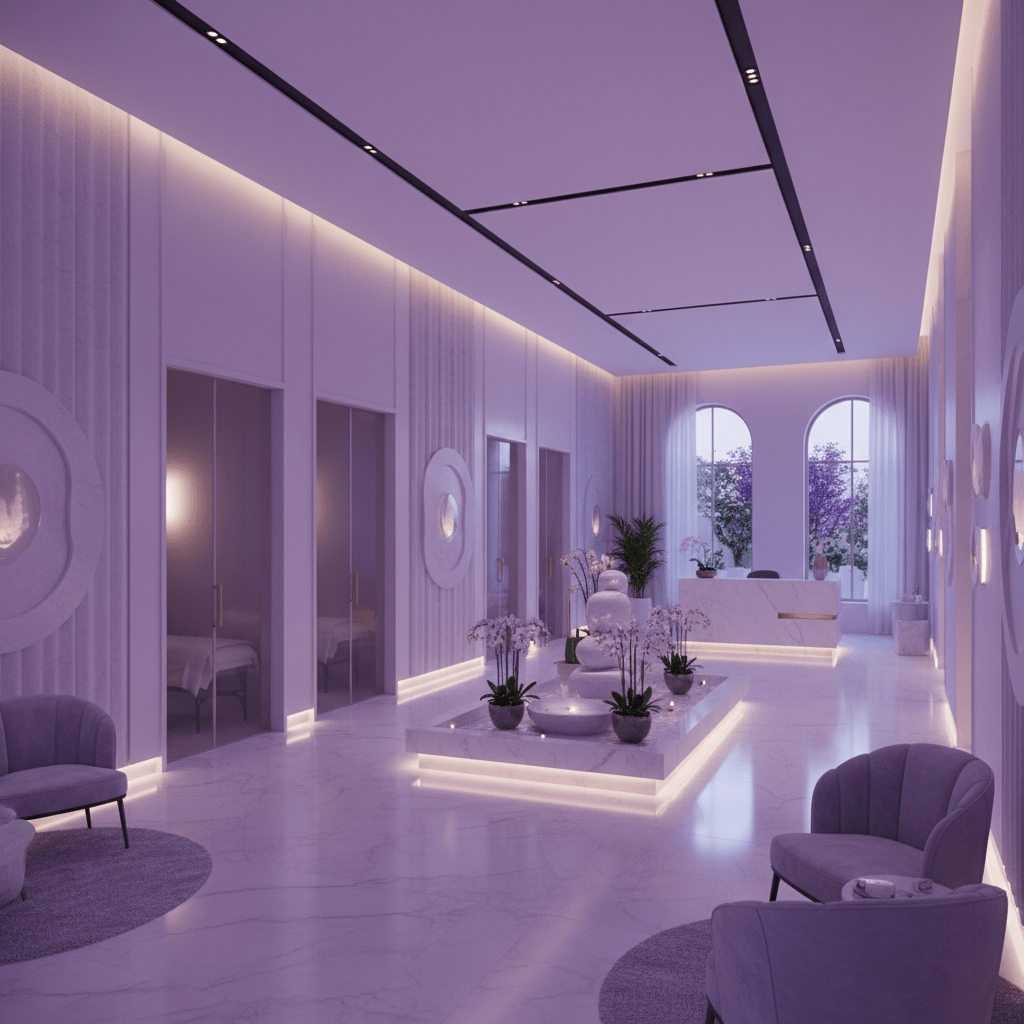
Why Your Hotel Spa Might Be Leaving Money on the Table
Ever walked past a hotel spa at 2 p.m. and thought, “Why is this place so quiet?” Yeah, I have too. And that quiet can be expensive.
A lot of hotel spas are still treated like nice extras. Calm lights. Soft music. A warm towel. Lovely stuff. But not always a real profit center. That’s the part many hotel managers miss.
The numbers tell a different story. The wellness tourism market was valued at about $990 billion in 2025 and is expected to hit $2.4 trillion by 2035. Guests who travel for wellness also spend more than 40% above the average per trip. So this isn’t just a side amenity. It’s a spending engine. Grand View Research wellness tourism market data
But here’s the catch. If you can’t see what’s really happening in your spa, you can’t fix what’s off. Empty treatment rooms. Overbooked therapists. Retail stock that sits too long. Guests who never get a follow-up offer. It adds up fast.
That’s where spa management software for hotels comes in. The right system helps you track bookings, guest data, therapist time, and revenue in one place. Plus, a strong spa analytics dashboard can show what’s selling, what’s slowing down, and where money is slipping away.
So instead of guessing, you get facts. Real ones. And once you start using data to improve spa performance with data, your spa stops acting like a cost line and starts acting like a smart part of the business.
If you’re running a hotel, resort, or property group, this shift matters. A good hotel spa software setup can help with guest data analysis for spas, spa revenue management, hotel PMS integration for spa, and even spa therapist performance tracking. In other words, it gives you the clear view you’ve probably been missing.
What’s getting in the way?
Usually, it’s a mix of small messes. Manual scheduling. Billing mix-ups. Slow reports. Separate systems that don’t talk to each other. Nothing dramatic… until you look at the lost revenue.
The good news? You don’t need to rebuild everything from scratch. With the right resort spa management software, you can spot weak spots, tighten daily operations, and make better calls with less stress.
And honestly, that’s the win. Less guesswork. Better timing. More room for profit.
If your spa still runs on spreadsheets and crossed fingers, it might be time to take a closer look. The money may already be there. It just isn’t showing up where you need it yet.
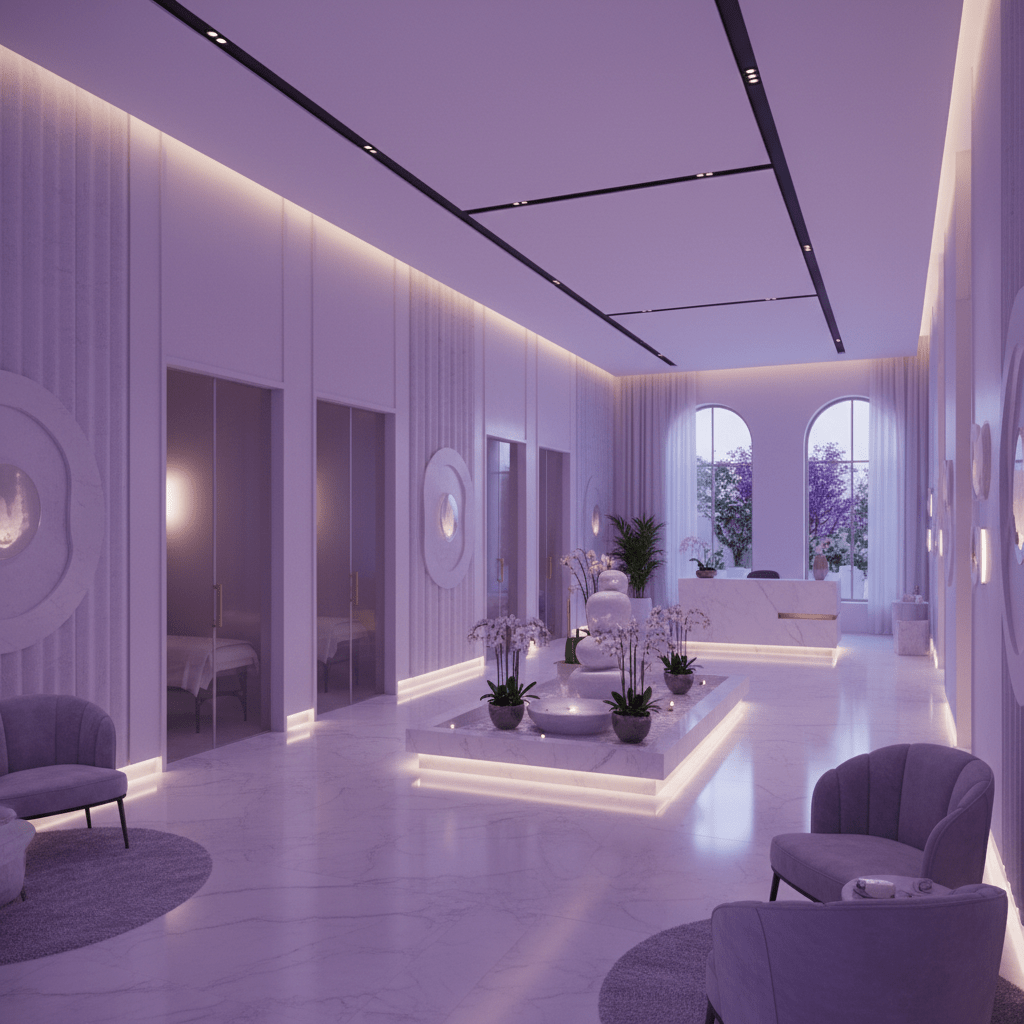
Beyond Bookings: The Evolution to Integrated Hotel Spa Software
Picture this. A guest checks in at 4:10 p.m., asks about a massage at the front desk, and your team has to open one system for rooms, another for spa slots, and a paper note for preferences. Messy, right? And it happens all the time.
That old setup still shows up in a lot of properties. Pen-and-paper logs. Standalone calendars. A spreadsheet for products. A separate billing sheet. It works… until it doesn’t. One missed update can mean a double-booked therapist, a lost upsell, or a guest who feels ignored because the spa didn’t know they were a repeat visitor.
Modern spa management software for hotels changes that. It pulls bookings, guest notes, retail stock, room use, and payment info into one place. That gives you a single source of truth. Not five half-right versions of the truth. Just one clean view of what’s happening across the spa floor, the front desk, and back office.
Here’s where it gets really useful. The best hotel spa software connects with your Property Management System, or PMS. So when a guest from the suite books a facial, the spa team can see their stay, loyalty status, and past preferences without asking the guest to repeat everything. That kind of hotel PMS integration for spa helps create a smoother 360-degree guest journey. Room charging gets simpler too. Fewer errors. Less front-desk back and forth. Nice and tidy.
And yes, that matters for money. Integrated wellness programs can support higher ADRs, and hotel spas that move from isolated service points to a connected revenue engine often do better with packages, upgrades, and repeat visits. Actually, wait, there’s a better way to say it: the spa stops being “the quiet room at the end of the hall” and starts acting like part of the hotel’s full guest experience.
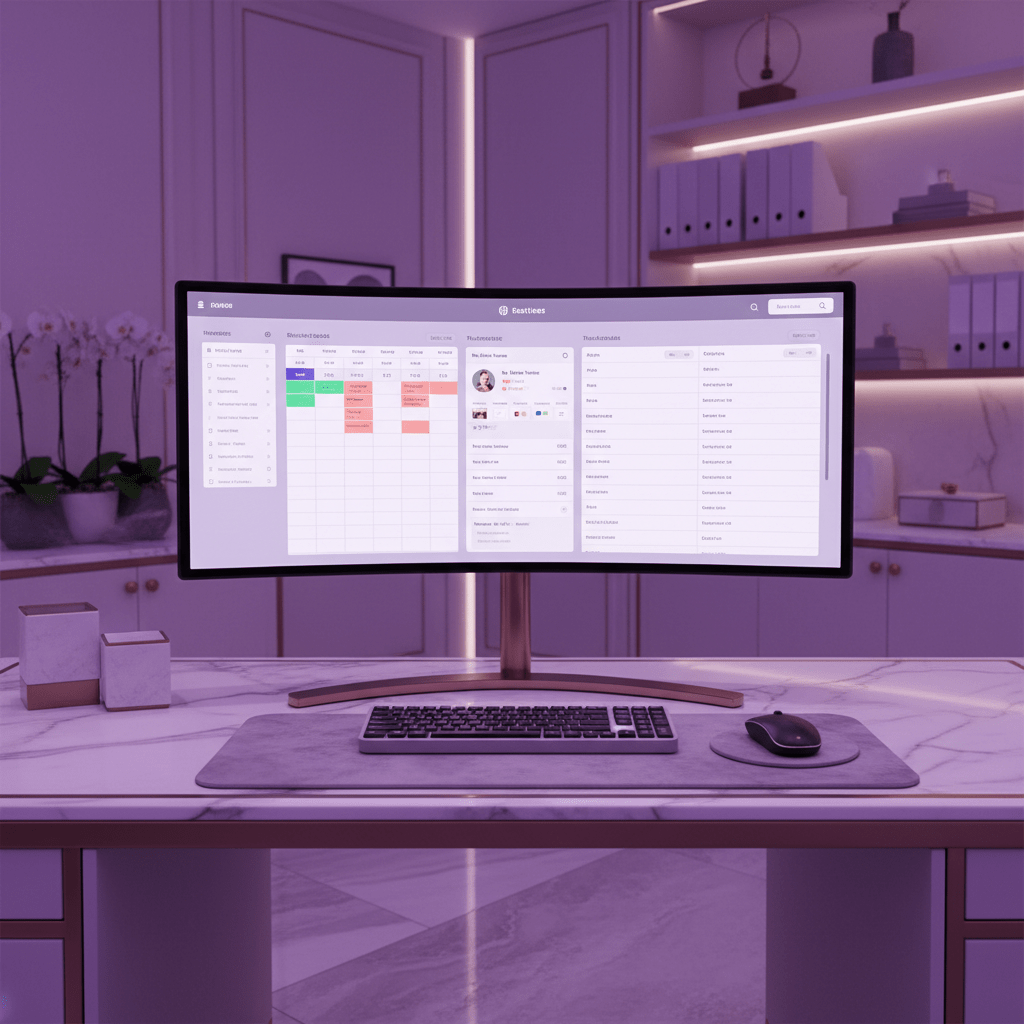
What a single source of truth really means
It sounds fancy, but it’s simple.
A single source of truth means your spa team, hotel team, and accounting team all see the same live data. No duplicate entry. No wondering which spreadsheet is right. No “I thought you updated that.”
Here’s what that usually includes:
- Guest profiles and visit history
- Treatment bookings and therapist schedules
- Retail inventory and product use
- Charges, refunds, and folio details
- Notes on preferences, allergies, or repeat requests
When all of that lives together, your team can spot patterns faster. Maybe Thursdays are slow. Maybe one therapist gets better ratings. Maybe a certain body scrub keeps selling out too fast. That’s the kind of guest data analysis for spas that helps you improve spa performance with data instead of guesswork.
And if you’re using a cloud platform like Ease My Hotel, this gets even easier because your spa data can sit beside your booking tools, guest messaging, staff management, and accounting in one place. Less hopping around. Less chaos. More control.
Why PMS integration changes the whole guest stay
This part is bigger than billing.
When spa software talks to the PMS, the guest journey feels smoother from the first click to checkout. The spa can recognize a VIP guest, see if they’ve stayed before, and even pre-fill common details. That means faster service and fewer awkward questions at the desk. It also opens the door to smarter offers, like a post-check-in massage suggestion or a weekend wellness package for a returning couple.
Plus, the front desk doesn’t have to chase down spa charges later. Everything lands in one folio. That’s good for staff sanity, and honestly, we could all use a little more of that.
For managers, this is where spa revenue management starts to feel real. You’re not just tracking who booked what. You’re seeing how the spa fits into total guest spend, room performance, and repeat business. And once that view is clear, it’s much easier to plan promotions, staffing, and retail bundles with confidence.
If your spa still runs on separate systems, it might be time to connect the dots. Start with your PMS, then look at booking, retail, and reporting. That’s the path from “nice amenity” to a real revenue part of the hotel.
Your Spa Analytics Dashboard: The KPIs That Truly Matter
You know that weird feeling when a spa looks busy, but the numbers still feel off? I’ve seen that happen a lot. The front desk is smiling. The lights are low. The towels are warm. But the reports? Kinda fuzzy.
That’s why a good spa analytics dashboard matters so much. It turns the guesswork into a clear picture. Not a perfect picture, but a much better one. And once you can see the numbers, you can fix the leaks.
A few KPIs do most of the heavy lifting:
| KPI | What it tells you | Why it matters |
| Therapist Utilization | How much of a therapist’s paid time is booked | Helps you spot overstaffing or missed demand |
| Treatment Room Occupancy | How often treatment rooms are in use | Shows if space is being wasted |
| RevPATH | Revenue Per Available Treatment Hour | Helps you see which time slots bring in real money |
| Average Treatment Rate (ATR) | Average price per treatment | Shows if pricing and mix are working |
| Retail Sales % | Share of spa revenue from products | Tells you if retail is pulling its weight |
| Repeat Guest Rate | How many guests come back | A big clue for loyalty and guest trust |
Let’s start with the big three.
Therapist utilization is pretty simple. It shows how much of your therapist time is actually booked. If you’ve got a team sitting around too much, that’s payroll sitting there too. In many 5-star hotels, top spas aim for 75% to 85% during busy times, while some 4-star properties stay closer to 55% to 70%. So if your number is way below that, something’s off.
Treatment room occupancy works the same way, but for rooms. If rooms are empty while guests are asking for service, that’s lost revenue. And if the rooms are full but therapists are not, then the schedule is out of sync. Simple. Annoying. Fixable.
Then there’s RevPATH, or Revenue Per Available Treatment Hour. Fancy name, plain idea. You take total treatment revenue and divide it by the total hours your treatment rooms could have been used. This helps you see the real value of each time block. A sleepy Tuesday afternoon might need a different offer than a packed Saturday morning. Makes sense, right?
Now for the money and guest side.
Average Treatment Rate (ATR) tells you what guests usually pay for a treatment. If ATR stays flat while costs go up, your margin gets squeezed fast. Retail sales as a percentage of total revenue shows whether your oils, scrubs, and aftercare products are helping the business or just collecting dust. And repeat guest rate tells you if people liked the experience enough to come back. That one matters a lot, because a guest who returns usually spends more over time.
Here’s the thing though: these numbers only help if you can see them fast. That’s where a smart dashboard earns its keep. A strong hotel spa software setup pulls this into one screen, so managers can spot trends without opening six tabs and muttering at the laptop. Better yet, it can sit inside broader spa management software for hotels and connect with your hotel PMS integration for spa, booking tools, and billing.
A solid dashboard usually shows:
- Today’s bookings vs. open slots
- Therapist hours booked and unused
- Treatment room use by hour
- Top-selling services
- Retail sales by product
- Repeat guest trends
- Underused time blocks
And if you’re using Ease My Hotel, this kind of reporting gets easier because your spa data can live beside bookings, guest messages, staffing, and accounting in one cloud system. That means less jumping around and more actual decision-making. Which, honestly, is the whole point.
The best part? You don’t need to become a data nerd overnight. Start small. Watch one KPI for a week. Then add another. Before long, you’ll be able to improve spa performance with data instead of hunches. And that’s a much better way to run a hotel spa.## How to Improve Spa Performance with Data-Driven Operations
You know that odd moment when a spa feels busy, but the numbers don’t back it up? That’s usually the sign that the operation is running on gut feel instead of clear data. And honestly, that gets pricey fast.
The fix starts with the booking history already sitting inside your spa management software for hotels. If you look at past arrivals, day of week trends, treatment mix, and peak hours, you can forecast demand much better. That means smarter schedules, fewer dead hours, and less payroll waste. Some spas that move from fixed rosters to demand-based planning cut labor costs by 10% to 20%. Nice little win. Or not so little, if you’re watching margins.
Here’s a simple way to think about it:
| Data point | What to look for | What to do next |
| Past bookings | Busy days and slow gaps | Build staff schedules around real demand |
| Therapist hours | Overused or underused shifts | Move shifts to match peak times |
| Treatment types | Best sellers and weak sellers | Promote the right services at the right time |
| Retail sales | What sells with each service | Train staff to suggest the right add-ons |
But staffing is only part of the story. Therapist performance matters too. A good spa analytics dashboard should show more than just who showed up for work. It should help you see spa therapist performance tracking in a way that feels fair and useful. Look at utilization, retail sales per therapist, and guest ratings. Then you can spot your top people and give them credit, while also noticing where coaching might help.
And yes, this is where feelings matter a little. A therapist who keeps getting great reviews and sells more aftercare products isn’t just “busy.” They’re helping the spa make money and leave guests happy. That person deserves a shout-out, maybe even first pick on prime shifts. Small things. They add up.
Now let’s talk inventory, because this one sneaks up on people. If you don’t track product use against services rendered, you can end up with shelves full of slow-moving lotion and not enough of the good stuff. In some spas, bad inventory control ties up 15% to 25% of the annual product budget in stock that just sits there. Ouch.
This is where guest data analysis for spas and service tracking really help. If a facial uses 12 ml of a serum and you ran 40 facials last week, the math should line up. When it doesn’t, something’s off. Maybe waste. Maybe shrinkage. Maybe the par levels are just wrong. Whatever the cause, your hotel spa software should make it easier to catch before the money disappears.
A few practical moves help fast:
- Review last 8 to 12 weeks of booking data
- Compare therapist time to actual demand
- Watch retail sales by service and by staff member
- Match product usage to treatment volume
- Set simple reorder points for each item
If you’re using Ease My Hotel, this gets easier because spa data can sit beside bookings, guest messages, accounting, and staff management in one cloud system. That makes it simpler to improve spa performance with data without digging through five different screens.
And if your hotel spa is still running on paper notes and hope… well, now you know where the leaks are. Start with demand, then look at people, then check product use. That order usually makes the biggest difference.
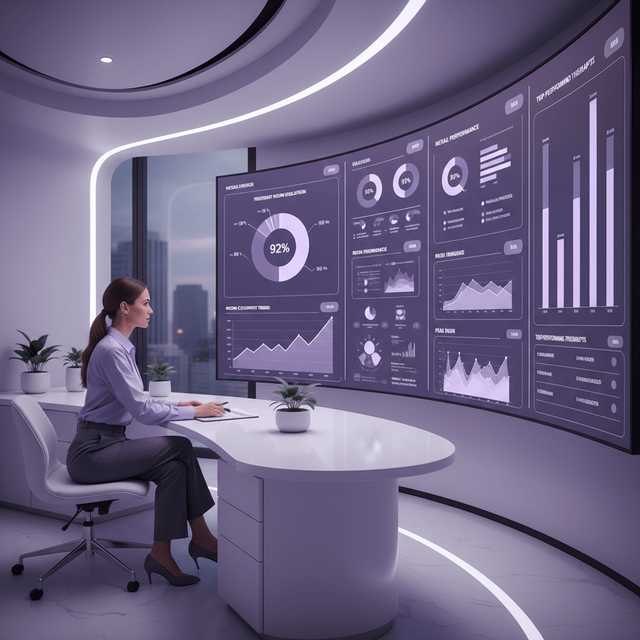
Enhancing the Guest Journey with Personalization and Guest Data Analysis
You know that nice feeling when a spa therapist remembers your favorite oil? That tiny moment can change the whole stay. It feels warm. Human. And guests notice it more than most hotels think.
This is where spa management software for hotels starts pulling real weight. With guest profiles in one place, your team can see past treatments, product purchases, and little notes like scent choices or pressure level. So instead of asking the same questions again, staff can make smart suggestions right away. Maybe a guest loved a deep tissue massage last time. Maybe they bought a lavender body oil at checkout. That info matters.
And the business side? Also pretty nice. Hotels with personalized offers often see guest spend rise by 10% to 15% on average, and loyalty members who get personal recommendations can spend up to 20% more per stay. That’s not fluff. That’s real revenue tied to better service personalized hospitality spend findings.
Here’s the thing though. Personalization works best when the spa can also read the hotel guest’s bigger story. A business traveler may want a short evening recovery session. A leisure couple might want a package with two treatments and champagne. A conference attendee may just need a quick foot massage before dinner. If your hotel PMS integration for spa feeds those guest types into the spa system, your team can match the offer to the person without making it feel forced.
A few ways this looks in real life
- A returning guest gets their favorite facial product suggested at check-in
- A couple booking a weekend stay sees a “reset and relax” spa bundle
- A business traveler gets a 30-minute back massage after a long meeting day
- A conference group gets a simple group package with easy room charging
That’s the magic of a unified guest profile. It helps the hotel, spa desk, and front desk work like one team. No awkward handoffs. No repeated questions. No “sorry, we didn’t know that was your third visit.”
But wait, there’s more to it than service. A strong profile also helps with billing and follow-up. If the spa purchase flows into the same folio as the room charge, checkout feels smoother for the guest and less messy for staff. That means fewer errors, less back and forth, and a better shot at repeat visits. Simple stuff. Big impact.
And if you’re using Ease My Hotel, this gets even easier because booking, guest messaging, staff tools, and accounting can live in one cloud system. So the spa team can see useful guest details without jumping between five screens and losing the thread.
Try Ease My Hotel for free.
No lock-in contracts. Cancel anytime
Using guest segments to sell the right spa package
Now, you might wonder: how do you turn guest data into offers people actually want? Start with segments from the PMS. Not fancy. Just useful.
Think about it like this:
| Guest segment | What they usually want | Spa package idea |
| Business traveler | Fast relief, short sessions | 30-minute neck and shoulder recovery |
| Leisure couple | Shared time, relaxation | Couple massage plus bath ritual |
| Conference attendee | Quick recharge | Express spa reset before dinner |
| Long-stay guest | Routine and value | Weekly wellness bundle |
These little segments help with spa revenue management because you stop sending the same offer to everyone. And honestly, that’s what people are tired of anyway. A one-size-fits-all promo often gets ignored. A message that fits their stay? Much better.
The best part is that your spa analytics dashboard can show which packages get booked by each group. So if couples keep choosing a sunset treatment, you know where to put more attention. If business travelers ignore a longer package, maybe shorten it. Adjust. Test. Repeat.
And if you want to improve spa performance with data, this is a great place to start. Use guest data analysis for spas to learn what people book, what they skip, and what they come back for. Then build the menu around real behavior, not guesses.
What a seamless guest journey feels like
It starts at check-in. The guest is recognized. Their spa preferences are already there. The offer feels personal, not pushy. The spa visit is smooth. The billing is clean. And after checkout, the hotel has enough data to invite them back with something they’ll probably care about.
That’s what a good hotel spa software setup should do. It should connect the dots from booking to treatment to billing, while keeping the guest experience calm and easy. Because at the end of the day, nobody wants a great spa treatment followed by a clunky checkout.
If your current setup still keeps spa data in a separate box, it may be time to fix that. A unified view helps staff work faster, guests feel known, and the spa act less like a side room and more like part of the stay.

Choosing the Right Spa Management Software for Hotels: Key Analytics Features
You know that moment when a report looks fine… but your gut says it’s lying? Yeah, that’s a real problem in hotel spas. The front desk feels busy, the treatment rooms look full, and still the numbers don’t quite add up. Weird, right?
That’s why the analytics side of spa management software for hotels matters so much. If you’re comparing hotel spa software or resort spa management software, don’t just look at booking screens and calendars. Look for the reporting tools too. That’s where the real money clues hide.
1) Custom dashboards you can actually read
A good spa analytics dashboard should not feel like a maze. You want live KPIs at a glance. Things like therapist utilization, room occupancy, RevPATH, retail sales, and repeat guest rate. If a manager has to click through five screens to find one number, that software is already making life harder.
Look for dashboards that let you:
- Pick your own KPIs
- Sort by day, week, or month
- Compare one therapist, one room, or one package
- Spot slow hours fast
This is how you improve spa performance with data without needing a whole reporting team. Clean view. Quick answers. Less guessing.
2) Daily and weekly summary emails
This one sounds simple, but it saves a lot of time. Automated summary emails give managers a quick read on bookings, revenue, cancellations, no-shows, and top services without logging in first thing every morning. Nice little habit. Very useful.
Ask vendors if the software can send:
- Daily revenue snapshots
- Weekly therapist performance summaries
- Inventory alerts
- Underused time block reports
These reports help with spa revenue management because they make problems visible before the week gets away from you. And if the system can send them to hotel managers too, even better.
3) Therapist performance reports that go deeper
A strong system should help with spa therapist performance tracking in a fair, clear way. Not just who was clocked in. You want to see utilization, guest ratings, rebook rates, retail sales per therapist, and maybe even average treatment value.
That kind of report helps you spot:
- Top performers who deserve better shifts
- Team members who may need coaching
- Retail stars who sell aftercare well
- Gaps between busy hours and real output
And yes, that matters for staffing, morale, and profit.
4) Integration with PMS, POS, and accounting
This part gets missed a lot. A spa system that talks to your PMS is good. But one that also connects with POS and accounting is even better. Without that, you can still end up with data silos, billing mistakes, and a lot of extra work.
A strong setup should support:
- Hotel PMS integration for spa so guest data and folios stay in sync
- POS links so retail sales and service charges match
- Accounting links so revenue and refunds flow cleanly
If the software can’t move data between systems well, your reports may look neat but still be wrong. And that’s a headache nobody wants.
Vendor questions to ask before you buy
Use this checklist when you talk to any vendor:
| Question | Why it matters |
| Can I build my own dashboard? | So I can track the KPIs I care about |
| Do you send daily and weekly reports automatically? | So managers stay informed without extra work |
| What therapist reports do you offer? | So I can track utilization, sales, and ratings |
| Does your system connect with our PMS, POS, and accounting tools? | So data stays in one flow |
| Are there extra fees for integrations or report add-ons? | So I don’t get surprised later |
| How fast does data sync? | So booking and billing stay accurate |
| Can I export reports easily? | So I can share them with owners or finance |
If you’re using Ease My Hotel, this is where a unified setup can help. Because when bookings, staff tools, accounting, and spa data sit in one cloud system, managers spend less time chasing numbers and more time acting on them.
And that’s the real goal, right? Better reports. Better choices. Better spa results.
So if you’re shopping for spa management software for hotels, start with the analytics. Ask the hard questions. Look past the pretty interface. The right system should help you see what’s working, what’s leaking money, and what needs a nudge. That’s how a spa stops feeling like a side feature and starts acting like part of the hotel’s revenue plan.
Transform Your Spa from an Amenity into a Strategic Asset
So here’s the big shift. A hotel spa is not just a quiet room with candles and lavender oils. It can be a real business unit that brings in money, keeps guests happy, and makes the whole stay feel more personal.
And the numbers back that up. The wellness tourism market was valued at about $990 billion in 2025 and is on track to reach $2.4 trillion by 2035 Grand View Research wellness tourism market data. That’s a huge signal for hotel managers. Guests want wellness. They also spend more for it.
But the spa only works like a growth engine if you can see what’s happening inside it. That’s where spa management software for hotels changes the game. It helps you track bookings, room use, therapist time, guest history, and revenue in one place. Plus, a good spa analytics dashboard shows what’s selling, what’s slow, and where money is slipping away.
Here’s the short version:
- Better operations
- Better guest experiences
- Better revenue control
Simple. But not easy without data.
If you want to improve spa performance with data, start with the basics. Audit your current data gaps. Then pick your top 3 KPIs. Maybe that’s therapist utilization, treatment room occupancy, and repeat guest rate. Maybe it’s RevPATH, retail sales, and booking lead time. Pick the numbers that tell you the most about your spa right now.
Actually, wait, there’s a better way to say it. Don’t try to track everything on day one. Track what hurts most first.
That could be the difference between a spa that just runs and a spa that really earns.
For hotels using hotel spa software, resort spa management software, or hotel PMS integration for spa, this is the next step toward smarter spa revenue management and better guest data analysis for spas. And if you’re using a cloud system like Ease My Hotel, you can bring spa data together with bookings, guest messages, staff tools, and accounting in one place. Less mess. More clarity.
So if your spa still feels like a nice extra, that’s your sign. Start with the data. Build from there. And turn the spa into a part of the hotel that actually pulls its weight.
Try Ease My Hotel for free.
No lock-in contracts. Cancel anytime