
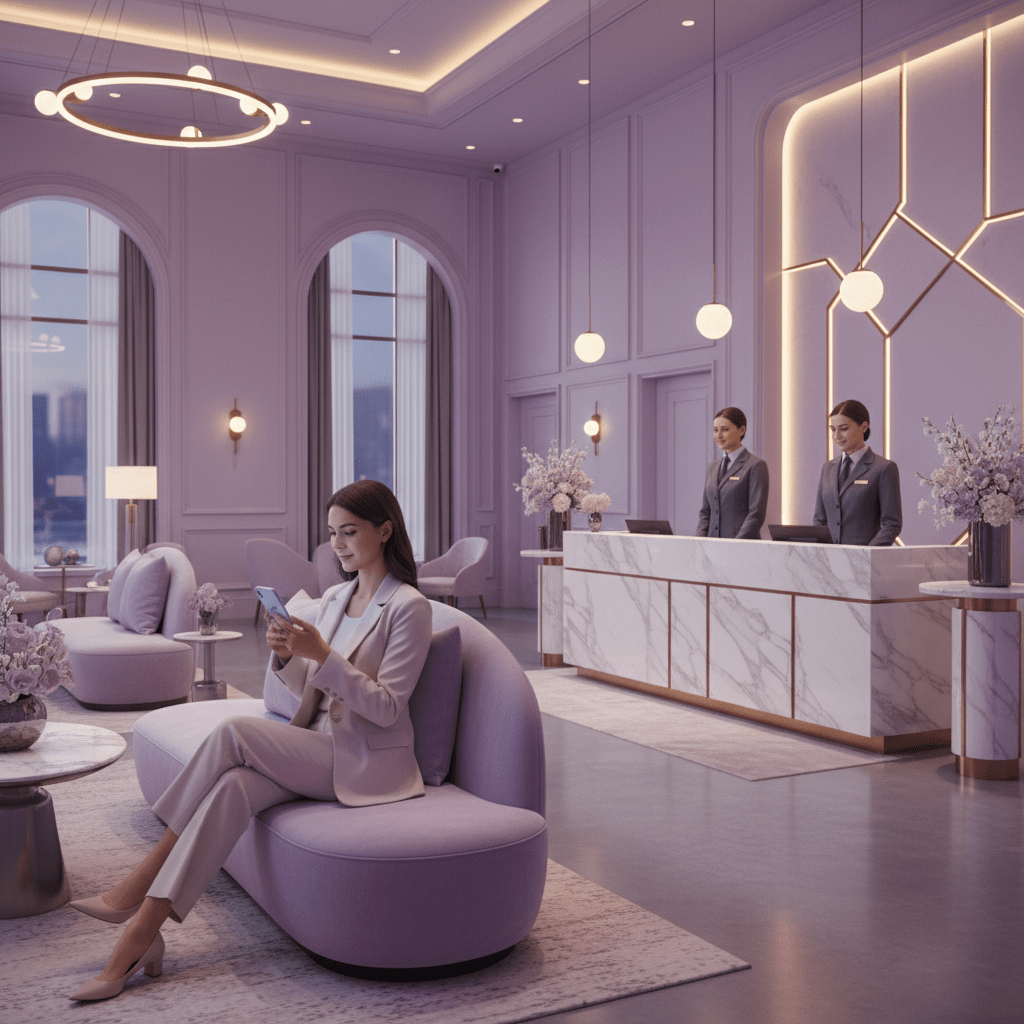
Why Social Media is the New Front Desk for Modern Hotels
Ever notice how guests now check your Instagram before they check your lobby? That’s not a small shift. It’s a big deal.
People are using social media to plan trips, compare stays, and decide where to book. As of 2024, 35% of travelers worldwide use social platforms to research and organize trips, and in the U.S. that number is even higher for vacation planning. Plus, over 40% of U.S. social media users say influencers shape travel choices, which means hotels can’t just sit back and hope OTA listings do all the work. A strong social media marketing hotel industry plan helps hotels build a direct-to-consumer brand, not just a booking page.
And that’s really the shift here. Social media is not only a sales channel. It’s where you build trust, answer questions, show personality, and manage your hotel’s online presence in real time. It’s also where guests talk back. Loudly sometimes.
This article will walk you through a full hotel social media strategy that helps you grow engagement, stand out from big chains, and increase hotel bookings social media can bring in. We’ll cover what works for hospitality social media marketing, what content people actually stop for, and how hotels of all sizes can turn likes, shares, and DMs into real business.
But first, let’s be honest. If your hotel brand looks the same as every other property in town, social media is your chance to change that.
Section 1: The Foundation – Defining Your Hotel’s Social Media Identity
You know that hotel feed that feels a little… flat? Same room shots. Same breakfast plate. Same pool at sunset. Guests notice that fast.
And if your brand voice is muddy, your posts will be too. A hotel social media strategy works best when you know exactly who you are online. Are you luxurious and quiet? Fun and family-friendly? Or more quirky, artsy, and local? Pick a lane. Then stick to it.
That matters because people use social media to plan trips more than ever. In 2024, 35% of travelers worldwide used social platforms to research and organize trips, and more than 40% of U.S. social media users said influencers shaped their travel choices in a GWI travel trends report. So your feed is not just decoration. It is part of your first impression.
Start with your brand voice
Think of your hotel like a person at a party. What do they say? How do they dress? Do they crack jokes or speak softly and beautifully?
A few examples:
| Hotel style | Brand voice | Content that fits |
|---|---|---|
| Luxury hotel | Polished, calm, exclusive | Spa shots, suite tours, fine dining, guest moments |
| Boutique stay | Creative, local, a little odd in a good way | Art, neighborhood guides, staff stories, design details |
| Family resort | Warm, playful, helpful | Kid-friendly activities, pool fun, dining tips, quick answers |
| Business hotel | Clear, modern, fast | Room features, workspaces, booking info, convenience |
Need help choosing? Start with the guest you want most. Not the one who books once a year. The one who keeps coming back.
Know your guest personas
This part sounds fancy, but it’s really just getting to know your people. What do they care about? What makes them book? What makes them leave?
For example, a couple planning a weekend escape wants romance, privacy, and pretty photos. A family wants space, easy food, and no drama. A solo traveler might want safety, Wi-Fi, and a cool local vibe. Different people. Different posts.
And yes, this is where hotel Instagram marketing gets smarter. If your posts speak to everyone, they usually speak to no one.
Check what nearby hotels are doing
Before you post another reel, look around. What are your competitors doing well? What are they missing?
Open their Instagram, TikTok, and Facebook pages. Look at:
- Their tone
- Their best-performing posts
- How often they reply to comments
- Whether they use guest photos
- What type of offers they share
Some hotels lean too hard into polished photos and forget to sound human. Others post fun stuff but never show a clear room, rate, or reason to book. That gap is your opening.
Honestly, this is one of the easiest parts of managing a hotel’s online presence if you set it up early. And if your team uses something like Ease My Hotel to keep bookings, guest messages, and channel info in one place, it gets easier to match your social voice with your actual guest experience.
A quick note before you post
Your hotel doesn’t need to copy Four Seasons or Moxy. It needs to sound like itself.
That is the real win. Clear voice. Clear guest. Clear difference. That’s how social media for luxury hotels, boutique stays, and even homestays starts turning views into trust. And trust? That’s what leads to bookings.
Section 2: Choosing the Right Platforms for Your Hotel’s Story
Ever post the same photo everywhere and hope for the best? Yeah… that usually turns into noise.
The smarter move is to pick a few platforms that match your guests. For most hotels, that means 2 or 3 channels, not all of them. A hotel social media strategy works better when each platform has a job.
Instagram: your visual shop window
Instagram is still the go-to for hotel Instagram marketing. It’s great for room tours, Reels, pool shots, food clips, and guest moments that feel real. Travel content does well here because people like to save pretty places for later.
If you run social media for luxury hotels, Instagram is where polished photos still matter. But don’t make every post feel stiff. A quick behind-the-scenes Reel or staff intro can get more love than another perfect bed shot. Weird, right? But true.
TikTok: fast, fun, and very human
TikTok works best for short video, trends, and personality. Hotels use it for property tours, local tips, and staff-led clips that show what staying there actually feels like. It’s a strong fit for boutique hotel marketing ideas and younger guests who want the vibe before they book.
One nice thing here: you don’t need movie-level polish. A phone, good light, and a clear idea can do a ton.
Facebook, Pinterest, and LinkedIn each have a place
Facebook still helps with community posts, event updates, and ads. It’s handy for retargeting people who already checked your website or booking page.
Pinterest is more like a slow-burn travel planner. People save dream trips, wedding ideas, honeymoon spots, and design inspiration there. So if your hotel leans romantic, scenic, or style-heavy, Pinterest can quietly feed future bookings.
LinkedIn is the one people forget. But for corporate events, group stays, and B2B travel, it matters. If you host meetings or retreats, your sales team should not ignore it.
Don’t try to be everywhere
This is where a lot of hotels trip up. They open five accounts, then post on none of them well.
Start with the two platforms where your guest personas already hang out. A city boutique hotel might choose Instagram and TikTok. A resort may do Instagram and Facebook. A business hotel might focus on LinkedIn plus Facebook ads.
Make each profile easy to book from
No matter the platform, your profile should answer three things fast:
- Who are you?
- What kind of stay do you offer?
- How do I book?
Use the same logo, colors, and tone everywhere. Add a clean bio. Keep a working booking link. And make sure your photos actually look like your property, not a random stock site from 2016.
If your team uses Ease My Hotel, it’s easier to keep your booking info, guest messages, and property updates in one place while your social posts point people back to a real, ready-to-book experience.
That’s the sweet spot. Right platform. Clear profile. Less guesswork. More direct bookings.
Section 3: Content That Converts – Crafting an Irresistible Narrative
Ever notice how people book with their eyes first?
That’s the tricky part. Hotels don’t just sell a room anymore. They sell a feeling, a plan, a tiny peek at what life will look like once someone checks in. And if your feed feels flat, people scroll right past it. Fast.
So what should you post? Start with content pillars. Think of them like your hotel’s favorite stories. The good ones show up again and again, but they never feel stale.
1. Behind-the-scenes content
People love seeing the human side. Staff spotlights, kitchen prep, towel folding, room resets, flower arranging… all of it works. It makes your hotel feel real, not staged. A chef plating breakfast at 6:45 a.m. can be oddly magnetic. Weirdly magnetic, even.
This kind of hospitality social media marketing also builds trust. Guests like to know who’s behind the front desk, who runs the spa, and who makes the espresso machine less terrifying on a Monday.
2. Amenities that feel like a reason to stay
Don’t just say you have a pool. Show the early-morning swim. Don’t just mention the spa. Show the steam room, the massage room, the robe, the whole calm little scene. Same goes for unique architecture, rooftop bars, breakfast spreads, and any detail that makes your place feel different.
Boutique hotel marketing ideas usually shine here. A tiled courtyard, a hidden reading nook, or a balcony with a city view can do more work than a long caption ever will.
3. Local area guides
Your hotel isn’t only selling what’s inside the building. It’s selling the neighborhood too.
Share nearby coffee shops, walking routes, markets, beaches, museums, and dinner spots. Even better if you partner with local businesses. A bakery cross-post, a wine bar shoutout, or a kayak rental deal can make your content feel useful, not just pretty.
And yes, this helps with managing a hotel’s online presence because you’re giving guests a reason to stay longer and spend more nearby.
4. Guest experiences and real moments
This is where the magic usually happens. A couple celebrating an anniversary. A family at the pool. A business traveler settling into a clean, quiet room after a long flight. These scenes help increase hotel bookings social media can bring in because they show what staying with you actually feels like.
Guest photos and short testimonials work well here too. Just ask first. A quick DM can save a headache later.
Video is the star now
If a photo is a postcard, video is the whole trip.
Short videos do especially well. Reels. TikToks. Quick room tours. A chef pulling fresh bread from the oven. A staff member showing the fastest way to the rooftop bar. These clips feel immediate and honest, and travelers notice. A 2024 travel social media report found that 35% of travelers globally use social platforms to research and organize trips, and video helps turn that interest into action.
A few video ideas that work:
- Polished hotel tour with smooth shots
- Spontaneous Reel of check-in, pool time, or breakfast
- Guest testimonial filmed in a natural voice
- “Day in the life” with staff
- Local guide clips from the front desk or concierge
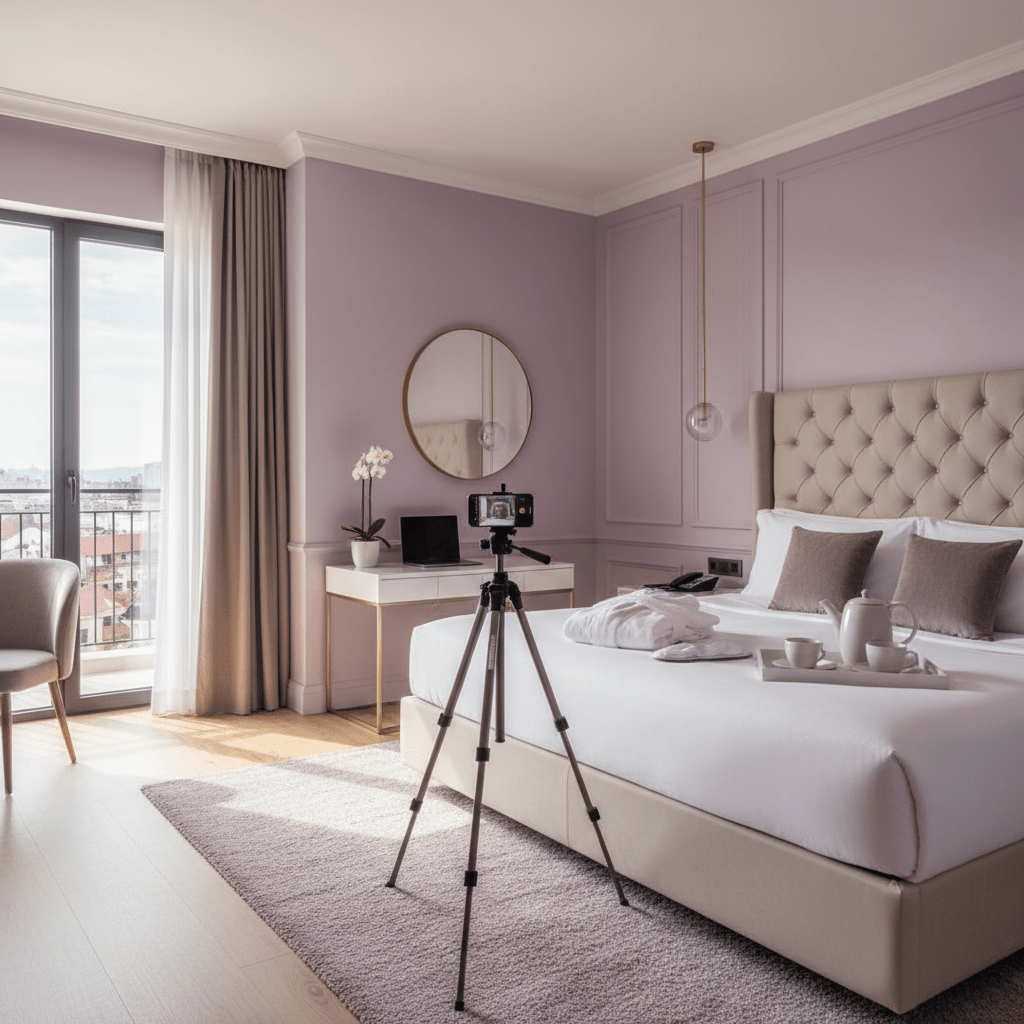
And if you’re wondering whether professional photography and video are worth it… yes, probably. Not because everything has to look fancy, but because guests judge quality fast. Blurry photos make people nervous. Clean lighting, good framing, and crisp video help your property feel trustworthy before the first message even lands.
Here’s the deal: this isn’t an extra. It’s part of the booking path.
If you want your social media marketing hotel industry plan to bring in more direct bookings, your visuals need to do real work. Think of it as a front-desk smile that never clocks out.
For hotels already using Ease My Hotel, this gets even smoother. Your social content can point people toward a booking flow, guest messages, and property updates that all live in one place. Less chaos. More clarity. And honestly, that’s what guests remember.
Section 4: Amplifying Your Reach with UGC and Influencer Partnerships
Ever seen a guest post a photo from your lobby, and suddenly your DMs get a little busier? That’s not luck. That’s UGC working for you.
User-generated content, or UGC, is just guest-made content. A selfie by the pool. A breakfast shot. A short Reel from the balcony. And people trust it because it feels real. In fact, travelers are often swayed by what they see on social media, with GWI travel trends showing how often people use social platforms to plan trips.
Make your hotel easy to post about
You want guests to share without having to beg them. So give them a reason.
Try these simple moves:
- Add one or two photo-worthy spots
- Put your hotel name in a clean neon sign or wall decal
- Create a pretty coffee corner or lobby nook
- Use good light near the pool, bar, or check-in desk
- Make one branded hashtag and use it everywhere
A small branded contest can help too. Something like, “Post your favorite stay moment with #StayAt[HotelName] for a chance to win brunch for two.” Nothing too fancy. Just clear and easy.
And when guests tag you? Feature them. Not once in a blue moon. Regularly.
Why micro-influencers usually work better
A big-name creator can bring reach. Sure. But micro- and nano-influencers often bring trust, which is what hotels really need. A food creator with 18,000 followers or a wellness creator with 9,400 loyal fans can drive better booking interest than a huge account with sleepy engagement.
That fits especially well for boutique hotel marketing ideas, wellness retreats, local stays, and social media for luxury hotels that want a more personal feel. The audience already cares about that niche. So the fit feels natural, not forced.
How to vet an influencer
Before you say yes, check a few things:
- Look at their last 12 posts
- Read the comments, not just the likes
- Check if their audience matches your guest type
- See if they post about places, food, travel, or style that fits your property
- Make sure their content feels honest, not spammy
A creator with real comments and clean storytelling is usually a better bet than one with giant numbers and no pulse. Weird, but true.
Set the deal clearly
Here’s the deal. Don’t wing this.
Decide if it’s a gifted stay or a paid collab. Then spell out:
- Dates of stay
- Number of posts, Stories, or Reels
- What tags and mentions you want
- Whether they can use the content later
- Deadlines for posting
Also, if you want to repost guest or creator content, ask for written permission first. A tag is not the same as rights. Tiny detail. Big headache if you skip it.
For hotels using tools like Ease My Hotel, this gets easier to track because guest messages, booking notes, and property updates can stay in one place while your team manages influencer stays without extra mess.
The best partnerships don’t feel like ads. They feel like a friend saying, “I stayed here, and honestly, it was great.” And that kind of trust? It moves bookings.
Try Ease My Hotel for free.
No lock-in contracts. Cancel anytime
Section 5: From Likes to Loyalty – Community Engagement and Reputation Management
You know that moment when a guest comments, “Wish the pool opened earlier”? That tiny line can turn into gold… or a headache.
The good news? We get to choose. Social media for hotels is not just about posting pretty rooms. It’s also where trust gets built one reply at a time. And if you’re working on a social media marketing hotel industry plan, this is where the real relationship work happens.
Reply fast, but keep it human
People expect quick answers. A lot of them. HubSpot found that 39% of social media users expect a brand reply within 60 minutes, and many want a response within 24 hours. For hotels, that means comments and DMs can’t sit there all day like a forgotten suitcase.
A simple rule helps:
| Message type | Goal time | What to do |
|---|---|---|
| Public comment | Under 1 hour | Thank them, answer simply, keep it warm |
| DM about booking | Under 30 minutes | Reply, then move to booking help fast |
| Complaint | Same day | Acknowledge, apologize, and shift private if needed |
| Review follow-up | Within 24 hours | Say thanks or make it right |
If you can’t reply right away, set an auto-response. Just make it sound like a person wrote it. Not a robot from 2009.
Be proactive, not just reactive
Don’t wait for people to ask questions. Use guest engagement strategies that invite them in.
Try things like:
- Polls: “Pool day or spa day?”
- Quizzes: “Pick your perfect room style”
- Q&A boxes: “Ask us anything about your stay”
- This-or-that Stories: “City view or garden view?”
These little posts do two jobs. They boost engagement, and they tell you what guests want before they book. Handy, right?
Handle complaints like a pro
Negative comments happen. A late check-in. A noisy room. A breakfast mix-up. It’s annoying, sure, but it’s also a chance to show your service style.
Use this simple flow:
- Acknowledge the issue
- Say you understand
- Take responsibility where needed
- Offer a next step
- Move private if the fix needs details
Example: “Sorry about that. That’s not the stay we want for you. Please DM us your booking name so we can look into it right away.”
Short. Calm. Useful. No weird corporate speech.
Turn feedback into better content
If guests keep asking the same thing, post the answer. If people want breakfast times, room layouts, parking info, or pet rules, put it in a Reel, Story highlight, or FAQ post.
That’s how managing a hotel’s online presence gets easier over time. You’re not just replying. You’re learning. And if your team uses Ease My Hotel to keep booking notes and guest messages in one place, it’s much simpler to track what people ask and fix gaps before they become complaints.
That’s the real win here. More replies. Better reviews. Stronger loyalty. And yes, a smoother path to increase hotel bookings social media can bring in.
Section 6: Making it Pay: Driving Direct Bookings via Social Media
Ever tap a hotel post, like what you see, and then… the booking path gets weird? Too many clicks. Wrong page. No clear button. That tiny snag can kill a sale fast.
So let’s make the path cleaner. If your hotel is using social media marketing hotel industry tactics to bring in more direct bookings, the job is simple on paper: get people from scroll to stay with as little friction as possible.
Use the booking buttons already there
A lot of hotels forget this part. Instagram has action buttons. Facebook has CTA buttons. Use them.
If someone is already on your profile, they’re warm. Not cold. That means your page should point straight to your booking engine, not just your homepage where they have to hunt around like it’s a treasure map from 2004.
A few easy wins:
- Add a Book Now button on Instagram and Facebook
- Link to the exact booking page, not the homepage
- Make sure mobile booking works smoothly
- Keep room names and offers the same across social and your site
This matters because travel is a research-heavy purchase. Recent travel data shows 35% of travelers globally use social platforms to plan trips, and 57% of people say they’re comfortable making higher-value travel bookings through social platforms GWI travel trends Skift on social-driven booking behavior. That’s a pretty loud signal.
Run ads that follow the guest journey
Not every person should see the same ad. That’s the mistake.
Start with simple retargeting. Show one message to people who visited your site. Show a stronger offer to people who looked at room pages. Then show a last-chance nudge to people who made it to checkout but didn’t finish.
Here’s a quick way to think about it:
| Audience | What they did | Ad message |
|---|---|---|
| Broad visitors | Landed on your site | Property intro, vibe, top perks |
| Room page viewers | Looked at stay options | Room features, reviews, amenities |
| Booking engine visitors | Started booking | “Your dates may still be open” |
| Checkout abandoners | Left before paying | Urgency, small bonus, quick reminder |
And yes, lookalike audiences help too. If your best guests are families from Chicago or couples who book weekend stays, build a lookalike audience from past guest data and let Meta find more people like them. It’s not magic. Just smart sorting.
Make social-only offers worth clicking
A discount can work. But it’s not the only move.
Try offers that feel like a little bonus instead of a race to the bottom:
- Book via Instagram and get a free welcome drink
- Direct booking gets late checkout
- Social-only code unlocks a room upgrade, if available
- Book through Facebook and get breakfast included
- Story offer: free airport transfer for stays this weekend
These perks do two things. They give people a reason to book now, and they help you track where the booking came from. Clean attribution. Less guesswork.
If you want to get even sharper, create a different code for each platform. Something like IGDRINK10 or FBBREAKFAST. Small thing. Huge help when you’re checking what actually works.
Keep the message tied to your brand
A luxury hotel should sound polished. A boutique stay can sound playful. A resort can lean into escape and ease. The offer should match the vibe.
That’s where a strong hotel social media strategy pays off. The post, the ad, the booking page, and the guest stay all need to feel like the same place. If they don’t, people notice.
For teams using Ease My Hotel, this gets easier because your booking management, guest communication, and property updates stay in one place. So when a guest clicks from Instagram to book, the handoff feels smoother for your staff too.
And that’s the real goal here. Not just more clicks. More direct bookings. Fewer OTA fees. Less drag. More control.
Section 7: Measuring What Matters – KPIs and Analytics for Hotel Social Media
You can get 1,000 likes and still have no clue if the post helped sell a room. Annoying? Yep. Common? Also yep.
That’s why we need to look past vanity metrics. Likes are nice. Shares feel great. But if your hotel social media strategy is not bringing in clicks, inquiries, and bookings, the numbers are mostly just noise.
What to watch instead of likes
Here’s a simple way to think about it:
| Metric | What it tells you | Why it matters |
|---|---|---|
| Engagement rate | How people react to your post | Shows real interest, not just reach |
| Link clicks | Who tapped through | Helps track booking intent |
| Referral traffic | Who came to your site from social | Shows if your posts are sending visitors |
| Story completion rate | Who watched to the end | Tells you if your content holds attention |
| DMs and comments | Who asked questions | Often a lead, not just chatter |
| Revenue from social | What actually booked | The KPI that pays the bills |
For many hotels, Instagram engagement around 1.5% to 3% is a solid target, and anything above that is usually a good sign. But really, the big question is simple: did the post move someone closer to a stay?
Track revenue, not just reach
This part gets a little messy, but stick with me. To see social media-driven revenue, you need clean tracking.
Use UTM links on every post, Story link, and bio button. Then check them in Google Analytics so you can see which platform sent the visitor and what they did next. If someone books after clicking your Instagram Story, you want that path to show up clearly.
A basic setup might look like this:
utm_source=instagramutm_medium=socialutm_campaign=summer_suite_offer
Pretty simple. But it works.
You can also compare first-click, last-click, and assisted conversions. Why? Because social often starts the trip, even if it does not close the booking right away. A traveler may see your reel on Tuesday, click your site on Thursday, and book on Friday after checking rates again at lunch. That still counts as social influence.
Use the right tools
If you want a free place to start, Meta Business Suite is fine for basic posting, replies, and simple insights. It gets the job done.
For small hotel teams that need more, tools like Sprout Social and Hootsuite give you stronger scheduling, reporting, and message tracking. Sprout Social is especially handy if your team wants one inbox for comments and DMs. Hootsuite is a solid all-rounder for planning and monitoring.
If you also want to compare your hotel against nearby brands, tools like Rival IQ, Brandwatch, or Emplifi can help you spot what’s working in your space. That’s useful for managing a hotel’s online presence without guessing all day.
And if you’re already using Ease My Hotel for booking management and guest communication, you can line that up with your social data and see how online interest turns into real stays. That’s the whole point, right? Better decisions. Better bookings. Less guesswork.
So yes, keep an eye on likes. But keep your eyes on the money metric too. That’s the one that tells the real story.
Conclusion: Building a Brand That Guests Love, One Post at a Time
Social media for hotels is not just a pretty feed. It’s a front desk that never closes.
We’ve seen the pattern now: define your voice, pick the right platforms, share content people actually want, talk back like a real human, and track what brings in bookings. That’s the heart of a smart social media marketing hotel industry plan. It helps with hotel Instagram marketing, guest engagement strategies, and the day-to-day job of managing a hotel’s online presence without losing your mind.
And here’s the part lots of teams miss. Social media isn’t a quick trick. It’s a long game. The hotels that win usually sound like themselves, show up often, and keep making the path to book easier.
So pick one thing from this guide and try it this week. Clean up your bio. Post one behind-the-scenes video. Or reply to every DM within an hour. Small moves count. And they add up fast.
That’s how social media for luxury hotels, boutique stays, and resorts turns into trust, loyalty, and more direct bookings.
Try Ease My Hotel for free.
No lock-in contracts. Cancel anytime