
Tired of High OTA Commissions? Take Control with Direct Bookings.
You know that sinking feeling when the monthly reports land on your desk, and a chunk of your room revenue has vanished into OTA fees? Yeah. That one.
For many hotel managers, Booking.com and Expedia bring guests in, but the commission bite can hurt. Booking.com often charges around 15%, while Expedia sits near 18% on standard rates. And that’s before extra promos or add-on fees show up. So every direct booking matters more than ever, because direct stays keep more money in your pocket and give you the guest info you can actually use later.
Here’s the good news. Email still works. Really well.
It’s one of the cheapest ways to stay in touch with past guests, bring people back, and increase direct hotel bookings without paying a cut to a middleman. Hotel email marketing can help you get guests to book directly, reduce OTA commissions, and build a stronger guest relationship at the same time. And if you’re thinking, “OK, but does email still move the needle?” yes. In hospitality, automated emails can pull strong open and click rates, and the returns can be huge.
This article breaks down 8 hotel email marketing strategies you can use to drive direct bookings for hotels. Simple stuff. Practical stuff. Stuff you can start using this month.
We’ll look at welcome emails, abandoned hotel booking recovery, guest email list segmentation, loyalty emails, and more. Plus, I’ll show you where a tool like Ease My Hotel can help keep your booking data and guest messages in one place, so you’re not stuck juggling five tabs and a prayer.
1. Perfect the Pre-Arrival Welcome Series to Enhance Guest Experience
You know that nice little buzz people get after they book a trip? That’s your opening. Not the hard sell. Not a wall of promo stuff. Just a calm, friendly email that says, “Yep, your stay is set. We’ve got you.”
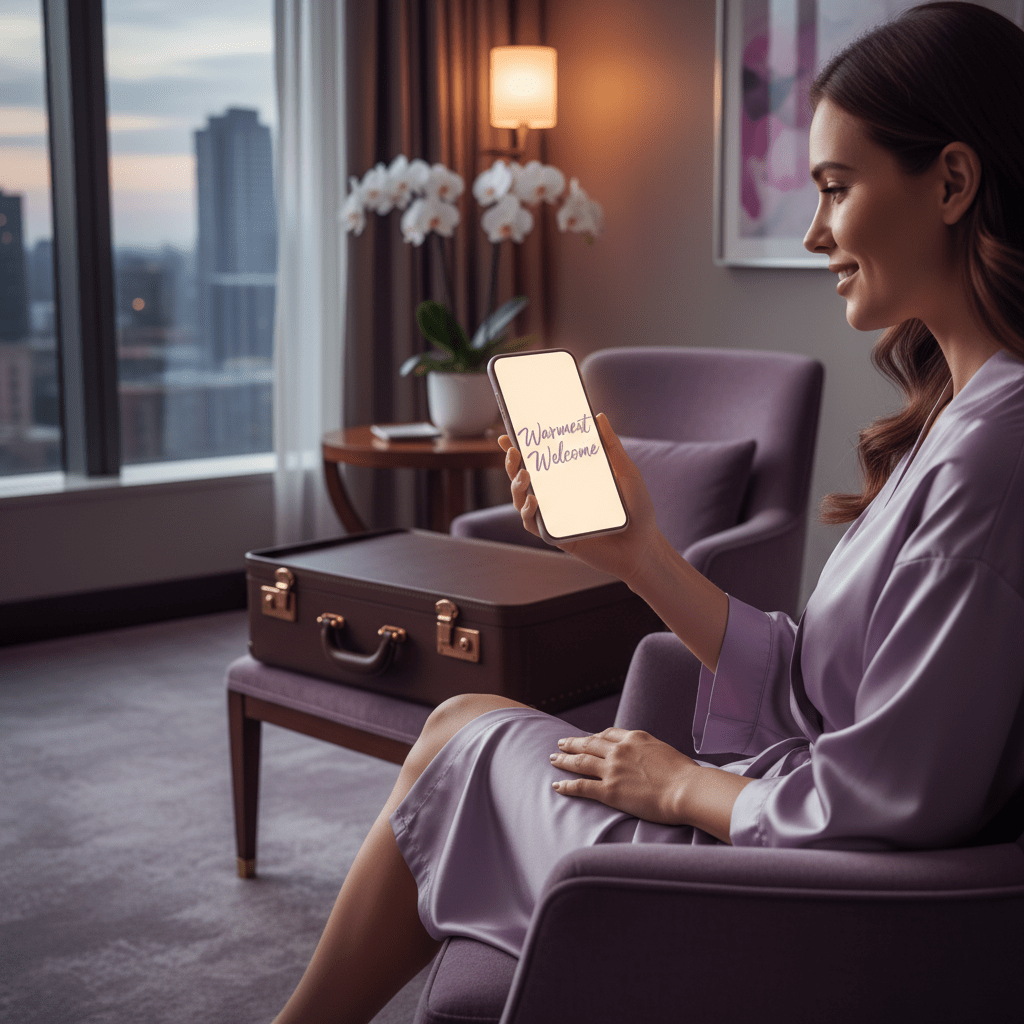
A pre-arrival welcome series is usually 2 to 3 automated emails sent between the booking and check-in date. Simple idea. Big payoff. It helps guests feel good about their choice, and it gives you a clean chance to offer extras like room upgrades, spa time, dinner reservations, or late checkout.
And here’s the part I really like. It also helps guests book direct again next time, because they start to connect your hotel with a smoother experience, not just a room key.
| Timing | What to include | |
|---|---|---|
| 1 | Right after booking | Booking details, thank-you note, and one direct-booking perk |
| 2 | About 7 days before arrival | Upgrade offer, spa package, dinner booking, or local activity add-on |
| 3 | 1 to 2 days before arrival | Check-in info, weather, parking, and quick arrival tips |
The first email should confirm the booking and mention why booking direct was a smart move. Think best-rate promise, flexible changes, or free Wi-Fi. The second can feel more playful. “Want to make your stay a little nicer?” works better than a stiff sales pitch. Then the last email should be practical. Guests are busy. They want check-in times, weather, and where to park. That’s it.
Actually, wait, there’s a better way to think about it. These emails are not just reminders. They’re little trust builders. And trust is what helps get guests to book directly again later.
If you want to make this easier, a tool like Ease My Hotel can keep booking data and guest messages in one place, so your team isn’t copying details from one screen to another. Less mess. Less stress. More direct bookings. That’s the goal.
2. Automate Post-Stay Feedback to Generate Reviews & Repeat Business
You know that little pause after checkout? The one where guests are back home, bags unpacked, and still thinking about your hotel. That’s your moment.
A post-stay email goes out 1 to 2 days after checkout. Keep it short. Say thanks. Ask how the stay went. Then point them to one place to leave a review, like Google or TripAdvisor. That part matters a lot, because reviews help new guests feel safe enough to book. And people do read them. A lot of them.
Here’s the deal. Reviews are not just nice praise on the internet. They can help drive direct bookings for hotels. When your Google page looks strong, more travelers find you without clicking through an OTA first. Plus, a good email can do two jobs at once. It can ask for feedback and offer a small nudge to book again direct. That’s a smart hotel email marketing strategy, not a pushy one.

| Email piece | What to do |
|---|---|
| Thank-you note | Say thanks within 48 hours |
| Review link | Send guests to your preferred review page |
| Next-stay offer | Add a code like COMEBACK10 for 10% off |
| Tone | Friendly, short, and personal |
Try this flow:
- Thank the guest for staying.
- Ask for one quick review.
- Add a direct booking perk for next time.
Simple. Clean. No fluff.
A line like, “We’d love to hear how we did. Review us on Google, and here’s 10% off your next direct booking with code COMEBACK10,” works well because it feels helpful, not salesy. And if the guest had a great stay, they already have a reason to come back. If you can make that return trip direct, you keep more revenue in house and avoid extra OTA cuts.
I’d also keep this process inside one place if you can. With Ease My Hotel, your booking details and guest messages stay in a single dashboard, so follow-ups don’t get lost in email chaos. That makes repeat outreach a lot easier. And honestly, way less annoying.
3. Launch a ‘We Miss You’ Win-Back Campaign to Re-engage Past Guests
You know that little pang when a guest vanishes from your booking list? One minute they’re coming back every fall, and then… nothing. No new stay. No birthday trip. Not even a random long weekend.
That’s where a win-back email comes in.
A “We miss you” campaign is a simple email sent to guests who haven’t stayed in 6 to 12 months. It’s one of the best hotel email marketing strategies for getting guests to book directly again, because you’re talking to people who already know your hotel. No cold pitch. No awkward intro. Just a friendly nudge.
And honestly, that matters a lot. Getting a new guest usually costs 5 to 25 times more than keeping an old one, so this kind of hotel loyalty marketing can save money and bring in repeat stays at the same time. customer retention costs and win-back basics
Here’s a simple way to set it up:
| Step | What to do |
|---|---|
| 1 | Filter your email list for guests whose last stay was over 6 months ago |
| 2 | Write a warm subject line like, “A Special Offer to Welcome You Back, Maya” |
| 3 | Share one direct-only perk, like 15% off, free breakfast, or late checkout |
| 4 | Make the offer better than OTA rates |
| 5 | Send just one follow-up, not a whole parade of reminders |
The trick is to make the guest feel seen. Not sold to. A line like, “We’d love to have you back this season,” works better than a loud discount blast. And if you can give them something OTAs don’t show, like a room upgrade or a member-only rate, even better.
Actually, wait. The real win isn’t just the discount. It’s the fact that you’re talking to someone who already trusts you. That’s the part most hotels miss.
If you’re using Ease My Hotel, this gets easier because your guest data and booking details live in one place. So when it’s time to build a list of past guests, you’re not digging through spreadsheets like it’s 2009. You can pull the right names, send the right offer, and get more direct hotel bookings without making your team chase ghosts.
4. Use Segmentation to Send Hyper-Relevant Special Offers
Ever get an email that feels like it was meant for someone else? Same. And hotel guests feel that too.
That’s why hotel guest email list segmentation matters so much. It just means splitting your guest list into smaller groups based on what they booked before, how they travel, or even what kind of trip they took. A family that booked two rooms for spring break does not want the same offer as a weekday business traveler. Weirdly enough, a lot of hotels still send the same promo to everyone. Then they wonder why nobody clicks.
Segmentation helps increase direct hotel bookings because the offer feels more personal. And personal usually gets more attention. Segmented campaigns also tend to get stronger open rates, more clicks, and better conversions, since people are much more likely to act on something that fits their trip.
Here’s a simple way to sort your list:
| Segment | What to look for | What to send |
|---|---|---|
| Families | Booked suites, extra beds, or multiple rooms | Family package, kids-eat-free deal, pool perks |
| Couples | Romantic packages, weekend stays, spa use | Date-night dinner, spa add-on, late checkout |
| Business travelers | Weekday stays, short visits, repeat midweek bookings | Fast Wi-Fi, express check-in, quiet room offer |
You don’t need a giant system on day one. Start small. Maybe build three groups first: Families, Couples, and Business Travelers. Then write one offer for each group. A family package for a road-warrior sales rep? Nope. A quiet desk-friendly room offer for a honeymoon couple? Also nope.
But send the right thing to the right guest, and it clicks. That’s how you get guests to book directly more often, while also reducing OTA commissions over time.
From what I’ve seen, this is one of those hotel marketing ideas to increase bookings that looks simple but pays off again and again. And if your booking details and guest notes live in Ease My Hotel, it gets a whole lot easier to spot patterns and build the right segments without digging through a messy spreadsheet at 9 p.m. on a Thursday. Because nobody needs that.
Try Ease My Hotel for free.
No lock-in contracts. Cancel anytime
5. Recover Lost Revenue with Abandoned Booking Emails
You know that half-finished booking tab sitting open in someone’s browser? That’s not a lost guest yet. Not even close. It’s just a guest who got distracted, checked their phone, or maybe got spooked by the price for a second. Happens all the time.
That’s where abandoned hotel booking recovery comes in. It’s an automatic email sent to people who start a booking on your site but don’t finish it. And honestly, this is one of the easiest hotel email marketing strategies to use if you want to get more direct hotel bookings. Why? Because these guests already showed intent. They were this close.
Here’s the deal: hotel booking abandonment is a big deal. Some reports show the average abandonment rate is over 84%, which means lots of direct revenue walks away before the guest even pays. But a simple reminder email can bring some of that back. Sometimes all a guest needs is a nudge. Or a small reason to come back and finish the job.
A simple setup can look like this:
| Email timing | What to say |
|---|---|
| 1 to 2 hours after abandonment | Friendly reminder, saved booking link, and a quick note like “Still thinking it over?” |
| 24 hours later | Add a small perk, like free breakfast or 10% off, and a little urgency |
Keep the first email light. No pressure. Just help them pick up where they left off. Something like, “Looks like your stay wasn’t finished yet. Your room is still waiting.” That works better than sounding like a robot with a sales badge.
Then the second email can do a bit more. Maybe mention low availability. Maybe offer a tiny perk. Not a huge discount. Just enough to help them decide. And if your booking engine already supports this, great. Set it up once, then let it do the follow-up work for you.
This is also where a system like Ease My Hotel can help. When your booking management and guest communication live in one place, it’s a lot easier to track lost bookings, send reminders, and keep your team from guessing who dropped off and why. Less hunting. More recoveries. That’s the kind of clean process that helps reduce OTA commissions and keep more room revenue in house.
6. Run Promotions Around Local Events and Seasonality
You know that moment when a city gets busy all at once? A big concert lands. The food festival kicks off. A trade show fills every cab in town. That’s your cue.
This hotel marketing idea is simple: send emails tied to local events, holidays, or travel seasons, then give guests a direct reason to book with you. Think “Event Rate” for concert nights, a family package for school break, or a holiday stay offer before rooms start filling up. It works because you’re not just selling a bed. You’re helping people plan the trip they already want to take.
And yeah, OTAs can list your rooms too. But they can’t quite match the local touch. A short email that says, “Coming in for the Austin City Limits weekend? We’ve got a stay deal made for that,” feels a lot more personal than a plain search result.
| Event type | Email angle | Direct-booking perk |
|---|---|---|
| Concerts | Weekend stay + parking | Event Rate |
| Festivals | Family or group package | Free breakfast |
| Conferences | Quiet room + fast Wi-Fi | Late checkout |
| Holidays | Early booking deal | Flexible cancellation |
Here’s how to do it without making a mess:
- Check your local events calendar 3 to 6 months ahead.
- Pick the guest groups most likely to care.
- Write one clear offer for direct bookers.
- Send it to past guests or a geo-targeted list.
- Follow up once if needed. Not five times. Nobody wants that.
This is one of those hotel email marketing strategies that can increase direct hotel bookings without feeling pushy. Plus, it gives your hotel a local voice. You’re not just another room on a map. You’re the place that knows what’s happening in town.
If you’re using Ease My Hotel, this gets easier because your booking data and guest communication stay in one dashboard. So you can spot past guests, send the right event offer, and keep direct bookings moving while reducing OTA commissions.
7. Create Exclusivity with a ‘Book Direct’ Benefits Campaign
Ever notice how people love feeling like insiders? Same thing happens with hotel guests. If they know booking direct gets them something extra, they’re a lot more likely to skip the OTA search and come straight to you.
This kind of email campaign does not push a date or a trip. It sells the idea of booking direct. That’s the whole trick. You’re teaching guests why your website is worth a visit first. And that habit can keep working long after one stay is over.
A simple Book Direct email can list the perks in a clean, visual way:
| Direct booking perk | Why guests like it |
|---|---|
| Best Rate Guarantee | Helps guests feel safe about price |
| Free Wi-Fi | Saves money and feels handy |
| Complimentary drink | Gives the stay a little treat |
| Flexible cancellation | Makes booking feel less risky |
| Early check-in or late checkout | Gives guests more control |
And honestly, guests don’t always know these perks exist. So the email is doing real work here. It’s not just marketing fluff. It’s a small lesson in how to get more direct hotel bookings without sounding pushy.
I’d send this to your full list every so often, maybe once a month or once a quarter, depending on how busy your property is. Keep it short. Make it pretty. Use one clear call to action like, “Book direct for the best perks.” Then repeat the message over time. That’s how habits stick.
If you’re using Ease My Hotel, this gets easier because your booking management and guest communication live in one place. So you can share direct-booking perks, track responses, and keep the whole process tidy. Less chaos. More direct bookings. Pretty good deal.
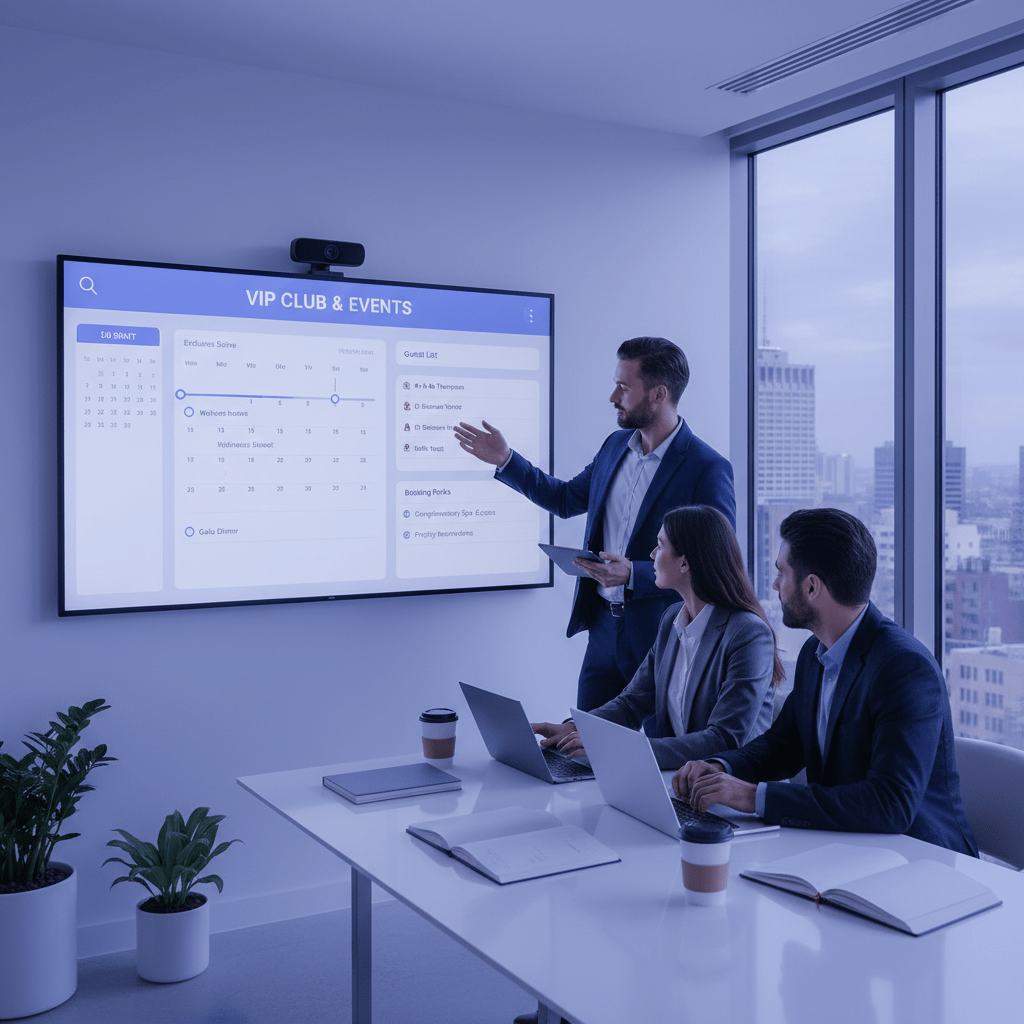
8. Foster Loyalty with an Insider or ‘VIP Club’ Program
You know what gets people to come back? Feeling like they belong.
Not a cheesy badge. Not a loud discount blast. Just that little spark of, “Oh, I’m part of this now.” A VIP club or insider program does that really well. It can be as simple as a repeat guest list with a name like The Ambassador’s Club, then a few perks that only members get.
This kind of hotel loyalty marketing helps increase direct hotel bookings because guests have a reason to book with you again, not with an OTA. They give you their email. You give them early access, surprise perks, or a better rate. Fair trade. And since direct bookings usually keep more of the room revenue in-house than OTA bookings, that matters a lot. OTAs like Booking.com and Expedia can take around 15% to 18% in commission, while direct bookings keep nearly all of it, minus small payment fees.
Here’s a simple way to set it up:
| Step | What to do |
|---|---|
| 1 | Make a repeat guest segment |
| 2 | Give the club a name |
| 3 | Share member-only rates or early sale access |
| 4 | Send surprise perks like late checkout or breakfast |
| 5 | Put the club on your website so new guests can join |
The psychology here is pretty fun, actually. People like feeling inside the circle. It makes the next booking feel personal, not random. And once they start thinking, “I’m a member,” they’re more likely to book direct again so they don’t miss the perks.
Try adding a short sign-up box on your homepage too. Something like, “Join The Ambassador’s Club for early offers and member-only treats.” Simple. Clear. No fancy talk.
If you’re using Ease My Hotel, this gets easier because you can keep guest data, booking details, and messages in one dashboard. That means your repeat guest list is right there when you need it. Less digging. More direct bookings. And honestly, that’s the whole point.
At a Glance: Choosing the Right Email Strategy for Your Hotel
Here’s the cheat sheet. If you’re staring at a long list of hotel email marketing strategies and wondering where to start, this makes it a lot easier.
| Strategy | Primary Goal | Difficulty | ROI Potential |
|---|---|---|---|
| Pre-arrival welcome series | Upsell | Easy | High |
| Post-stay feedback email | Reviews + repeat stay | Easy | High |
| Win-back campaign | Repeat booking | Easy | Very High |
| Segmented special offers | More clicks and bookings | Medium | Very High |
| Abandoned booking recovery | Recover lost sale | Medium | Very High |
| Local event promotions | Drive direct bookings for hotels | Medium | High |
| Book direct benefits campaign | Teach perks, grow direct bookings | Easy | High |
| VIP club / insider program | Loyalty and repeat booking | Hard | Very High |
If you want the fastest wins, start with the first three. They’re usually the easiest to set up and can help reduce OTA commissions fast. Plus, once your booking data and guest messages live in one place with a tool like Ease My Hotel, the whole thing gets a lot less messy. Less copy-paste. Fewer missed follow-ups. More direct bookings.
Your Path to More Profitable, Direct Hotel Bookings Starts Now
Email is not just for newsletters. It’s a direct line to guests who already know your hotel, like your stay, or almost booked but got distracted by lunch. And that matters a lot when OTA fees keep taking a bite out of room revenue.
The 8 ideas in this guide work best together. Pre-arrival welcome emails, post-stay review asks, win-back notes, smarter guest list groups, abandoned booking recovery, local event promos, book-direct perks, and VIP clubs all help build one thing: more direct hotel bookings with less OTA reliance. That means better margins, stronger guest ties, and more control over your own data.
And the math is pretty clear. Direct bookings keep far more money in house than OTA bookings, which often cost around 15% to 18% in commission, while hotel email marketing can bring back strong returns with lifecycle campaigns.
So here’s the move. Pick just one strategy to start this month. Maybe it’s abandoned hotel booking recovery. Maybe it’s a simple “We miss you” email. Maybe it’s a book direct perks campaign. Just start.
Small step. Big payoff. And if you want a cleaner way to keep guest details, booking data, and messages in one place, Ease My Hotel can help make that next step a lot easier.
Try Ease My Hotel for free.
No lock-in contracts. Cancel anytime