

Are High OTA Commissions Draining Your Profits? It’s Time to Win Back Your Guests
Ever look at your monthly report and feel that small gut punch? Yeah, that one. A booking came in, the room sold, and still… the payout feels thinner than it should.
For many independent hotels, OTAs take a big bite. Booking.com and Expedia often charge about 15% to 25%, and the real cost can climb higher once loyalty fees and extra placement costs show up. One industry estimate puts hotel OTA commission payments at about $47 billion in 2023. That’s a lot of room nights gone. And for a 30-room hotel, that math can sting fast.
But here’s the good news. You don’t have to win by being the cheapest. You can win by giving guests a reason to book direct. Think better value, better perks, and a better experience from the first click to check-out. That shift helps increase direct bookings for hotels and can improve hotel profit margin without racing to the bottom.
So in this article, we’ll look at hotel direct booking strategies that actually work. We’ll talk about hotel marketing offers, creating hotel packages, better website messages, and small perks that feel big to guests. Plus, we’ll show how to reduce OTA reliance without making your front desk team pull their hair out.
If you’re ready to drive direct hotel reservations and build stronger guest ties, you’re in the right place. Let’s figure out how to get more direct hotel bookings without slashing your rates into the floor.

The True Cost of OTA Reliance vs. The Power of a Direct Booking
You know that little sting when a booking comes in, but the payout still feels small? That’s the OTA problem in plain clothes. The commission shows up first. But the hidden costs are the real trouble.
Here’s the deal. OTAs like Booking.com and Expedia can take a big cut, often 15% to 25%, and some independent hotels end up paying even more once loyalty fees and extra placement costs get added in. That’s money you never get back. Plus, you don’t own the guest relationship. You don’t own the data. And that makes it harder to market to that guest later or offer a better stay next time. A recent industry report says hotels paid about $47 billion in OTA commissions in 2023 alone, which is wild if you stop and think about it.
With a direct booking, the story changes fast.
You keep the full booking revenue. Not just most of it. All of it. And you get the guest info, too, which means you can send a warm return offer, share a room upgrade, or remind them about a weekend package they’d actually want. That’s how you drive direct hotel reservations that keep paying off long after the first stay.
What OTAs take away
OTAs do more than collect commission. They can also box you in with rate parity rules, which makes it tough to stand out on price. So even if you want to offer a better deal on your own site, you may not have much room to play.
And then there’s the guest data issue. If the OTA owns the booking path, the OTA often owns the relationship. That means less room for loyalty emails, fewer upsell chances, and less chance to turn one stay into three.
Why direct bookings feel better for the business
Direct bookings usually bring a cleaner path to profit. You control the message. You control the offer. You control the guest experience from first click to check-out.
That matters because loyalty tends to stick with the hotel, not the middleman. A guest who books direct is easier to reach next time, easier to serve better, and easier to bring back with a smart hotel marketing offer. Over time, that bumps up lifetime value. And really, that’s the whole game.
Here’s a quick side-by-side look:
| Booking path | What you keep | What you gain | What you lose |
|---|---|---|---|
| OTA booking | Less of the room revenue | Discovery and reach | Guest data, upsell chances, some control |
| Direct booking | 100% of room revenue | Guest relationship, data, brand control | A bit more work up front |
The best part? Direct guests often come back more often. They also tend to cancel less than OTA bookings, which means more stable revenue and fewer empty rooms to refill at the last second.
If you want to increase direct bookings for hotels, this is where it starts. Not with racing the OTA price game. With building a reason to book with you first. That’s a better long-term model, and it helps improve hotel profit margin without burning your brand.
For hotels using tools like Ease My Hotel, this is where things get a lot easier. A single dashboard for booking management, guest messages, and channel control can help you spot direct booking chances faster and keep your team from juggling five different systems at once.
And that’s the shift. Less dependence on OTAs. More control. Better guest ties. More value from every stay.
Think Like a Guest: Understanding the Psychology of the Direct Booker
You know that moment when you’re booking a room and think, “Is this really the best deal… or just the cheapest one?” That’s the exact question many guests are asking too. And honestly, they’re usually not chasing the lowest rate by itself.
Most direct bookers want trust. They want the property to feel real, not copy-paste. They want a fair price, plus a little something extra that makes the stay feel worth it. A flexible cancel policy helps a lot here, since a lot of travelers now see it as part of the deal, not a bonus. One travel source says 70% of travelers now prioritize flexible booking, and that safety net can be the nudge that gets the booking done.
Here’s the thing. Direct bookings usually fall into three buckets:
| Guest type | What they want | What might win them over |
|---|---|---|
| Value Seeker | Best overall deal | Free breakfast, Wi-Fi, parking, or a small room upgrade |
| Experience Hunter | Something memorable | Local tours, spa add-ons, or creating hotel packages |
| Loyalist | Recognition and ease | Points, late checkout, and a simple return-booking perk |
The Value Seeker is looking past the room rate. The Experience Hunter wants a story to tell later. The Loyalist wants to feel known, like the hotel remembers them instead of treating them like a number.
And that’s where hotel direct booking strategies start to work. If your site shows exclusive perks, clear benefits, and a real reason to book direct, people pay attention. A little local snack. Better Wi-Fi. A room upgrade if available. Small things. Big feel.
Also, direct bookers often care about trust more than hype. So your hotel website conversion can improve when the message feels honest, simple, and human. Not fancy. Just clear. If you can give guests a better overall deal, not just a lower price, you’re already ahead.
That’s the shift. Don’t sell a room. Sell the stay they want.
The Foundation: 3 Must-Have Offers to Drive Direct Hotel Reservations
You know what gets people to pause on a booking page? A deal that feels fair, not fake. Not a messy pile of discounts. Just a few clear reasons to book with you instead of a middleman.
1) A simple Book Direct Best Rate Guarantee
Start here. Keep it plain and easy to spot on your website: “Book Direct Best Rate Guarantee.” That line works best when guests know exactly what it means. If they find a lower public rate for the same room and dates, you match it or beat it with a small perk.
That perk can be a free breakfast, late checkout, or a drink voucher. Tiny move. Big trust.
And no, this does not mean you need to start a price war with OTAs. The goal is to keep your direct offer clean and fair, while giving guests a little more value for booking on your site. Hotels often lose 15% to 30% of each OTA booking to commission, and that bite gets worse with extra fees and loyalty costs, so even a small direct-booking win can help your profit margin a lot.
2) More flexible cancellation for direct guests
This one matters a lot right now. A lot of travelers want a safety net before they click pay. If your direct rate comes with friendlier cancellation terms than the OTA listing, that can tip the scale.
You don’t have to make it wild. Just a bit more forgiving. Maybe free cancellation until 48 hours before arrival for direct bookers, while the OTA stays stricter. Or maybe a one-time date change with no fee. That kind of thing feels human. It says, “We get it. Plans change.”
And people notice. Especially families, business travelers, and anyone booking a trip that might shift by a day or two. Actually, wait, this is where many hotels leave money on the table. They focus on rate, but the guest is really asking, “How trapped am I if life gets weird?”
3) Low-cost perks that feel bigger than they cost
Now for the fun part. These are the little extras that make direct booking feel worth it without eating your budget.
| Perk | Your cost | Guest value |
|---|---|---|
| Welcome drink | Low | Feels like a warm hello |
| Premium Wi-Fi | Very low | Feels like a paid upgrade |
| Late checkout | Low, if rooms allow it | Huge for tired travelers |
| Local snack or water | Very low | Nice first impression |
| Priority room request | Free to offer | Feels personal |
The trick is to pick perks you can repeat without drama. A free bottle of water, a fast Wi-Fi password card, or guaranteed late checkout for direct guests can all work. No fancy math needed. Just think, “What would make me smile if I got this at check-in?”
These offers also pair well with creating hotel packages. A welcome drink plus breakfast, or Wi-Fi plus late checkout, gives guests a clear reason to click your site first. And if you use a system like Ease My Hotel, you can track those direct offers in one place, manage guest messages faster, and keep your team from scrambling across five screens. That alone can make how to get more direct hotel bookings feel a whole lot less messy.
So if you want to increase direct bookings for hotels, start with these three. Keep them simple. Keep them honest. Then repeat them everywhere guests look.
Beyond Discounts: How to Create Enticing Hotel Packages OTAs Can’t Replicate
Ever notice how a plain discount gets forgotten fast? A good package sticks. It gives people a reason to feel something, not just save a few bucks.
And that matters a lot for how to get more direct hotel bookings. OTAs are built to compare rates side by side, which makes price feel like the only game. But a package can sell a mood, a moment, or even a whole trip plan. That’s a different lane.
Think about it like this. A room is a room. But a room plus dinner, a spa credit, or a local tour? Now we’re talking about a story guests can picture.
Start with what your hotel already does well
Before you bundle anything, look at your own strengths. Are you near a great food scene? A trail system? A beach? A spa? A museum district?
Use that. Don’t fight it.
If your property is near local makers, food spots, or outdoor fun, you can build hotel packages that feel real and hard to copy. A city hotel might lean into dinner and drinks. A mountain lodge might lean into hikes and hot tubs. A family resort might lean into tickets and kid-friendly extras.
Actually, wait. The best packages usually are not packed with stuff. They’re simple. Clear. Easy to buy.
Build around an outcome, not a list of perks
Guests do not wake up thinking, “I need a bundle of random extras.” They think, “I want to relax,” or “I want a fun weekend,” or “I want this trip to feel special.”
So build around that.
Here’s a quick guide:
| Guest goal | Package idea | What it sells |
|---|---|---|
| Relaxation | Spa credit + late checkout | Rest and quiet |
| Food and fun | Dinner voucher + cooking class | Local flavor |
| Family time | Tickets + breakfast + parking | Easy planning |
| Romance | Champagne + dinner + turndown | A special night |
| Work break | Fast Wi-Fi + quiet room + coffee | Less stress |
See the pattern? The package sells the outcome. Not the add-ons.
Partner with local businesses
This is where you can really reduce OTA reliance and create something guests can’t copy in two clicks.
Reach out to nearby spots that already serve your kind of guest. Think spas, tour guides, cooking schools, boat trips, wineries, bike rentals, museums, or small restaurants. You do not need a huge deal to start. A simple revenue share or a fixed-rate guest voucher can work just fine.
For example, a hotel in Austin could team up with a taco tour, a local coffee roaster, and a pedal boat rental. A property near a national park could pair rooms with a guided hike and a lunch box. Small moves. Real value.
And yes, this helps improve hotel profit margin, because you’re not just slashing rates. You’re adding value in ways that feel bigger than the cost.
Try Ease My Hotel for free.
No lock-in contracts. Cancel anytime
Package ideas OTAs can’t copy well
Here are a few ideas that work especially well for direct hotel reservations:
- Local Culinary Journey: room, restaurant voucher, and a cooking class with a local chef
- Digital Detox Weekend: spa credit, printed book, tea tray, and a gentle no-phone vibe
- Family Adventure: breakfast, tickets to a nearby attraction, and late checkout
- Romantic Escape: champagne, rose petals, dinner for two, and a sunset add-on
- Outdoor Explorer: trail maps, picnic lunch, and gear rental discount
One of my favorites is the Local Culinary Journey. It feels specific. It gives guests a reason to book direct. And it works because people remember meals. Weirdly, they’ll forget a room rate before they forget a great pasta class.
Price the bundle in a way that feels fair
Don’t just toss extras together and hope for the best.
Show the value.
For example, you can say:
- Book separately: $310
- Direct package: $235
- You save: $75
That kind of math helps hotel website conversion because guests can see the deal without doing the heavy lifting themselves.
You can also offer three levels:
| Tier | Best for | Example |
|---|---|---|
| Basic | Budget guests | Room + breakfast |
| Plus | Couples or small families | Room + breakfast + one local voucher |
| Premium | Guests who want more | Room + spa or dinner + late checkout |
This gives people a choice, which usually feels better than a flat discount.
Make the package easy to find
A great package won’t help if nobody sees it.
Put it on your homepage. Add it to email. Mention it in confirmation messages. And if you’re using Ease My Hotel, you can keep booking management, guest messages, and channel control in one place, which makes it much easier to promote the right offer at the right time.
Also, short and clear works best. Guests skim fast. Use plain words like “Stay, Dine, and Unwind” or “Family Fun Weekend.” No fancy fluff. No mystery.
If you want to increase direct bookings for hotels, this is the kind of offer that helps. It gives people a reason to book with you instead of an OTA, and it makes the stay feel like more than just a bed for the night.
That’s the real trick. Don’t sell a cheaper room. Sell a better plan.
Smart Marketing: Promoting Your Offers to Ensure They Get Booked
You can make a great offer… and still watch it sit there. Painful, right? The fix is not always a better deal. Often, it’s better placement.
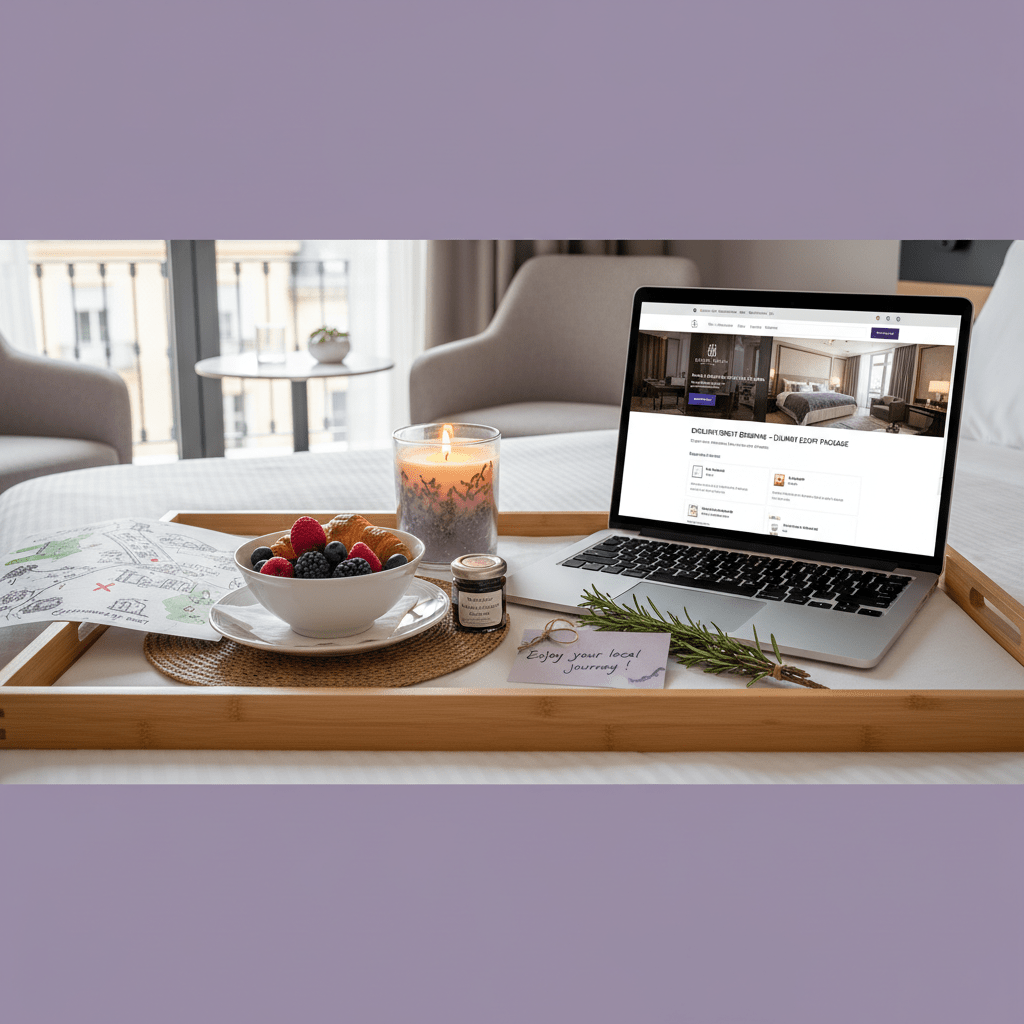
First, turn your hotel website into a direct booking machine. Put a bold banner near the top of the homepage with one clear message. Keep it short. Think “Book Direct. Save More.” or “Stay Longer, Pay Less.” Not a wall of text. People skim fast.
A good banner should point straight to the offer page, and the CTA should feel easy to tap. Research from Sojern found that animated banners can lift clicks, and the “Book Now” CTA usually outperforms softer wording like “Start Planning” Sojern banner ad best practices. That little button can do a lot of heavy lifting.
Here’s a simple layout that works:
| Page spot | What to show | Why it helps |
|---|---|---|
| Homepage banner | One strong direct offer | Gets attention fast |
| Offers page | Full package details | Helps guests compare and choose |
| Room page | Small perk reminder | Nudges guests before checkout |
| Booking form | Final CTA and trust note | Helps close the sale |
Also, make an Offers page. A real one. Not buried in the footer like an old coupon drawer. Put your hotel direct booking strategies there in plain language. Show the package name, what’s included, who it’s for, and the savings. If the offer is for families, say that. If it’s for couples, say that too. Clear wins.
Email is your quiet superpower here. Past guests already know you, so they’re much warmer than a random browser. Send special hotel marketing offers to your list, and keep the best deal fenced inside email subscribers or repeat guests. That way, you can reward loyalty without giving every public visitor the same price. Confirmation emails work well too, since people actually open them. A quick note after booking can remind them about upgrades, add-ons, or a package they missed.
And don’t sleep on social media. Short video sells the stay, not just the room. Reels and Shorts can show the breakfast spread, the balcony view, the spa setup, or the family package in motion. That makes creating hotel packages feel real instead of abstract. A still photo says, “Here’s a room.” A 15-second clip says, “Here’s your weekend.” Big difference.
If you want to reduce OTA reliance, this is where the handoff happens. OTAs can help people find you. But your own site, email list, and social pages should do the convincing.
For example, a guest might spot your property on an OTA, then head to your website to check your direct perks. That’s your moment. Give them a banner, a clean offer page, and a CTA that feels easy. Then follow up by email later with a return offer, a season-specific package, or a little loyalty thank-you.
A system like Ease My Hotel can make this smoother, since you can manage booking details, guest messages, and channel control from one place. Less tab-jumping. Less chaos. More time to actually market the stuff that helps improve hotel profit margin.
So if you’re wondering how to get more direct hotel bookings, start with what guests can see. Show the offer. Make it easy to understand. Then repeat it in the inbox and on social. Simple, clear, and human. That’s the whole trick.
Your Roadmap to Fewer Commissions and More Loyal Guests
So what’s the real move here? It’s not just about filling rooms. It’s about giving people a stay they want to come back for.
If we want to know how to get more direct hotel bookings, the answer starts with a shift in thinking. Don’t act like a room seller only. Act like the place people remember. That means a strong base of book direct benefits, a few smart perks, and hotel packages that feel like a small trip, not a plain transaction.
And then? Tell people about it. Again and again.
Use your own site. Use email. Use social. Use every guest touchpoint you already have. Make the offer easy to see, easy to trust, and easy to book. The best hotel direct booking strategies are usually the simple ones that get repeated well.
Here’s the short version:
- Build a fair direct offer
- Add low-cost perks guests notice
- Create packages OTAs can’t copy fast
- Push those offers on your website and inbox
- Keep the guest relationship in your hands
That last part matters more than most owners think. A direct booking gives you the data, the follow-up, and the chance to bring that guest back without paying the middleman again. OTAs can still send demand your way, sure. But your own channels should turn that demand into profit.
And if your team is juggling bookings, guest messages, channel changes, and old-school spreadsheets, a tool like Ease My Hotel can help pull things into one place. Less chaos. More control. Better hotel website conversion. Pretty good combo.
If you’re ready to reduce OTA reliance, start small this week. Pick one perk, one package, and one banner. Then build from there. Because the hotel that wins isn’t always the cheapest one. It’s the one guests want to book direct, return to, and tell their friends about. That’s how you improve hotel profit margin and keep your brand in your own hands.

Try Ease My Hotel for free.
No lock-in contracts. Cancel anytime