
Why Your Hotel’s Next Best Marketing Move Isn’t an Ad, It’s a Person
Ever notice how people plan trips now? They scroll. They watch clips. They trust a face, a voice, a real stay story more than a polished banner ad. That shift is a big deal for the social media marketing hotel industry.
And for hotels, that matters a lot. OTAs still help with bookings, but those fees can bite hard. Many hotels now pay 15% to 25% per booking, sometimes more, which makes direct bookings feel a whole lot sweeter. So the real question is this: how do you get guests to book with you first?
One answer is influencer marketing for hotels. Not the loud, fake kind. The real kind. The kind where a creator shows your breakfast, your rooftop, your room view, and the little details that make a stay feel personal. That’s how hotel influencer collaboration builds trust fast.
People listen to people. A lot. Plus, travel content already drives action. In this article, we’ll look at the why, then the how. We’ll talk about picking the right partners, setting up a hotel social media strategy, building campaigns that feel real, and measuring hotel marketing ROI without guesswork.
If you’re trying to increase direct bookings social media can help… a lot. Let’s figure it out together.
The New Guest Journey: How Social Media Changed Hotel Marketing Forever
A traveler sees your room on TikTok at lunch, checks your rooftop on Instagram that night, then reads reviews on YouTube the next morning. Funny how fast that happens now. Booking a hotel used to feel like a straight line. Search, compare, book, stay. Done.
Not anymore.
Now the guest journey is messy in a very human way. People hop across apps, save posts, watch short clips, ask friends, and keep circling back before they hit book. And that shift is huge for the social media marketing hotel industry. According to Statista’s travel inspiration data, 75% of travelers use social media for vacation ideas, and 74% use it to research destinations. That’s not a side habit. That’s the new front door.
Here’s the deal. Instagram, TikTok, and YouTube are basically visual search engines now. Guests don’t just want a room. They want to see the balcony at sunset, the breakfast spread, the lobby vibe, and whether the pool actually looks like the photos. Real clips help people picture themselves there. And that picture is what moves them.
So the old hotel pitch was, “We have a nice room.” Pretty plain. The new pitch is, “Here’s what your stay could feel like.” Big difference. Influencer marketing for hotels works because it bridges that gap. A creator can show a coffee in bed, a local market down the street, or a last-minute spa break in a way a brochure never could.
That matters even more for boutique hotel marketing and hospitality influencer marketing, where vibe and story often matter just as much as bed size. People buy the feeling first. The room comes after.
And if you’re trying to increase direct bookings social media can help by putting that feeling right in front of the right traveler, again and again. That’s the shift. Not selling a bed. Selling the stay story.
| Old hotel marketing | New hotel marketing |
|---|---|
| One ad, one message | Many touchpoints across apps |
| Room features first | Experience first |
| Brand voice only | Real guest and creator voices |
| Book now mindset | Research, save, compare, book later |
The tricky part? Guests trust people more than polished ads. So hotel influencer collaboration works best when it feels like a real trip, not a scripted sales pitch. Actually, wait, that’s the whole point. Real content gives people a reason to pause, click, and picture themselves checking in.
For hotels that want to keep up, the move isn’t louder ads. It’s better stories, shared by the right people, on the platforms travelers already use.
Decoding Influencer Marketing for Hotels: Beyond Free Stays for Followers
A free room is nice. Sure. But if that’s all you’re offering, you’re missing the bigger play.
Real influencer marketing for hotels is a partnership. Not a handout. It means a creator makes good content for a clear audience, in a style that fits your brand, and helps people picture a stay at your place. Think room tours, breakfast shots, pool clips, and a real take on the vibe. That’s way better than “Here’s a post, thanks for the keys.”
And no, this isn’t only for big luxury brands with marble lobbies and violin music in the elevator. Boutique hotel marketing can work really well here too, because small properties usually have more personality to show off. A tiny courtyard, a local café next door, a quirky design choice… that stuff sells itself when the right person tells the story.
Another myth? You need a celebrity-level creator. Nope. A micro creator with 18,000 loyal followers can often beat a huge account with sleepy engagement. The same goes for measuring hotel marketing ROI. It’s not guesswork if you track links, booking codes, and room-night pickups from the start.
Here’s the quick breakdown of influencer tiers for hotel influencer collaboration:
| Tier | Follower range | Best for hotels |
|---|---|---|
| Nano | 1,000 to 10,000 | Local trust, niche trips, high engagement |
| Micro | 10,000 to 100,000 | Strong reach with real audience fit |
| Mid-tier | 50,000 to 500,000 | Broader awareness, polished content |
| Macro | 500,000 to 1,000,000 | Big visibility, launch buzz |
Nano and micro creators usually feel the most real. They talk like regular travelers. That helps a lot with hospitality influencer marketing, especially if your goal is to increase direct bookings social media can support over time.
Mid-tier and macro creators can still help, especially for openings or seasonal pushes. But if you want steadier bookings, smaller can be smarter. Weird, right? Smaller can actually mean better.
A quick note on rates too. A travel micro-influencer often charges about $500 to $1,200 for a basic hotel package with a Reel or post and a few Stories. That’s a lot less scary than a huge ad buy, and it gives you content you can reuse in your hotel social media strategy.
If you’re comparing options, start with the creator’s fit, not follower count. Then look at engagement, past travel posts, and whether their audience matches your guests. That’s the stuff that tends to matter most.
And if your property is juggling bookings, guest messages, and OTA updates all at once, a platform like Ease My Hotel can help keep the operational side neat while your marketing team focuses on content, partners, and direct booking growth.
Finding Your Perfect Match: How to Vet Influencers for True Brand Alignment
You know that awkward moment when a hotel post looks pretty, but it feels… off? Maybe the room is lovely. Maybe the creator has a huge following. But the fit is wrong, and people can tell fast. That’s why smart hotel influencer collaboration starts with fit, not fame.
Here’s the thing. A creator with 12,000 loyal followers in your target city can do more for hotel marketing ROI than a giant account with random fans from five countries away. We’ve all seen the comments. Real comments. Not the fake “nice pic!” spam. For the social media marketing hotel industry, that difference matters a ton.
Start with the basics:
| Vetting check | What to look for |
|---|---|
| Engagement rate | For travel creators, around 4.5%+ on nano accounts, 3%+ on micro, and about 2%+ on mid-tier is a solid sign |
| Audience location | Are followers in your market, or at least the right travel hubs? |
| Comment quality | Do people ask real questions, or is it all emojis and bot-like fluff? |
| Content style | Does their look match your property vibe? |
| Storytelling tone | Can they make a stay feel real, not scripted? |
A quick note: travel content on TikTok usually runs hotter than Instagram, but Instagram still works well for planning and save-for-later behavior. So don’t just chase the platform with the loudest buzz. Match the platform to your goal. Want discovery? TikTok can help. Want slower trip planning? Instagram often fits better.
Also, check for red flags. Sudden follower spikes. Comments that repeat the same three words. A big audience in places you’d never target. That stuff can mess up your numbers and waste your budget.
Here’s a simple brand-fit checklist you can use before any travel influencer partnerships:
- Does their feed feel clean, warm, luxury, playful, or local, and does that match your hotel?
- Do they tell stories, or only post pretty shots?
- Have they worked with other hotels, resorts, or stays that feel similar to yours?
- Do their followers seem like couples, families, business travelers, or solo guests?
- Would you be happy to see their post on your own hotel social media strategy page?
That last one is a good test. If you wouldn’t repost it, think twice.
Now, how do you find the right people? Three easy ways work pretty well:
- Hashtag searches. Try tags like #boutiquehotel, #travelcreator, #hotelstay, or your city name plus travel. It’s old school, but it still works.
- Competitor analysis. Look at which creators other hotels or resorts have used. If they fit your guest type, they may fit yours too.
- Influencer platforms. Tools like Aspire, Upfluence, and HypeAuditor can help sort creators by audience, engagement, and past brand work. Handy when you don’t have all day to scroll.
And don’t skip the human part. Read the comments. Look at their past brand partnerships. See if they can tell a story without sounding like a coupon code with legs.
That’s how you find a partner who helps you increase direct bookings social media can support, instead of just adding one more pretty post to the feed. For hotel brands juggling bookings, messages, and OTA updates, Ease My Hotel can help keep the operation side steady while your team focuses on the right creators and the right stay story.
Try Ease My Hotel for free.
No lock-in contracts. Cancel anytime
Structuring a Win-Win Hotel Influencer Collaboration
You know what gets messy fast? A hotel says, “We’ll give you a free stay,” and the creator says, “Cool, but what do you want from me?” Then everyone stares at each other. Awkward. And expensive, if nobody sets the rules.
A good hotel influencer collaboration should feel fair on both sides. The hotel gets content, reach, and maybe bookings. The creator gets value, clear terms, and a stay worth sharing. That balance matters a lot in the social media marketing hotel industry, especially since travelers trust real people more than ads.
So let’s break down the main deal types.
| Collaboration model | What it means | Best for |
|---|---|---|
| Product-in-kind | The hotel gives a free stay, meal, spa visit, or experience instead of cash | Smaller campaigns, local creators, new openings |
| Paid partnership | The creator gets a set fee for agreed posts or video | Clear deliverables and bigger reach goals |
| Hybrid model | A mix of free stay plus payment | Most hotel influencer collaboration plans |
| Commission or affiliate | The creator earns a cut on bookings they drive | Increase direct bookings social media can support |
Product-in-kind deals can work well for boutique hotel marketing, but only if both sides know the value. A free room is nice. But if you expect a full video series, Stories, and rights to reuse the content, that’s more than a simple comp.
Paid partnerships are cleaner. You pay for the work, and the creator knows the ask. That usually helps when you want stronger hotel social media strategy planning and less back-and-forth.
Hybrid deals are popular too. Maybe you offer a two-night stay plus a fee. Or a spa treatment, dinner, and cash. It feels more flexible, and honestly, that’s how a lot of real travel influencer partnerships happen.
Commission-based deals are great if you care about bookings more than reach. Give each creator a trackable link or code, then pay them for confirmed stays. It’s a nice fit for measuring hotel marketing ROI because you can see what actually moves.
But the contract part? Don’t wing it.
A hotel influencer contract should cover a few plain things:
- Deliverables: How many posts, Reels, Stories, TikToks, or blog mentions?
- Timing: When should content go live?
- Usage rights: Can the hotel repost it, run ads with it, or use it on the website?
- Exclusivity: Can the creator work with a nearby rival hotel for the next 30 days?
- Disclosure: The creator must follow FTC rules and clearly say it’s sponsored, gifted, or paid.
That last one matters. The FTC’s disclosure guide says sponsored content needs clear labels like #ad or #sponsored, right up front. Not hidden. Not buried. Right there where people can see it.
Now for the creative brief. Keep it short, clear, and human. Don’t smother the creator with 14 pages of “brand voice rules.” Give them room to sound like themselves.
Try this simple format:
Campaign goal: Get more direct bookings for weekend stays.
Target guest: Couples aged 25 to 40 who like design hotels and city breaks.
Main message: The hotel feels relaxed, stylish, and easy to book direct.
Must-show moments: Guest room, breakfast, rooftop, check-in, nearby neighborhood.
Do say: “Perfect for a two-night escape” and “book direct for the best rate.”
Don’t say: Anything that sounds pushy, fake, or too salesy.
Brand notes: Warm tone. Real moments. Bright visuals. No stiff scripts.
That’s it. Clear enough to guide them. Open enough to let them create.
And if you’re juggling bookings, guest messages, and OTA updates while all this runs in the background, a platform like Ease My Hotel can help keep the ops side steady. Then your team can spend more time on creator partnerships and less time chasing spreadsheets from 1997. Because nobody needs that headache.
Measuring What Matters: Tracking the ROI of Your Hotel Influencer Strategy
Likes feel nice. I get it. Seeing 2,000 hearts on a Reel can make your team grin for a minute. But hearts do not pay room bills.
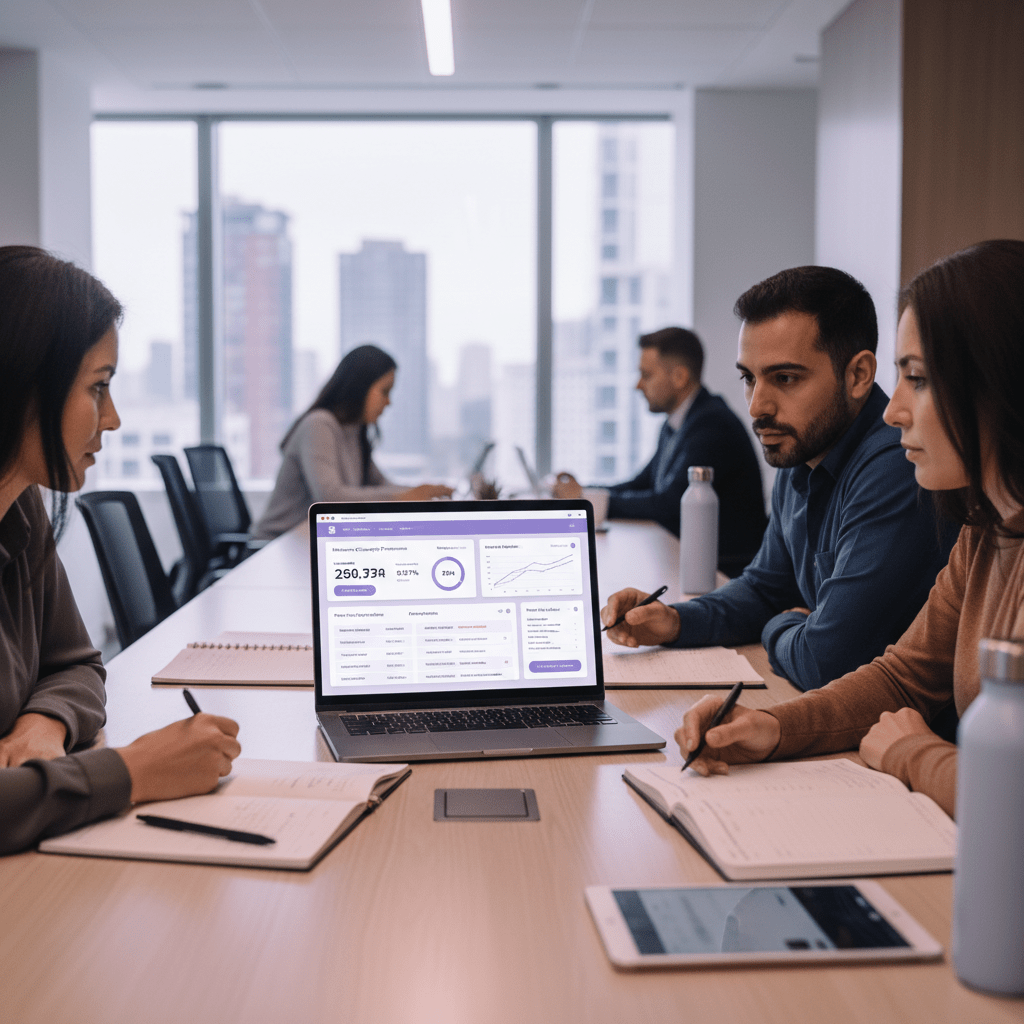
If you want real answers from influencer marketing for hotels, look past vanity metrics. Ask the simple stuff: Did people visit your site? Did they book? Did they keep coming back? That’s where hotel marketing ROI starts to make sense.
And yes, people really do act on social content. Statista says 75% of travelers use social media for travel inspiration, and 74% use it to research destinations. That tells us social media marketing hotel industry teams are not chasing a trend. They’re meeting guests where they already are. Statista’s travel inspiration data backs that up.
Here’s a clean way to track what matters:
| What to track | Why it helps |
|---|---|
| Website referral traffic | Shows if the creator sent real visitors |
| Direct booking conversions | Tells you if traffic turned into stays |
| Unique promo codes | Links bookings to one creator |
| UTM links | Shows which post or story drove the click |
| Landing page visits | Helps you see if the campaign page works |
| Audience growth | Shows if the partnership brought in new eyes |
| Brand sentiment | Tells you if people liked the content and the stay |
UTM tags are a small thing with a big payoff. You add them to each creator link, then watch Google Analytics tell you where the traffic came from. One influencer gets springstay2025, another gets rooftopweekend, and suddenly you can see who sent curious guests and who just sent likes. No mystery. Just facts.
Promo codes work too. Maybe one creator shares LUNA10 for 10% off. Simple. If people use it, you know the post moved them. If not, you still learn something about audience fit, timing, or the offer itself.
Landing pages help even more. Instead of sending every guest to your home page, send them to a page made for that campaign. Maybe it shows the room, the breakfast, and the offer in one place. That keeps the path short. Short paths usually book better.
But ROI is not only about bookings. That’s the part lots of hotel teams miss. A strong creator shoot can give you photos, Reels, Stories, and clips you can reuse on your own channels for weeks. That saves time and money later. Plus, good UGC often feels warmer than polished brand content, which can help brand sentiment and trust.
Think of it like this. A hotel influencer collaboration may drive 12 bookings this month. But the same content might also fill your Instagram grid, improve your ad creative, and give your sales team a better story to tell. That’s soft ROI, but it still matters.
And if tracking starts to feel messy, don’t wing it. Keep your booking manager, guest messages, and channel updates in one place with Ease My Hotel. It helps your team stay organized while you measure what the creator campaigns are actually doing.
One last thing. If you’re in boutique hotel marketing, measuring hotel marketing ROI is not just about proving a win to the boss. It helps you learn which creators fit your vibe, which offers get clicks, and which platforms really help you increase direct bookings social media can support over time. That’s the real win. Not a big number on a dashboard. A smarter next campaign.
Case Studies: Real Hotels Winning at Social Media Influencer Marketing
You know what makes hotel marketing click? Real stays. Real faces. Real moments that don’t feel like an ad was shoved in your lap.
And the best part? Different hotels are already proving it works in very different ways. A boutique hotel can win with local creators. A big luxury brand can use one big-name voice to get people talking. A one-of-a-kind lodge can lean on niche travel creators who speak to a tiny, perfect audience. That’s the fun part of the social media marketing hotel industry. There’s no one-size-fits-all playbook.
1) Boutique hotel marketing with local micro-influencers
The Hoxton has leaned hard into personality-led content and community ties, especially in places like Chicago, where it built a creative home around local artists and creators. That kind of hotel influencer collaboration works because it feels like the neighborhood is speaking for the hotel, not the other way around. Local micro-influencers brought in real people who already cared about the area, the food, the vibe, and the weekend escape feeling.
That matters a lot for boutique hotel marketing. A small hotel usually doesn’t need giant reach. It needs the right people to care enough to book. And local creators often do that better than polished ads ever could. The content feels useful. A rooftop drink. A design detail. A brunch spot two blocks away. Suddenly, the stay looks easy, fun, and close to home.
Here’s why this works so well:
| What the hotel wanted | What the creators gave |
|---|---|
| Weekend bookings | Real local excitement |
| Community buzz | Posts people actually shared |
| Trust | Familiar voices with local pull |
| Better direct booking interest | Stories that showed the full stay |
2) Luxury hotel chains and macro-influencer reach
Now switch gears. Big luxury brands usually play a different game.
A new property launch or destination debut needs reach, fast. So a macro-influencer can make sense when the goal is broad attention and brand prestige. Think polished video, dramatic views, and a strong first impression that travels far beyond the hotel’s own audience. That’s less about one weekend booking and more about planting the hotel in people’s heads.
A macro creator can also help a luxury chain look fresh without losing its high-end feel. The trick is balance. Too much polish, and it feels stiff. Too casual, and it loses the luxury edge. But when it lands, it really lands. People see the property, remember the name, and start adding it to their future trip list.
For hotel brands like this, hospitality influencer marketing is often less about quick conversion and more about status, awareness, and a strong launch story. And yes, that still supports hotel marketing ROI. Just in a slower, wider way.
3) Niche influencer partnerships for special properties
This next one is my favorite. Because it proves smaller can be smarter.
An eco-lodge, themed hotel, or other unique property can do really well with niche travel influencer partnerships. Maybe it’s a wellness creator. Maybe it’s an eco-travel voice. Maybe it’s a couple who only posts off-grid stays and quiet places with lots of trees. Weirdly specific? Sure. But that’s the point.
These creators bring in guests who already want that exact kind of trip. So instead of shouting into a crowd, the hotel speaks to the right person at the right time. That usually helps increase direct bookings social media can support in a very natural way.
This is also where UGC and real creator clips matter most. A themed room, a forest walk, a stargazing deck, or a no-phone weekend can feel way more believable when it comes from someone who lives that niche online.
What these case studies teach us
Different goals need different creators.
- Local micro-influencers help build trust and community.
- Macro-influencers help with splashy launch moments.
- Niche creators help special properties find the right guests.
And honestly, that’s the whole story. If your hotel social media strategy matches the creator to the guest type, you’re already ahead of most brands.
If your team is trying to keep bookings, messages, and channel updates from turning into a giant mess while campaigns run, Ease My Hotel can help keep operations steady. That leaves more room to plan travel influencer partnerships that actually fit your property, your audience, and your booking goals.
Your Action Plan: From Social Likes to Direct Bookings
So here’s the simple path. First, set one clear goal. Maybe it’s more direct bookings. Maybe it’s more weekend stays. Maybe it’s filling shoulder season dates. Pick one.
Then find creators who already match your guests. Not just big names. Real people with real trust. That’s where hotel influencer collaboration usually starts working.
Next, keep the deal clear. Say what they’ll post, when it goes live, and how you can use the content later. And yes, make sure disclosure is handled right. The FTC says sponsored travel content needs clear labels like #ad or #sponsored right up front, not hidden away in the caption.
After that, track the payoff. Look at clicks, bookings, promo code use, and the content you can reuse in your hotel social media strategy. That’s how measuring hotel marketing ROI stops feeling fuzzy.
The big takeaway? In the social media marketing hotel industry, people trust people. Not polished noise. Not empty hype. Real stories win.
Your task for this week: identify three potential micro-influencers in your city or niche whose content fits your brand image. Then send one friendly message. That’s enough to start.
If your team also needs help keeping bookings and guest messages in one place, Ease My Hotel can help you stay organized while you build a smarter direct booking plan.
Try Ease My Hotel for free.
No lock-in contracts. Cancel anytime