
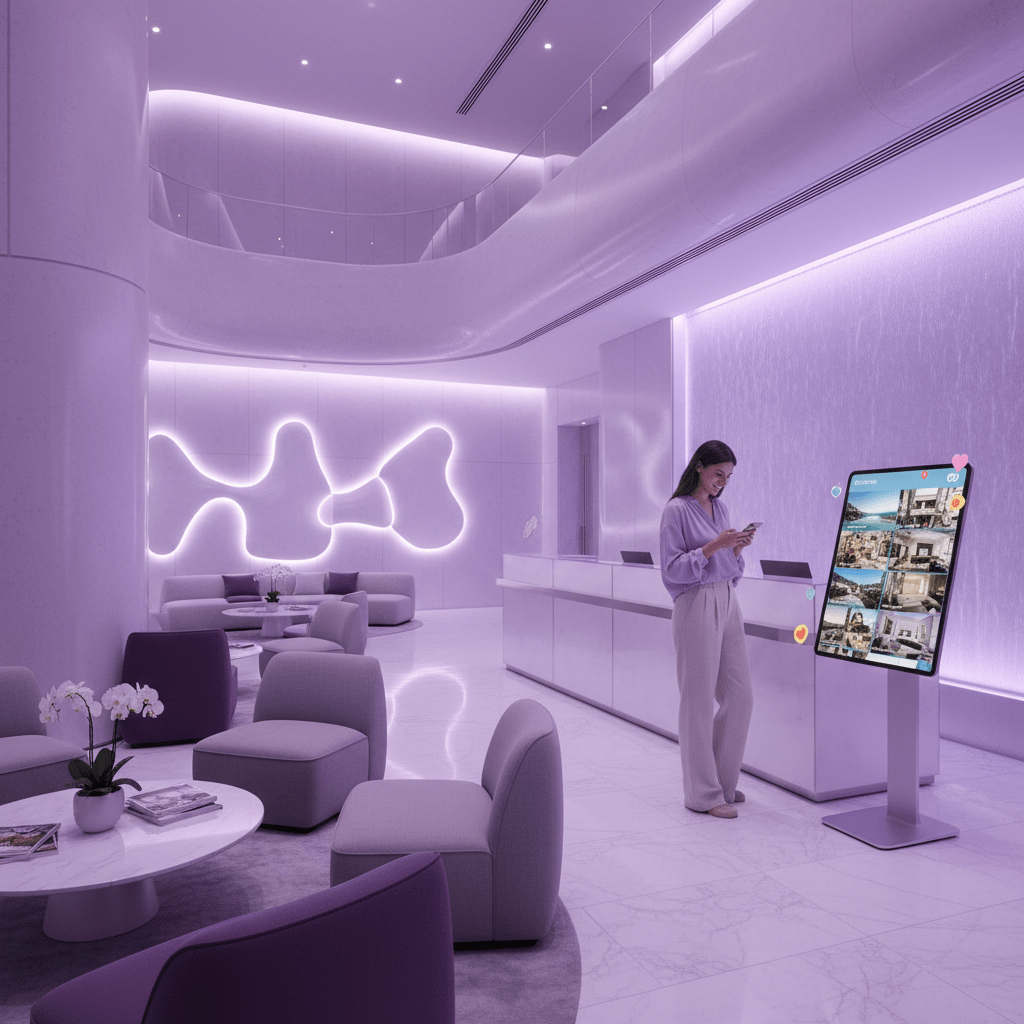
Introduction: Standing Out in a Crowded Market with a Modern Social Media Strategy
Ever notice how some hotels seem to stay full, even on a random Tuesday? It’s not luck. It’s usually because they’re showing up where travelers already spend time: on social media.
For a lot of hotels, the pressure is real. OTAs can take a big bite out of each booking, with commissions often landing in the 15% to 30% range. That stings. And it gets worse when you know a guest found you through a listing site instead of booking straight with you. Plus, travelers today don’t just want a room. They want a story, a view, a moment they can share.
That’s where social media marketing for hotels starts to pull its weight. But here’s the thing. The best hotel social content doesn’t feel like an ad. It feels like a real trip, told by a real person.
Influencer marketing fits right into that. It gives hotels a way to build trust, reach new guests, and create content that looks and feels native to the platforms people use every day. And yes, it can help with driving hotel bookings with social media, not just likes and comments.
In this guide, we’ll walk through the full process. You’ll see how to plan hotel influencer marketing, find travel influencers who match your property, build influencer collaborations for hotels that make sense, and measure results without guessing. We’ll also touch on things like ROI, booking links, and what to avoid if you want to increase direct hotel bookings instead of just adding more noise.
If you’ve been looking for a hospitality social media strategy that feels modern but still practical, you’re in the right place. Let’s get into it.
Why Influencer Marketing is a Game-Changer for Your Hotel’s Social Media Strategy
You know that moment when you see a hotel photo and think, “Yep, I’d stay there”? That feeling is hard to fake. And that’s the big reason influencer marketing works so well for hotels.
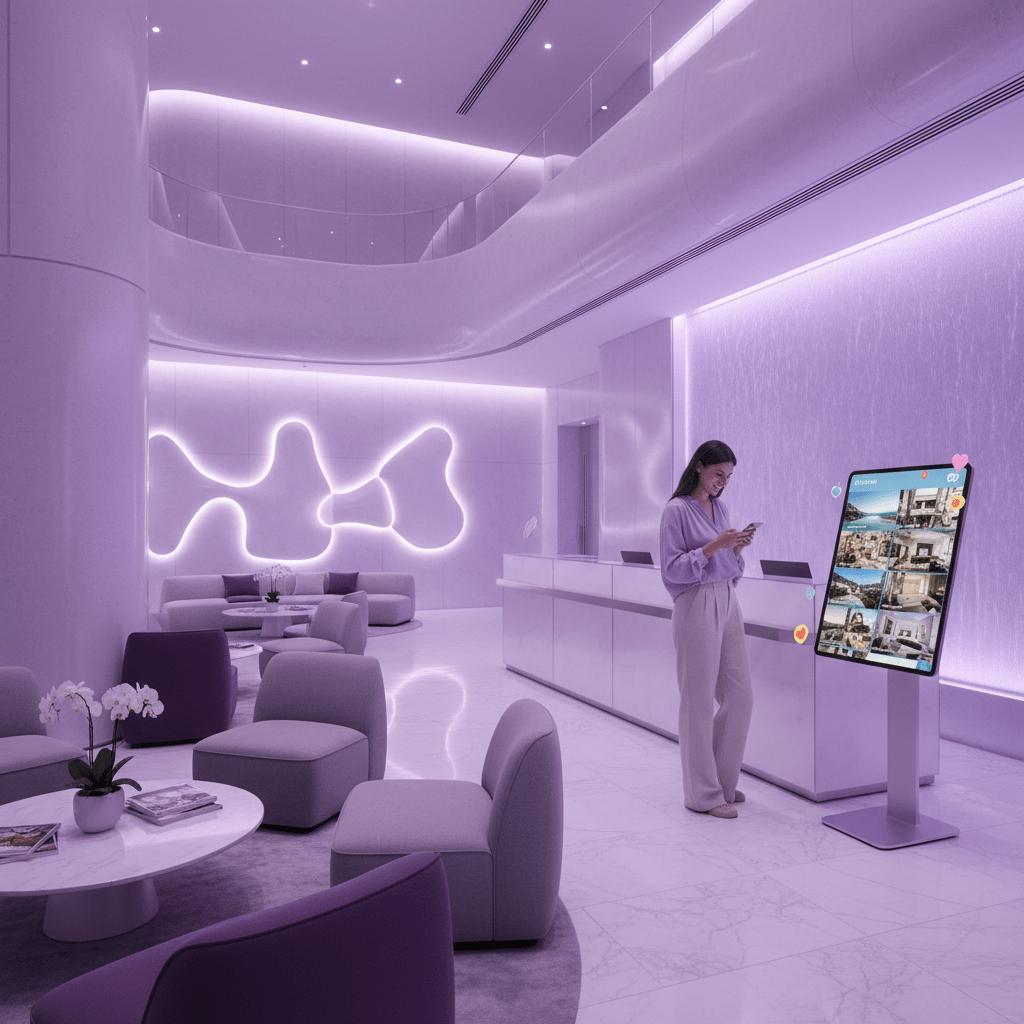
People trust real people more than polished ads. So when a creator shares a stay in your suite, posts the breakfast spread, or shows the short walk to a nearby beach or market, it feels real. Not salesy. Not stiff. Just honest travel content that fits right into the feed.
That matters a lot in social media marketing for hotels. Brand posts can talk about your pool, spa, or rooftop bar all day. But a creator can show how it actually feels to be there. That little gap makes a big difference.
It also helps hotels stand out from booking sites, which usually flatten the experience into a room rate and a few photos. An influencer can show the sunset from the balcony, the front-desk welcome drink, the family-friendly game room, or the quiet corner where remote workers actually get things done. Those details sell the stay better than a plain listing ever could.
And here’s where it gets smart. Influencer collaborations for hotels can speak to very specific guests. Want couples for a luxury hotel influencer strategy? Or families for a beach resort? Or hikers for a mountain lodge? You can find travel influencers who already talk to those people every day. That beats broad ads that hope the right person sees them.
The numbers back this up too. Travel micro-influencers often see stronger engagement than big brand accounts, and creator-led travel content can bring in strong returns for hotels that plan it well. Plus, OTA commissions often land around 15% to 30%, so getting even part of that traffic into direct bookings can make a real dent in costs.
Here’s the deal: influencer content doesn’t just get attention. It gives hotels usable photos, videos, stories, and trust signals all at once. And if you pair that with a solid hospitality social media strategy, it can help increase direct hotel bookings instead of sending every guest through a third-party site.
Honestly, that’s what makes it such a good fit for boutique hotel social media campaigns and bigger properties alike. Real stories. Real guests. Better reach. Better fit. Pretty good combo.
Finding the Perfect Match: How to Identify and Vet Influencers for Your Hotel
You know that awkward feeling when a creator looks perfect on paper, then you check their comments and it’s just fire emojis and bots? Yeah… not ideal.
For social media marketing for hotels, the match matters more than the crowd size. A smaller creator who speaks to the right people can beat a huge account that talks to everybody and no one.
Here’s a simple way to think about it:
| Influencer tier | Typical follower range | Best for | Watch out for |
|---|---|---|---|
| Nano | 1K to 10K | Local stays, niche trips, tight budgets | Small reach, slower volume |
| Micro | 10K to 100K | Strong fit for most hotel influencer marketing plans | Need to check audience location and quality |
| Macro | 100K+ | Big launches, wide awareness, luxury hotel influencer strategy | Higher cost, weaker audience focus |
Micro creators are usually the sweet spot for hotel marketing. They often get stronger engagement, and travel micro-influencers can pull in around 4% to 9% on Instagram, with TikTok often going even higher. That means real attention, not just pretty numbers.
But follower count is only step one. We also need to look at who’s actually watching. If your hotel is in Bali and the creator’s audience is mostly in Ohio, that might still work for a dream-trip campaign. But if you need weekend bookings from nearby cities, the fit gets shaky fast.
So check the basics:
- Audience age and location
- Travel style, like luxury, family, solo, or budget
- Past content about hotels, food, or local experiences
- Engagement quality, not just the rate
- Whether they match your brand tone
And please, look at the comments. Real comments sound like real humans. “This view is unreal” is fine. “Nice pic bro” on every post? Hmm. Maybe not.
For finding travel influencers, tools like Aspire, Upfluence, Influence.co, and The Shelf can help you sort by location, niche, and audience fit. Then review their past brand work. Do they tag partners clearly? Do they keep the tone clean? Do they follow through? Those little things save headaches later.
The red flags are pretty easy to spot once you know them. Fake follower spikes, low comments compared with follower count, messy sponsorship history, and content that feels copied from campaign to campaign. If the feed looks like a stock photo warehouse, keep moving.
One more thing. Before you say yes, ask what they can deliver beyond a post. Maybe it’s short-form video for booking ads, maybe it’s raw clips for your website, or maybe it’s a set of stories that can help increase direct hotel bookings through a tracked link. That’s the kind of detail that makes influencer collaborations for hotels pay off.
If you’re using a platform like Ease My Hotel to manage bookings, guest messages, and room flow in one place, it also gets easier to track whether creator traffic turns into real stays. That part matters a lot. Likes are nice. Reservations pay the bills.
Beyond the Free Stay: Structuring Creative and Compelling Influencer Collaborations
A free room is nice. Sure. But a smart hotel campaign can do a lot more than hand over a key card and hope for the best.
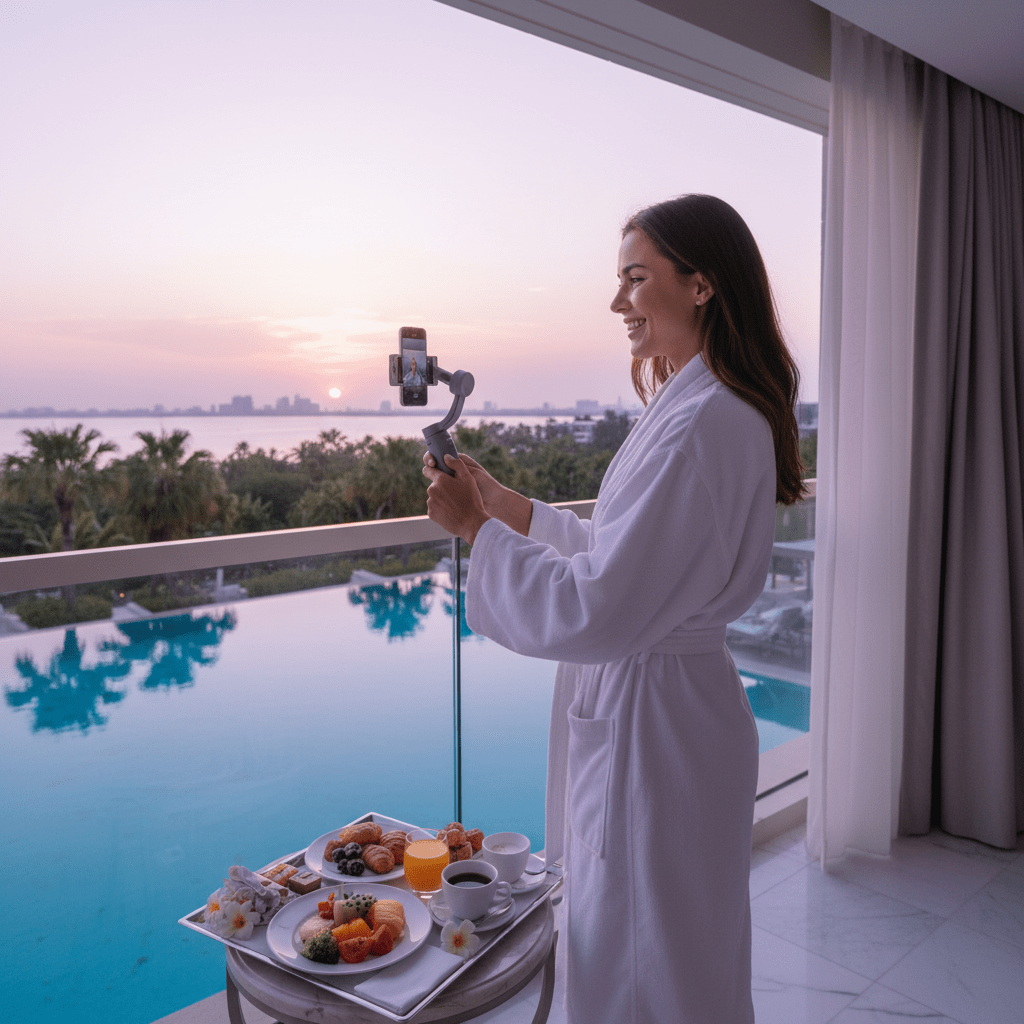
If you’ve ever watched a creator post a beautiful breakfast shot, a pool clip, and a quick room tour, you already know how powerful this can be. The trick is to give the stay a clear job. One post is good. A whole story package is better. And if the collaboration feels fresh, people actually remember it.
Start with the classic model
The usual setup is simple: a hotel gives a complimentary stay, and the influencer gives back content.
That content can be pretty specific:
- 1 Instagram Reel
- 1 feed post
- 3 to 5 Stories
- A short TikTok clip
- Raw photos for your own use
That kind of swap works well for boutique hotel social media campaigns, especially if you want quick, authentic content without a huge spend. But don’t leave the deal fuzzy. Spell out what the creator posts, when they post it, and how long you can use the content.
And yes, ask for usage rights up front. That matters. A lot.
When paid work makes more sense
Sometimes a free stay just isn’t enough. Maybe the creator is bringing a larger audience. Maybe you want a polished video series. Or maybe your luxury hotel influencer strategy needs a higher level of polish and planning.
That’s where paid collaborations come in. You can pay a flat fee, add a performance bonus, or do a mix of both. For mid-sized travel creators, a campaign can run from about $1,500 to $6,000, depending on deliverables and rights.
A few hotels also pay for content licensing. That means you can use the creator’s photos or videos on your website, in email, or in paid social ads. Handy, right? It turns one stay into a longer shelf life for your marketing.
Try experience-first ideas
This is where things get fun.
Instead of just booking a room, build a mini experience around the stay. A wellness creator could host a sunrise yoga retreat. A foodie creator could work with your chef on a tasting menu. A family travel account could help launch a kid-friendly weekend package. That kind of idea fits right into social media marketing for hotels because it gives people something to feel, not just something to look at.
You can also build an affiliate-style setup with unique booking codes. So if a creator shares code LENA10 or SUMMER25, you can track who booked and where it came from. That helps with measuring influencer marketing ROI for hotels without a guessing game.
Keep the deal clear
Here’s the thing though. Good influencer collaborations for hotels need clean terms.
Make sure the contract covers:
- Deliverables
- Posting dates
- Content usage rights
- Disclosure rules
- Booking codes or tracking links
- Cancellation terms
If you’re using a system like Ease My Hotel, it gets easier to connect booking data, guest messages, and campaign results in one place. That makes it much simpler to see which creators are actually helping increase direct hotel bookings.
Because likes are nice. But room nights pay the bills.
Try Ease My Hotel for free.
No lock-in contracts. Cancel anytime
Protecting Your Brand: Key Elements of an Air-Tight Influencer Agreement
A great post can go sideways fast if the deal is fuzzy. One hotel gets a weekend of gorgeous reels. Another ends up arguing about who can use the photos, where they can be posted, and whether the creator had to say it was gifted. Messy. Nobody wants that.
So, for social media marketing for hotels, the contract is not just paperwork. It’s the thing that keeps influencer collaborations for hotels calm, clear, and useful.
What the scope of work should say
Start with the basics. Spell out exactly what the creator will make and when it should go live. No guesswork.
A good scope of work usually covers:
- Number of posts, reels, stories, or videos
- Which platforms they’ll use
- Post timing and deadlines
- Required hashtags and tags
- Booking link or promo code use
- Whether they need to mention certain amenities or experiences
If you want driving hotel bookings with social media, timing matters. A creator who posts after checkout might still help, but a post during the stay can feel more alive and real.
Who owns the content?
This part gets missed all the time. And then later, someone wants to use a creator’s beautiful room tour in a paid ad, but the contract never said they could.
Be clear about content ownership and usage rights. Can the hotel repost the content on its own social pages? Can it use the clips on the website? Can it run the video in ads? For how long? In which countries?
If the hotel wants to repurpose the content for boutique hotel social media campaigns or a luxury hotel influencer strategy, the license should say that in plain language. No tiny-print drama.
Keep the legal stuff simple and clear
FTC disclosure rules matter. A lot. Sponsored travel content needs to say so in plain words like #ad, #sponsored, or “Paid partnership.” If the stay was gifted, that should be clear too. The disclosure should sit close to the post, not buried under a pile of hashtags.
Also, think about these clauses:
| Contract item | What to lock in |
|---|---|
| Exclusivity | Can they work with another hotel in your area? |
| Payment terms | Flat fee, free stay, bonus, or mix? |
| Approval rights | Can you review drafts before posting? |
| Cancellation | What happens if plans change? |
| Reporting | Will they share reach, clicks, or saves? |
That last one helps with measuring influencer marketing ROI for hotels. If you’re using a platform like Ease My Hotel to track bookings and guest flow in one place, it gets much easier to connect campaign traffic with actual room nights.
Here’s the deal: a solid agreement protects both sides. It keeps the creator free to make real content, and it keeps the hotel from losing control of its own brand. Clean deal. Fewer surprises. Better results.
Measuring What Matters: How to Calculate the ROI of Your Hotel Influencer Campaign
You can get a post with 50,000 likes and still not fill one room. Weird, right? That’s why measuring hotel influencer marketing is not about chasing shiny numbers. It’s about seeing what actually moved people closer to booking.
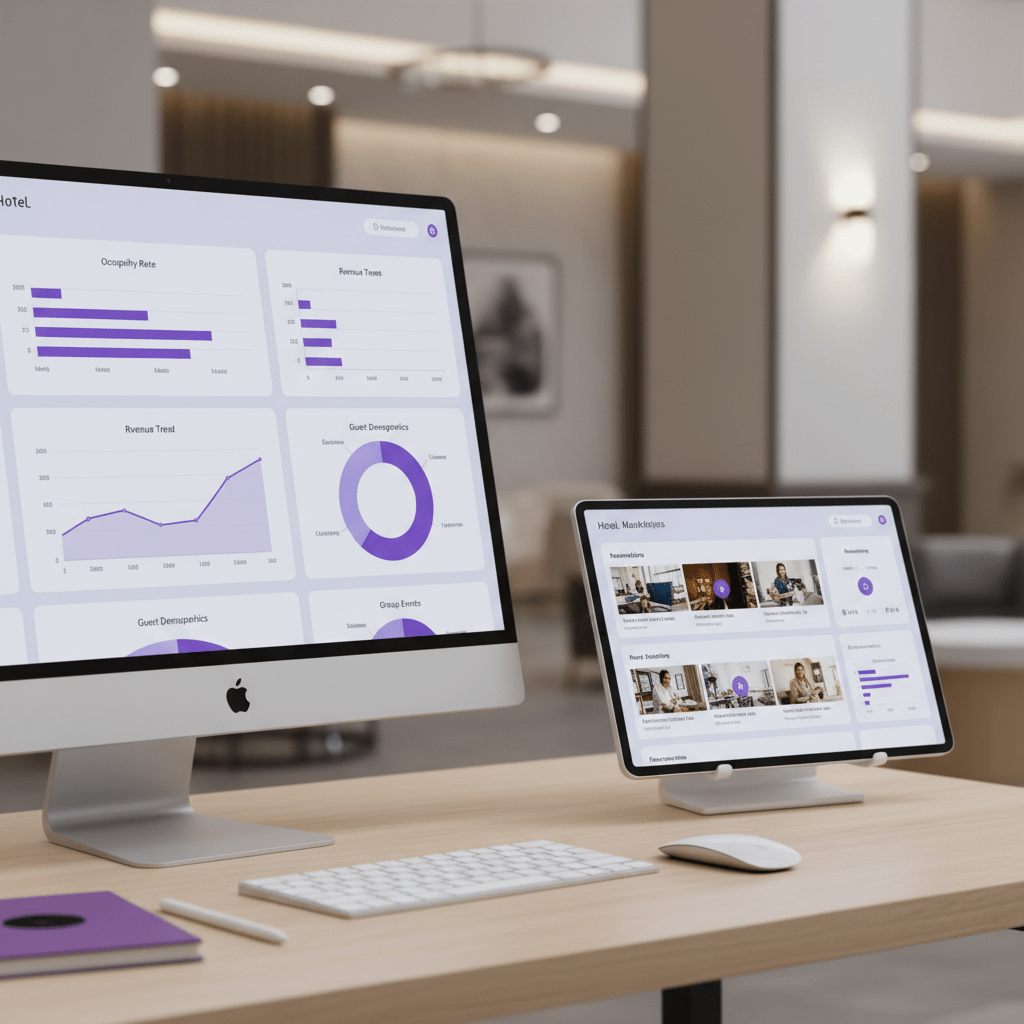
Start with the easy stuff first. Reach, impressions, and engagement rate are your campaign health check. They tell you if the content got seen, if people stopped scrolling, and if they cared enough to react. Good signs. But they do not pay the bills by themselves.
Here’s the part that really matters for social media marketing for hotels: bookings, clicks, and real guest action. To track that, give each creator a unique promo code and a UTM-tagged link. So if one influencer shares ?utm_source=instagram&utm_medium=influencer&utm_campaign=summer_stay&utm_content=lena, you can spot that traffic in Google Analytics 4. Pair that with a code like LENA10, and you’ve got two ways to check the same result. That makes it much easier to see whether you’re really driving hotel bookings with social media or just collecting applause.
A simple setup looks like this:
| Metric | What it tells you | Why it matters |
|---|---|---|
| Reach | How many people saw it | Good for awareness |
| Impressions | How often it showed up | Shows content spread |
| Engagement rate | Likes, comments, saves, shares | Tells you if people cared |
| Clicks | Who tapped the link | Shows real interest |
| Bookings | Who actually stayed | This is the big one |
For booking tracking, set up a landing page for each creator if you can. Then in GA4, mark the booking confirmation event as a conversion. Simple enough. But do not stop there. Check completed, non-cancelled stays only. Otherwise, your numbers can get fuzzy fast.
And don’t ignore the softer wins. Did people start searching your hotel name more after the campaign? Did guests leave better comments? Did you get a pile of high-quality photos and clips you can reuse later? That counts too. Honestly, for boutique hotel social media campaigns and even a luxury hotel influencer strategy, good user-generated content can be worth a lot because it keeps working after the stay ends.
There’s also a nice big-picture reason to care about this stuff. Hotels often pay OTA commissions in the 15% to 30% range, so even a small lift in direct bookings can make a real difference. And creator-led travel content keeps growing because people trust people. That’s why influencer marketing ROI for hotels can beat old-school ads when the match is right. For a quick reference on OTA fee ranges and why direct booking matters, see this OTA commission guide.
If you’re using Ease My Hotel, this gets easier to manage because bookings, guest messages, and room data sit in one place. That means you can line up campaign traffic with actual reservations without bouncing between tabs all day. Nice little sanity saver.
So, when you measure a campaign, ask three questions:
- Did people see it?
- Did they care enough to click?
- Did they book?
If the answer to all three is yes, you’ve got something worth repeating. If not, tweak the creator mix, the offer, or the landing page. Then try again. That’s the game.
Maximizing Your Investment: Integrating Influencer Content into Your Broader Marketing Mix
Ever post something and think, “Okay, now what?” That’s the part a lot of hotels miss. The creator visit is over, the photos are in your inbox, and then… they just sit there.
That’s a waste. And not a small one.
The good news is that influencer content can keep working long after checkout. A strong room tour, a breakfast shot, or a short Reel can be reused across your own hotel social media channels, your website, your booking engine pages, and even your email campaigns. So one stay turns into many touchpoints.
On your own channels, this helps you keep a steady flow of real-looking content. No more staring at the same five brand photos from 2019. You can mix in guest-style visuals that feel warm, lived-in, and honest. That matters for social media marketing for hotels because people spot fake pretty fast.
And on your website? Even better. Influencer photos and quotes can act like social proof right where people are deciding whether to book. A short line from a creator like “The balcony view was the part I didn’t want to leave” can do more than a polished slogan ever could. That kind of detail helps increase direct hotel bookings because it answers the quiet question in a guest’s head: “Will I like it here?”
Here’s a simple way to use the content:
| Channel | How to use influencer content |
|---|---|
| Instagram and TikTok | Repost top-performing photos, clips, and Stories |
| Website | Add quotes, reels, and room photos near booking buttons |
| Booking pages | Show guest-style visuals beside rates and room details |
| Drop in creator highlights for promos and seasonal offers | |
| Retargeting ads | Use authentic clips to remind warm leads to book |
Email is a sneaky-good place for this. A newsletter with one creator photo and a short testimonial feels more human than a hard sell. Plus, if someone clicked your site but didn’t book, that same content can show up again in paid social retargeting ads. Nice little nudge.
This is where the mix really starts to work. Influencer collaborations for hotels don’t stop at the post. They can feed your whole hospitality social media strategy, support boutique hotel social media campaigns, and even help with a luxury hotel influencer strategy if the visuals are strong.
If you’re using Ease My Hotel, this gets easier to manage because booking data, guest messages, and property info live in one place. That makes it simpler to match campaign traffic with real stays, then keep the best creator content in rotation. One good trip can fuel weeks of marketing. Pretty handy, right?
Conclusion: Turning ‘Likes’ into Direct Bookings and Lasting Brand Loyalty
Likes feel nice. Bookings feel better.
That’s really the heart of social media marketing for hotels. If we set clear goals, find the right creators, write clean agreements, measure real results, and keep using the content, influencer marketing stops being a one-off stunt. It turns into a steady way to increase direct hotel bookings and build trust over time.
And the payoff can be big. Hotels often pay OTA commissions in the 15% to 30% range, so even a small shift toward direct stays can save real money. Plus, travel content is built for discovery. People trust people. That’s why hotel influencer marketing, hospitality social media strategy, and smart influencer collaborations for hotels keep working long after the first post goes live.
So start small. Pick three local micro-influencers whose style feels like your property. Reach out with a personal note. Share a clear idea. Then build from there.
Not a campaign. A relationship.
That’s where the real value lives.
Try Ease My Hotel for free.
No lock-in contracts. Cancel anytime