
Introduction: Why Your Hotel’s Social Media Needs to Do More Than Just Post Pretty Pictures
You know that feeling when a hotel post gets lots of likes, but the booking engine stays quiet? Annoying. And pretty common.
Here’s the thing: social media marketing for hotels is not just about looking good online. It can help bring in direct bookings, build trust, and pull guests away from OTAs that take a chunk of each stay. In fact, 57% of travelers use social media for trip planning, and 62% of those users make a trip choice after seeing social content, according to Phocuswright’s 2024 research. That’s not fluff. That’s booking intent.
Plus, the money part matters. Many OTA deals land in the 15% to 25% commission range, so every direct booking can mean more profit in your pocket.
In this guide, we’ll walk through the full hotel social media strategy. We’ll cover content ideas, the best social media platforms for hotels, hotel Instagram marketing, paid ads, and how to track social media ROI for hotels without getting lost in vanity metrics.
If you’re managing a hotel’s online presence, this is your starting point. Let’s turn likes into stays.## 1. Building Your Foundation: A Hotel Social Media Strategy That Works
You know what burns time fast? Posting just to post. One day it’s a pool photo, the next it’s a breakfast spread, and somehow none of it moves rooms.
That’s why a hotel social media strategy needs real goals. Not fuzzy ones. Try goals like: increase direct website bookings from social by 15% in 6 months, grow your email list by 500 subscribers through a social lead magnet, or boost booking inquiries from Instagram DMs by 20%.
Here’s the simple rule: if you can’t track it, you can’t grow it. And social media marketing for hotels works best when every post has a job.
Know who you’re talking to
A business traveler doesn’t want the same thing as a honeymoon couple. A family looking for a weekend stay needs kid-friendly details, parking info, and maybe a quick look at the breakfast setup. A corporate guest wants fast Wi-Fi, meeting rooms, and a quiet room after 9 pm.
So ask a few plain questions:
- Who books most often?
- What do they care about first?
- What would make them click “book now” today?
That’s the heart of managing a hotel’s online presence well. Good content feels like it was made for one person, not everyone at once.
Pick the right platforms
Not every platform pulls the same weight. That’s fine. Actually, that’s good.
| Platform | Best for | Why it works |
|---|---|---|
| Hotel Instagram marketing, room tours, reels | Big on visuals and travel inspiration | |
| Travel planning, mood boards | Great for future-trip ideas | |
| Community, ads, older travelers | Strong for targeted campaigns and remarketing | |
| TikTok | Short videos, discovery | Strong with younger travelers and quick attention |
| MICE, corporate stays, business travel | Good for meeting planners and B2B reach |
Video matters a lot here. Travelers are often drawn in by short clips, not long captions. Plus, Instagram and TikTok can help increase hotel bookings with social media faster than static posts alone.
One more thing. People trust real guest content more than polished ads, so user photos and honest clips can do a ton of work for you. If you want to start small, pick two platforms first, then build from there. Easier on your team. Better for your sanity.
If you’re using a tool like Ease My Hotel, this gets even simpler because your booking data, guest messages, and OTA info can live in one place while your social efforts point people back to direct booking.
2. Beyond the Bedroom: Crafting a Content Mix That Captivates and Converts
If your feed is all room photos, people will scroll right past. Pretty fast, too.
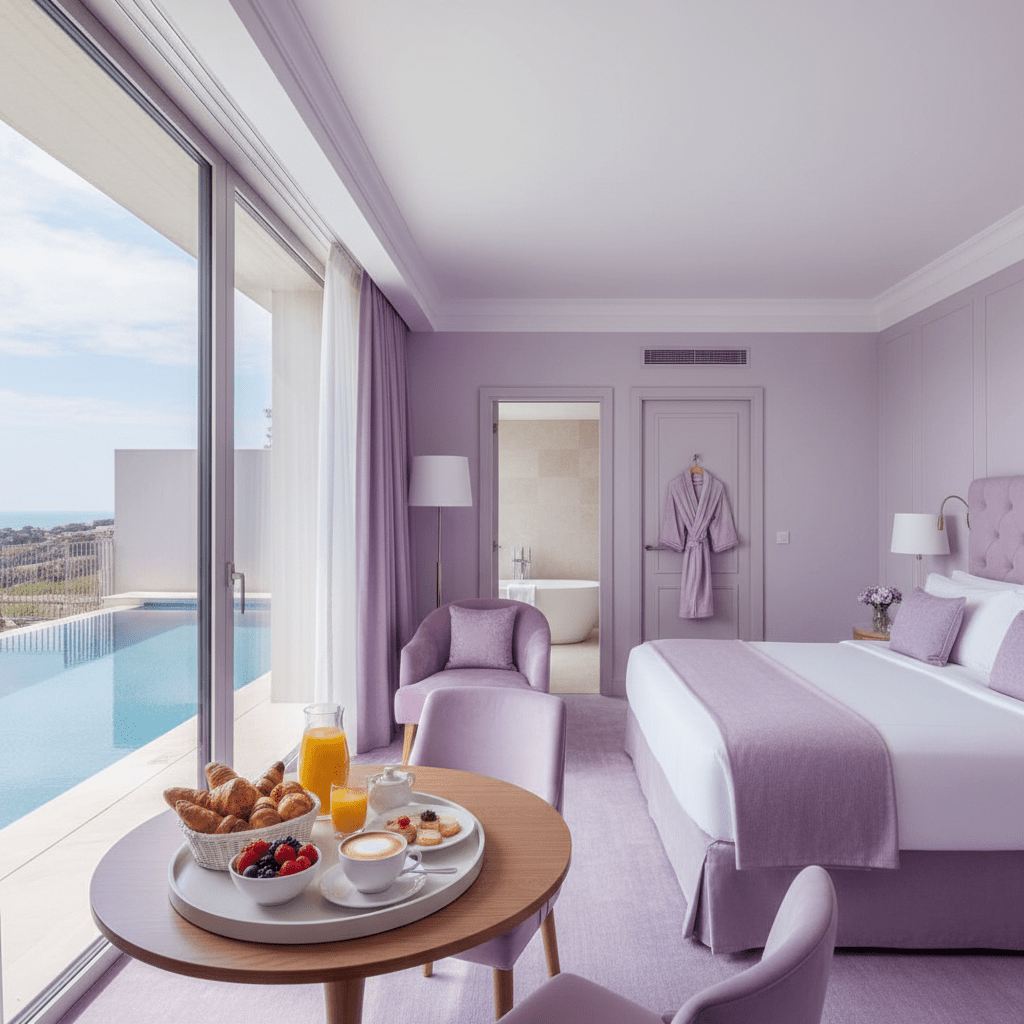
Guests want a taste of the stay before they pack a bag. They want to see the bed, yes. But they also want the smile at check-in, the fresh bread in the kitchen, the coffee shop down the street, and maybe the pool at sunset. That mix is what makes social media marketing for hotels feel alive.
A simple way to do this is with five content pillars:
| Content pillar | What to post | Why it works |
|---|---|---|
| Rooms & amenities | Room tours, views, bathroom details, pool shots | Helps guests picture the stay |
| Behind the scenes | Staff spotlights, kitchen prep, check-in moments | Makes the property feel human |
| Local experience | Nearby cafes, events, walking routes, city tips | Shows the hotel is part of the trip |
| Guest stories | Reposts, testimonials, UGC clips | Builds trust fast |
| Promotional | Offers, package deals, booking links | Pushes people to book |
That last one matters, but don’t lead with sales all the time. People get tired of that quick.
Video is the real star here. Short clips of room tours, drone shots, or a “day in the life” of the front desk team usually get more eyeballs than a still photo alone. And honestly, that makes sense. A 15-second reel can show space, light, sound, and mood in one shot. A photo can’t do all that. According to Hootsuite’s 2025 travel and hospitality benchmarks, video content gets stronger engagement than static posts across the category, and travel research also shows many travelers use video while planning trips.
Here’s a caption trick that works: stop describing the room like a brochure. Tell a tiny story instead.
Instead of:
Our deluxe king room features floor-to-ceiling windows.
Try:
Imagine waking up here with coffee in hand and the sunrise pouring through floor-to-ceiling windows. That’s the kind of slow morning our deluxe king rooms were made for.
See the difference? One sounds like a listing. The other sounds like a stay.
And please, use guest photos when you can. People trust other travelers way more than polished brand posts. Just ask first before reposting. A quick DM with clear permission goes a long way.
If you’re managing social media for hospitality industry accounts, this is where your content starts doing real work. Not just likes. Real intent. Real bookings. And if your team is juggling bookings, guest messages, and OTA updates at the same time, a tool like Ease My Hotel can help keep everything in one place so your social posts lead back to direct booking without extra chaos.
3. From Comments to Community: Mastering Guest Engagement and Online Reputation
You know that little ping when a guest leaves a comment? That’s not just noise. It’s a chance.
And if we’re being honest, a fast reply can do more than a glossy ad ever will. A prompt, helpful answer in public can calm a worried traveler, show you care, and even win over people who were just watching from the sidelines. Since 83% of people expect a brand reply within 24 hours and 38% want one within an hour, slow replies can make a hotel feel ghosted. Weird, right?
Set a response rhythm
Pick a simple rule and stick to it. For example:
- Reply to comments within 2 to 4 hours during the day
- Reply to DMs within 1 hour if possible
- Thank every positive post
- Move complaints into private chat when personal details come up
That last part matters. Public replies are good for quick care and clear facts. But if a guest is upset about a bill, a room issue, or a late checkout fight (we’ve all seen those), take it offline fast. Say something like, “Sorry about this. Please send us a DM with your stay details so we can sort it out.” Calm. Simple. Human.
Turn your feed into a conversation
Want more replies? Ask for them.
Try polls like “Pool or beach?” or “City break or quiet retreat?” Ask a fun caption question like, “What’s the first thing you’d do here?” You can even host a live Q&A with the hotel manager, head chef, or spa lead. That works especially well for hotel Instagram marketing and TikTok, where short, real moments tend to get the most attention.
And yes, this helps with social media for hospitality industry brands because people don’t just want pretty photos. They want proof there’s a real team behind the desk.
Reputation and engagement go together
This is where social media marketing for hotels gets smart. Engagement is not just likes and shares. It’s reputation management in motion.
A guest complaint handled well in public can carry more weight than a stack of five-star reviews. One thoughtful reply shows future guests that you listen, fix problems, and don’t hide when things go sideways. That builds trust fast.
Here’s a quick look at what to watch:
| Engagement action | Why it matters |
|---|---|
| Fast public reply | Shows care and visibility |
| Private follow-up | Solves the issue with less tension |
| Polls and questions | Sparks more comments and reach |
| Q&A sessions | Builds trust with real faces and real answers |
| Guest reposts | Adds social proof and warmth |
If you’re managing a hotel’s online presence, this is where small habits pay off. Replying well, listening closely, and staying present can help increase hotel bookings with social media without sounding salesy all the time.
And if your team is juggling messages, bookings, and OTA updates at once, a tool like Ease My Hotel can help keep guest communication in one place so nothing slips through the cracks. Less chaos. Better replies. Happier guests.
Try Ease My Hotel for free.
No lock-in contracts. Cancel anytime
4. The Power of Proof: Leveraging User-Generated Content (UGC) and Influencer Marketing
Ever notice how a guest selfie can sell a room better than a polished ad? Funny thing is, it usually does.
That’s because people trust real people. Not perfect brand shots. In travel, that matters a lot. Travelers are already using social media to plan trips, and many say it helps shape where they stay. One survey found 57% of travelers use social for trip planning, and 62% of those users make a trip decision after seeing content Phocuswright’s 2024 research.
Why UGC works so well
User-generated content, or UGC, is just guest content. A photo. A reel. A story tag. A quick video from the balcony at sunset. And it feels real because it is real.
People trust that kind of content way more than brand-made posts. That’s a big deal for social media marketing for hotels, because UGC shows future guests what a stay actually feels like. Not just what the brochure says it feels like.
Here’s a simple trust table:
| Content type | How it feels | Why it helps |
|---|---|---|
| Brand photo | Polished | Good for look and feel |
| Guest photo | Real | Builds trust fast |
| Guest video | Honest | Shows motion, sound, mood |
| Influencer recap | Social proof | Helps with discovery |
Build a UGC system
You don’t need to wait and hope for guest content. Make it easy.
Try this:
- Create a unique hotel hashtag and print it on key cards, menus, and room signs
- Set up a selfie spot with a great view, neon sign, or mural
- Run a monthly photo contest with a small prize, like brunch for two or a late checkout
- Repost guest stories and clips after asking permission
- Save the best posts in a folder for later use
And yes, always ask before reposting. A public post is not the same as permission. A quick DM works fine: “We love your photo. Can we share it on our Instagram?” Simple. Clear. Human.
Influencer marketing, but keep it small and smart
You don’t need a celebrity with 2 million followers. Actually, wait, there’s a better way. Micro-influencers often work better for hotels because their audiences are smaller, but more tuned in.
Think local food creators, travel couples, family trip accounts, or weekend getaway pages. These folks usually get stronger comments and more trust than giant accounts that post from five cities in one week.
A common setup is a media stay. The hotel offers a one-night or two-night stay, maybe breakfast or spa access, and the creator gives agreed deliverables. That might look like:
- 1 Instagram Reel
- 3 story frames
- 5 edited photos
- 1 blog mention or TikTok video
Keep it clear up front. Room dates, deliverables, tags, and posting window. No guesswork.
How to measure if it worked
Pretty posts are nice. Bookings are better.
Track things like:
- Profile visits
- Link clicks
- Promo code use
- Direct booking inquiries
- Saves and shares
- New followers from the creator’s audience
If you’re managing a hotel’s online presence, this is where social media ROI for hotels starts to get real. UTM links can show which creator sent traffic. Promo codes can show who actually booked. And if you use a tool like Ease My Hotel, it gets easier to keep booking data, guest messages, and channel info in one place so you can see what content is doing the heavy lifting.
One more thing. UGC and influencer posts work best when they feel natural, not pushed. The goal is simple: show real people enjoying the stay. That kind of proof can do more for increase hotel bookings with social media than a month of branded graphics ever will.
And that’s the sweet spot.
5. Driving Direct Bookings: A Practical Guide to Paid Social Media for Hotels
You know that moment when someone visits your site, checks the rooms, and then disappears? Oof. That’s the exact person paid social can bring back.
Paid ads on Facebook and Instagram are a smart way to support social media marketing for hotels, because they let you reach people who already showed interest. Start with retargeting. Show ads to website visitors who looked at rooms but did not book, people who started checkout, and guests who visited your booking page more than once. Those folks are warm. Not cold. Warm leads usually cost less and move faster.
You can also build lookalike audiences from your past guest list. That means you take your best guests, upload that data, and let Meta find people who act a lot like them. Pretty handy. Then add travel intent and basic details like age, location, and trip timing. A couple planning a weekend in Miami won’t respond the same way as a solo business traveler in Chicago.
Here’s a simple paid social ad mix that works well for hotel Instagram marketing and Facebook campaigns:
| Ad format | Best use | Why it works |
|---|---|---|
| Carousel Ads | Show rooms, pool, dining, spa | Lets people swipe through more than one offer |
| Video Ads | Room tours, arrival moments, guest experience clips | Feels real and helps guests picture the stay |
| Collection Ads | Packages, special offers, direct booking flow | Makes it easy to move from ad to booking page |
Video usually pulls more attention than a still image. And for hotels, that matters a lot. A 20-second room walk-through can do more than a fancy banner with no story at all.
Now for the part that helps with direct bookings. Give your social followers a reason to book with you instead of an OTA. Try a follower-only offer like:
Book Now & Save 10%
Or maybe free breakfast, late checkout, or a room upgrade for direct bookings made through social. That little perk can tip the scale when someone is comparing tabs at 11:40 pm.
And yes, track the money. A lot of hotel social media ROI for hotels gets lost when teams only look at likes and reach. Paid social works best when you watch clicks, booking starts, completed reservations, and cost per booking. If your ads are pulling people in but not converting, the offer might be weak… or the booking path might be too clunky.
That’s where a tool like Ease My Hotel can help. With booking management, OTA info, and guest communication in one place, it’s easier to see which paid campaigns are driving real stays and which ones are just making nice noises.
The goal is simple. Catch interest. Bring people back. Close the booking.## 6. Measuring What Matters: Tracking Your Hotel’s Social Media ROI
Likes feel nice. Sure. But they don’t pay the bills.
If you want social media marketing for hotels to actually help your bottom line, you’ve got to track the stuff that leads to bookings. Not just followers. Not just hearts. Those numbers can be fun, but they’re not the whole story.
Start with the right numbers
Look at three things first:
- Website referral traffic from social channels
- Conversion rate on your booking engine
- Cost per booking from paid social ads
That’s the real path. A guest sees your post, clicks through, checks rates, and books. Simple on paper. A little messier in real life. But that’s the flow we want to follow.
If you’re managing a hotel’s online presence, this is where the work gets honest. You can see which best social media platforms for hotels bring people in, which hotel content ideas get clicks, and which posts just look pretty and do nothing else.
Use UTM links so you’re not guessing
Ever opened Google Analytics and thought, “Well… what now?” Yep. Been there.
UTM tags fix that. They tell you where traffic came from. So if someone clicks a link in an Instagram Reel, you can see that it was Instagram, that it came from a reel, and that it was part of your summer offer.
A simple setup looks like this:
utm_source=instagramutm_medium=organic_socialutm_campaign=summer_escape_2026utm_content=reel_roomtour
Use the same pattern every time. That way, your Google Analytics 4 reports stay clean and easy to read. And when you compare platforms, you’ll know if hotel Instagram marketing is pulling more booking traffic than Facebook, TikTok, or Pinterest.
Here’s the simple ROI formula
Try this:
((Revenue from Social – Social Media Costs) / Social Media Costs) x 100
That gives you your social media ROI for hotels.
Now, what goes into Costs?
| Cost type | What to include |
|---|---|
| Ad spend | Facebook, Instagram, TikTok, LinkedIn ads |
| Tools | Scheduling, reporting, listening, CRM tools |
| Staff time | Writing posts, replying to DMs, editing videos, reporting |
| Creative support | Photography, video editing, design work |
I’d keep it plain. If someone on your team spends 6 hours a week on social, that time has value. Don’t leave it out just because it’s not a card charge.
A few signs your social is working
You don’t need a giant dashboard to see progress. Just watch for:
- More direct booking clicks from social
- Better conversion on social traffic than before
- Lower cost per booking on ads
- More saves and shares on posts that show real stays
That last one matters more than people think. A save often means, “I might book this later.” And later is where hotel revenue lives.
Also, don’t forget the bigger picture. Travelers are already using social to plan trips, and many are comfortable booking after seeing content. That means the numbers you track should connect back to actual guest behavior, not just reach.
If your team uses Ease My Hotel, this gets easier because your booking data, guest messages, and channel info can sit in one place. Less guesswork. More clear reporting. And fewer late-night spreadsheet battles, which… honestly, nobody misses.
The goal is simple. Track what brings guests in. Cut what doesn’t. Then keep doing more of what gets rooms filled.
Conclusion: Turning Your Social Feed into Your Most Powerful Booking Engine
So, where does all this leave us? Pretty simple, actually.
Social media marketing for hotels works best when it’s not random. You need a clear hotel social media strategy, a mix of hotel content ideas that feel real, steady engagement, and a way to track what brings bookings, not just likes. That’s how managing a hotel’s online presence starts paying off in a real way.
And the bigger win? You build trust. You build a crowd that wants to come back. You give people a reason to book direct instead of bouncing to OTAs that take a chunk of the stay. With travelers already using social to plan trips and make decisions, your feed can do more than look nice. It can move rooms.
If you remember just one thing from this guide, make it this: your posts should point people toward a stay. Not just a scroll.
Here’s a good place to start this month:
- Tighten up your UGC process
- Or launch one retargeting ad for people who visited your booking page
- Or fix your Instagram bio so it sends people straight to direct booking
Choose one. Do it now. Then watch what changes.
And if your team wants fewer tabs open and fewer messy handoffs, a tool like Ease My Hotel can help keep bookings, guest messages, and OTA info in one place. That makes it easier to connect your social media for hospitality industry efforts to the stays that actually matter.
Small step. Big ripple.
That’s the move.
Try Ease My Hotel for free.
No lock-in contracts. Cancel anytime