
Winning the Direct Booking Battle: Why Technical SEO Is Your Foundation
Ever look at your OTA bill and just sigh? Yeah, same energy. A lot of hotels are handing over 15% to 30% of every booking to Booking.com, Expedia, and the rest, and that stings even more when margins are already tight. Plus, travelers are still showing a real appetite for booking direct. In one 2025 travel survey, 37% of U.S. travelers planned to book hotel stays straight with the property, not through a middleman.
That’s why technical SEO for hotel websites isn’t just a nice-to-have. It’s a smart way to keep more of each booking in your pocket and build a stronger brand that doesn’t lean so hard on third-party sites. Think of it like the plumbing in your hotel. Guests don’t see it, but if it breaks, everything gets messy fast.
And here’s the part people miss: a solid technical base makes everything else work better. Your content has a better shot. Your social posts send people to pages that load fast. Your PPC spend goes further because your site doesn’t scare folks away before they book. If you want to improve hotel website ranking and boost direct booking SEO strategy, the behind-the-scenes stuff matters a lot more than most hoteliers expect.
That’s where the right seo agency for hotels can help. Not with fluff. With fixes that actually make booking easier.
Pillar 1: Unforgettable First Impressions with Site Speed & Core Web Vitals
You know that tiny pause before a page opens? That’s where bookings slip away.
If a guest is comparing three hotels on their phone, a slow page can lose the race in seconds. One extra second can cut conversions by about 7%, and a site that loads in 1 second can convert 2.5 times better than one that takes 5 seconds. Ouch. And since 53% of mobile users leave after 3 seconds, slow pages are basically handing people to another property.
Here’s the deal: core web vitals for hotels are just three simple checks on how the page feels.
| Metric | Plain-English meaning | What it feels like to a guest |
|---|---|---|
| LCP | How fast the main thing shows up | The room photo or headline appears right away |
| FID | How fast the page reacts | Tapping a link actually does something |
| CLS | How steady the page stays | The “Book Now” button doesn’t jump around |
CLS is the sneaky one. It’s like trying to click “Book Now” and the button scoots away at the last second. Annoying, right?
Most slow hotel sites have the same usual suspects. Huge room photos. Fancy themes stuffed with extras no one asked for. Booking engine integrations that load through messy scripts or iframes. I’ve seen sites where the gallery alone feels heavier than a suitcase after a weekend wedding.
A good hotel website audit should spot these problems fast. And a smart seo agency for hotels won’t just point at a bad score. It should tell you what’s causing the drag and what to fix first.
If you’re working with a hotel marketing agency or looking at hospitality seo services, ask them to check image sizes, page templates, and booking flow speed on both desktop and mobile. Plus, if your PMS or booking system is tied into tools like Ease My Hotel, make sure the setup isn’t slowing the path to a reservation. A smooth site helps improve hotel website ranking, and more than that, it keeps guests moving toward the booking button instead of bouncing off to the next tab.
Pillar 2: Mobile-First Indexing & The Modern Traveler
Picture this. A guest is in a taxi, thumb flying, checking hotel options before check-in. No laptop. No patience. Just one tiny screen and a big decision.
That’s the norm now. In 2024, mobile devices made up about 70.5% of global online travel traffic, and more than half of hotel bookings were finished on mobile too. So if your site feels clunky on a phone, you’re not just losing style points. You’re losing bookings.
Google knows this as well. It now ranks sites mostly from the mobile version, which means your phone site is the one that matters most. That’s a big deal for anyone looking to improve hotel website ranking with technical seo for hotel websites. And yes, your seo agency for hotels should be talking about this right away.
A true mobile-first hotel site is pretty simple, really:
- Big, easy-to-tap buttons
- Fonts you can read without zooming
- Short navigation to Rooms and Book Now
- Click-to-call phone numbers
- Booking forms that don’t feel like homework
You know that sinking feeling when you open a site and have to pinch and zoom just to find the room types? Guests feel that too. And they don’t stay long.
The weird part is how often hotels still use a separate m. site. On paper, it sounds neat. In real life, it usually causes trouble. Content gets trimmed down, pages get out of sync, and Google can miss parts of the full experience. A fully responsive design tends to work better because it uses one site that bends to fit every screen. Cleaner for guests. Cleaner for search too.
If you’re doing a hotel website audit, check the phone version first. Then ask your hotel marketing agency or hospitality seo services team to look at tap spacing, menu depth, and whether the booking path stays smooth from search to checkout.
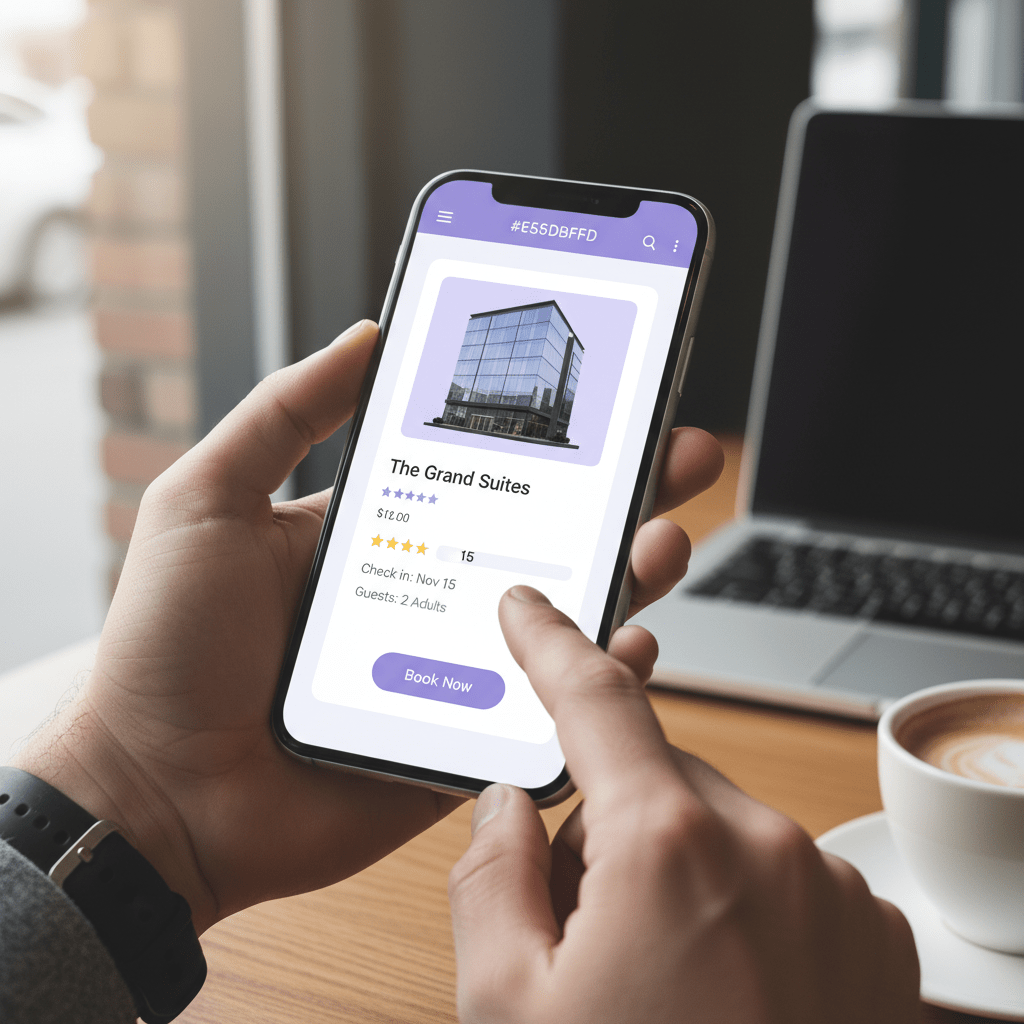
And if your property runs on a system like Ease My Hotel, the mobile booking flow should match the same simple feel as your ops dashboard. Guests won’t care about the back end. They just want to book fast and call fast. That’s it.
Try Ease My Hotel for free.
No lock-in contracts. Cancel anytime
Pillar 3: Unlocking Rich Results with Hotel Schema Markup
Ever searched for a hotel and saw prices, stars, and room info right there on Google? That little shortcut can change everything.
That’s hotel schema markup doing its job. Think of it like a translator for search engines. Your site says, “We’ve got rooms, rates, reviews, and a restaurant.” Google then understands it better and can show more of that info in search results. Cleaner for guests. Better for clicks.
And yes, that matters a lot for a seo agency for hotels trying to improve hotel website ranking and build a stronger direct booking seo strategy. If your listing looks richer than the hotel next door, you’ve got a better shot at the click.
Here are the main schema types hotels should care about:
| Schema type | What it does | Why it helps |
|---|---|---|
| Hotel or LodgingBusiness | Tells Google the page is for a hotel | Builds the base profile |
| HotelRoom | Shares room details like bed type and occupancy | Helps guests find the right room faster |
| Restaurant | Shows dining info on-site | Good for resort and property pages |
| LocalBusiness | Adds location and map context | Helps with local seo for hospitality |
| Review or AggregateRating | Shows star ratings and review counts | Makes search results more eye-catching |
You can also add Offer or LodgingReservation markup for prices and availability. That part is nice because guests hate clicking five times just to find out if a room is in budget. Same with amenity features like pool, spa, or free parking. Tiny details. Big pull.
Here’s the thing though: schema only helps if it’s set up right. A sloppy hotel website audit should catch missing fields, bad nesting, or pages that don’t match what Google expects. And if you’re working with hospitality seo services or a hotel marketing agency, ask them to test it with Google’s Rich Results Test and the Schema Markup Validator.
When hotel schema markup is done well, search results can show star ratings, price ranges, and room details before a guest even lands on your site. That means better clicks from people who already know what they want. Less random traffic. More ready-to-book visitors.
And honestly, that’s the dream, right? Not just more traffic. Better traffic. The kind that’s already halfway to the booking button.
If your property uses a system like Ease My Hotel, this is a smart place to check how your booking pages, room pages, and restaurant pages are mapped for search. A good setup can support your operations and your visibility at the same time. Pretty handy.
Architecting for Bookings: Site Structure & Crawlability
I once clicked a hotel link that looked like yourhotel.com/page-id=123. It felt… off. Like walking into a lobby with no sign at the door.
That tiny detail can hurt. A lot. If your site paths are messy, guests get lost and search engines do too. A clean hotel URL like yourhotel.com/rooms/deluxe-suite tells people what they’re about to see before they even click. It also gives your seo agency for hotels a much better base to work with.
Here’s the simple rule: keep the path short, clear, and readable. Room pages should sit under a neat folder. Offers should live in one spot. And the booking page should be easy to reach in just a few clicks.
Think of it like this:
| Good URL | Why it works |
|---|---|
| yourhotel.com/rooms/deluxe-suite | Clear, simple, and guest-friendly |
| yourhotel.com/dining/rooftop-bar | Tells search engines what the page is about |
| yourhotel.com/specials/summer-stay | Easy to remember and share |
| yourhotel.com/page-id=123 | Confusing for people and crawlers |
A smart site flow usually goes like this: homepage, then room or offer page, then booking. Simple. Clean. No extra maze.
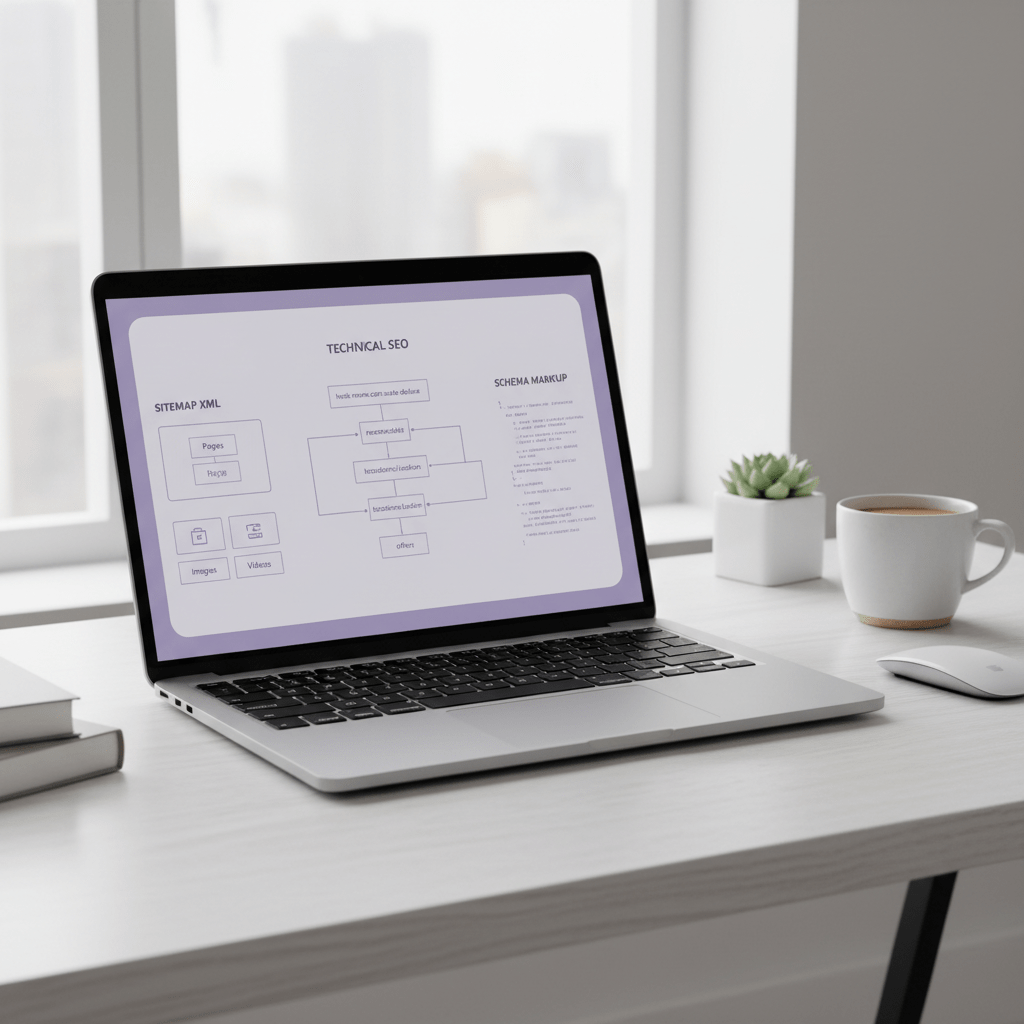
But wait, there’s more. Crawlability matters just as much as pretty URLs. An XML sitemap helps search engines find all your pages, including room listings, offers, and booking-related pages. A robots.txt file helps guide search bots so they spend time on the pages you want seen, not on private admin areas or dead-end paths. That kind of setup is part of solid technical seo for hotel websites, and it’s one of the first things a good hospitality seo services team should check.
If your property uses seasonal pages, don’t let old offers sit there and rot. Redirect them to a live specials page, or use a noindex tag when that makes more sense. Otherwise, you end up with broken paths, weak signals, and a site that feels a bit like a half-packed suitcase.
The best part? This stuff helps real guests, too. When room pages, amenities, and booking paths all sit in a logical order, people can move from curiosity to checkout without friction. That’s how you improve hotel website ranking and support a stronger direct booking seo strategy at the same time.
And if you’re using tools like Ease My Hotel, this is a good time to check whether your booking engine pages, room pages, and restaurant pages are all linked in a way that makes sense for both guests and search engines. A clean setup helps your ops stay neat and your visibility stay strong. Pretty nice combo.
What a Technical SEO Audit from a Top Hotel Agency Involves
So, how do you tell if an seo agency for hotels really knows its stuff? Easy. Ask what’s inside their audit. If they just send you a pretty PDF and vanish, that’s not much help. Pretty reports don’t fix empty rooms.
A real hotel website audit should feel like a flashlight in a dark storage closet. You want clear answers, not fluff. Here’s the checklist I’d use if I were hiring a hotel marketing agency tomorrow:
| Audit deliverable | What it tells you | Why hoteliers should care |
|---|---|---|
| Crawl analysis | How search bots move through the site | Finds broken paths, weak pages, and hidden pages |
| Indexation status report | Which pages are actually in Google | Shows if room pages or offers are being missed |
| Page speed breakdown | Where the site slows down | Helps improve hotel website ranking and bookings |
| Schema markup validation | Checks hotel schema markup setup | Can help rich results show in search |
| Backlink profile health check | Looks at links pointing to your site | Shows trust signals and any bad links |
| Local search audit | Reviews map and local signals | Helps with local seo for hospitality |
That table matters because a good audit isn’t just a score. It’s a map. And not the kind you forget in the glove box. I mean a real action plan that says what to fix first, what can wait, and what will likely help direct bookings the most.
Here’s the thing though: the best agencies don’t dump 40 fixes on your lap and call it strategy. They rank tasks by impact. That means they separate the big wins from the busywork. Maybe your hotel homepage loads fine, but your booking engine is slow. Maybe your room pages are fine, but your seasonal offers are stuck out of index. Maybe your schema markup is half there, which is almost worse than not having it at all.
A strong agency should also explain the why in plain language. You shouldn’t need a decoder ring to understand your own audit. If they say, “We found crawl waste on parameter URLs,” they should also say, “This is making Google spend time on junk instead of your room pages.” Simple. Clear. Human.
And yes, the audit should connect back to money. That’s the whole point. Technical seo for hotel websites isn’t just about neat code or fancy charts. It’s about helping guests find you, trust you, and book direct instead of bouncing to an OTA that takes 15% to 30% of the room revenue. Plus, with direct booking interest still strong, those fixes can pay off in real terms, not just pretty traffic graphs.
If your property uses tools like Ease My Hotel, this is a smart moment to ask how the booking engine, restaurant pages, and room pages are connected. A good setup can make operations smoother and search performance stronger at the same time. Nice combo, honestly.
Before you hire anyone, ask these questions:
- What pages will you crawl?
- Will you check Google Search Console data?
- Do you review mobile and desktop speed?
- How do you test hotel schema markup?
- Will you look at direct booking seo strategy, not just traffic?
- Do you include backlink profile health in the audit?
- What gets fixed first, and why?
If the answers are vague, that’s your sign. If the plan is clear, prioritized, and tied to rankings and bookings, you’re in better shape.
A good seo agency for hotels won’t just tell you what’s broken. They’ll show you which repairs could bring in more direct bookings fastest. That’s the kind of help worth paying for.
From Technical Foundation to Profitable Growth
So, what should you take from all this? Simple. Speed, mobile-friendly pages, hotel schema markup, and clean site structure are not extra polish. They’re the base layer that helps your hotel compete online.
A slow site leaks bookings. A clunky phone view sends guests away. Weak schema makes you easier to skip. And messy URLs or crawl issues can hide your best rooms from Google. That’s a rough combo.
Actually, wait, there’s a better way to think about it. These pieces don’t just help search. They help real people book faster, trust you sooner, and stay on your site long enough to pick a room.
But here’s the part that matters most: knowing the basics is only step one. Getting real results takes someone who can fix the right things in the right order. A specialized seo agency for hotels or hotel marketing agency can build a direct booking seo strategy that fits your property, your engine, and your goals.
If you’re serious about keeping more revenue in-house, now’s the time to get expert help. Ask for a full hotel website audit, then choose the team that can turn it into action, not just a pretty report.
Try Ease My Hotel for free.
No lock-in contracts. Cancel anytime