
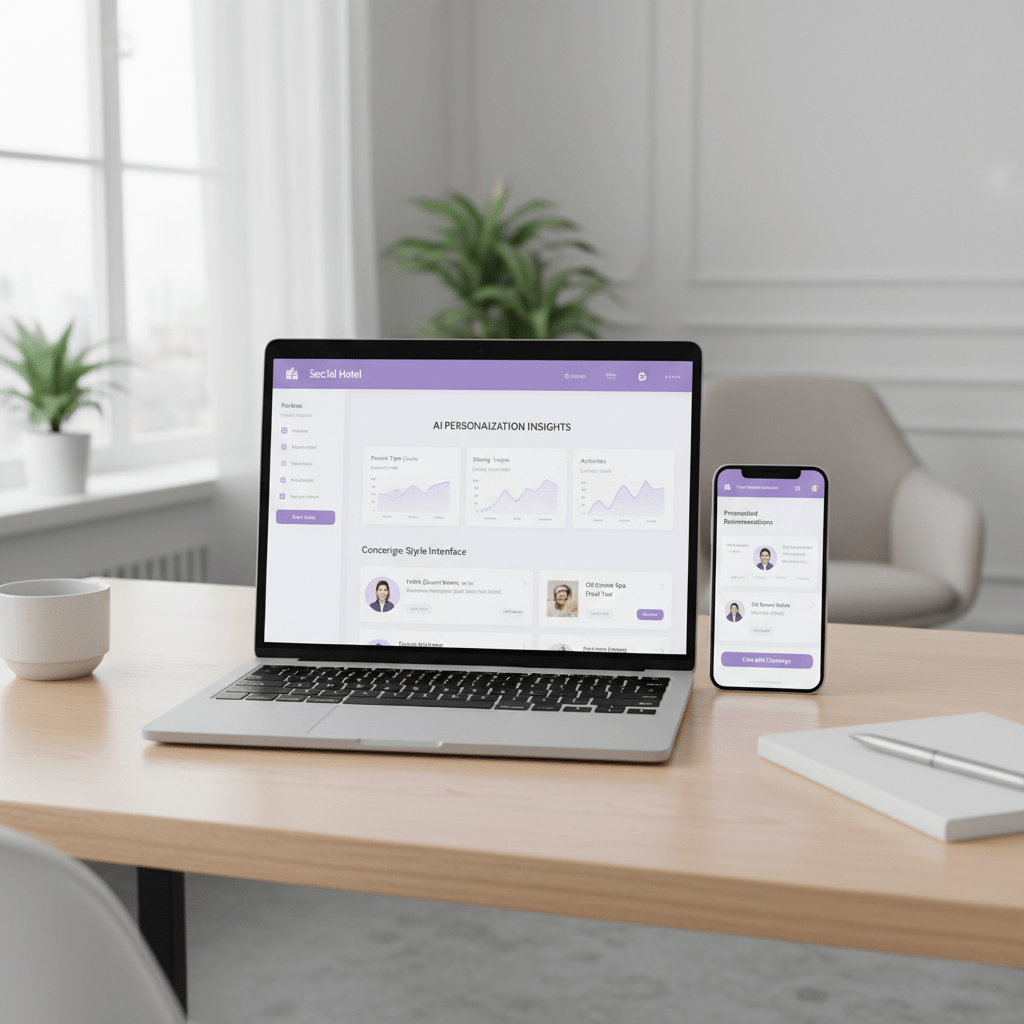
Beyond the Feed: Why Your Current Social Media Strategy Won’t Work in 2026
You know that feeling when a hotel page looks busy, but nothing really happens? Lots of likes. A few comments. Maybe a saved post or two. And then… crickets.
That old playbook is getting shaky fast. In 2026, hotel branding on social platforms is not just about posting pretty pool shots or tossing out a promo code every Friday. Social is turning into a full brand experience, where guests discover you, trust you, and maybe even book before they ever step inside the lobby.
That shift matters. A lot. Global social media use is now around 5.79 billion people, or about 69.9% of the world, and social ads help more than 30% of adult internet users find new brands and services as reported in this social media growth overview.
So what does that mean for hotels? Simple. Photo dumps and generic ads won’t carry you much longer. The future of hotel social media marketing is moving toward AI-driven personalization, immersive experiences for hotel branding, and real community building that feels human, not salesy.
This article is here to map out what’s coming next. We’ll look at the biggest hospitality branding trends, the social media strategy for hotels 2026, and the practical moves that can help your team keep up without getting buried in busywork. If you’re trying to protect bookings, grow direct demand, and make your brand feel alive online, you’re in the right place.
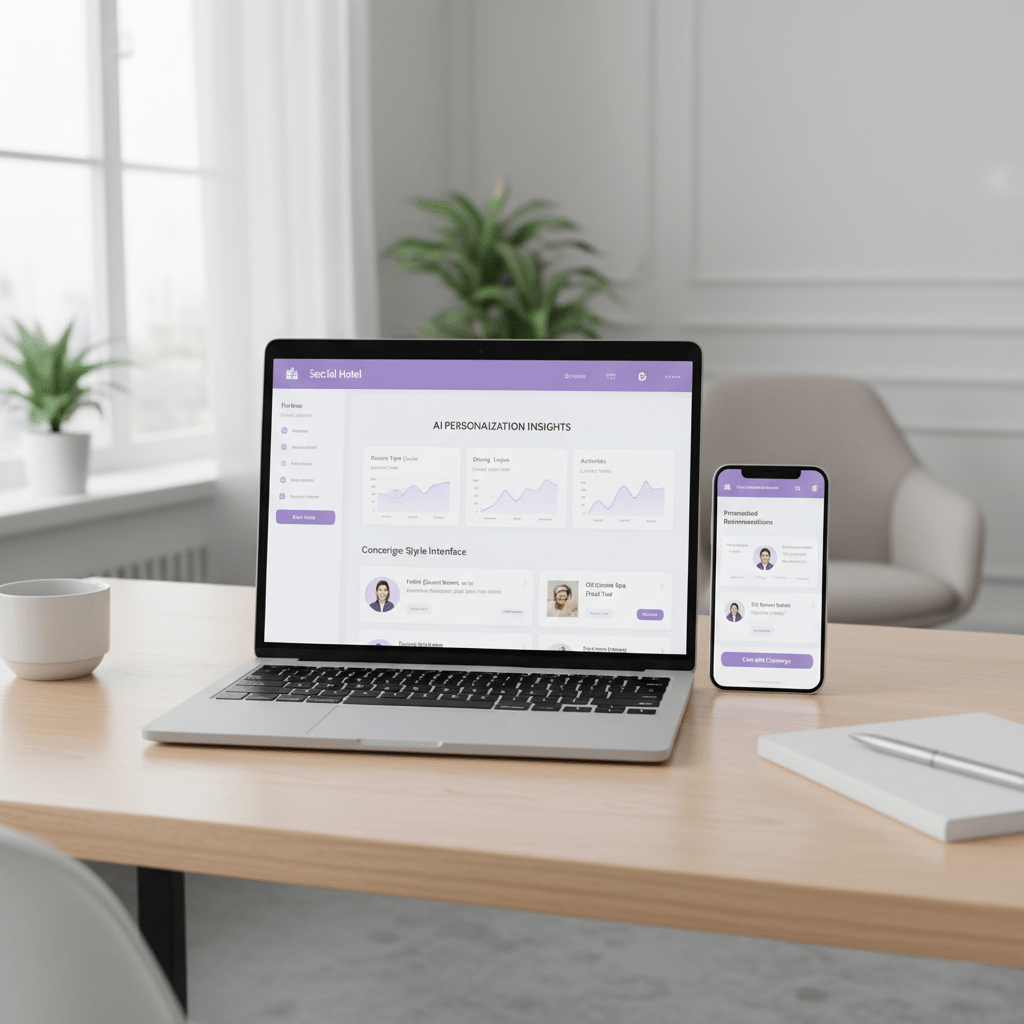
1. The AI-Powered Concierge: Predictive Personalization at Scale
Ever notice how some hotel brands seem to know what you need before you do? You search for a city break once, and boom, your feed starts showing rooftop pools, late checkout, and brunch spots that look suspiciously like your kind of thing. That’s not luck. That’s where hotel branding on social platforms 2026 is headed.
In the future of hotel social media marketing, AI won’t just answer questions. It’ll help shape the whole guest journey. We’re talking about systems that look at past bookings, page visits, loyalty data, and even what people save or click on. Then they can predict what kind of trip someone wants. Business traveler? Show the co-working lounge, fast Wi-Fi, and quiet rooms. Family on school break? Put the pool, kid-friendly menu, and bigger suites front and center.
That kind of smart split matters a lot. And honestly, it feels a little spooky at first. But it’s also practical. A 2026 social media snapshot shows global users have reached about 5.79 billion, with social still acting as a top place for brand discovery and research according to Backlinko’s social media user data. So if your hotel content looks the same to everyone, you’re wasting a huge chance to connect.
Here’s the deal. AI in hotel marketing will also help with reputation work. It can scan comments, reviews, and DMs in real time, then flag angry guests before the issue snowballs. That gives your team a shot at fixing problems fast, before a bad post gets shared around the internet like bad office gossip.
This is where digital transformation in hospitality starts to feel real. Not fancy. Just useful. And if you’re building a social media strategy for hotels 2026, this is a smart place to start:
| AI job | What it can do for hotels |
|---|---|
| Predict guest intent | Show the right room, trip type, or offer |
| Tailor content | Match business, family, or couple travelers |
| Watch sentiment | Spot complaints and praise fast |
| Support recovery | Trigger quick replies and service fixes |
The best part? This doesn’t replace your team. It gives them a head start. The front desk still handles the human side. Marketing still tells the story. But now the story lands with the right person at the right time, which is a pretty big deal.
And if you already use cloud tools to manage bookings, guest messages, and operations, you’re closer than you think. A unified system like Ease My Hotel can help keep guest data and day-to-day work in one place, which makes smarter social planning a lot easier. Less chaos. Better timing. More relevant content.
That’s the shift. Not louder posts. Smarter ones.
2. Immersive Realities: Selling the Experience with AR, VR, and the Metaverse
You know what grabs people fast? A feeling. Not a brochure. Not a sleepy stock photo of a lobby chair nobody asked for. A feeling.
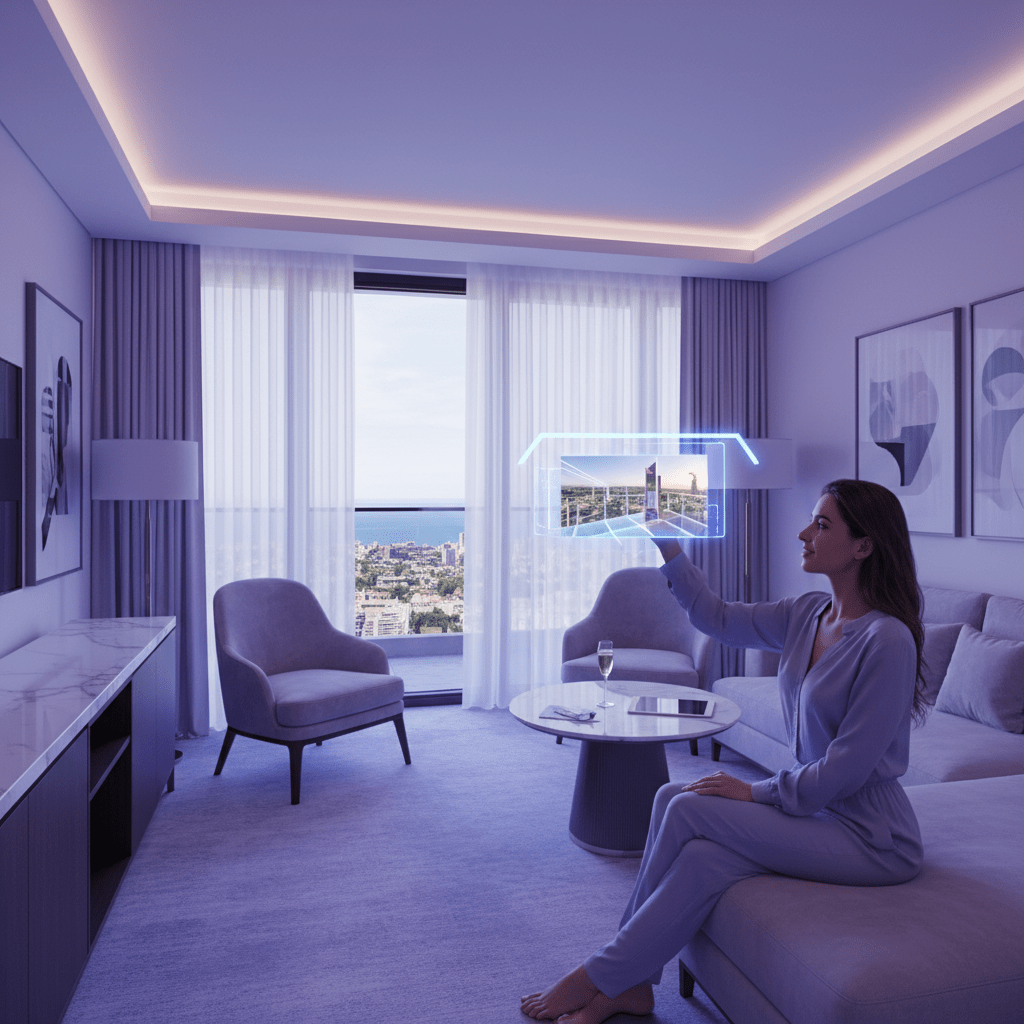
That’s why immersive experiences for hotel branding are getting so much attention. In hotel branding on social platforms 2026, guests won’t just scroll past a pretty room. They’ll try it on, sort of. A quick AR filter could let someone place your sunset balcony view right in their own apartment. Imagine that. One tap, and suddenly your hotel feels a lot more real than the ten other places in their saved folder.
And this isn’t just a gimmick. It’s part of the future of hotel social media marketing. Hotels are starting to move past basic 360 tours and into playful, interactive content that feels sticky. Think Instagram and TikTok filters that let users peek through a virtual suite window. Or a branded space where people can pop in for a live chef demo, meet a concierge avatar, or watch a local event from afar. A few brands have already tested VR and virtual destination content, so the idea is not sci-fi anymore. It’s already peeking around the corner.
Here’s where it gets fun. Some hotels may build small persistent virtual spaces, kind of like mini-metaverses, where guests can hang out before booking. Maybe it’s a digital lounge for a wedding group. Maybe it’s a virtual tasting room for a resort launch. Maybe it’s just a simple place to ask questions and get a feel for the vibe. Not every traveler wants it, sure. But the ones who do? They remember it.
And inside the hotel, social AR can keep the story going. A guest might scan a hallway plaque to see a short history clip. Or join a scavenger hunt that sends them to the rooftop bar, then to the spa, then to the old courtyard for a prize. They post those moments. Their friends see them. That’s free buzz with a smile on top.
| Immersive idea | What it does for hotels |
|---|---|
| AR balcony filter | Lets guests picture the view in their own space |
| Virtual event room | Helps people join before they book |
| In-stay AR tour | Turns hotel history into a fun activity |
| Gamified scavenger hunt | Gets guests posting during their stay |
This is where digital transformation in hospitality starts to feel less abstract and more useful. Not just tech for tech’s sake. Tech that helps people imagine themselves at your property before they’ve packed a bag.
If you’re planning your social media strategy for hotels 2026, start small. Test one filter. Try one virtual event. Watch what people tap, save, and share. Then build from there.
And if your team needs one place to keep bookings, guest info, and messaging in sync, a tool like Ease My Hotel can help make the back end a lot less messy. That matters more than people think. Because immersive content works best when the rest of the guest journey feels smooth too.
That’s the real shift. Not just showing the stay. Letting people feel it before they ever arrive.
Try Ease My Hotel for free.
No lock-in contracts. Cancel anytime
3. The End of Meg-Influencers: Fostering Niche Communities & Brand Loyalty
Ever notice how a giant travel post can get thousands of likes… and still feel kind of empty? Pretty photo. Big name. Then nothing much after that.
That’s why hotel branding on social platforms 2026 is shifting away from big, broad influencer blasts and toward smaller voices that people actually trust. A micro creator who talks about slow travel, plant-based food, or remote work in Lisbon can mean more than a famous face with a million followers and a sleepy comment section.
And the numbers back that up. Recent 2026 industry data shows micro-influencers often pull 4% to 8% engagement, while macro-influencers sit closer to 2% to 4% as shown in this influencer marketing guide. In niche travel groups, that gap can get even wider. So if you’re trying to reach sustainable travelers, digital nomads, or culinary explorers, smaller creators usually hit closer to home.
Here’s the thing though. This isn’t just about creators. It’s about community.
Hotels are starting to build their own spaces online, too. Think private Facebook groups, LinkedIn groups for event guests, or invite-only spaces on Discord and Geneva. These rooms can give people early access to room drops, chef nights, local guides, or behind-the-scenes clips. Not flashy. Just useful. And people love feeling like they’re in on something before everyone else.
| Community move | What it can do |
|---|---|
| Micro-influencer collabs | Reach niche travelers with real trust |
| Private groups | Keep guests coming back and talking |
| Exclusive content | Make followers feel close to the brand |
| Guest rewards | Turn happy guests into repeat creators |
User-generated content is the other big piece here. Honestly, it’s gold. A guest’s phone video of a sunrise breakfast or rooftop pool moment often feels more real than polished brand work. Hotels that repost guest content can see engagement jump 25% to 40%, which is a pretty nice trade for something your guests made while sipping iced coffee.
But don’t just grab any photo and hope for the best. Ask for permission. Offer perks. Maybe a free dessert, a late checkout, or a small room upgrade in exchange for sharing strong content. That’s how user-generated content becomes part of the plan, not just a lucky bonus.
This is where building hotel community online starts to pay off in a real way. You’re not just renting rooms. You’re giving people a place to belong, post, and come back to.
And if your team wants that guest data, messaging, and booking flow in one place, Ease My Hotel can help keep the moving parts from turning into a mess. That matters when you’re trying to track which creator brought in which booking, or which guest story got people to click.
The old meg-influencer playbook had its run. But in 2026, trust, closeness, and a good niche beat reach for reach’s sake. Every time.## 4. Seamless Social Commerce: From ‘Book Now’ Buttons to Integrated Itineraries
Ever tapped a hotel post, liked the room, and then lost the page three seconds later? Yep. Same.
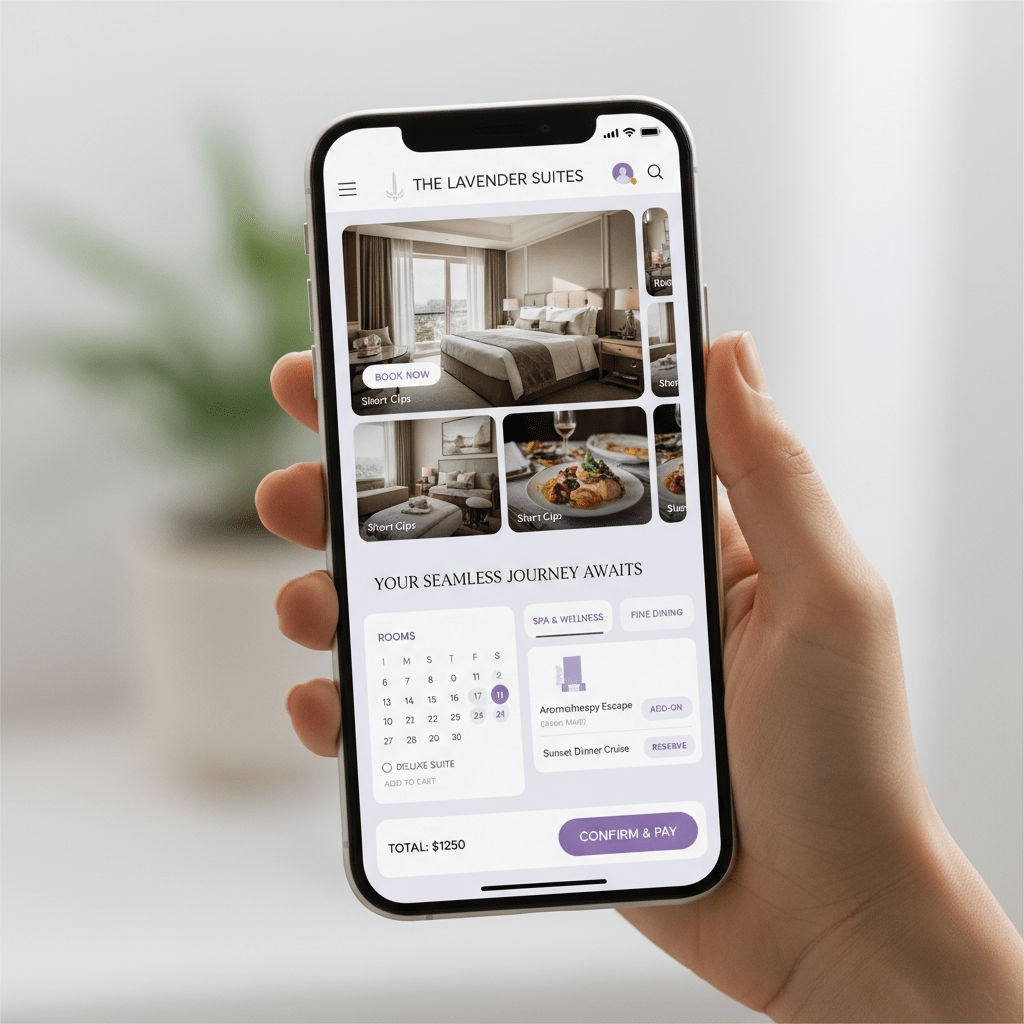
That little drop-off is exactly why hotel branding on social platforms 2026 is moving past simple links and into full in-app booking. The future of hotel social media marketing is getting smoother, faster, and way less clunky. People won’t just see a room. They’ll book the room, plus the spa slot, plus dinner at 8, plus maybe that local wine tour their friend keeps talking about.
And honestly, that makes sense. Social is already huge for brand discovery, with global users at about 5.79 billion in 2026 and more than 30% of adult internet users finding new brands through social ads, according to Backlinko’s social media user data. So if your hotel still sends people out to five different pages just to make one plan, you’re adding friction for no good reason.
Here’s where next-gen social commerce for hospitality gets interesting. Instagram, TikTok, and Pinterest are all pushing harder into native checkout and booking tools. That means a traveler could move from a reel of your rooftop pool to a room selection, then add breakfast and a massage before they ever leave the app. No extra tabs. No weird dead ends. Just a cleaner path from interest to booking.
Actually, wait. It gets better.
Hotels can use livestreams too. Picture a Friday night virtual tour with a live front desk host walking viewers through suites, pool views, and a special 20-minute offer. Or an “ask the chef” session where viewers can ask what’s on the menu, then book the dining experience right there. It feels casual. It feels real. And it gives people a reason to act now instead of “saving it for later,” which usually means never.
| Social commerce move | What it does for hotels |
|---|---|
| Native room booking | Cuts out extra clicks |
| Add-on itinerary booking | Lets guests book spa, dining, and tours together |
| Livestream offers | Creates urgency with time-limited deals |
| In-app calls to action | Keeps the booking flow inside social platforms |
This shift also changes hotel marketing KPIs. Follower count matters less. More useful numbers are saves, booking starts, completed reservations, and room nights tied to social. If a guest watches your TikTok tour, clicks your Instagram offer, and books a package with dinner included, that’s the win. Not just a cute view count.
And here’s the practical part. Social commerce works best when your systems can keep up. If your booking engine, guest messages, restaurant reservations, and room inventory live in different places, the experience gets messy fast. That’s where a cloud tool like Ease My Hotel can help keep the back end in one place, so social promos match real availability. Less “sorry, that spa time is gone.” More smooth handoff.
We’re moving from “book now” buttons to full trip planning. And for hotels that get there early, that’s a pretty nice head start.
5. The New Metrics: Measuring Social Media ROI in 2026
If a hotel gets 2,000 likes and no bookings, what did that really buy you? A nice feeling. Maybe a pat on the back. But not much else.
That’s why hotel branding on social platforms 2026 is moving past vanity metrics. Likes, follows, and fluffy reach numbers still look good in a deck, sure. But they won’t tell you if your reel led to a room night, a spa booking, or a guest who came back six months later.
So what should we watch instead? A new kind of score. Some teams call it a Community Health Score. It’s a simple way to look at how real the audience feels. Are people commenting back and forth? Are they saving posts? Are they sharing guest tips? Is the mood positive, mixed, or a little grumpy? That tells you more than raw follower count ever will.
And this fits the future of hotel social media marketing pretty well. Social is still huge for discovery. By 2026, global users have reached about 5.79 billion, or 69.9% of the world, and more than 30% of adult internet users find new brands through social ads according to Backlinko’s social media user data. So yes, people are finding hotels there. But now we need to know what they do next.
That means better attribution. Not last-click guesswork. Real tracking. A guest might see a TikTok room tour on Tuesday, click an Instagram Story on Friday, and book on their laptop Sunday night. New attribution tools can connect those dots across devices and sessions, which is a big deal for hotel marketing KPIs. You’re no longer asking, “Did this post get likes?” You’re asking, “Did this post help fill a room?”
Here are a few hotel-friendly metrics that make more sense now:
| KPI | What it tells you |
|---|---|
| Socially-Influenced Revenue | Revenue touched by social before booking |
| Cost Per Immersive Experience View | What you pay for each AR or VR view |
| UGC Conversion Rate | How often guest content leads to action |
| Community Health Score | How strong and active your audience feels |
I like this shift. It’s cleaner. Less noise.
And it helps teams make better calls. If your UGC gets lots of saves but few bookings, maybe the content is fun but not clear enough. If your immersive clip gets fewer views but more room-night starts, that’s probably the one to grow. If comments are full of questions, that’s not a failure. That’s a clue.
This is also where digital transformation in hospitality shows up in a practical way. A cloud system like Ease My Hotel can help keep booking data, guest messages, and room info in one place, so your social team isn’t guessing in the dark. When the back end is tidy, your numbers get a lot easier to trust.
The old scorecard is fading. The new one is about trust, action, and revenue. And honestly, that feels much closer to what hotels actually need.
Your Roadmap to 2026: How to Prepare Your Hotel’s Branding Strategy Today
You do not need a giant budget to get ready for 2026. You need a plan. A real one. The kind that shows you what to fix first, what to test next, and what can wait a bit.
So let’s make this simple.
Step 1: Run a future-readiness audit. Look at three things: your tech stack, your team skills, and your content plan. Ask some blunt questions. Can your current tools track guest behavior from social to booking? Can your team respond fast in DMs? Are you posting for one audience, or for everybody and nobody at the same time? If the answer feels messy, that’s your starting point.
Step 2: Train the team before the pressure hits. The future of hotel social media marketing will ask for more than pretty posts. Your people may need help with data reading, AI content tools, community replies, and simple virtual content work. Even one short course can help. Cornell eCornell and HSMAI both offer hotel-focused training, and Google AI Essentials is a low-cost option at about $49. Not bad for a skill boost.
Step 3: Start tiny pilot tests. Please do not try five new trends at once. That’s how good ideas turn into stress soup. Pick one niche micro-influencer campaign. Or test one AR filter for a seasonal offer. Or try a private guest group for weddings or repeat travelers. Small tests give you clean answers.
| Pilot idea | Simple goal | Rough budget |
|---|---|---|
| Micro-influencer test | Reach a niche traveler group | $5,000 to $15,000 |
| Branded AR filter | Make the stay feel playful | $3,000 to $10,000 |
| Guest community group | Build repeat engagement | Low cost, mostly team time |
And here’s the part people skip: connect each test to one hotel marketing KPI. Maybe that’s room-night starts. Maybe it’s saves. Maybe it’s direct bookings from a social post. Pick one. Measure it. Learn from it.
If your systems still feel scattered, a cloud platform like Ease My Hotel can help bring bookings, guest messages, and daily operations into one place. That makes your social plan a lot easier to manage, especially when you start testing smarter content and faster replies.
The hotels that win in 2026 probably won’t be the loudest ones. They’ll be the ones that know what to try, what to fix, and what to stop doing. That’s a much better edge.
From Social Poster to World Builder: Owning Your Brand’s Future
The hotels that win in 2026 won’t just post more. They’ll build more.
That’s the big shift. Hotel branding on social platforms 2026 is moving from one-way ads to real guest experiences that start online and keep going all the way to booking, stay, and repeat visit. AI in hotel marketing will help teams send the right message at the right time. Immersive experiences for hotel branding will help people feel the stay before they ever arrive. Niche communities will keep the good guests close. And next-gen social commerce for hospitality will make booking feel a lot less clunky.
So the job isn’t to shout louder. It’s to feel more human, more useful, and more alive.
We’re already at a point where social media reaches about 5.79 billion people, and more than 30% of adult internet users find new brands through social ads Backlinko’s 2026 social media user data. That means social is not just a pretty add-on anymore. It’s a front door.
If you remember one thing from this article, make it this: the future of hotel social media marketing is about trust, interaction, and timing. Not just posts. Not just promos. Real connection.
And the good news? You don’t need to fix everything at once. Start with the roadmap. Pick one pilot. Clean up one process. Try one new content idea. If your systems still feel scattered, Ease My Hotel can help bring bookings, guest messages, and daily operations into one place so your social plan has a steadier base.
The brands that move now will have a real edge. The ones that wait will be playing catch-up.
And nobody likes catch-up.
Try Ease My Hotel for free.
No lock-in contracts. Cancel anytime