
Beyond Bookings: The True Power of Branding Your Hotel on Social Media
Ever notice how some hotels get talked about before anyone even checks rates? That’s not luck. That’s brand power.
And on social media, that power can be huge. Roughly 35 to 41% of travelers use social platforms for trip ideas, and for Gen Z, it jumps even higher. Two-thirds of Gen Z travelers use social media for inspiration, while 40% on TikTok say they booked a vacation because of content they saw. Wild, right?
Here’s the thing. Hotels are fighting a tough battle online. OTAs crowd the search results. Nearby hotels run ads. Prices change all the time. But a strong hotel brand on social platforms can do what discounts can’t. It can make people remember you. Trust you. Pick you again.
That’s what this guide is for. We’re going step by step through hotel branding on social platforms, from hotel digital branding and Instagram marketing for hotels to content creation for hotels and measuring social media ROI for hotels. The goal is simple: help you build a hotel brand online that people recognize, share, and book directly.
Because bookings are nice. Loyalty is better. And direct bookings? Even better.
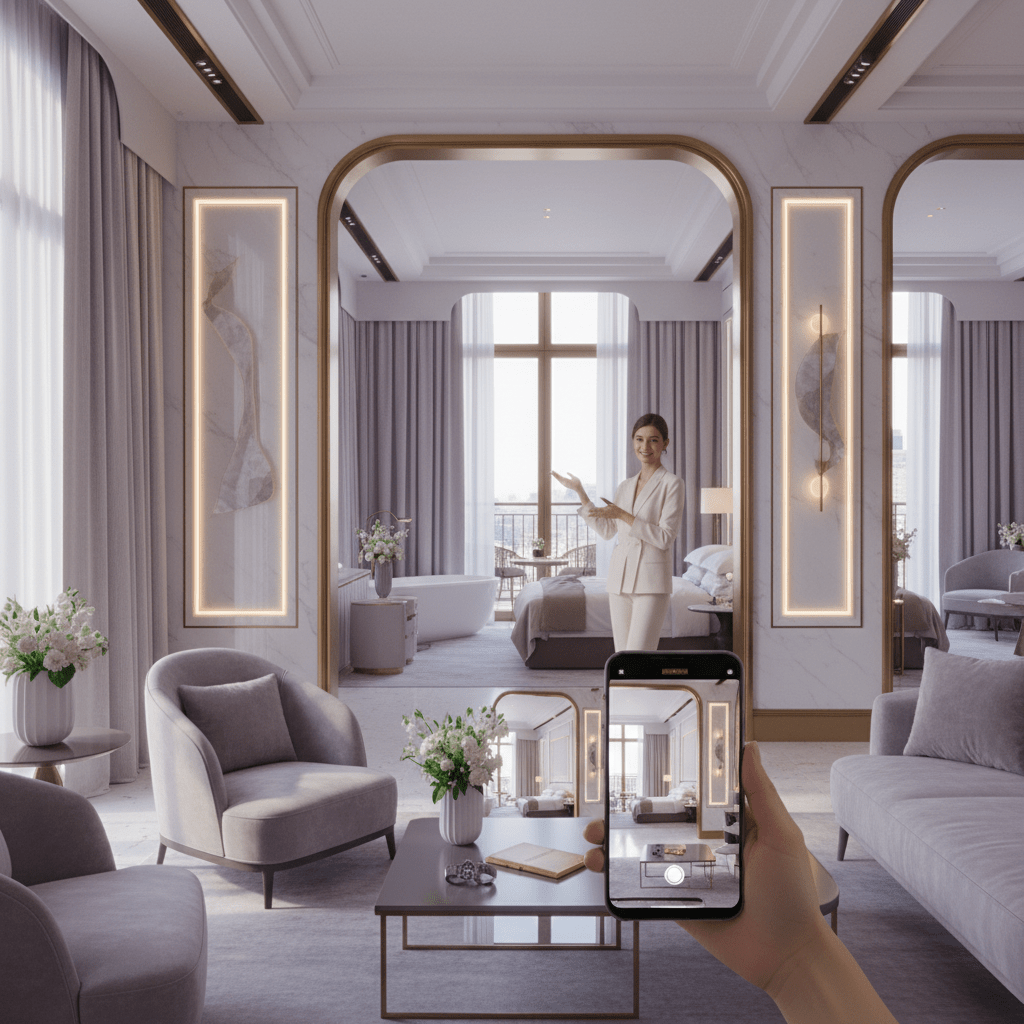
Step 1: Define Your Hotel’s Digital Brand Identity
Have you ever scrolled past two hotels in a row and thought, “Wait… why does one feel fancy and the other feel like a road trip stop?” That feeling comes from brand identity. Fast.
And on hotel branding on social platforms, that first impression does a lot of work. If your feed feels calm, bright, and polished, people expect that in the lobby too. If it feels fun and chatty, they expect a more laid-back stay. Weird how fast our brains do that, right?
So start here: pick one clear brand persona. Are you adventurous? Luxe? Family-friendly? Business-focused? A city escape for couples? Your answer shapes everything, from captions to reels to reply style. Four Seasons is a strong example of a polished, experience-first hotel brand, while playful brands like Moxy lean into a more casual vibe. Both work, but they work because they stay true to themselves.
Next, lock in your tone of voice and visual look. Keep it simple:
| Brand piece | What to decide |
|---|---|
| Tone of voice | Warm, playful, elegant, helpful, bold |
| Color palette | 3 to 5 core colors |
| Fonts | 1 heading font, 1 body font |
| Photo style | Bright and airy, moody and luxe, or natural and candid |
| Editing preset | Same light, contrast, and color feel across posts |
This matters more than people think. If your Instagram post looks like a spa one day and a nightclub the next, guests get mixed signals. And mixed signals don’t book rooms. Usually.
Also, make a brand guideline doc for your team. Nothing fancy. Just one shared file with your logo use, colors, caption style, hashtag rules, and how to reply to comments and DMs. This helps everyone stay on the same page, even if the front desk team, marketing team, and outside agency all touch the account. Because nothing says “professional” like a feed that looks like three different hotels ran it.
If you want to make this easier, tools like Ease My Hotel can help your team keep booking info, guest messages, and property details in one place, which makes it easier to match your social voice with the guest experience.
When your digital brand is clear, your social media strategy for hotels gets a whole lot easier. You post faster. You look sharper. And people start to remember you.
That’s the real win. Not just likes. Recognition.
Step 2: Choose the Right Platforms to Tell Your Brand Story
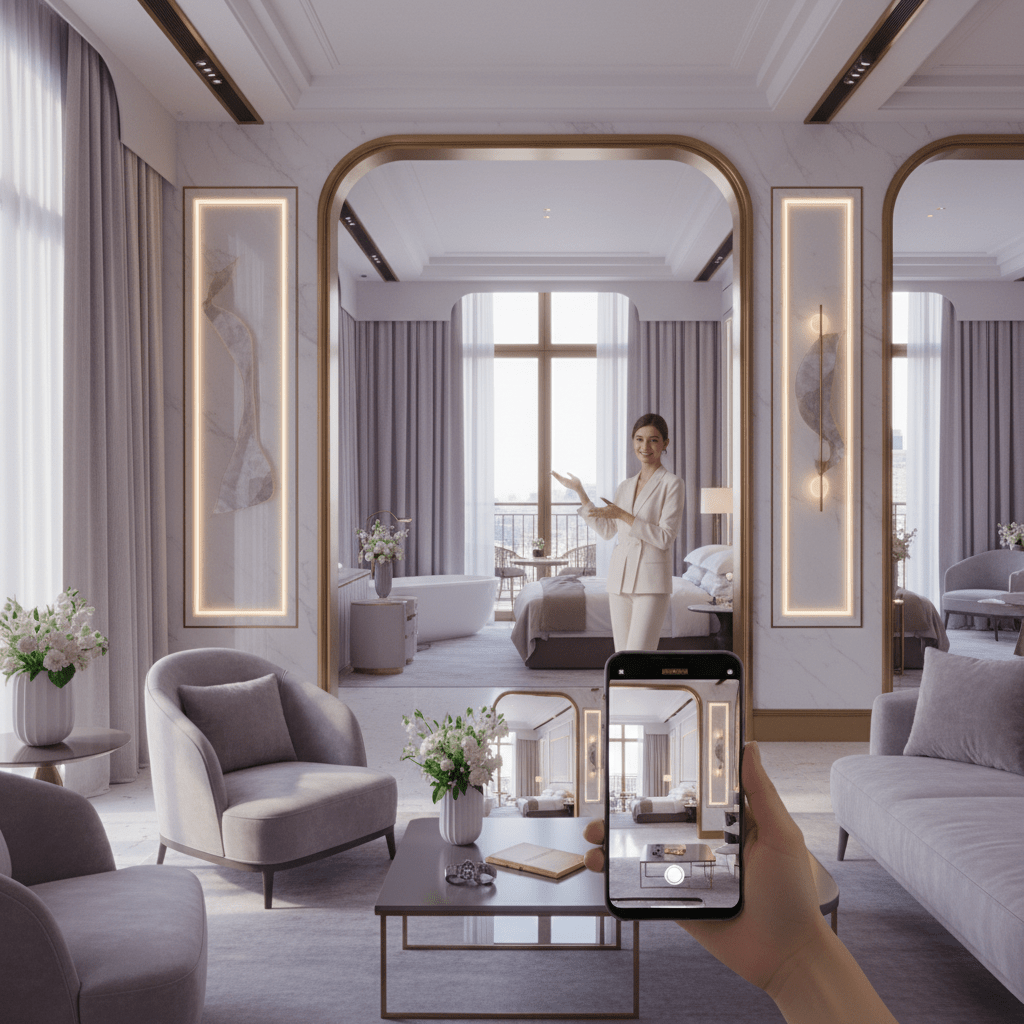
You know that weird moment when a traveler finds your hotel on Instagram, then checks Facebook, then watches one TikTok, and suddenly they feel like they already know your place? That’s not random. That’s platform choice doing its job.
And for hotel branding on social platforms, picking the right channel matters just as much as the photos you post. Different apps do different jobs. If you try to make every platform do everything, the whole thing gets muddy. Fast.
For hotels, Instagram and Pinterest are usually the pretty face of the brand. They’re visual-first, so they work well for room shots, pool views, breakfast spreads, and those little moments that make people think, “OK, I want to stay there.” Instagram is also a big one for trip planning, with about 33% of Millennials using it for travel ideas. Plus, Instagram Reels and Story posts are great for quick tours, guest moments, and behind-the-scenes clips that feel real instead of staged. Pinterest works a bit like a mood board. Great for honeymoon ideas, wedding stays, spa weekends, and city escape planning.
Here’s a simple way to think about it:
| Platform | Best for | Content that works |
|---|---|---|
| Brand look, inspiration, room tours | Reels, Stories, carousels, guest photos | |
| Trip planning and mood boards | Saved pins, photo sets, destination ideas | |
| Trust and community | Local events, guest reviews, offers, ads | |
| TikTok | Reach and personality | Short videos, staff clips, room reveals |
Facebook gets overlooked a lot, but it still matters. It’s more of a community hub than a wow factor app. Think local event posts, family stay packages, guest testimonials, and ad campaigns aimed at the right age groups and nearby markets. It also helps with retargeting, which is a fancy way of saying, “Hey, remember us?” A lot of hotels use Facebook to stay in touch with repeat guests and local travelers who are already close to booking.
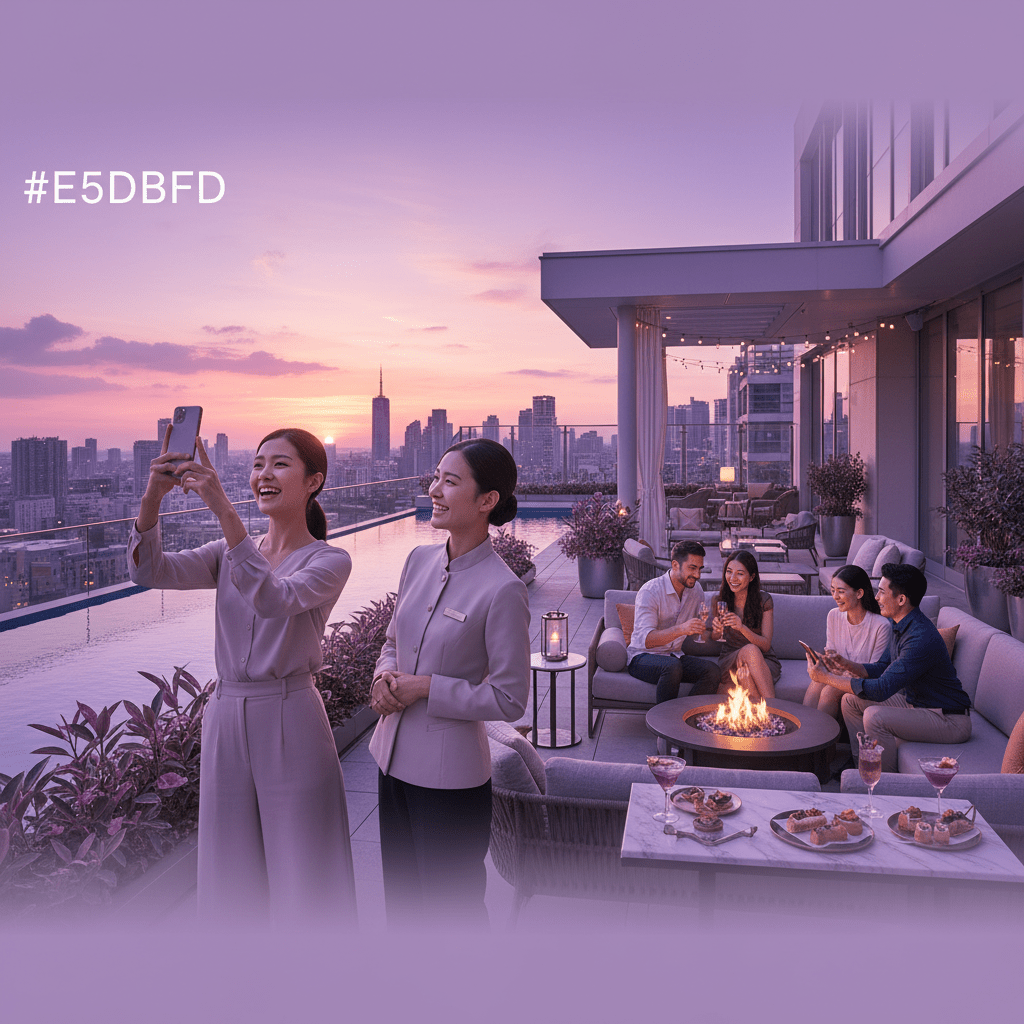
Then there’s TikTok. Honestly, this one can be a little chaotic, but that’s the point. TikTok works because it feels human. Short room walkthroughs. Staff jokes. Morning coffee by the window. A quick clip from the rooftop at sunset. For Gen Z travelers, that kind of content lands hard. In fact, 40% of Gen Z users on TikTok say they booked a vacation because of content they saw there, which is kind of a big deal for hospitality social media marketing. A polished ad can still help, sure. But sometimes a shaky phone video with a funny caption does more.
And if you’re wondering where to put your energy first, start with the platform that matches your guest type. Luxury resort? Instagram and Pinterest. Business hotel in a city center? Facebook and Instagram. Boutique stay with personality? TikTok might be your best friend.
Actually, wait – there’s a better way to say it. Start with where your guests already spend time, then build from there.
That’s the whole trick.
Not every hotel needs to post everywhere. But every hotel does need a clear social media strategy for hotels, and the right platform mix is part of that. When the channel matches the guest, content creation for hotels gets easier, and building a hotel brand online starts to feel less like guesswork.
If you want one small next step, pick two platforms and do them well before adding a third. That alone can make your hotel digital branding feel sharper in just a few weeks. And if your team needs help keeping bookings, guest messages, and property details organized while you post, a cloud tool like Ease My Hotel can help keep the back-end from turning into a mess.
Because the best hotel branding on social platforms isn’t about being everywhere. It’s about being in the right place, with the right story, at the right time.
Step 3: Develop Content Pillars for Consistent and Engaging Storytelling
Ever notice how the best hotel pages don’t feel random? One post shows a sunset cocktail. The next shows a smiling housekeeper. Then boom, a local bakery collab. It all feels like one story. That’s the magic.
If your hotel branding on social platforms feels scattered, content pillars can help. They give your social media strategy for hotels a steady shape, so people know what to expect from you. And that matters, because travelers use social media for trip ideas all the time. In fact, two-thirds of Gen Z travelers use social media for inspiration, and 40% on TikTok say they’ve booked a vacation because of what they saw there source. So yeah, the posts matter.
Here are three pillars that work well for hotel digital branding:
| Content pillar | What it shows | Why it works |
|---|---|---|
| The Local Experience | Nearby shops, food spots, tours, hidden gems | Turns your hotel into part of the trip |
| Behind the Brand | Staff, history, small service details | Builds trust and warmth |
| Guest Stories & UGC | Guest photos, reviews, tags, short clips | Gives social proof and community feel |
Pillar 1: The Local Experience
This one is a big deal. Don’t just post your lobby and call it a day. Show what’s around you. Share the taco spot two blocks away. The tiny bookstore locals love. The sunrise walk by the water. That’s how you turn building a hotel brand online into something people actually care about.
You’re not just selling a room. You’re selling a better trip.
Try posts like these:
- “3 coffee shops within 5 minutes of our front door”
- “Our favorite rainy-day plan in the city”
- “What to do after check-in if you only have 4 hours”
This kind of content works well for Instagram marketing for hotels, especially carousels and Reels. It also helps your property feel like a guide, not just a place to sleep.
Pillar 2: Behind the Brand
People like people. Shocking, I know.
But seriously, introducing your team makes your hotel feel human. Show the front desk staff who remembers repeat guests. Share the chef’s breakfast special. Tell the story of the building if it has one. Maybe it was once a train stop or a family home. Little details like that stick.
Four Seasons is a strong example of a polished, experience-first hotel brand, and its visual approach helped drive more than 997,000 average monthly interactions in one reported year on Facebook, plus over 146,000 new followers. That kind of response doesn’t happen by accident. It comes from a clear brand voice and steady storytelling.
Pillar 3: Guest Stories and UGC
This is where your guests do some of the talking for you. User-generated content, or UGC, means guest photos, videos, tags, and reviews. It’s one of the strongest trust signals in hospitality social media marketing.
And yes, people pay attention. Travelers are far more likely to trust real guest content than polished brand posts. So ask guests to tag your hotel. Repost their photos. Share their breakfast tray shot. Celebrate the couple that got engaged on your rooftop. That stuff feels real because it is.
A simple UGC plan can look like this:
- Ask guests to tag your hotel in Stories and posts.
- Save the best content with permission.
- Repost one guest post each week.
- Thank them in the caption.
Keep it easy. Keep it warm. And don’t over-edit the life out of it.
Actually, wait. One more thing. The best content pillars aren’t rigid boxes. They’re more like lanes on a road. You can move between them, as long as the whole feed still feels like the same hotel.
That’s how you build a hotel brand online that people remember. Not with random posts. With repeatable stories that feel true.
And if you’re trying to keep bookings, guest chats, and property details from getting messy while your team posts, a cloud tool like Ease My Hotel can help keep the back end tidy. That way, your content creation for hotels has room to breathe.
Try Ease My Hotel for free.
No lock-in contracts. Cancel anytime
Step 4: Master Visual Storytelling to Make Your Brand Unforgettable
Ever seen a hotel video that made you want to pack a bag right then? Not a glossy ad. A real clip. A bartender shaking a signature drink. A pool with sunlight hitting the water just right. That stuff sticks.
For hotel branding on social platforms, visuals do a ton of heavy lifting. People may forget a caption. They usually won’t forget a moving image that made them feel something. And that matters, because social media keeps shaping travel choices. Around 35 to 41% of travelers use social platforms for trip ideas, and for Gen Z, two-thirds use them for inspiration. On TikTok, 40% of Gen Z users say they booked a vacation because of content they saw travel inspiration stats.
Why video wins so often
Short video works because it shows life, not just rooms. Use Instagram Reels and TikToks to show:
- A quick property tour
- Your rooftop at golden hour
- A chef plating breakfast
- A bartender making one signature cocktail
- The lobby vibe at check-in time
Simple. Real. Easy to watch.
And this is where your hotel digital branding gets sharper. A room photo says, “Here’s the bed.” A video says, “Here’s how it feels to stay here.” Big difference.
UGC is social proof with legs
Guest photos and videos are gold. Honestly, they do half the selling for you.
Try building a small UGC habit:
- Put one or two photo-worthy spots on purpose, like a mural wall, a lobby swing, or a pretty breakfast nook.
- Share a branded hashtag on signs, menus, and check-in cards.
- Ask guests to tag your hotel in Stories and posts.
- Save the best posts and ask for permission before resharing.
That last part matters. A quick DM is usually enough. Something like: “We loved your photo. Can we share it on our page with credit?” Easy. Respectful. Human.
UGC helps your content creation for hotels feel less forced, plus it gives guests a reason to talk about you after they leave. That’s the dream, right?
Quality vs. real life
Here’s the trick. Use professional photos for the hero shots. Exterior. Signature suite. Pool. Lobby. The big money shots.
But don’t make every post look like a magazine spread. Candid iPhone photos often work better for daily Stories, staff moments, and quick updates. They feel honest. Less polished, but more alive.
I’d split it like this:
| Content Type | Best Style |
|---|---|
| Website banner | Pro photography |
| Room reveal Reel | Pro video or polished phone video |
| Daily Story | Candid iPhone shot |
| Guest repost | Raw UGC |
| Special event promo | Mix of both |
That balance helps with hospitality social media marketing because it gives you both trust and beauty. And really, that’s the whole game. Not fake perfect. Just real and appealing.
If you want this part to run smoother, a central system like Ease My Hotel can help your team keep guest info, booking notes, and property details in one place while your social posts keep rolling. Less chaos. More room for good stories.
Step 5: Engage Your Community to Foster Loyalty and Advocacy
You know that moment when a guest tags your hotel in a Story, and it’s better than any ad you could have made? That’s the good stuff. Real people talking about your place. Way more believable than polished sales copy.
And this is where hotel branding on social platforms starts to pay off in a big way. Not just with likes. With trust. With repeat stays. With people telling their friends, “You’ve got to stay there.”
Start by talking back. Not in a stiff, corporate way. In a real one. Reply to comments with personality. Thank people by name. Ask a follow-up question in DMs. Little things. They add up fast. Captions can help too. Try asking simple things like, “Would you rather sunset drinks or poolside brunch?” That kind of post gets people involved instead of just scrolling past.
Polls in Stories work well too. Quick. Easy. Kind of fun. And they give you a peek at what guests want next.
Now, here’s a smart move: work with micro-influencers. Local food bloggers, travel creators, and city guides often have smaller audiences, but those audiences usually care more. That often means better engagement and a better fit for hospitality social media marketing. A creator with 12,000 loyal followers can sometimes beat a bigger name with 200,000 quiet ones. Weird, but true.
If you run a giveaway, make it match your brand. Please, no generic “free night” post with zero flavor. Offer something people remember. A rooftop dinner, a spa morning, a local tasting tour, or a weekend package built around your neighborhood. That turns a contest into unique hotel branding ideas, not just a random prize.
| Engagement move | What it does |
| Reply to comments fast | Builds trust and keeps the convo going |
| Use polls and question boxes | Helps guests feel heard |
| Partner with local creators | Brings in nearby travelers and loyal fans |
| Run brand-fit giveaways | Makes your hotel more memorable |
And yes, this stuff can help bookings too. UGC is a big deal here. Travelers trust guest content more than branded posts, and that trust can move people closer to booking. If you’re tracking social media ROI for hotels, watch saves, shares, DMs, link clicks, and direct-booking traffic. Those numbers tell a better story than raw follower count.
I’d also keep an eye on who’s talking about you in the real world. Local creators, happy guests, repeat visitors. They’re often your best marketers, even if they never call themselves that.
The best part? You don’t need a giant budget. Just a steady rhythm. Respond, ask, share, repeat.
If your team needs help keeping booking details, guest messages, and property info in one place while you run social campaigns, a cloud tool like Ease My Hotel can help keep the day-to-day from turning messy. That leaves more room for the fun part. The part where people start caring about your hotel before they ever arrive.
Step 6: Measure the ROI of Your Hotel’s Social Media Branding
You know that little rush when a post takes off? Nice. But likes alone don’t pay the bills.
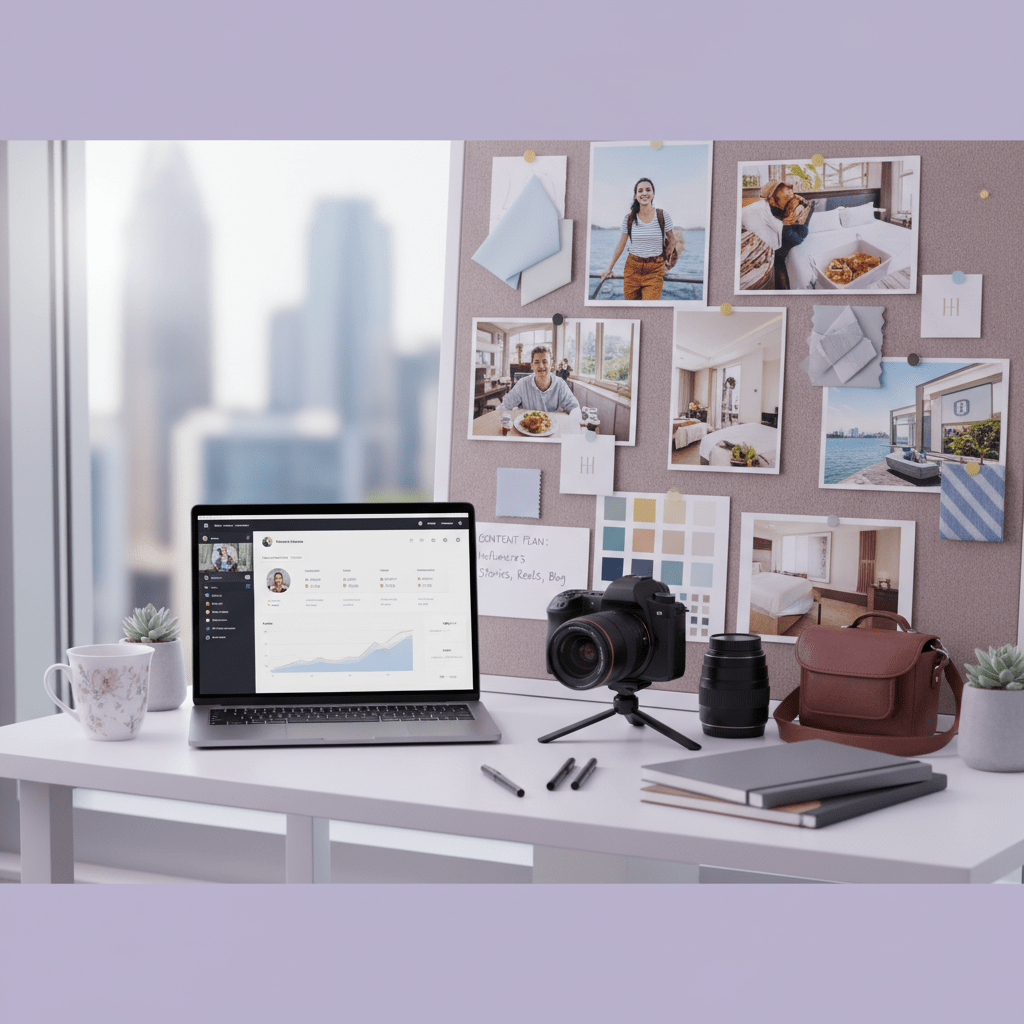
If we’re serious about hotel branding on social platforms, we have to look past the shiny stuff. A pretty feed is great. A full booking calendar is better. So ask a simple question: did this post bring people closer to booking a room, or did it just get a few hearts from strangers?
Start with the numbers that matter most. Track website clicks, booking engine referrals, saves on Instagram, and direct messages that turn into real questions. Those are stronger signs than follower count. Saves are a sneaky good one too, because people save posts when they’re thinking, “I may come back to this.” That’s a real travel signal.
Here’s a simple scorecard you can use:
| Metric | What it tells you |
|---|---|
| Website clicks | People want more info |
| Booking engine referrals | Social is helping drive room sales |
| Instagram saves | The content feels worth coming back to |
| DMs and inquiries | Guests are getting close to booking |
| Direct bookings | Your social content is doing real work |
If you want cleaner tracking, use a few easy tools. Create unique promo codes for social followers. Add custom UTM links to your bio and key posts. And at check-in, ask, “How did you hear about us?” Simple stuff. But wow, it helps.
Actually, that one question can save a lot of guessing.
Platform tools matter too. Instagram Insights can show which reels get the most profile visits, taps, and website clicks. Facebook analytics can help you spot which offers, local guides, or event posts bring traffic. If one short room tour keeps pulling in visitors, do more of that. If a polished promo falls flat, well… there’s your answer.
This is also where measuring social media ROI for hotels ties back to money. Hotels often pay 15 to 30% commission on OTA bookings, while direct bookings usually cost far less. So if your social content helps bring in direct guests, that’s a big win for profit and guest relationships too. For a quick note on travel behavior, travel inspiration stats show how often social content leads to booking decisions.
The best part? You don’t need perfect tracking from day one. Start small. Track one campaign, one code, and one source. Then build from there.
That’s how hotel digital branding turns into real revenue. Not with guesswork. With clear numbers, better stories, and a social media strategy for hotels that actually connects to bookings.

Your Action Plan: From Social Presence to Brand Powerhouse
If your hotel’s social pages feel a little scattered right now, you’re not alone. Most teams start there. Then they find their rhythm.
Here’s the six-step path we just walked through: define your brand identity, choose the right platforms, develop content pillars, visualize your story with strong photos and video, engage your community, and measure what brings real bookings.
That last part matters a lot. Social media is not just for pretty posts. It can shape travel choices, especially for younger guests. Research shows about 35 to 41% of travelers use social platforms for trip ideas, and for Gen Z, that jumps much higher. Two-thirds use social for inspiration, and 40% on TikTok say they booked a trip because of content they saw travel inspiration stats.
And here’s the bigger business side. OTAs often take 15 to 30% per booking, while direct bookings usually cost far less. So building a hotel brand online isn’t just about attention. It’s about keeping more profit in your pocket.
Start small this week. Just pick one thing. Define your brand persona in one sentence. That single move can make your hotel branding on social platforms feel clearer, calmer, and way more consistent.
Then keep going. One step at a time. That’s how a feed becomes a brand, and a brand becomes a booking engine.
Try Ease My Hotel for free.
No lock-in contracts. Cancel anytime